Why it matters: For the first time in seven years, Wells Fargo is free to expand its business — take in more deposits, lend more to businesses and make acquisitions — in ways that might help it better compete on Wall Street.
Customers spent more per trip at Dollar General last quarter, a sign that higher-income shoppers may be looking to save — and possibly stocking up ahead of expected tariffs.
Why it matters: Dollar stores have been struggling as Americans turned to budding alternatives such as same-day delivery from the likes of Amazon and Walmart.
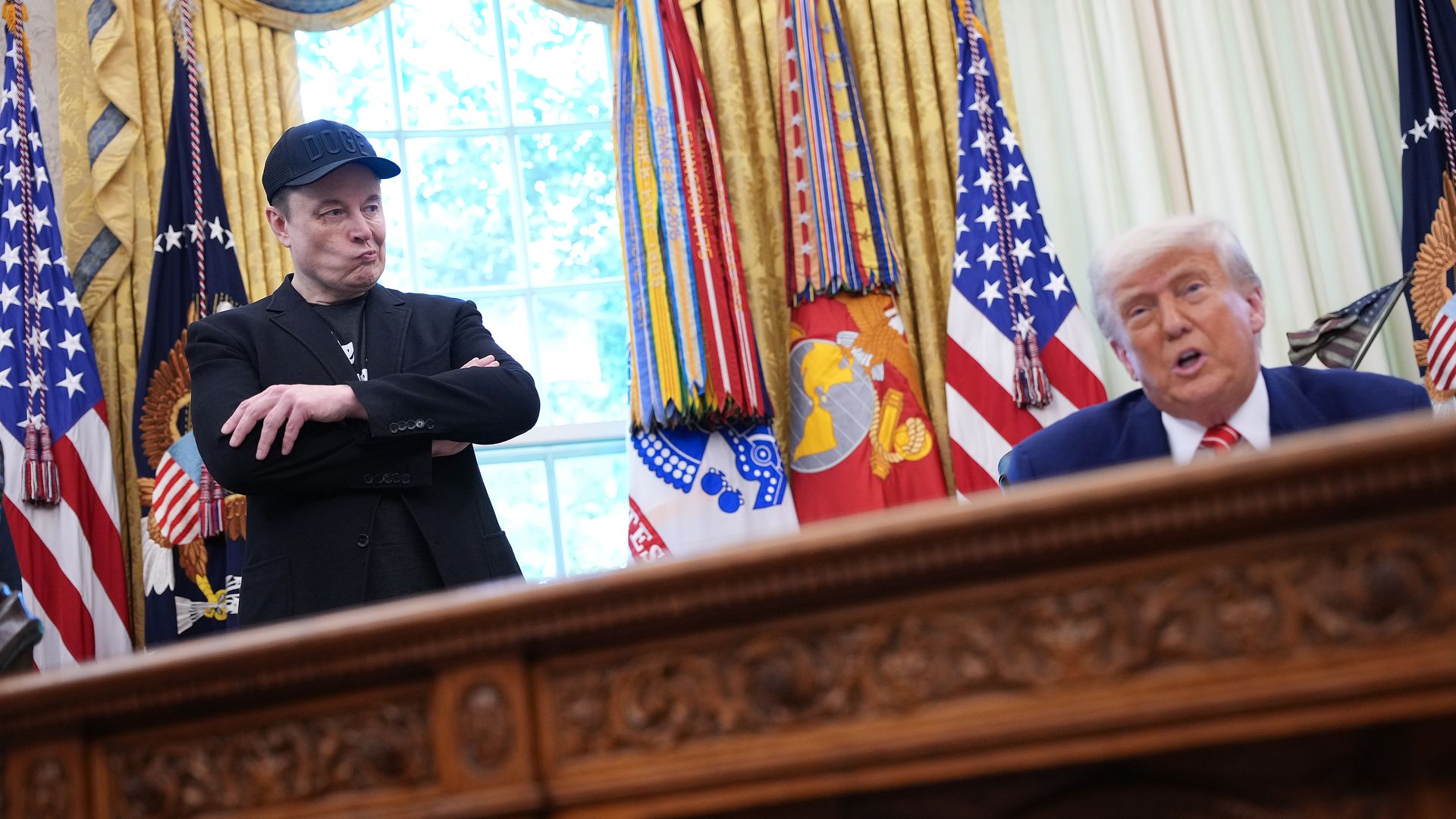
Elon Musk unloaded on President Trump's signature tax-and-spending bill Tuesday, declaring that he could no longer stay silent on what he called a "disgusting abomination."
"Shame on those who voted for it: you know you did wrong. You know it," Musk wrote on X.
Why it matters: Musk's scathing criticism of the "One, Big, Beautiful Bill," passed by the House last month, comes just days after the former head of DOGE departed the Trump administration.
Travelers are going out of their way to delay bookings amid concerns about the economy, according to the CEO of the world's largest hotel company.
⏰ Consumers are waiting until less than three weeks before their travel window before pulling the trigger, Marriott CEO Tony Capuano told Bloomberg TV today.
"That consumer, because of all of this uncertainty, is sort of standing on the edge of the pool saying, 'Should I book? Should I wait?' Thankfully so far they've been booking."
Yes, but: He added that the trend has stabilized in recent weeks.
"What we hear from that lower-income consumer, they absolutely — just like the higher-income consumer — are prioritizing travel and experience, but they need to do it through a value lens," Capuano said.
"The Trump family engagement in the meme coin world has made this work more complicated because it has distracted, I think, our members, both Republican and Democrat, from what we need to do."
Context: It's not the first time Hill has said that, but he also pivoted last week to say that, for those who think investors need to be warned off meme coins, the best move would be to pass legislation for a disclosure-based regime for crypto assets.
That is, his CLARITY act, introduced the day before his comments at the event.
An SEC commissioner has come out with a new statement saying that there's no investment contract created when someone participates in staking.
Why it matters: Participating in staking — the process of collectively insuring the security and accuracy of a blockchain network — is vital for network consensus, not to mention an easy way for people to passively earn some yield.
Determining that the practice constitutes an investment contract — which the prior SEC did — makes it a security and subject to SEC regulations.
The latest: "Uncertainty about regulatory views on staking discouraged Americans from doing so for fear of violating the securities laws. This artificially constrained participation in network consensus," Crypto Task Force chair Hester Peirce writes in the new statement last week.
We've been doing lots of intermittent updates on this, but, it is now definitely true: Texas has sent a bitcoin reserve bill to the governor.
Texas was the first-mover after President Trump kicked off the conversation about governments holding onto bitcoin that comes their way.
The latest: After a conference committee, the Texas Senate took the final vote Saturday to confirm the bill. It was sent to Gov. Greg Abbott on Sunday.
What's next: A decision by the governor about whether or not to sign the legislation.
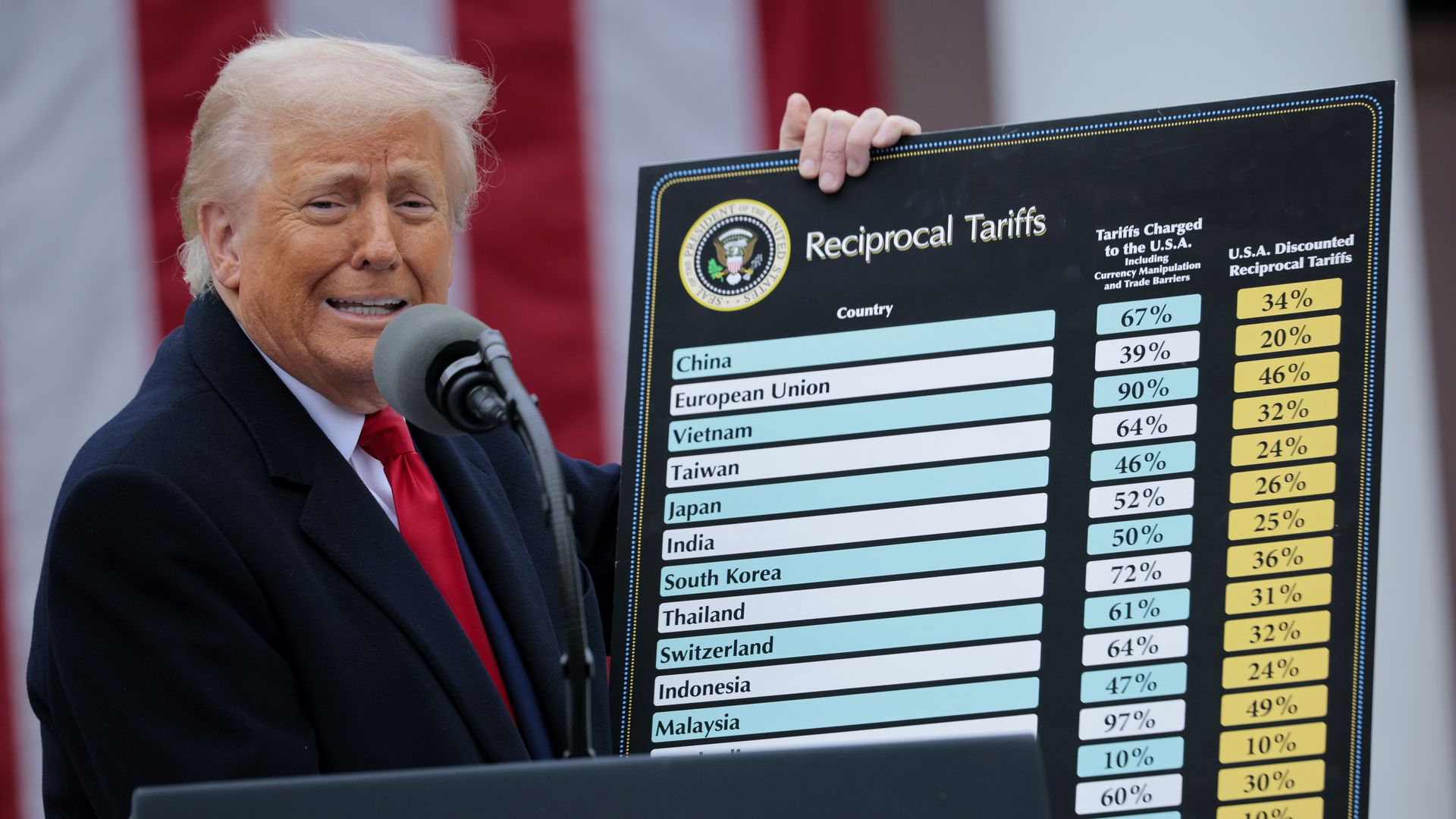
If we get stagflation this year— stagnant growth and elevated inflation — it may be short-lived. That's because the "stag" will eventually overpower the "flation."
The big picture: If the trade war causes economic activity to slow down and unemployment rises, that slump could be enough to prevent a second-round inflation surge, after the initial tariff hit works its way through prices.
Venture capital's distribution blockade may be breaking down, at least a bit, thanks to some unicorns finally accepting that their ZIRP-era valuations were inflated.
Driving the news: Circle is expected to price IPOs this week, at a valuation below where it previously was valued by venture capitalists. Omada is expected to price just slightly higher.
Keysight Technologies will receive U.S. antitrust approval for its $1.5 billion purchase of British telecom testing firm Spirent Communications, after agreeing to divest three of Spirent's businesses.
Why it matters: Remedies appear to be back, after a Biden-era antitrust regime that focused more on injunctions.
The Organisation for Economic Co-operation and Development slashed its U.S. growth forecasts Tuesday and took global expectations down as well, citing the pervasive impacts of tariffs.
Why it matters: If the group's last outlook three months ago was cautious, then Tuesday's forecast was downright gloomy.
It's a buyer's market in real estate — if you can afford it: There are nearly 500,000 more home sellers than buyers in the U.S. housing market, Redfin estimates.
Why it matters: That's the widest gap on record — and a big reversal from just a few years ago, when home buyers were desperate to find a place to live, sending prices into the stratosphere.