The Trump administration's mass federal employee layoffs can continue after a judge on Thursday declined that he had jurisdiction to pause the actions.
Why it matters: The judge referred the claims brought by labor unions, which could affect tens of thousands of workers, to the Federal Labor Relations Authority.
Palantir's stock is suddenly tumbling after a big upswing to start 2025.
Why it matters: The data software giant had emerged as a self-proclaimed AI "juggernaut" that one analyst said "could be the Oracle and Microsoft of the next decade."
The big picture: The company's shares have gone into reverse for two reasons:
Investors appear skittish about reports that the Trump administration plans to hack away at Defense spending.
State of play: Amazon announced today that it had formed a new joint venture that gives it creative control of the James Bond franchise.
Long-time Bond producers Michael G. Wilson and Barbara Broccoli will remain co-owners.
Flashback: Amazon acquired MGM in 2022 in a deal that included distribution rights of James Bond movies, but the company didn't have creative control of the character until now.
💭 Nathan's thought bubble: Now I'm wondering if James Bond will be a Prime user in the next 007 movie.
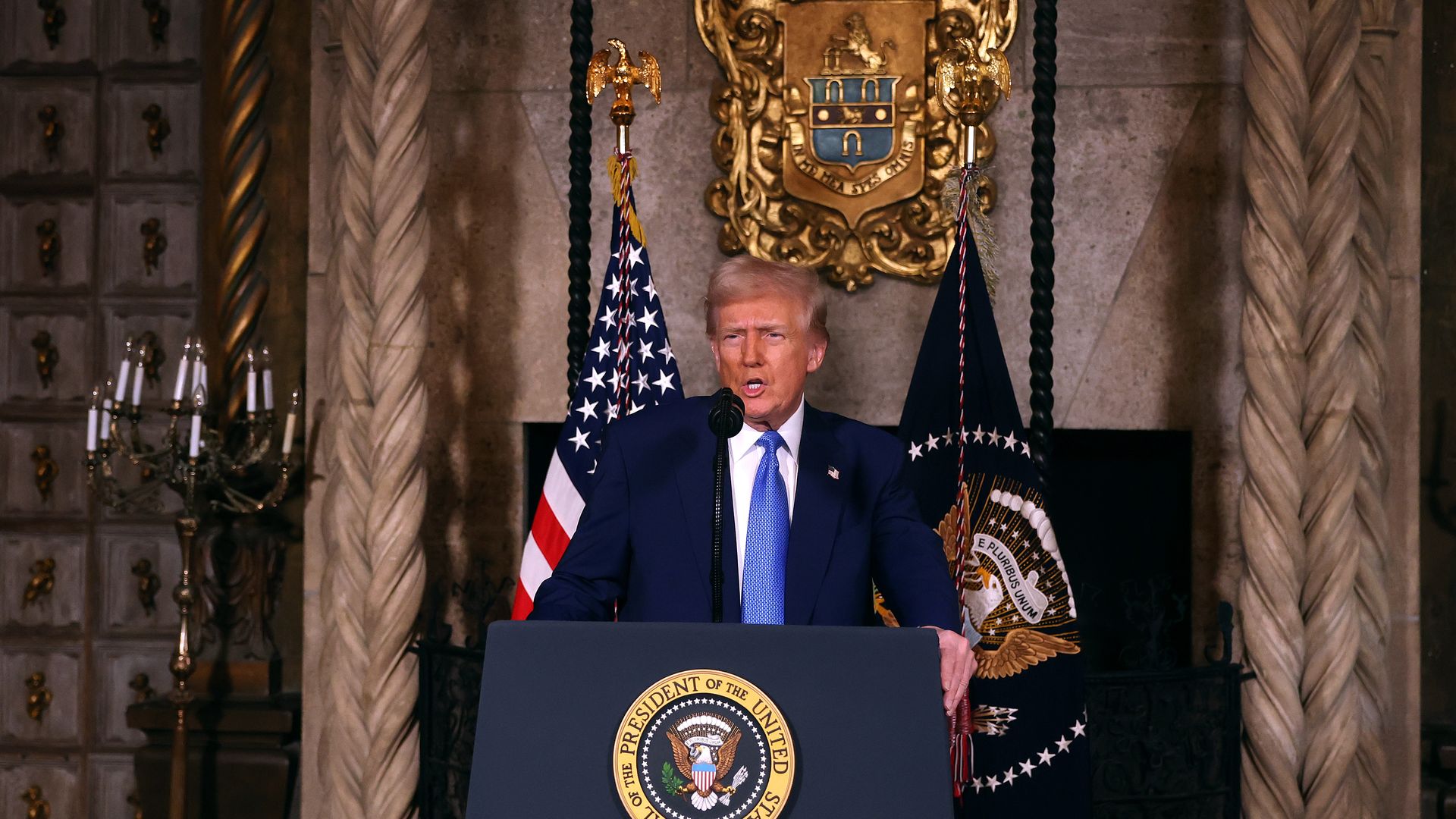
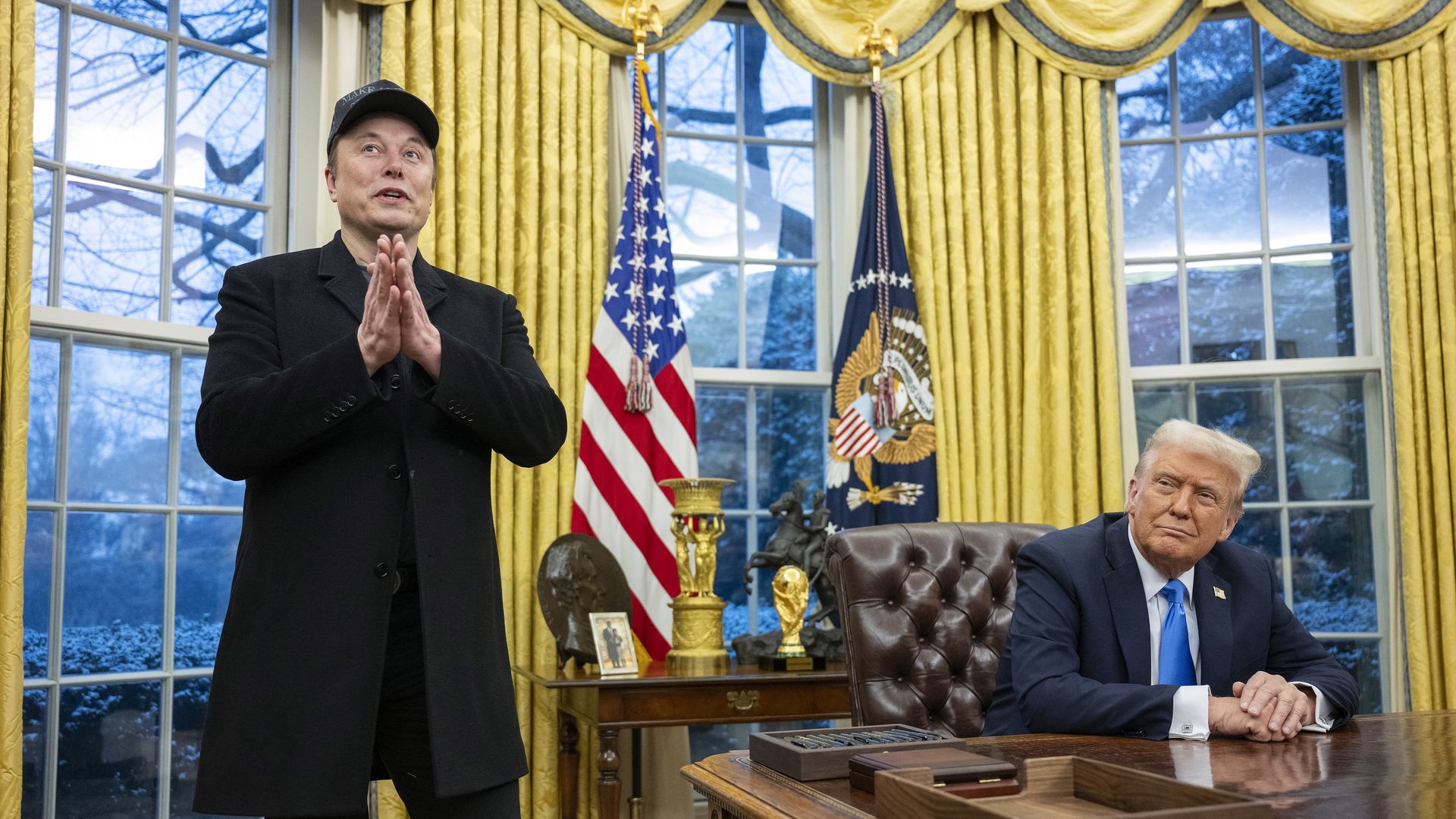
President Trump said he's considering redistributing 20% of the money saved through Elon Musk's DOGE cuts to Americans.
Why it matters: It raises questions about the potential inflationary impact of a "DOGE dividend," while economists are still debating the effect of other direct payments under previous administrations.
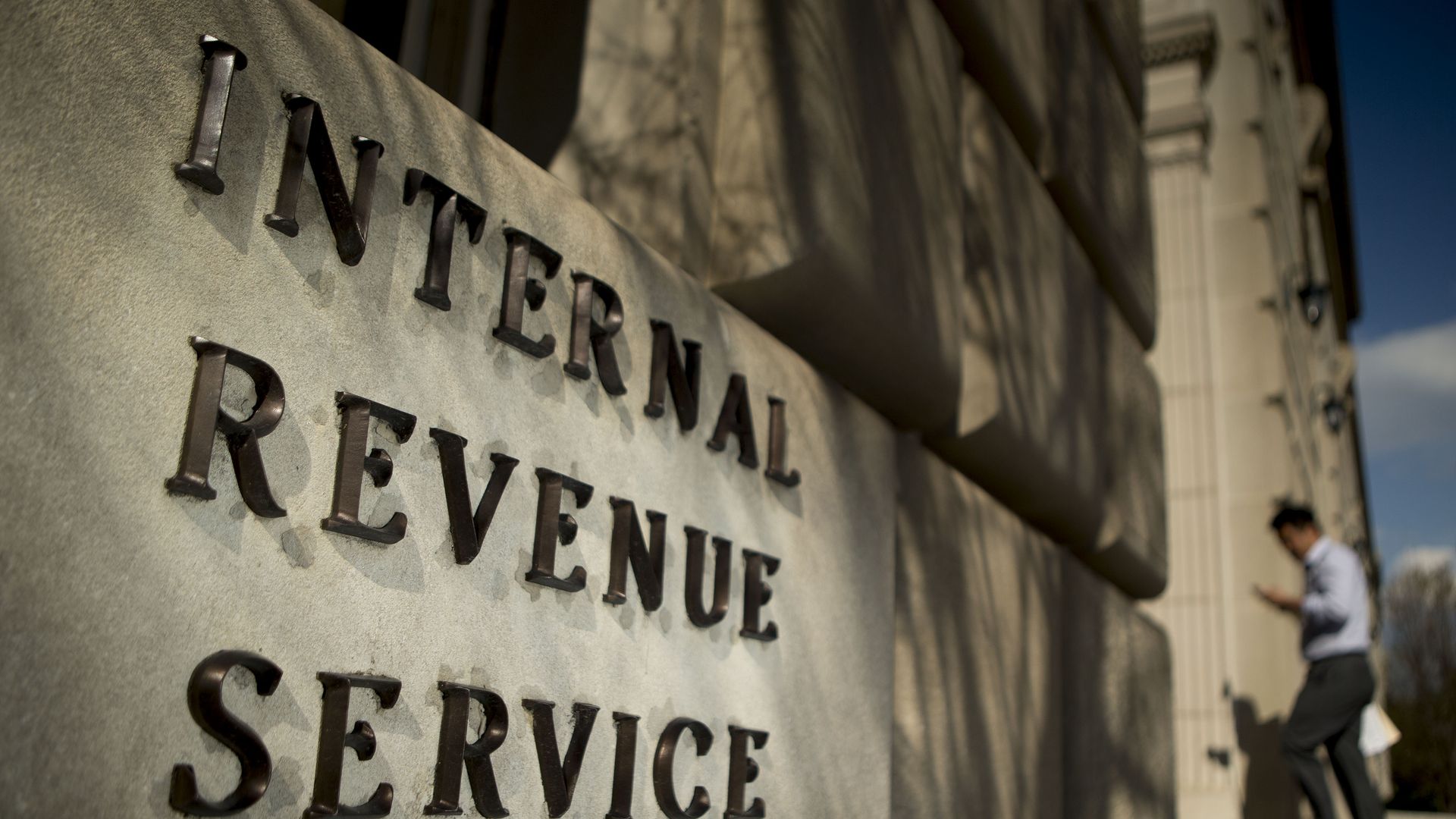
The IRS started laying off employees on Thursday, just as tax season kicks into high gear.
Why it matters: The terminations, reportedly of 6,000 relatively new workers at the agency, are part of President Trump's broader purge of the federal workforce.
A Congressional Review action could soon move on the IRS's recently updated decentralized finance broker rule.
Why it matters: With strong backing from the crypto industry, passage of the Congressional Review Act resolution would be the latest example of Congress's newfound support for digital assets.
Driving the news: The Blockchain Association went out with a letter signed by 75 of its members yesterday urging congressional leadership to move Senate Joint Resoution 3 swiftly.
Members of the association also plan to head to the hill on Feb. 26.
What they're saying: "The DeFi broker rule, finalized in the waning days of the Biden administration, represents regulatory overreach that fundamentally misunderstands the technology it attempts to regulate and ignores Congress's intent," the letter says.
A SPAC deal has brought a bitcoin-based personal finance app to the public markets.
Why it matters: Every time a crypto firm goes public, we get a bit more transparency into an industry that engenders lots of skepticism.
Driving the news: Fold went onto the NASDAQ yesterday, through a merger between Fold Inc. and FTAC Emerald Acquisition Corp., a SPAC, which was announced last year.
It's trading under FLD, and was around $10 this afternoon, down from yesterday when it was trading most of the day at around $12.
What they're saying: "Today was a pivotal moment for Fold, as we became the first publicly traded bitcoin financial services company," Will Reeves, CEO of Fold, tells Axios in an email via a spokesperson.
Texas was the first state to make its own moves to emulate President Trump's idea of governments stashing bitcoins.
Why it matters: If the federal government and multiple states end up sitting on the original cryptocurrency, that will give a lot of Americans indirect exposure to the asset, whether they like it or not.
The latest: Senate Bill 21 got a hearing in a Texas Senate committee yesterday, but no further action was taken.
Friction point: The new legislation takes a stronger position on bitcoin than a previous bill introduced in December.
That effort, House Bill 1598 from Rep. Giovanni Capriglione, would simply authorize the state to accept donations of bitcoin and to provide for certain rules about how it should be stewarded.
More money was lost on the launch of the Argentinian meme coin, LIBRA, than the winners made, according to new on-chain research by the crypto data firm Nansen.
Why it matters: It's a sign that meme coins have reached the dark phase where parasites dominate the market.
Zoom out: Another report released this month took a look at lots of political meme coins that came out, and found them overwhelmingly to be money losers that never recovered from whatever initial enthusiasm they mustered.
97% of them are 80% below their all-time high.
77% of all meme coins were Trump-related.
Yes, but: You could say the same of the whole crypto market. The top tokens cover most of the value. The long tail is (and always has been) mostly garbage. In fact, that's true about just about everything.
In November, a Texas court struck down the SEC's redefinition of a dealer under its rules, after a lawsuit by crypto advocates.
The latest: The new Trump-era SEC withdrew its appeal of the decision yesterday.
Flashback: The SEC revised its definition in February 2024 to take in more market participants.
In particular, it would have applied to people who supply liquidity to automated market makers, such as Uniswap and Curve Finance, which the industry objected to.
The bottom line: It finalizes another loss amidst the many such cases for the agency under Gary Gensler's leadership.
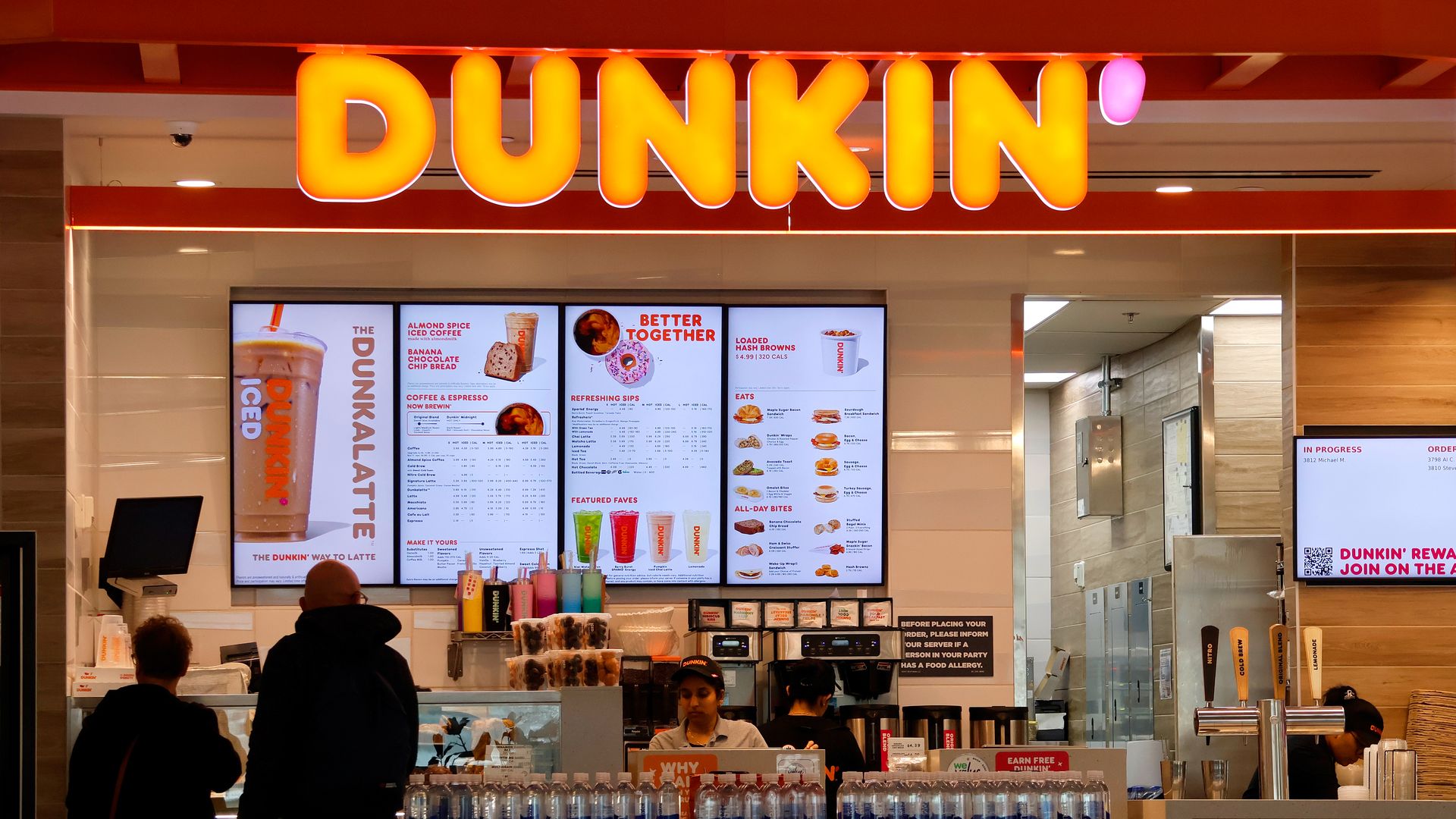
Dunkin' will stop charging its long-standing nondairy milk fee starting March 5, the company confirmed to Axios.
Why it matters: Companies have been under pressure over fees on milk alternativesfrom advocacy groups that include PETA, Switch4Good and Mercy For Animals. They have also faced lawsuits over the fees.
Bond markets are betting that inflation will stay elevated in the years ahead, and some evidence from business surveys and forecasters points in the same direction.
Why it matters: This belief suggests the Trump administration and the Federal Reserve face a headwind in securing a return to low inflation — concerns that have escalated just in the last few weeks, as the president has threatened tariffs on a variety of U.S. trading partners.
President Trump has signed more than 75 executive orders, memos and proclamations during his first few weeks in office at a pace that surpasses his most recent predecessors'.
The big picture: The executive actions reflect much of Trump's rhetoric on the campaign trail: reducing diversity, equity and inclusion initiatives; cracking down on immigration; and formalizing "America First" foreign policy.
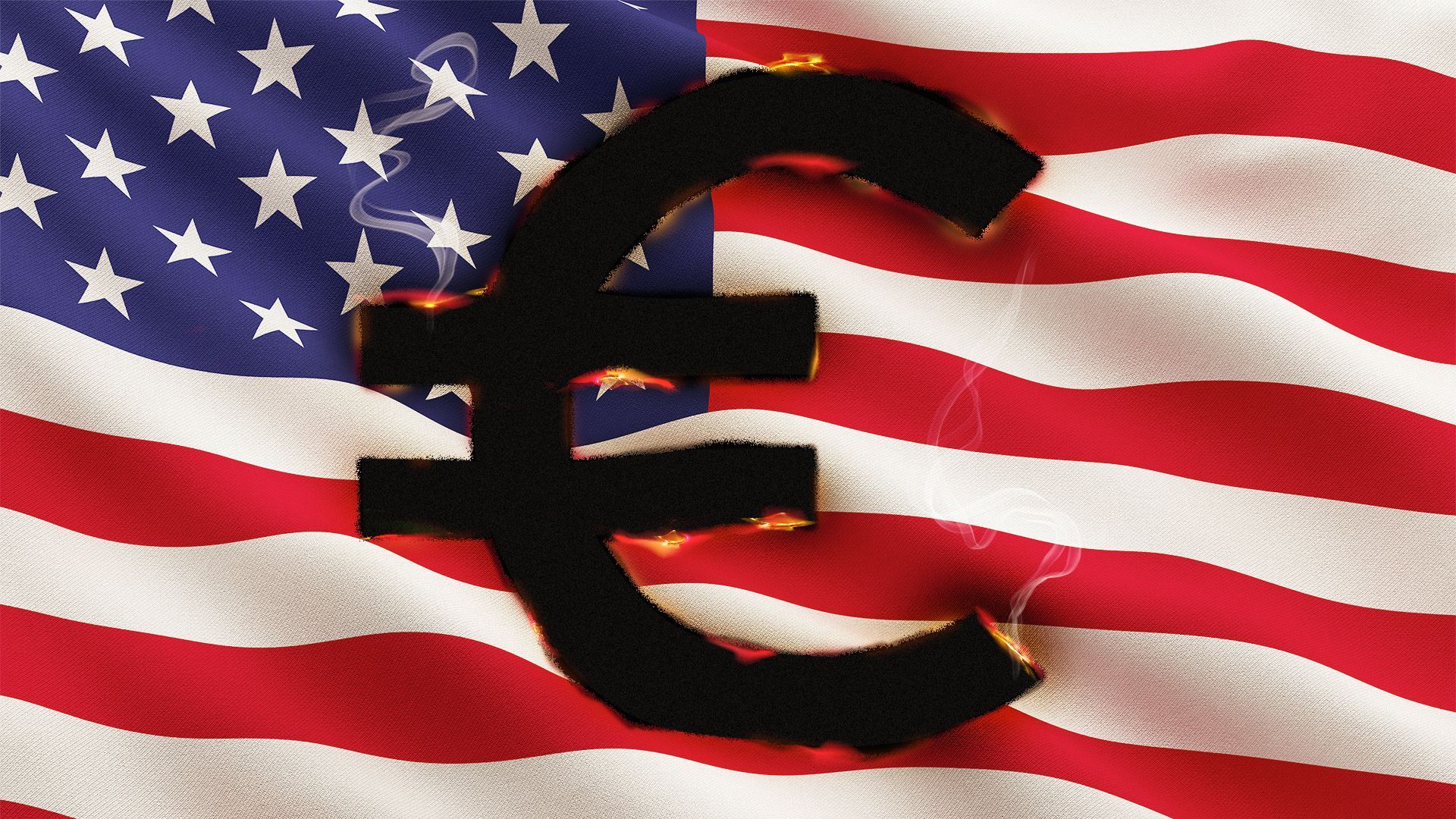
As Donald Trump pivots away from Europe and toward Russia, he's putting at risk the deepest and most important economic relationship in the world: that between the U.S. and Europe.
Why it matters: The U.S. economy has reaped enormous dividends from the way in which the U.S. government has provided a security guarantee to Europe. If that guarantee goes away, the dividends might, too.
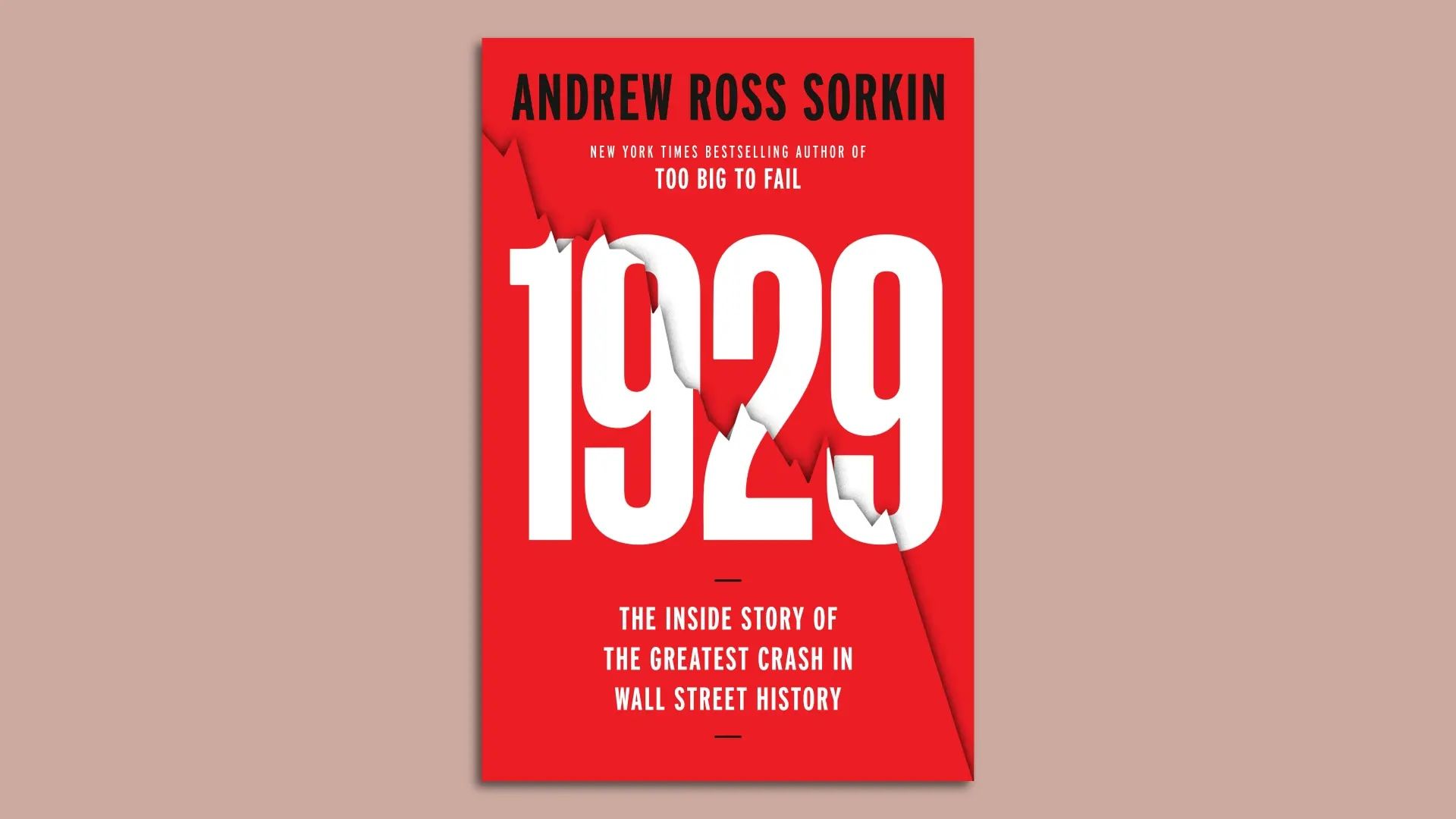
Andrew Ross Sorkin has been quietly working on this for eight years: He'll be out this fall with "1929: The Inside Story of the Greatest Crash in Wall Street History," told as an immersive, electrifying "tale of power, psychology, and the seductive illusion that 'this time is different.'"
Think of it as a prequel "Too Big to Fail," Sorkin's definitive history of the 2008 banking crisis, which was on the New York Times bestseller list for over six months.
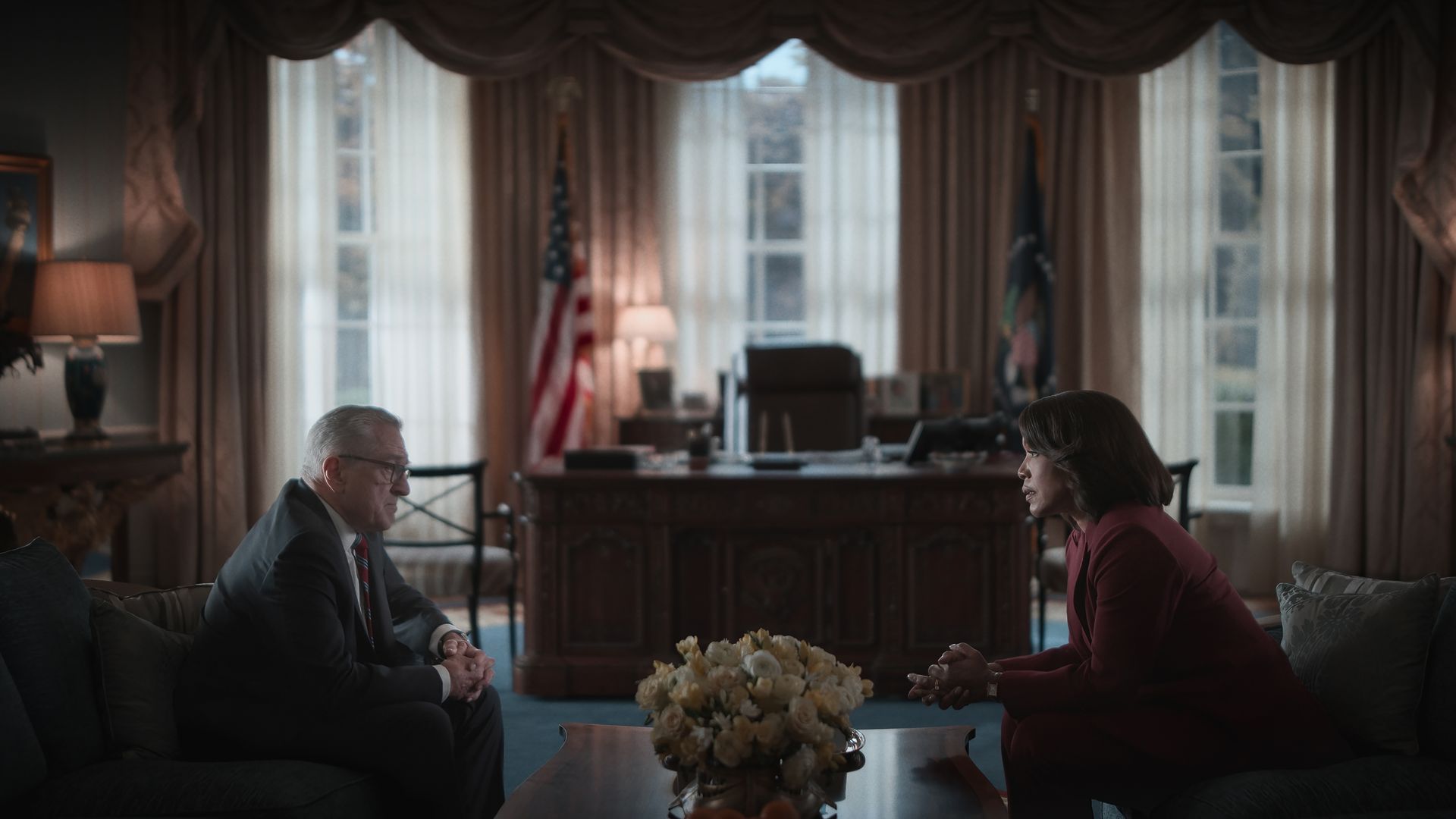
Here's what's new on Netflix, Max, Apple TV+, Disney+, Prime Video, Paramount+ and Hulu.
What we're watching: A star-studded political drama, a recap of the 2024 MLS season and the little-known story of the time college players beat the Dream Team.
President Trump's first month in office has exceeded the wildest dreams of his most loyal supporters, and the darkest nightmares of his fiercest detractors.
Why it matters: Both groups can agree: The America that Joe Biden left behind on Jan. 20 is no longer recognizable, erased in four frenetic weeks by an empowered, implacable and historically popular MAGA presidency.