You know things are getting bad when people start hatching plots to steal eggs.
Catch up quick: Pennsylvania state police are scrambling for tips after someone swiped 100,000 eggs from the back of a trailer several days ago, AP reports.
It's not clear if the thieves were motivated by the skyrocketing cost of eggs due to the bird flu ravaging the nation's supply.
Threat level: The eggs — which were reportedly taken from the back of a Pete & Gerry's Organics' distribution trailer — were valued at about $40,000, making this a felony.
💭 Nathan's thought bubble: This case won't be over easy.
A federal judge on Thursday pushed back the deadline for government employees to decide whether or not to take the "buyout" offer from the Trump administration.
Why it matters: The deadline had been midnight Thursday, but there is now a restraining order until Monday.
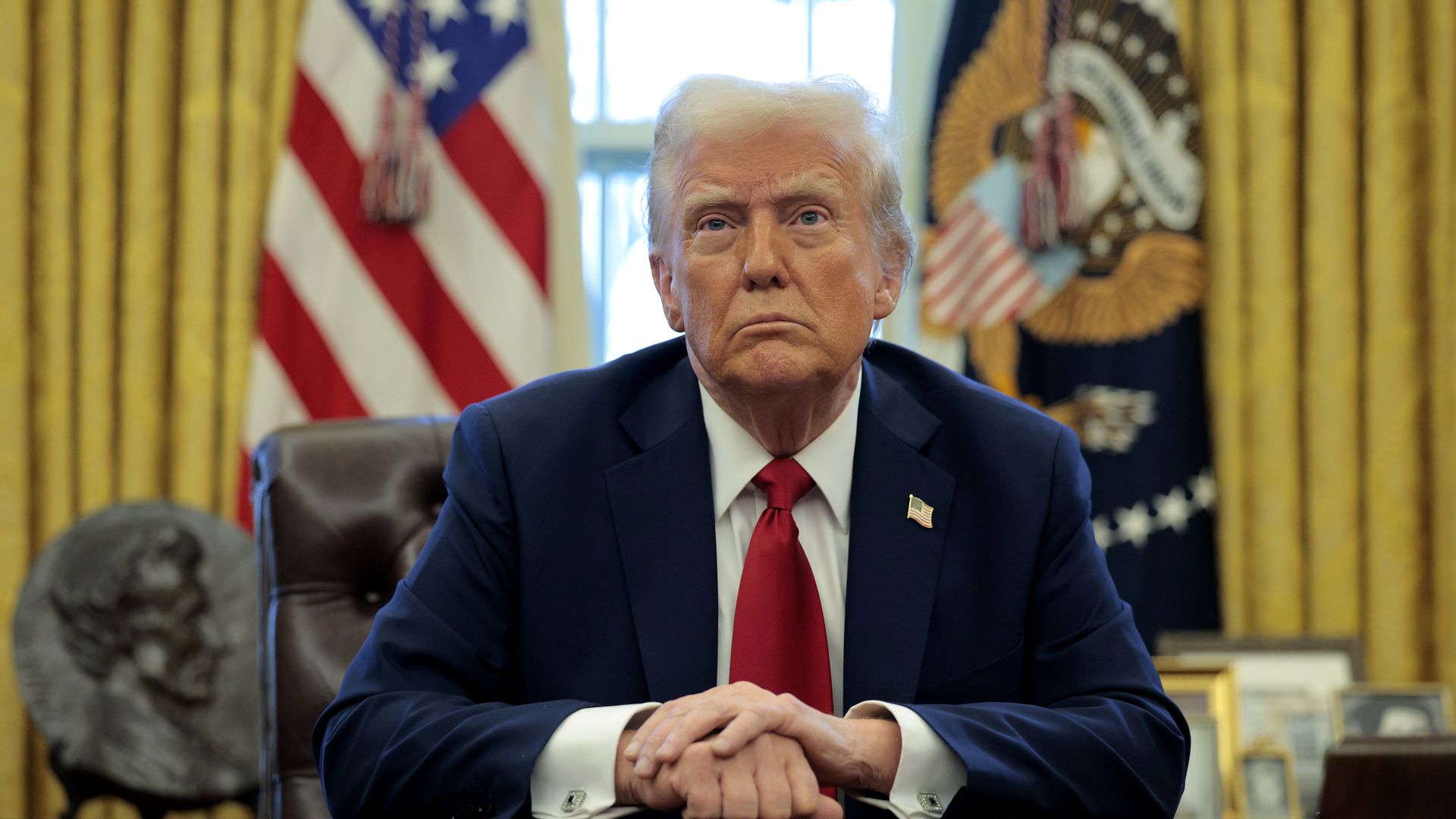
When President Trump demanded lower interest rates two weeks ago, it looked like a return to his 2018-vintage Fed jawboning. But his administration's stance on interest rates now looks more subtle.
Why it matters: The new administration seeks to bring long-term interest rates lower, Treasury Secretary Scott Bessent said Wednesday — and Fed rate cuts aren't necessarily the way to achieve that.
Honeywell on Thursday announced that it will split into three separate businesses, following pressure from activist investor Elliott Investment Management.
Why it matters: This is the latest in a recent series of high-profile industrial breakup plans, following General Electric and Emerson Electric. Plus Belgian cement giant Titan Cement seeking to spin off its U.S. business via IPO.
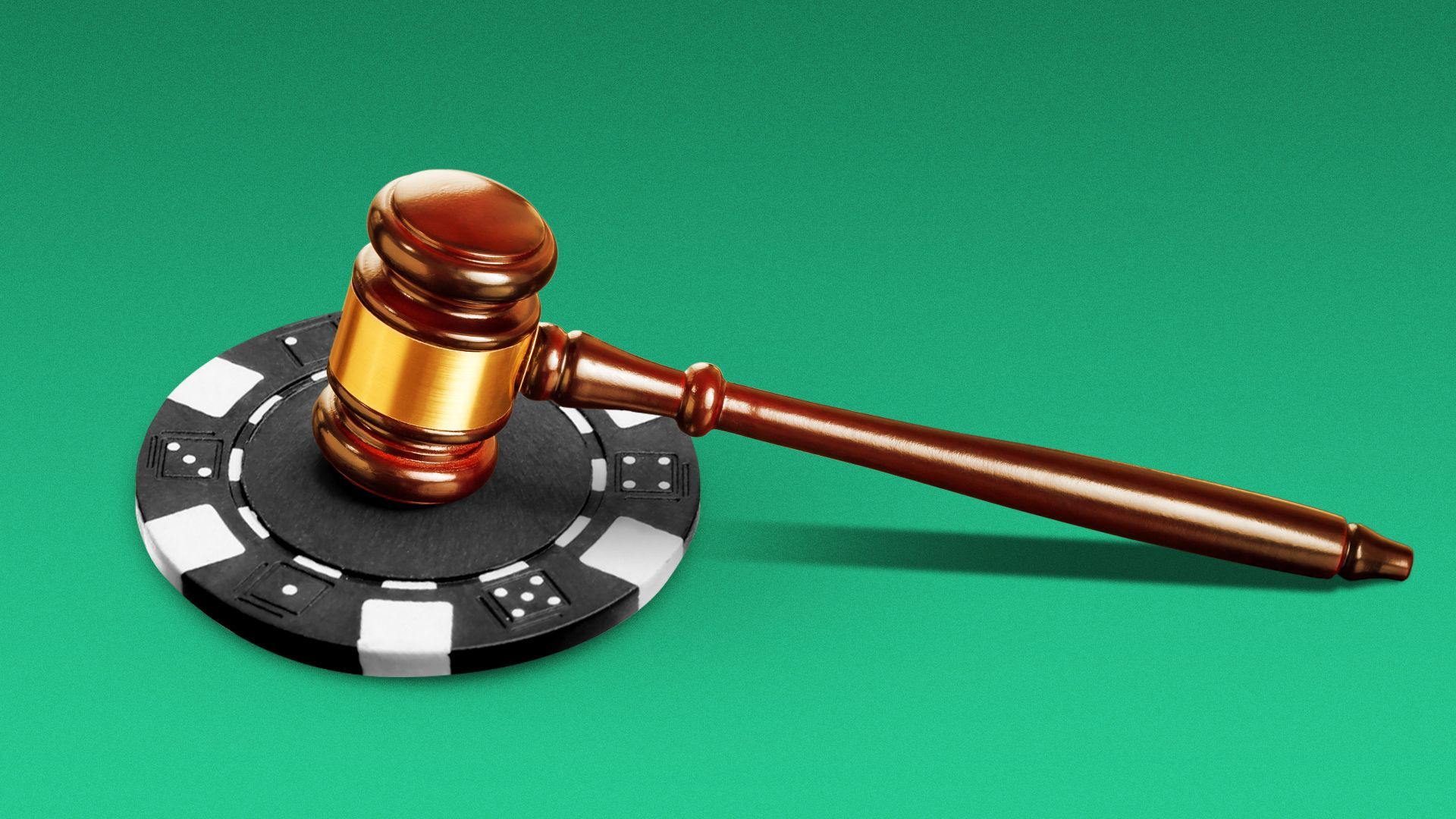
It's been more than two years since Bally's won the right to build a riverfront casino in Chicago, but some of the IPO financing now is being threatened by a civil rights lawsuit.
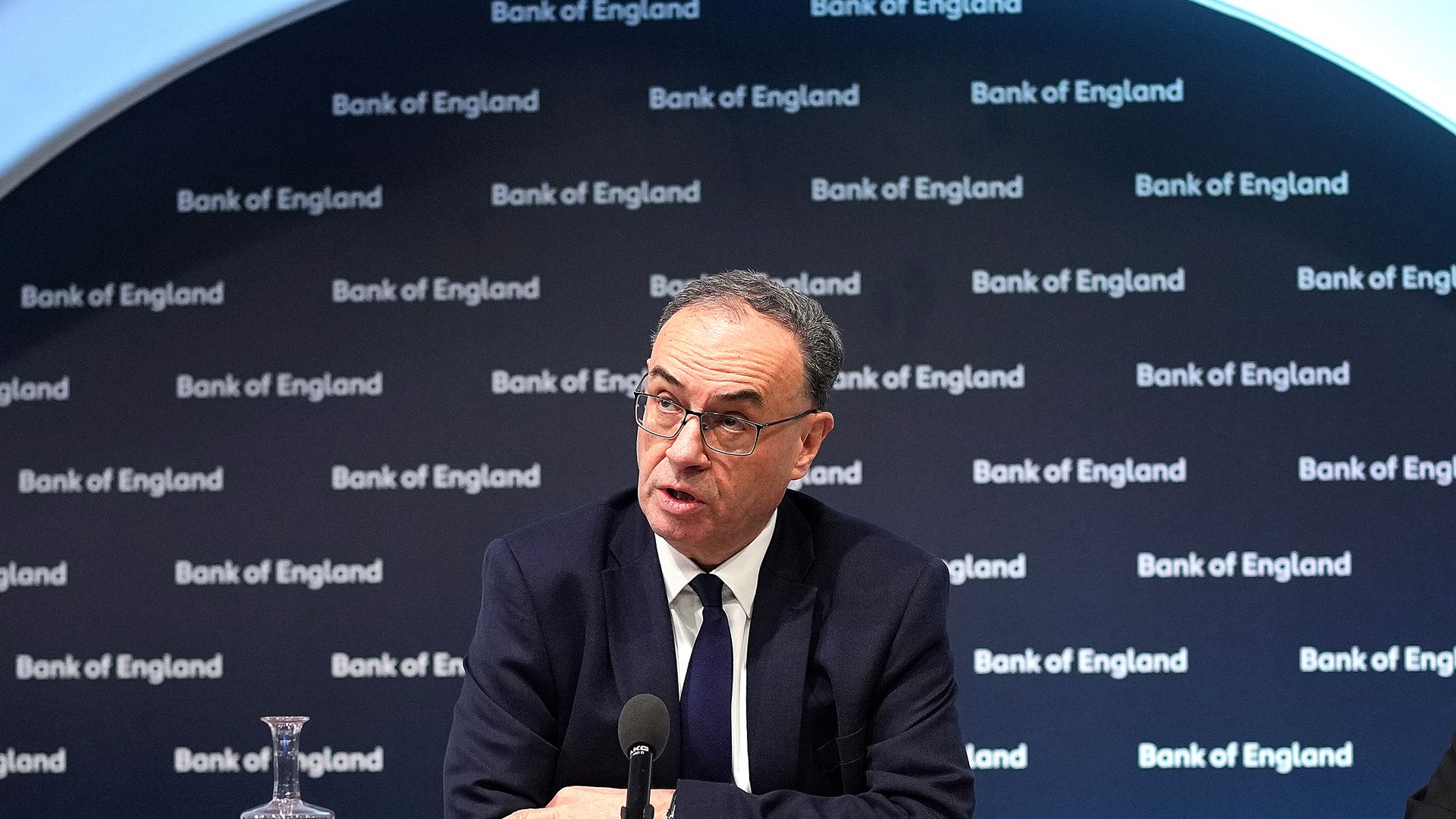
Why it matters: The central bank now expects the U.K. to grow slightly, alongside somewhat higher inflation risks — a toxic mix that could weigh on a global economy that might already take a hit from Trump tariffs.
A sovereign wealth fund of the kind proposed by President Trump, likely funded by debt and primarily investing in domestic assets, violates nearly all of the principles that usually undergird the asset class.
Why it matters: Dani Rodrik, a Harvard economist known for his support for industrial policy and government involvement in markets, tells Axios that this particular proposal "makes no sense at all."
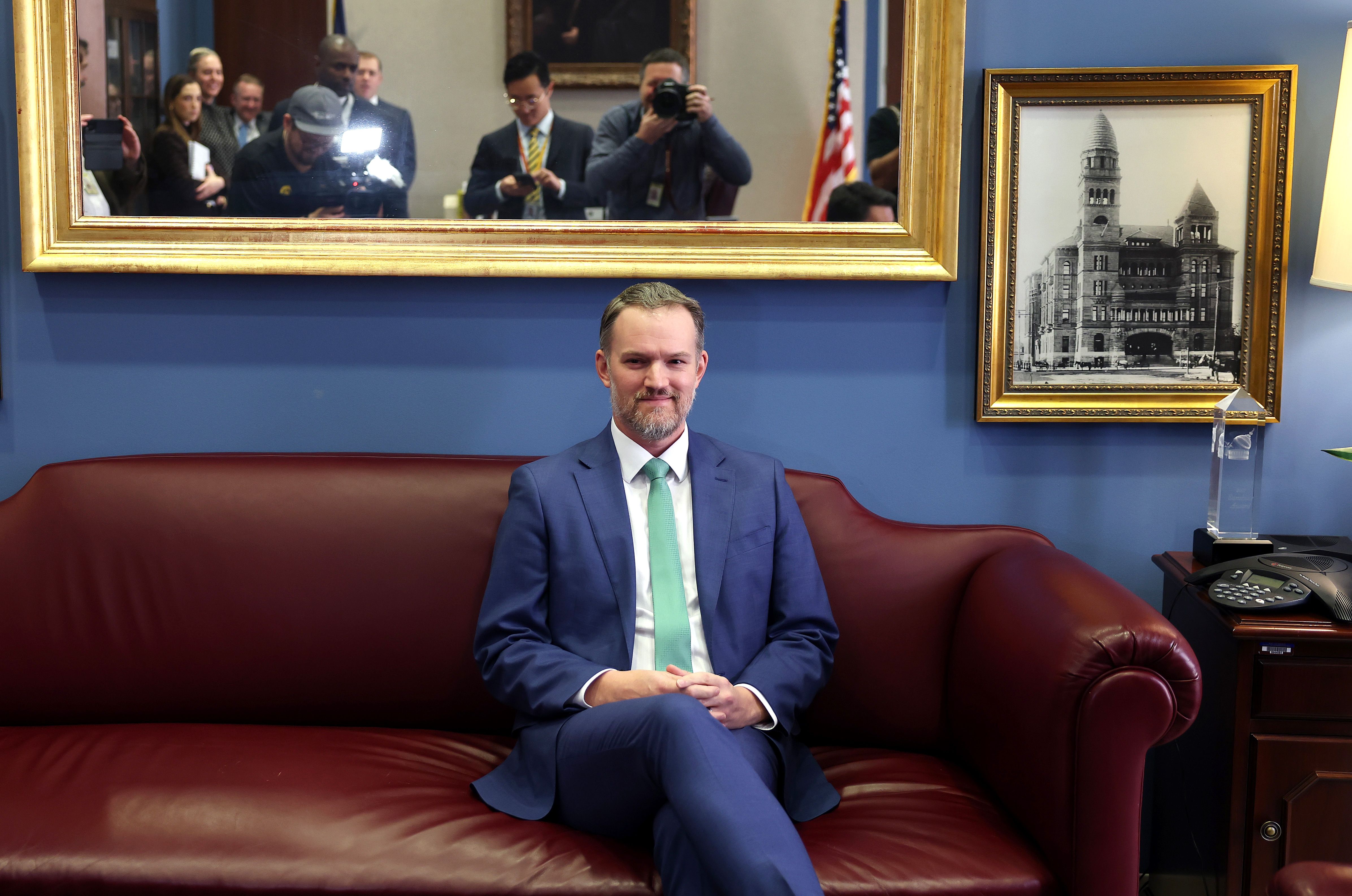
U.S. Trade Representative nominee Jamieson Greer meets with Sen. John Cornyn (R-Texas) last month. Photo: Kevin Dietsch/Getty Images
Jamieson Greer — President Trump's pick to be U.S. trade representative — will tell the Senate Finance Committee at his confirmation hearing Thursday that "America should be a country of producers. We are more than just what we consume."
Why it matters: Greer, a protégé of former Trump trade chief Robert Lighthizer, will hold one of the tariff-happy administration's most important positions.
A new season of "The Kardashians" and "Invincible" and a workplace comedy about Gen Z are among the top new titles this week on Hulu, Prime Video, Tubi and Netflix.
The latest: In the season premiere, we follow Kim as she visits former Vice President Kamala Harris at the White House to discuss prison reform, the family celebrates Kourtney's 45th birthday at IHOP and Khloé reunites with estranged ex-husband Lamar Odom.
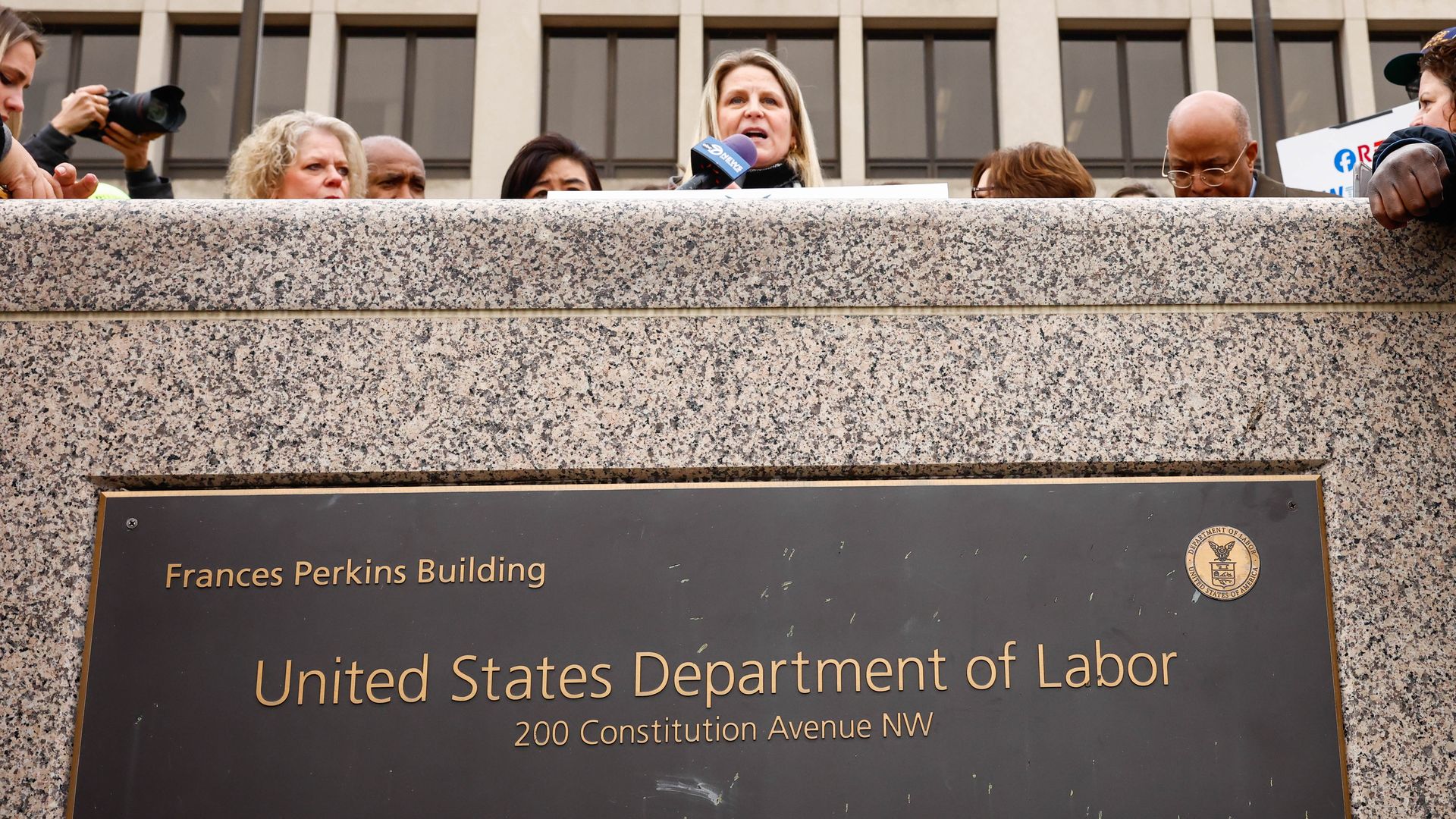
A coalition of labor groups filed suit Wednesday seeking to stop DOGE from coming to the Labor Department and gaining access to some of the world's most vital macroeconomic data.
Why it matters: This isn't the first lawsuit against Elon Musk's so-called Department of Government Efficiency, but appears to be one of the first filed as a preventative measure — instead of after some major action.
Anchorage Digital, a crypto-bank that got debanked, testified before a Senate committee Wednesday on behalf of its industry, one that claims it has had an unfairly hard time holding onto financial services in recent years.
Why it matters: Perceived widespread debanking — the term for when a bank denies or closes specific customer accounts for any number of often unexplained risks — has spurred accusations from the crypto world of a targeted government crackdown on the industry since early in 2023.