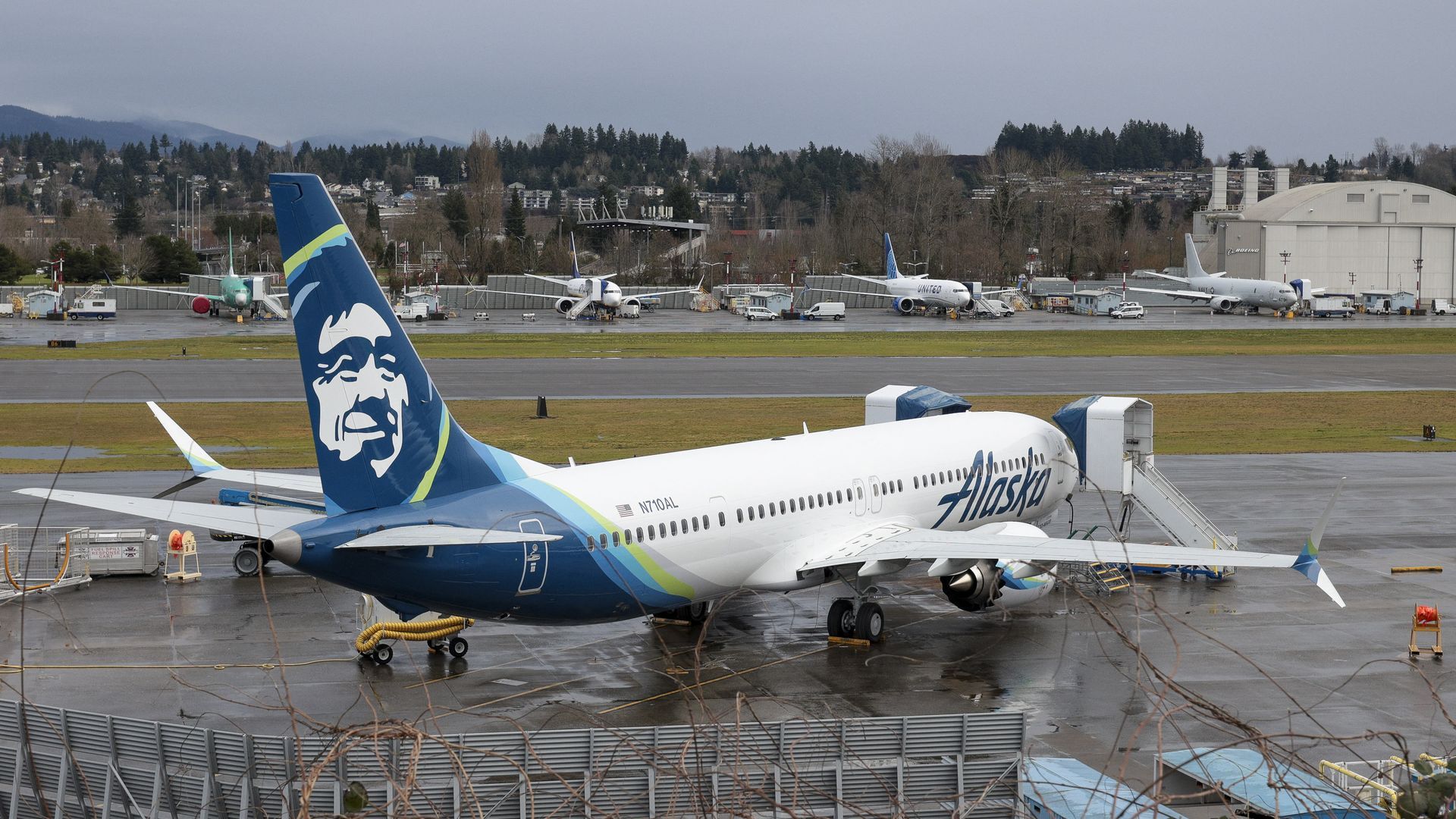
Boeing has resumed production of its 737 Max as it tries to put a nightmarish year behind it.
Why it matters: The jet maker is trying to get back on its feet after a bruising strike and a series of quality and safety breakdowns that have undermined production, deliveries and its bottom line.
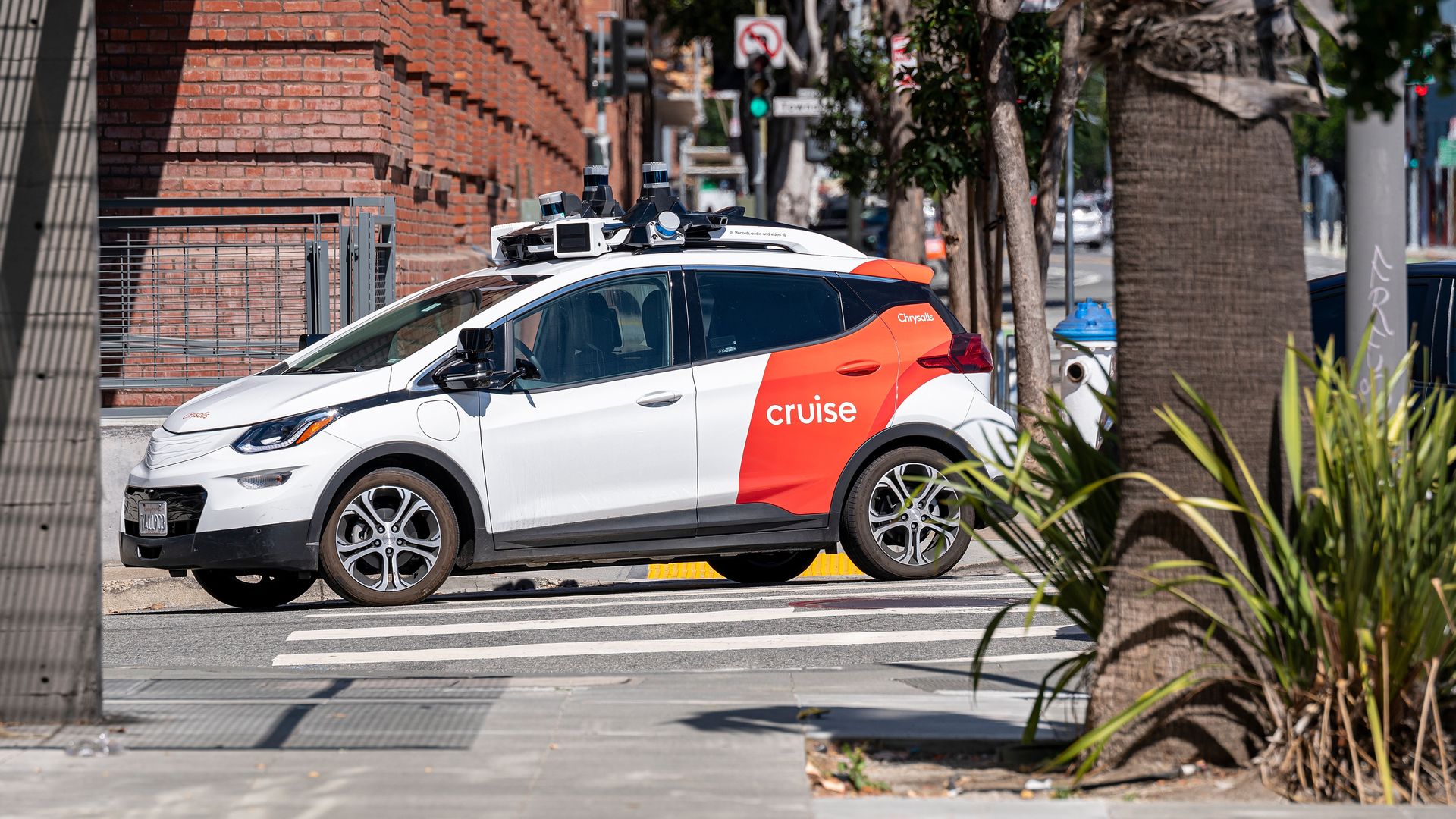
General Motors is shutting down its Cruise robotaxi project, citing intense competition for self-driving cars and the steep costs associated with developing them.
Why it matters: GM had heralded the Cruise as central to its self-driving vehicle strategy.
A federal court on Tuesday issued a preliminary injunction against the proposed merger of grocery giants Kroger and Albertsons, siding with the Biden administration.
Why it matters: The ruling, according to Kroger's own assertion, is certain to doom the merger.
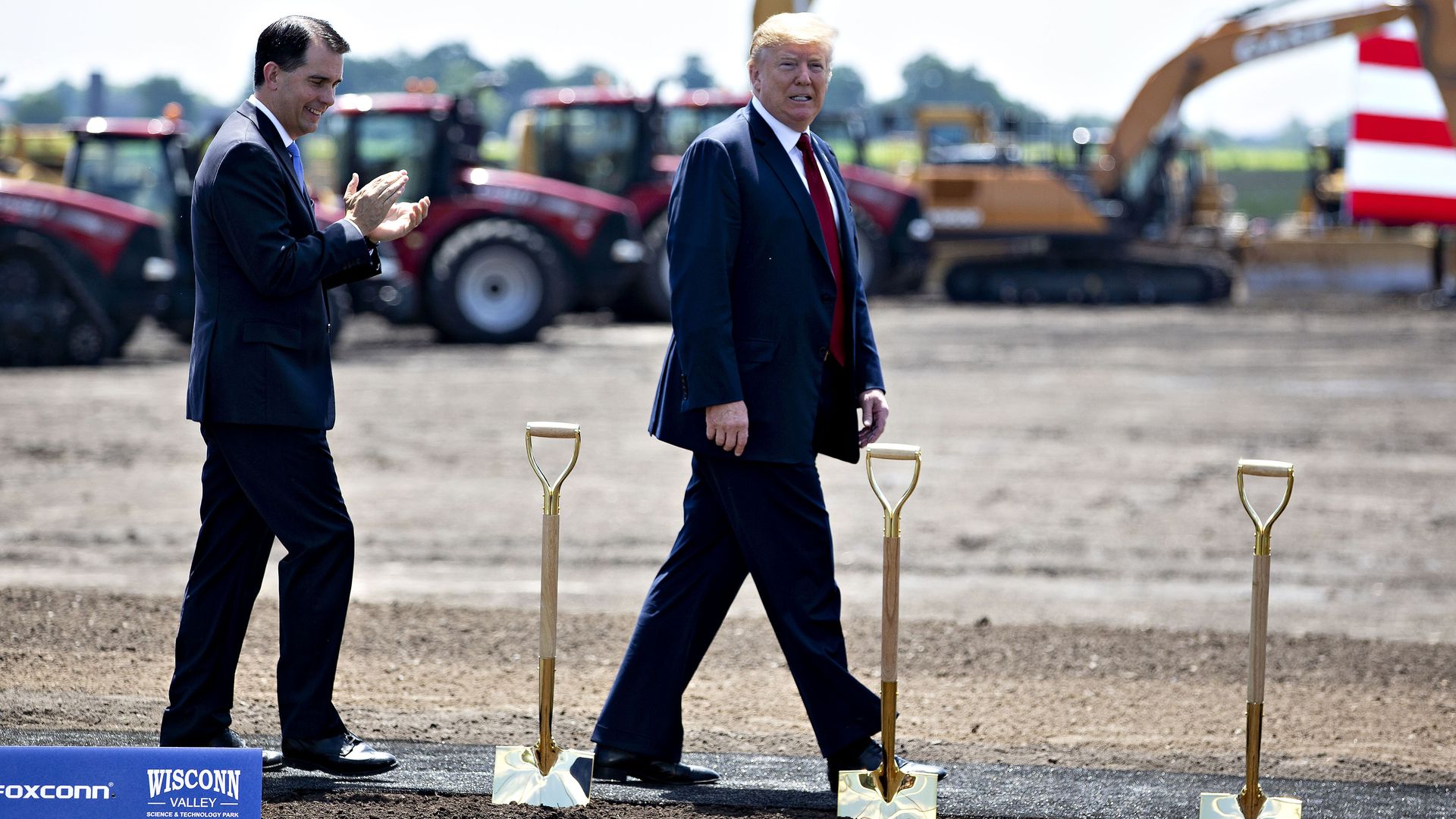
President-elect Trump promised an expedited pathway to permits and project approvals for anyone investing $1 billion in the United States.
Why it matters: It's not clear who would be eligible, or for what kind of projects, nor how the federal government would do away with the usual labyrinth of regulatory hurdles.
If you're reading this from Washington, D.C., you might have seen TV ads about the vote tomorrow to re-appoint SEC commissioner Caroline Crenshaw.
Why it matters: On the five-person commission where she was appointed in 2020, Crenshaw is widely seen as an ally of Gary Gensler, the securities regulator's outgoing chair who made no friends in the crypto industry during his tenure.
Catch up quick: Crenshaw's term is ending, but she's been renominated to serve another until 2029.
Trade organizations have jumped in to raise objections, including Stand With Crypto, the Blockchain Association, the DeFi Education Fund and Coinbase founder Brian Armstrong.
Zoom out: While he has his share of critics, praise for Atkins has come from beyond just the blockchain industry.
John Reed Stark, who has attained his current prominence by being a cheerleader for the Biden SEC, has come out in favor of Atkins as, potentially, the best pick possible.
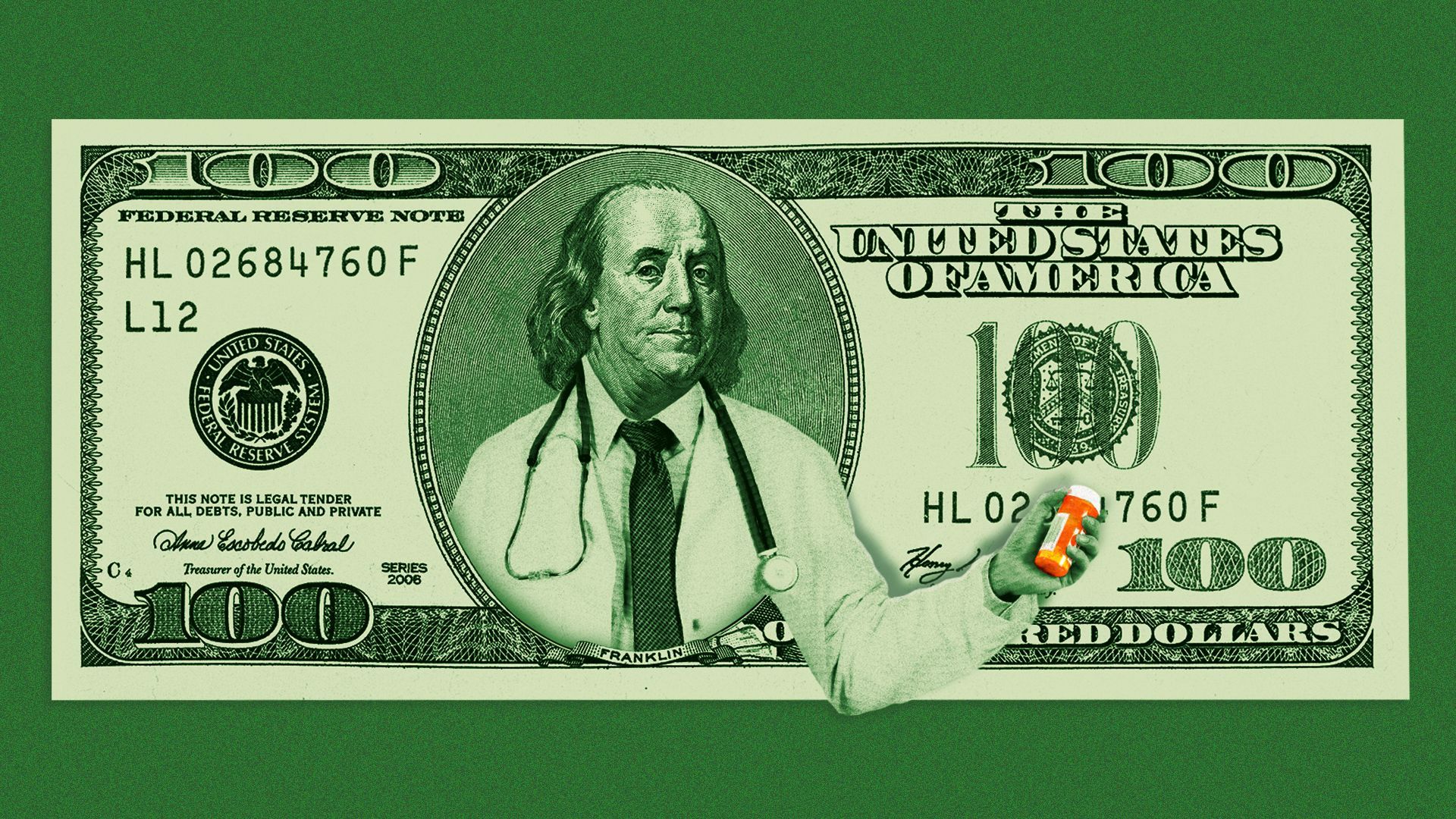
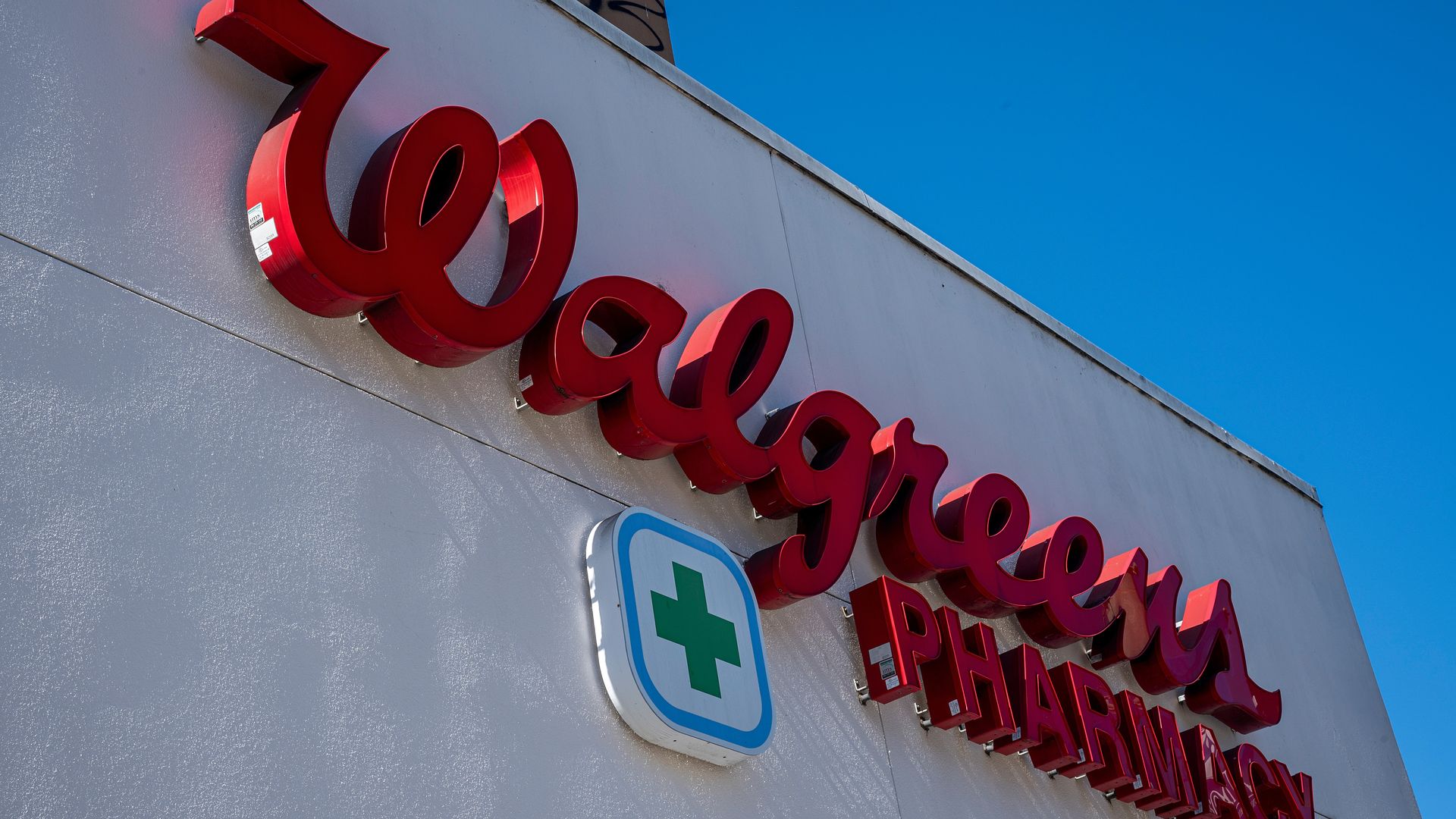
Walgreens shares spiked more than 20% on Tuesday, following a Wall Street Journal report that the company is in talks to be taken private by private equity firm Sycamore Partners.
Why it matters: Walgreens is the country's second-largest non-grocery pharmacy chain, with over 12,000 locations.
Nippon Life Insurance of Japan is in advanced talks to buy control of Bermuda-based insurer Resolution Life from investors like private equity giant Blackstone for $8.2 billion, as first reported by Nikkei.
Why it matters: It would be the largest-ever acquisition by a Japanese insurer, and reflects how the sector is seeking to diversify as the domestic population ages and shrinks.
Nvidia, the key backbone in global AI infrastructure and 2024's most important stock, has a new distinction: giant corporate ping pong ball caught up in U.S.-China tensions.
Why it matters: Geopolitical forces bearing down on the U.S. tech giant could have far-reaching ripple effects for investors and tech ecosystems.
Gas prices haven't been this low since spring 2021.
Why it matters: Displayed prominently on big signs everywhere you drive, prices at the pump are a key economic indicator for the general public.
The recent lows are a big sign that inflation is increasingly in our rear-view mirror.
And, of course, the lower prices are happy news for drivers — especially ahead of the holiday driving season.
By the numbers: The average gallon of gas cost $2.98 on Monday, and has been under $3 since Saturday, according to GasBuddy data.
Between the lines: The good news comestoo late for the Biden administration, which suffered politically when inflation and the war in Ukraine drove prices above $5 a gallon in 2022.
Instead, low gas prices are more likely to benefit President-elect Donald Trump, who campaigned on bringing them down.
Stunning stat: The average American worker now needs to put in just 5.44 minutes of work to buy an average gallon of gas, GasBuddy analyst Patrick De Haan writes.
Outside of the COVID-19 pandemic (when fewer people were driving and prices plummeted), that's the fewest since 2015.
What's next: Gas prices typically drop in autumn and winter, as Americans drive less in cooler weather, reducing demand.
"We'll likely continue to see additional downward pressure on gas prices, with the national average potentially falling another 10 to 15 cents by Christmas," De Haan writes.
The U.S. military is again pausing Osprey aircraft flights following a near-crash last month.
Why it matters: This is the latest setback for the U.S. Osprey fleet, which was temporarily grounded last year following a series of fatal crashes in recent years.
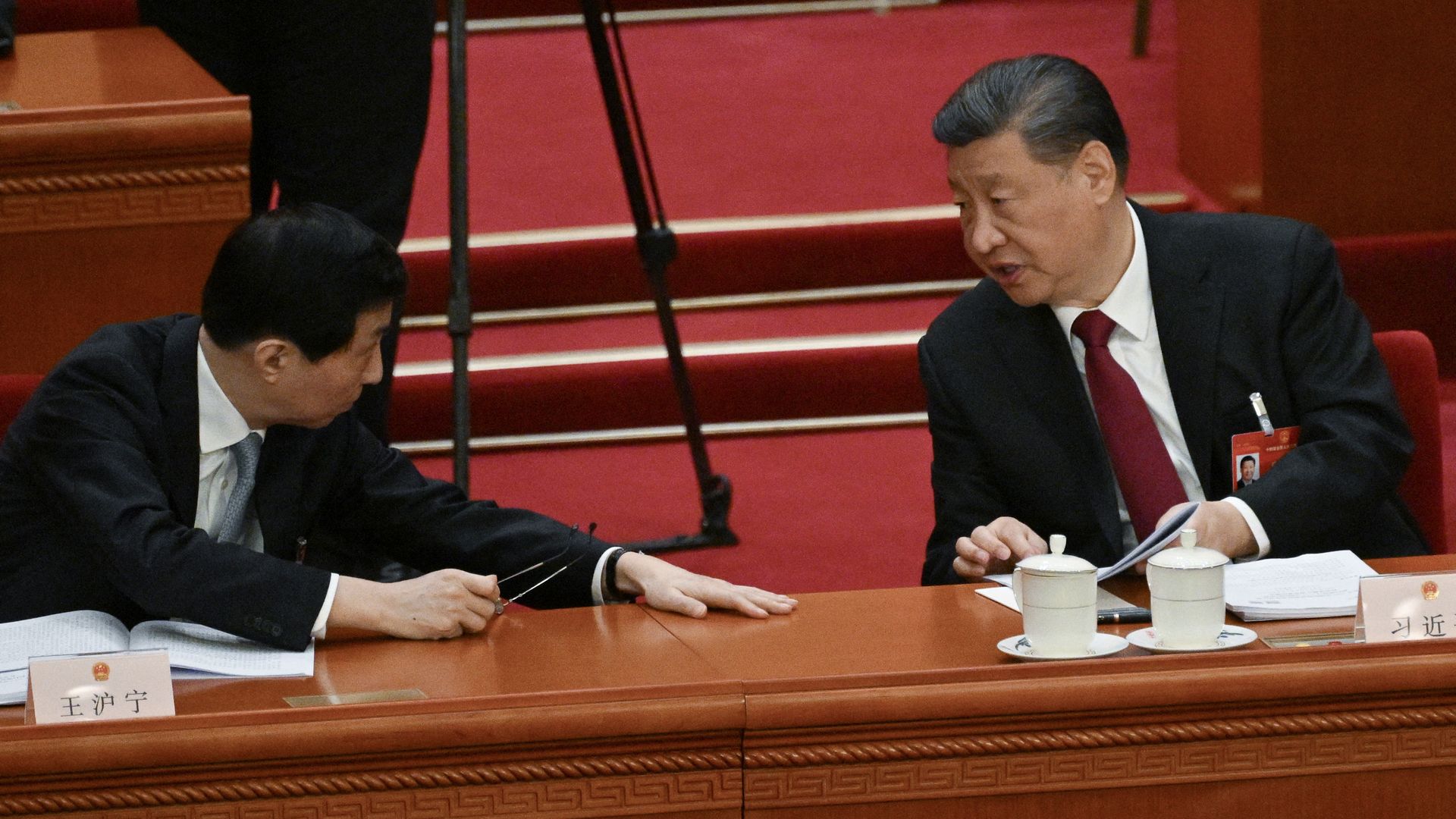
The Chinese government is turning to an old strategy to stimulate activity: easier money and more fiscal spending.
Why it matters: China's economic challenges include a massively overbuilt and debt-heavy property sector, overreliance on export-oriented manufacturing, and inadequate consumer demand.
Why it matters: Europe's economic powerhouses, Germany and France, no longer look like the reliable centers of political and economic stability of years past.
GovSignals, a startup that uses AI to help clients find and bid on government contracts, has raised $5.5 million in seed funding led by Unusual Ventures.
Why it matters: Federal government procurement may be at an inflection point, thanks to the DOGE effort being spearheaded by Elon Musk and Vivek Ramaswamy.








/2024/12/09/1733781271548.gif?w=3840)