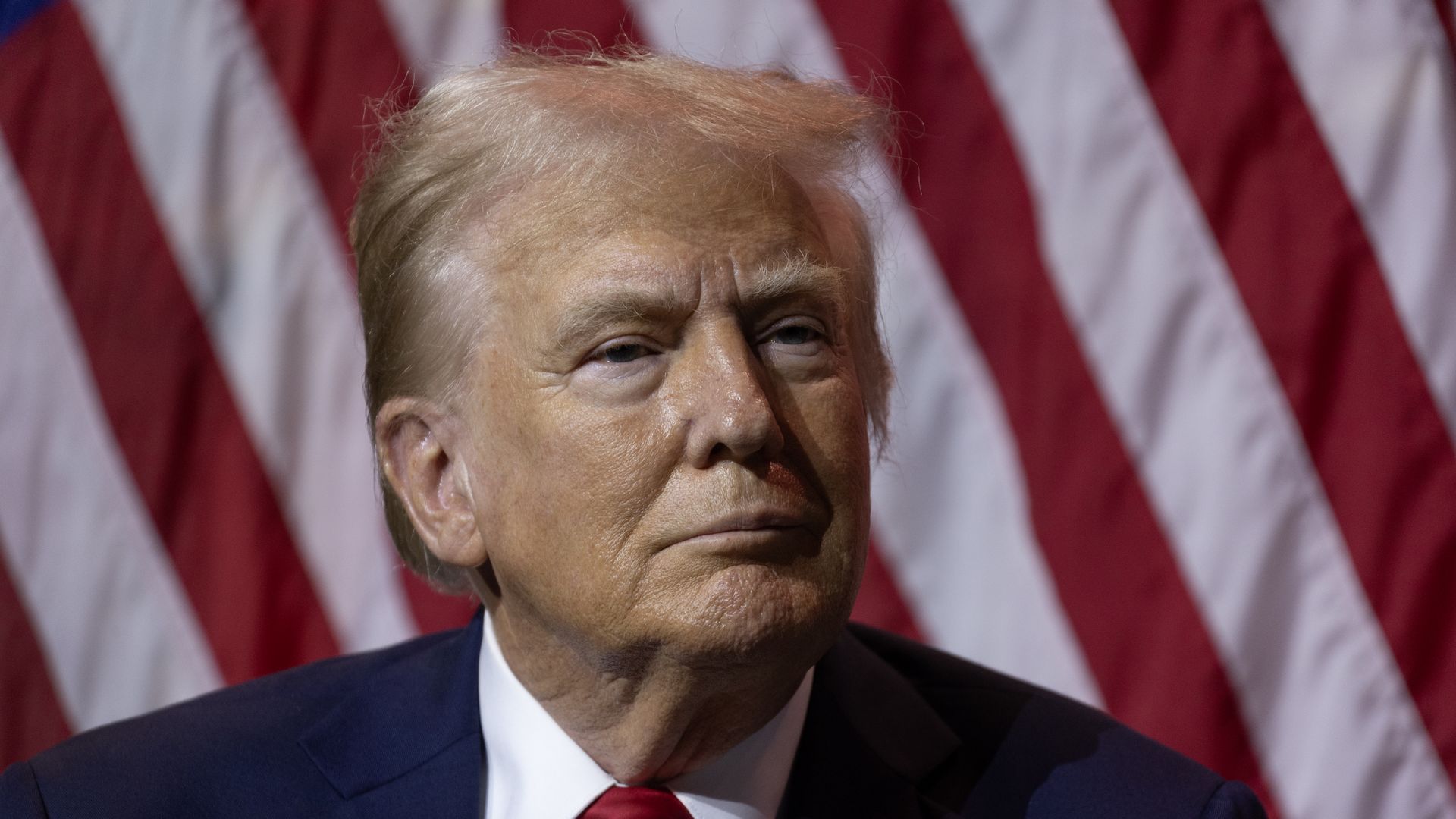
Why it matters: The remarks, made at the National Association of Black Journalists annual convention, are not only out of step with the reality of the U.S. economy, they also reinforce stereotypes about the kind of work Black people do.
Uber and Chinese EV-maker BYD are gearing up to build what appears to be the start of a global robotaxi service.
Why it matters: Their partnership, announced today, comes ahead of Tesla's robotaxi product launch — which was recently pushed back to October from August.
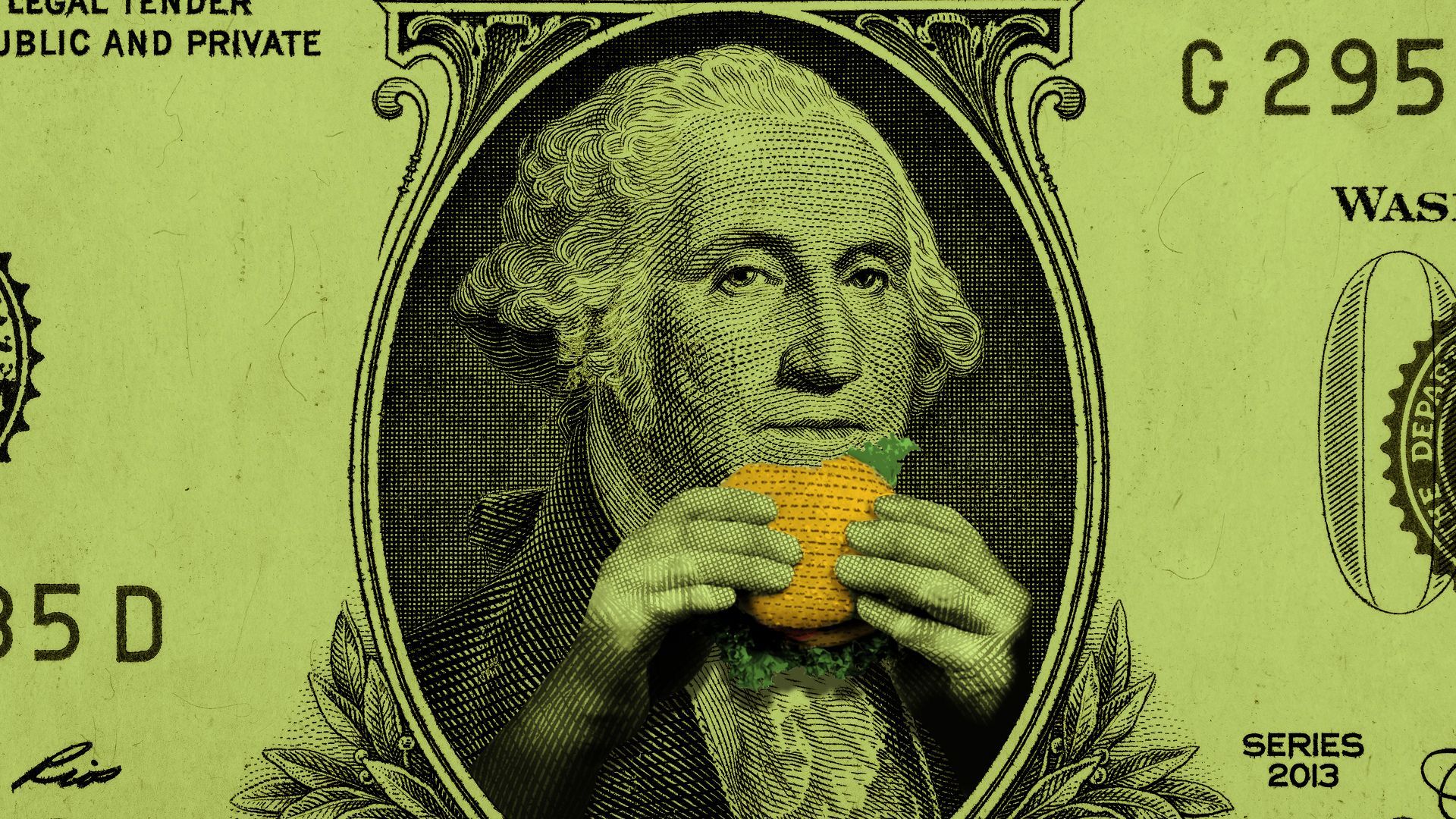
McDonald's $5 meal deal is driving traffic and sales for U.S. restaurants, which experienced a "notable" bump from the promotion, according to a memo obtained by Axios.
Why it matters: Restaurant chains have been under pressure to promote affordability and value to entice consumers to eat out instead of eating at home.
Front-row first class and economy spots are some of travelers' favorite airplane seats, new data finds.
Driving the news: Seats 1A, 7F and 7A — all front-row window seats in their respective classes — are the most popular options based on a typical Boeing 737-800 seat map, per Upgraded Points' recent survey.
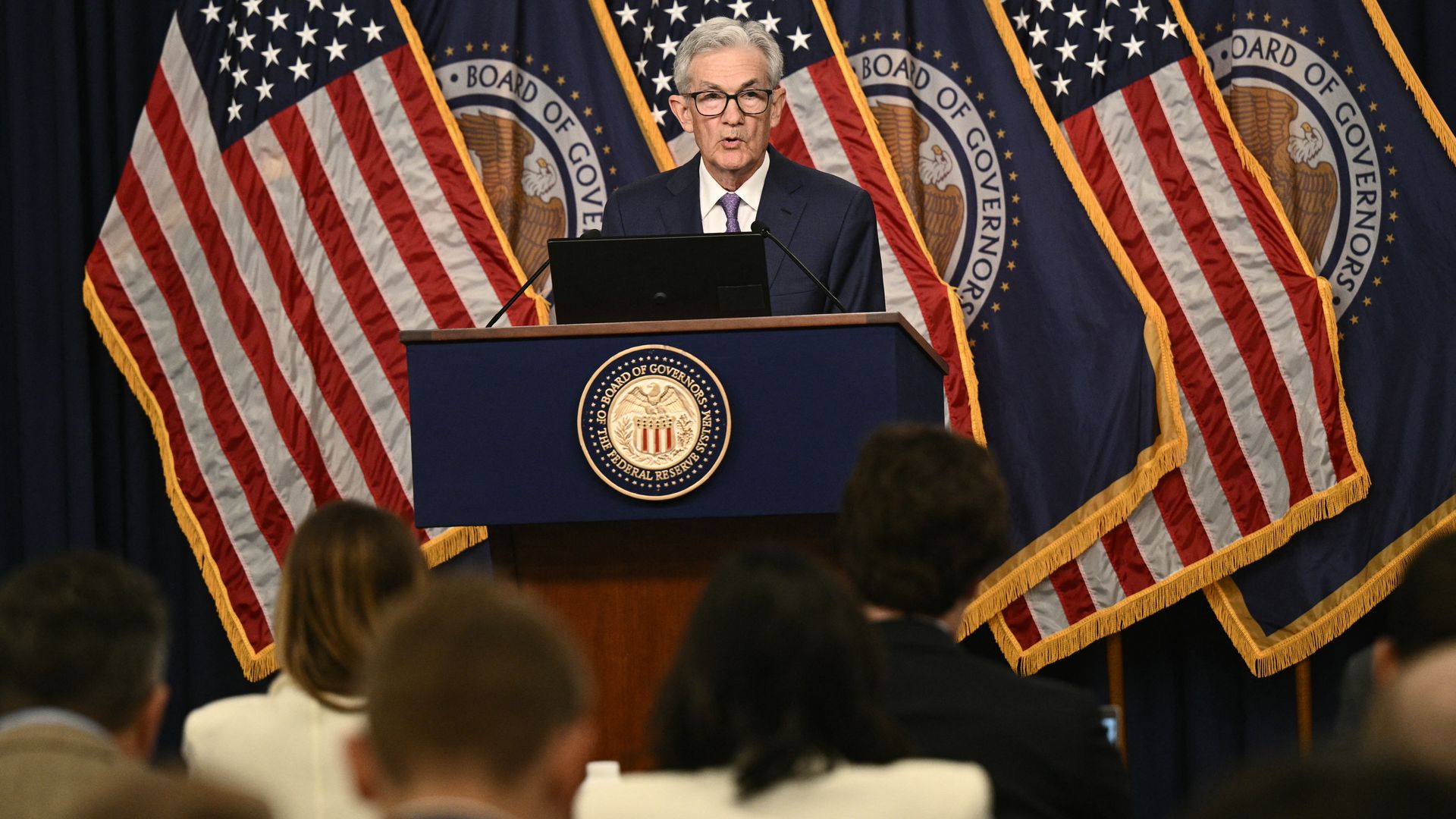
The Federal Reserve kept interest rates at a two-decade high on Wednesday, while leaving the door open for rate cuts as soon as its next meeting in September.
Why it matters: Inflation has receded alongside signs that high borrowing costs are taking a toll on the labor market—raising expectations that the Fed will lower rates soon.
The founder of one of the biggest dumpster fires of 2021 has been arrested and charged with fraud.
Why it matters: Sometimes when something looks too bad to be real, it's even worse.
Driving the news: Nader Al-Naji was charged with one count of wire fraud according to federal prosecutors, for alleged misappropriation of funds into a venture he co-created in 2021, called BitClout.
The SEC also charged Al-Naji, accusing him of creating what appeared to be a decentralized, autonomous project that he had complete control over all along.
Catch up fast:BitClout was a social media site that enabled users to create tokens for their accounts. These tokens could be bought and traded by other users. The more people bought them, in theory, the more they were worth.
Decentralized Social (or DeSo) is the current project of Nader Al-Naji. It's a custom-built blockchain made for running a social network.
The latest: The value of its coin tanked yesterday, falling about 30%, on the news that its founder had been charged with wire fraud.
In a press release from April, the company behind it said it had 130,000 active users and 2 million accounts.
Its website is one of the weirdest, most involved scrolls you'll see online.
Zoom out: The blockchain world is both obsessed with Twitter (yes, it still is) and dying to usurp it with something less centralized, but none of its efforts to date (see also: Lens, Nostr, Farcaster, Hive and others) have hit escape velocity.
Why it matters: There was momentum this year behind legislation friendly to the largest — and some of the louder — firms in the space, but now that the 2024 presidential election has come into view, the prevailing thought is now: Maybe next year.
Behind the scenes: There would have been a committee vote today on Sen. Debbie Stabenow's (D-Mich.) bill that outlined expanded powers for the CFTC to oversee digital assets, but there wasn't enough bipartisan support around it.
Plans were reportedly abandoned at the 11th hour after Stabenow, the chairwoman of the Senate Agriculture Committee, couldn't secure enough support.
Grayscale Investments' bitcoin mini launched today under the desirable ticker symbol BTC and roughly $1.8 billion in assets under management.
Why it matters: The crypto native asset manager's strategy to compete alongside the likes of BlackRock and Fidelity has come to fruition, with the debut of its mini products that comes with mini prices.
Zoom in: As with Grayscale's Ethereum Trust (ETHE), and its mini (ETH), some of the assets in the Bitcoin Trust (GBTC) seeded the mini (BTC).
👆That's how they're starting out of the gate with billions.
The mini ETF will charge a fee of 0.15%, compared to GBTC's 1.5% fee.
What we're watching: While its newly converted big-brother bitcoin and ether funds have seen outflows, their newest mini funds change the race to the top among asset managers.
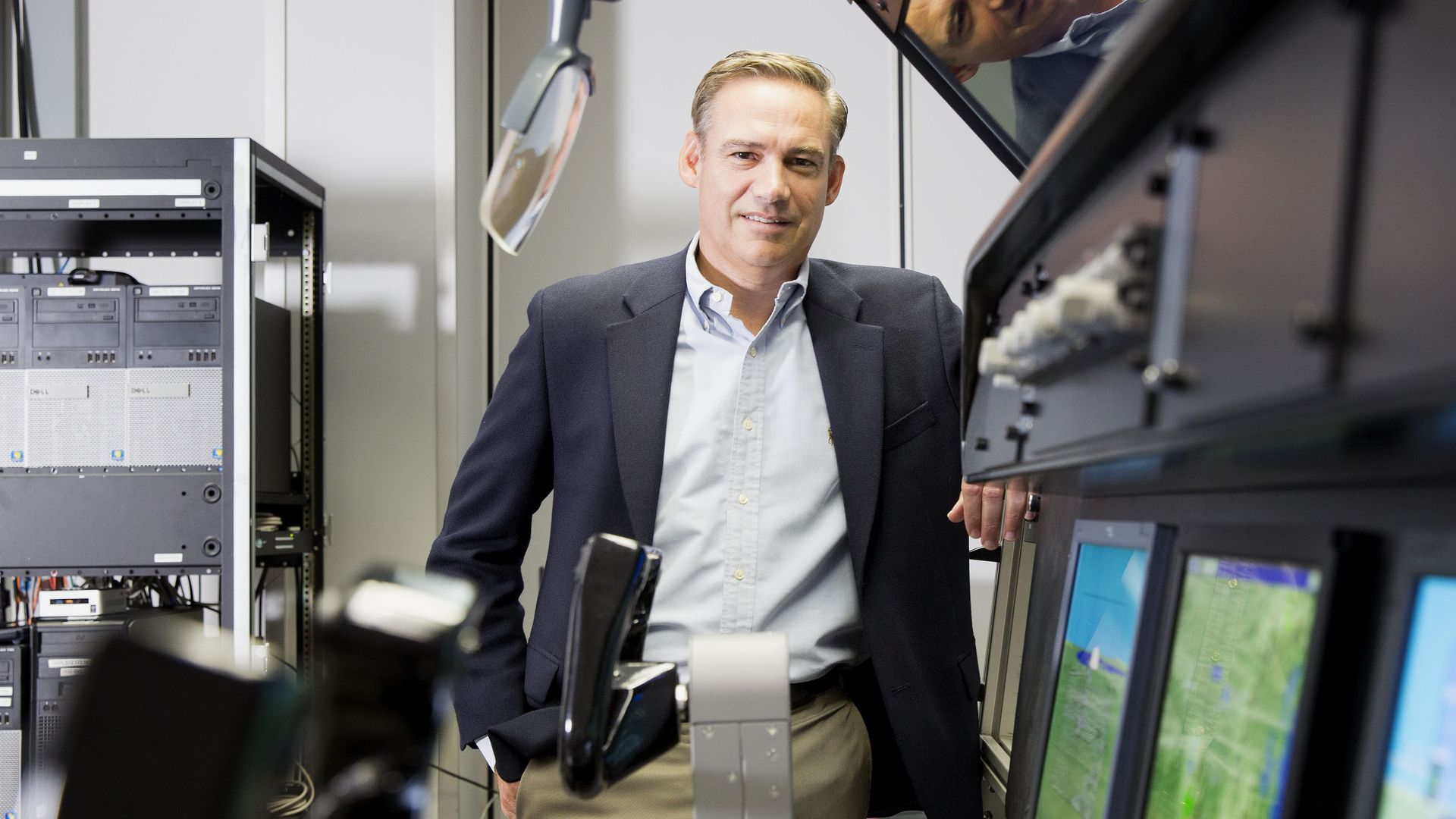
Boeing will be led by a new CEO, Kelly Ortberg, starting Aug. 8, the company announced Wednesday morning.
Why it matters: Ortberg, an outside hire and aerospace industry veteran, could lead to a crucial shift in Boeing's culture, which has been blamed for the numerous lapses in engineering safety over the past year.
Gone are the days when companies could hike prices with little pushback from consumers. Now, in an effort to keep shoppers spending, "value" and "promotions" are back.
Why it matters: The recovery from supply shocks helped bring inflation down from its peak; more shoppers pushing back against high prices could assist in driving inflation down to normal.