Disney is laying off 28,000 workers at its theme parks and experiences and consumer products divisions, the company said in a statement Tuesday.
Why it matters: The coronavirus pandemic has forced the company to close its California theme parks and limit attendance at re-opened parks elsewhere around the U.S. Around 67% of the 28,000 laid off workers are part-time employees, according to Josh D’Amaro, chairman of Disney's parks, experiences and products division.
Postponed vacations, holidays in isolation and back-to-back virtual meetings are taking a toll on millions of American workers.
Why it matters: As we head into the fall, workers are feeling the burnout. Such a collective fraying of mental health at work could dampen productivity and hinder economic growth across the country.
Young Asian American men and women, who typically show low unemployment numbers, are experiencing some of the worst rates of unemployment during the pandemic.
Staggering stat: Since the pandemic began, unemployment among young Asian American workers — those between the ages of 16 and 24 — has jumped around 300%, according to data compiled by USAFacts as reported by the Bureau of Labor Statistics.
Cameo, a marketplace in which users pay for personalized video messages from celebrities, has gone from niche novelty to very big business. More than 5,000 messages are sold each day, with one celebrity recently surpassing $1 million in earnings.
Axios Re:Cap digs into how the company came to be, and how it works, with CEO Steven Galanis. Plus, a "cameo" from one of the site's top stars, and Axios politics editor Margaret Talev on what to watch for in tonight's debate.
The latest Axios-Ipsos poll shows that Americans' trust in the Fed has been unmoved since last month, with far more Americans saying they have not very much or no trust in the central bank, despite the Fed's latest shift in policy to average inflation targeting.
The impact: The new stance will keep interest rates lower for longer and is expected to provide a boost to job seekers and lower-income Americans who historically have not shared in the nation's prosperity.
JPMorgan will pay $920 million to settle charges that its commodity trading desk manipulated the market, allowing the bank to rake in millions of dollars in profits, the government alleged.
Why it matters: It's the largest fine ever imposed for a "spoofing" case — and a milestone for government efforts to clamp down on the trading tactic criminalized after the financial crisis.
AppHarvest, a Morehead, Ky.-based developer of large-scale tomato greenhouses, is going public via a reverse merger with a SPAC called Novus Capital (Nasdaq: NOVSU). The company would have an initial market value of around $1 billion.
Why it's a BFD: This is about to be a "unicorn" based in one of America's poorest congressional districts. AppHarvest CEO Jonathan Webb tells Axios that the company will employ around 350 people in Morehead by year-end, and that its location allows its product to reach 75% of the continental U.S. within a one-day drive.
Women have historically not been awarded the first debate moderator slot, even though more women have been selected to moderate debates in recent history.
The state of play: The one exception is Barbara Walters of ABC News, who moderated the first presidential debate in 1984 between Republican President Ronald Reagan and Democratic former Vice President Walter Mondale.
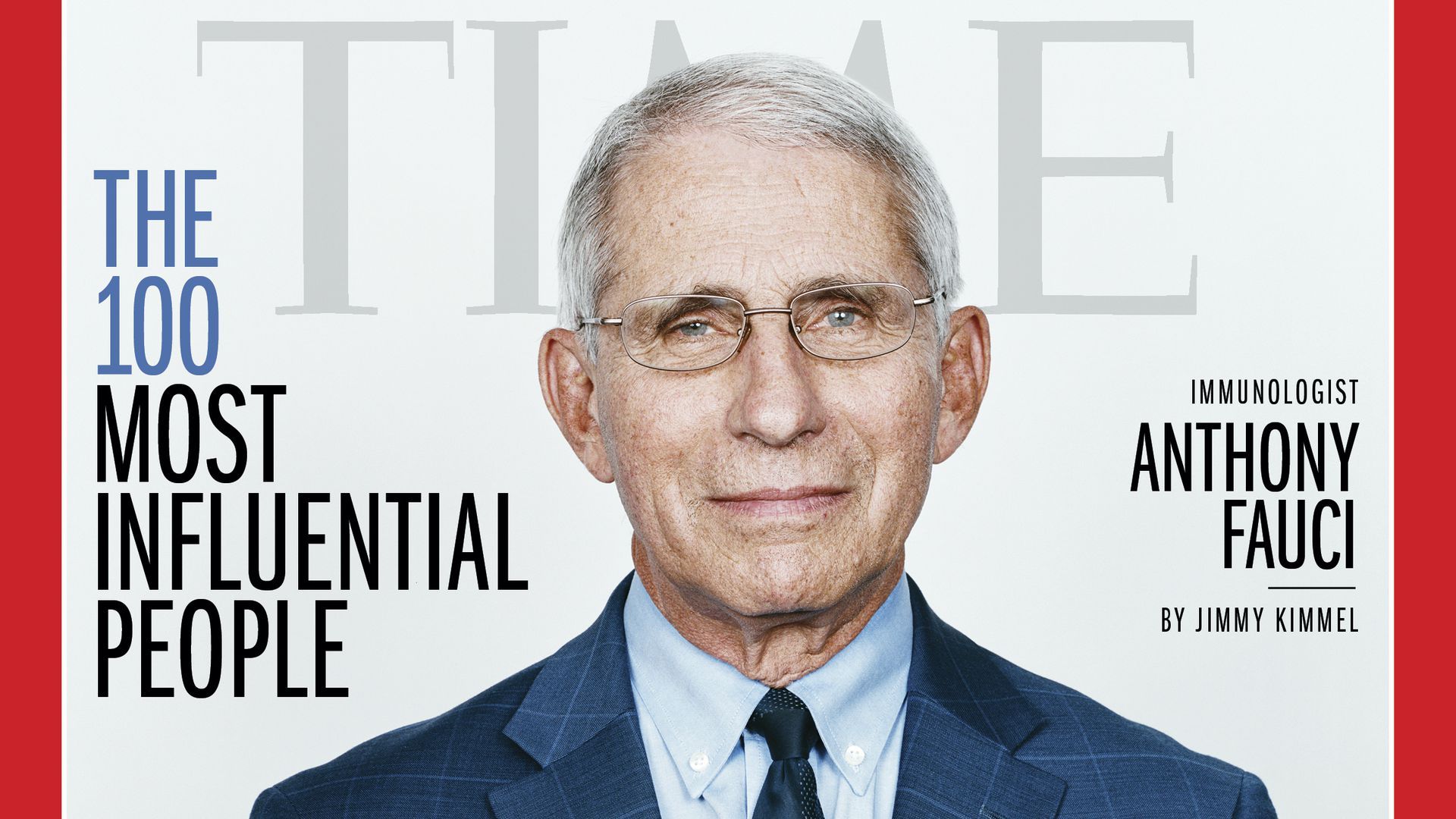
This year's Time 100 event drove 10.14 billion media impressions in first 72 hours, Time President Keith Grossman tells me, driving revenue around the event to increase 71% year-over-year, despite its virtual nature.
Why it matters: Pivoting its annual glitzy New York City event into a prime-time broadcast special proved hugely effective. Grossman says that it drove over 27,000 new subscriptions to Time, which is more than 75% its weekly average. After 72 hours, TIME's "TIME100" posts on Instagram and Facebook that featured Dr. Anthony Fauci were the highest performers.
Bloomberg Media is expanding its portfolio to provide more general business and lifestyle content to readers, instead of just straightforward markets and business news, executives tell Axios.
Driving the news: On Thursday, the company will launch Bloomberg Wealth, a new editorial vertical to help readers and viewers make smarter decisions about their personal finances, including divorce and moving.
EPA is making its opening moves against California's plan to phase out sales of new gasoline-powered cars by 2035 — the latest front in the battle between the White House and the state over climate policy.
Driving the news:Via The Wall Street Journal, EPA boss Andrew Wheeler sent California Gov. Gavin Newsom a letter attacking the plan and arguing it would require EPA approval.
Electric vehicle sales have taken off over the last decade, and full electrics have overtaken plug-in hybrids over the last five years, according to the Energy Department's handy transportation "fact of the week" series.
Why it matters: Electric vehicles are growing, but still represent a tiny share of the roughly 17 million-plus passenger vehicles sold annually in the U.S. (a number dropping this year because of the pandemic).
Gen Zers are about half as likely as millennials to watch sports often, and twice as likely to never watch, according to a new Morning Consult survey.
Why it matters: Only 53% of the 1,000 Gen Zers surveyed considered themselves sports fans — compared with 63% of U.S. adults and 69% of millennials — highlighting how the media model upon which the sports business is built could crumble in the years ahead.
The dollar strengthened against most of the world's currencies last week, as traders bought the greenback expecting an end to the reflation trade, but China's currency bucked the overall trend (pun intended) and is on pace for its strongest month against the dollar since 2008.
Why it matters: "What we do see is a strong Chinese economy, which is part of what’s behind the strong renminbi," Jason Brady, president and CEO of Thornburg Investment Management, told WSJ.
Buzzer, a mobile technology platform that wants to connect fans through live sports while helping existing media rights holders maximize value, has raised $4 million in seed funding, Axios has learned.
How it works: Buzzer's vision is to aggregate sports rights, sending fans personalized notifications to make it easy to pop into a live game — either through their existing subscription or micropayments.
From live blogs to video chyrons and tweets, media companies are introducing new ways to fact check the presidential debates in real time this year.
Between the lines: The debates themselves are likely to leave less room for live fact-checking from moderators than a traditional news interview would.
President Trump trails Joe Biden in most polls, has generally lower approval ratings and is behind in trust on most issues. Yet polls consistently give him an edge on the economy, which remains a top priority among voters.
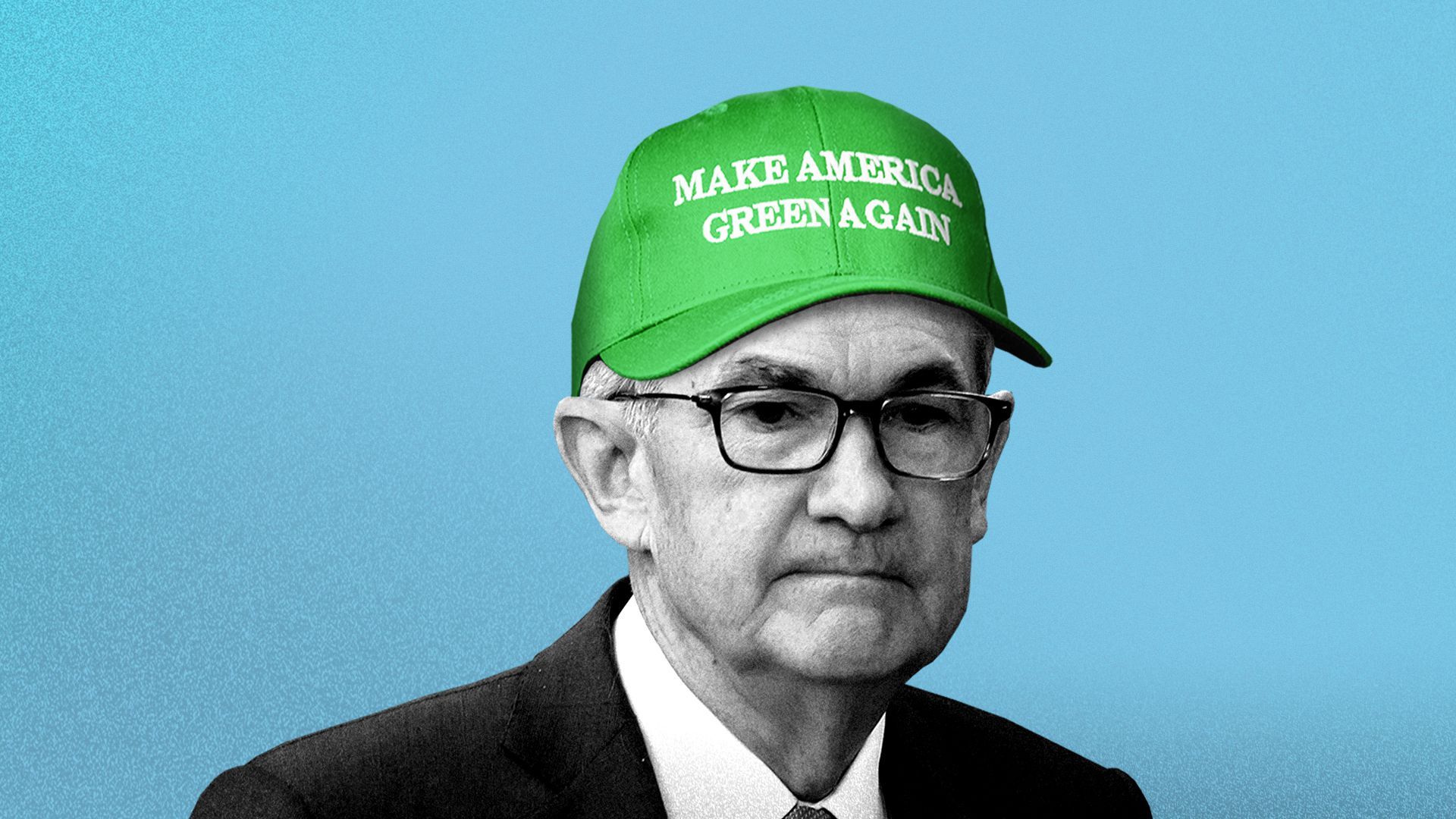
Why it matters: If Trump wins re-election, it will largely be because Americans see him as the force rallying a still-strong U.S. economy, a narrative girded by skyrocketing stock prices and consistently climbing U.S. home values — butthe man behind booming U.S. asset prices is really Federal Reserve chair Jerome Powell.
Thanks to growing momentum and changing attitudes among Americans, Brookings Institution fellow Andre Perry predicts that within 10 years the U.S. will provide some form of reparations to Black people.
What we're hearing: "What's happening in the streets today is indicative of the attitude change that is occurring in America," Perry, a scholar-in-residence at American University and author, said during our interview for "Axios on HBO."
Polaris plans to electrify its popular lineup of off-road vehicles and snowmobiles through a new 10-year technology partnership with Zero Motorcycles.
Why it matters: People who want to enjoy the Great Outdoors don't have to worry about polluting the environment or disturbing the wilderness when they're riding on a nearly-silent, zero-emission machine.
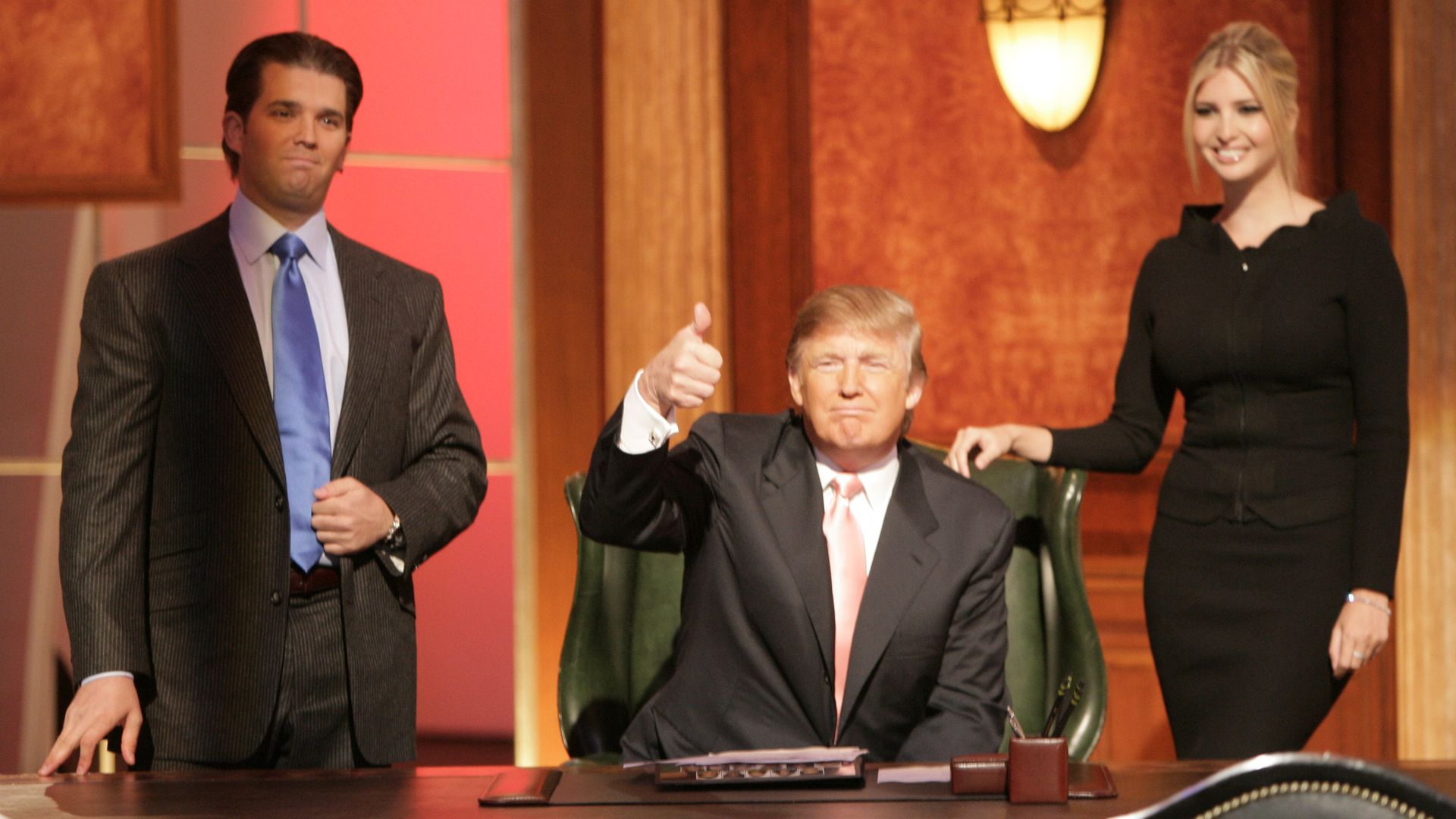
President Trump made more than $427 million from "The Apprentice" and licensing deals related to the long-running NBC reality-TV show, the New York Times alleges in its latest report on his tax returns.
Why it matters: The show that ended in 2017 saw Trump become a household name as a real estate mogul, enhancing his political profile. He invested tens of millions in businesses, largely golf courses, during his time on "The Apprentice," per the Times, which cited documents showing huge losses in the years leading up to his presidential candidacy. Trump has said the NYT reporting is "fake news."

















/2020/09/28/1601325754958.gif?w=3840)