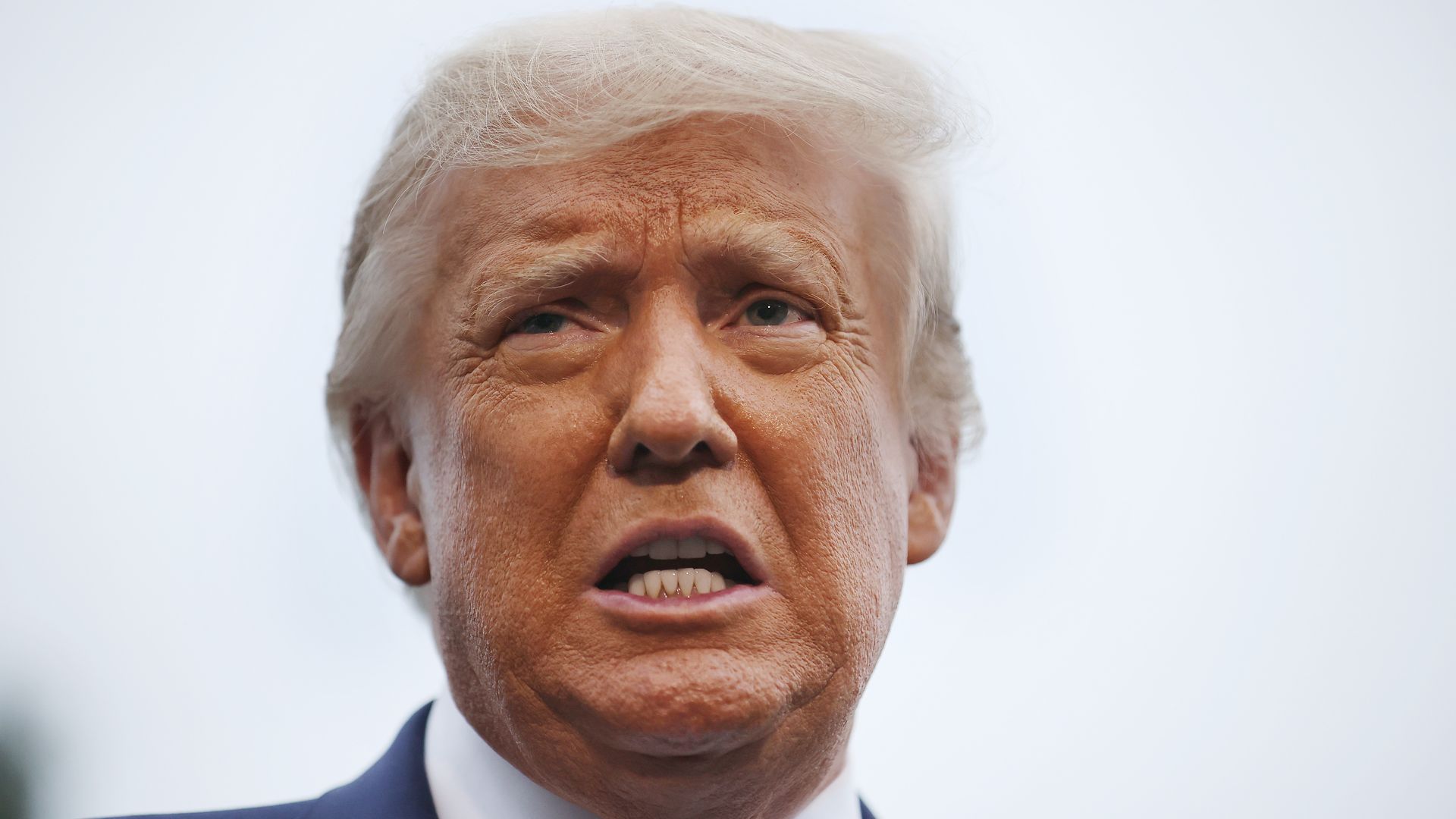
The New York Times has obtained more than two decades' worth of tax-return data from Trump and the companies that make up his business, writing in an explosive report that the documents "tell a story fundamentally different from the one [the president] has sold to the American public."
Why it matters: The Times' bombshell report, published less than seven weeks before the presidential election, lays bare much of the financial information Trump has long sought to keep secret — including allegations that he paid $750 in federal income taxes in 2016 and 2017, and has over $300 million in personal debt obligations coming due in the next four years.
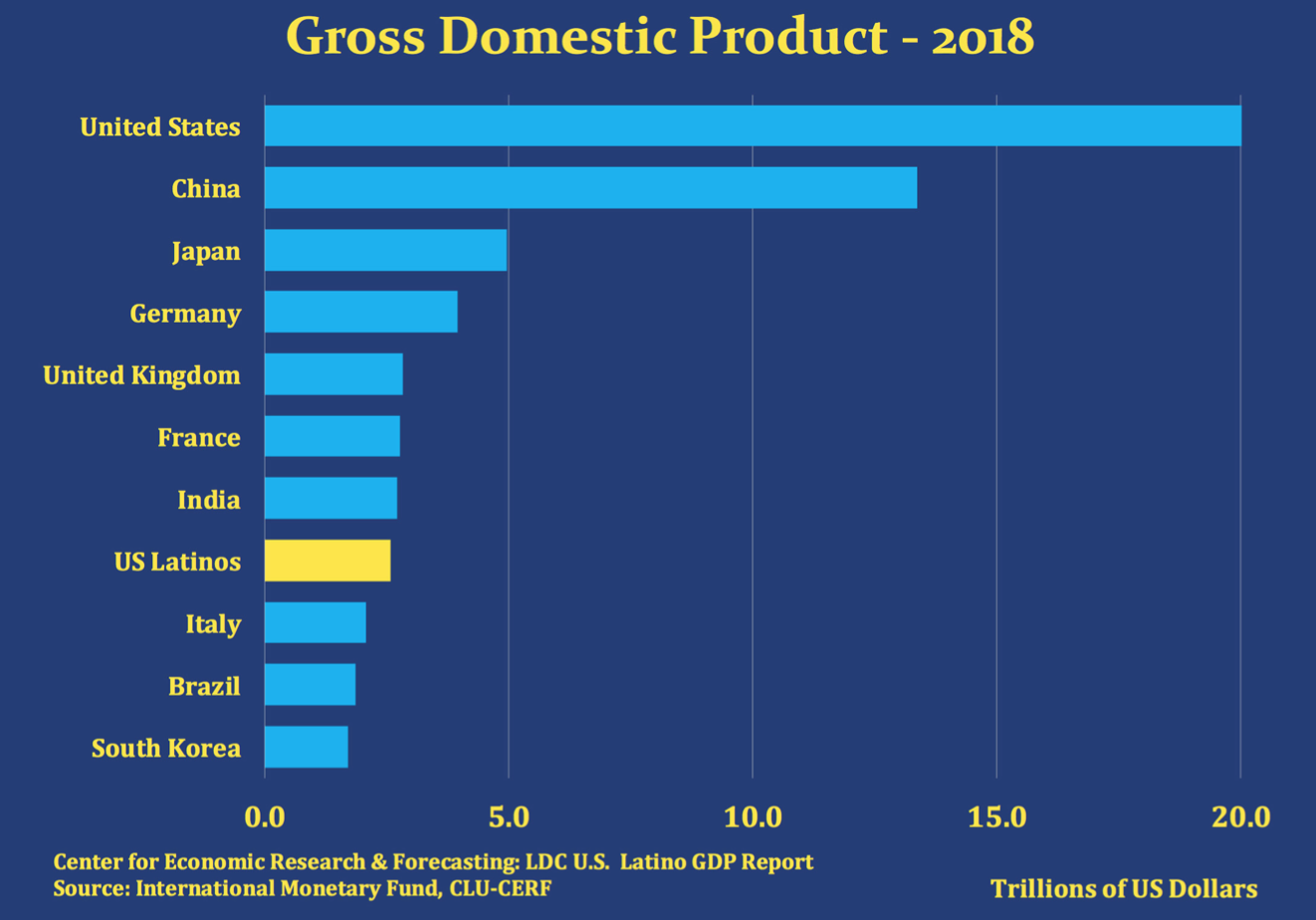
Sol Trujillo — former CEO of U.S. West and Telstra, and chair of the Latino Donor Collaborative — tells me that in 2017–18 (most recent census data), the U.S. Latino cohort was the fastest growing economy in the world.
Driving the news: That's part of a new report, "2020 LDC U.S. Latino GDP," unveiled at the four-day L'Attitude virtual business conference co-founded by Trujillo, showcasing U.S. Latino contributions in business, media, politics, science and technology.
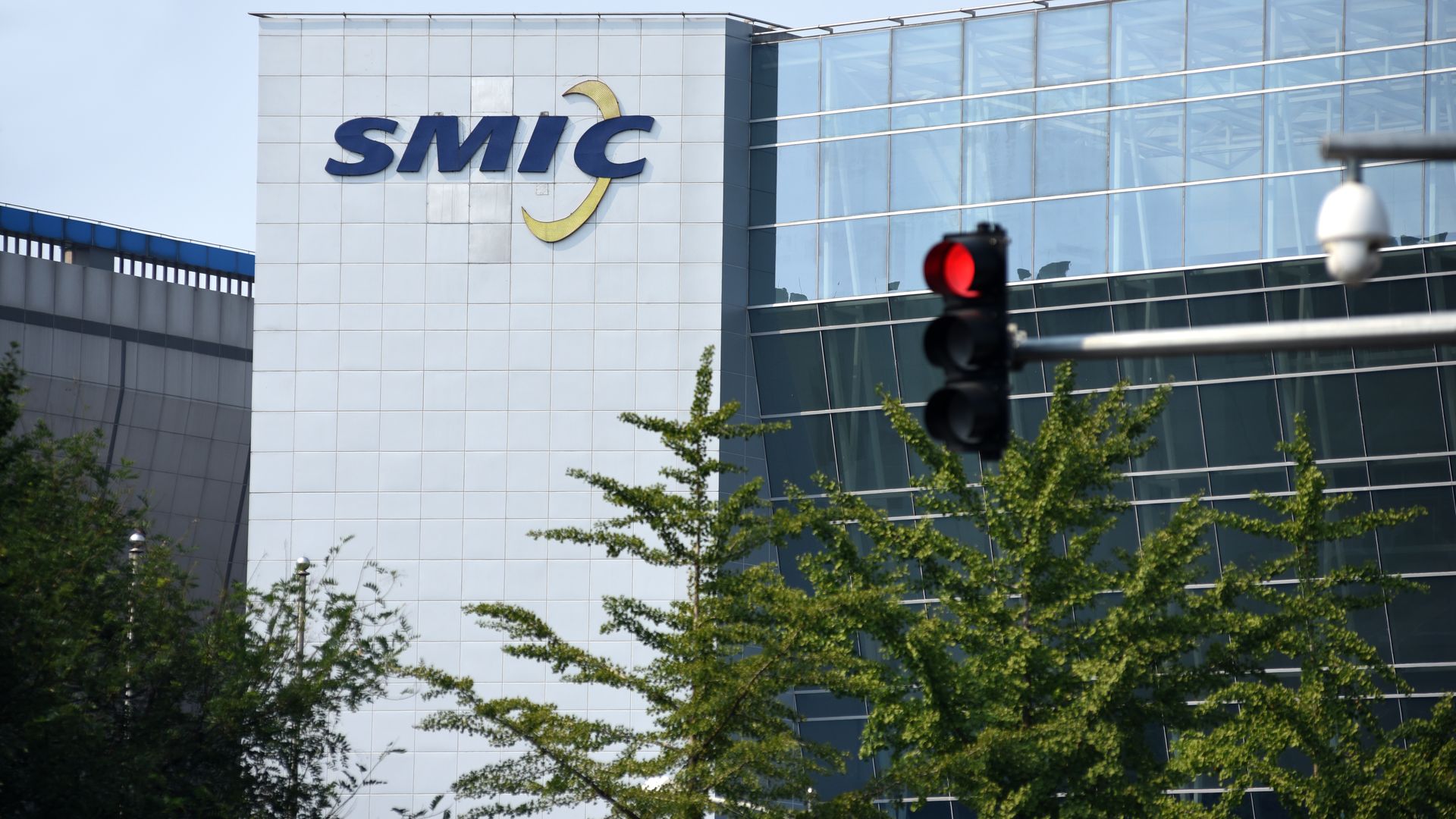
The Trump administration put in place restrictions on U.S. technology exports to China's biggest chipmaker, Semiconductor Manufacturing International Corp., the WSJ reported Saturday.
Why it matters: The curbs are the latest restrictions issued by the Trump administration to limit China's efforts to compete in advanced technology, per WSJ.
Madison Schneider (shown with her Grandma Lela) opened Lela's Bakery and Coffeehouse in Haviland, Kan., on Sept. 12. Photo via Facebook
The pandemic closed hundreds of thousands of U.S. businesses. But now applications for new businesses are rising at the fastest rate since 2007, the Wall Street Journal reports.
Why it matters: "Applications for the employer identification numbers that entrepreneurs need to start a business have passed 3.2 million so far this year, compared with 2.7 million at the same point in 2019," according to the Census Bureau.
A new survey of hundreds of executives shows how the pandemic is altering the workforce of the future.
The big picture: The COVID-19 pandemic has thrown millions of people out of work, and the jobs that will emerge from the carnage won't be the same. While some fields may benefit, others risk being left further behind.
Community college enrollment for the summer dropped nearly 6% since last year, along with declines in Black and male student enrollment in colleges and universities overall, a report from the National Student Clearinghouse Research Center reveals.
Why it matters: Colleges need students to survive. The data show how the coronavirus pandemic could be affecting the fiscal health of higher education institutions, including demographic shakeups.