The Dow Jones Industrial Average fell 800 points — or 3.05% — on Wednesday, after the bond market flashed a warning sign that's predated every recession for the past 50 years.
Why it matters: Wednesday was the stock market's single worst day of 2019. The "yield curve inversion" — which President Trump called "crazy" — comes when short-term Treasury bonds yield a higher rate than the long-term variety.
WeWork filed for what could be the year's most polarizing IPO on Wednesday. Dan digs into the numbers with Axios' Kia Kokalitcheva. Plus Facebook endures yet another privacy fumble, and China's trade tensions bubble up north of the border.
WeWork on Wednesday filed to raise $1 billion in an initial public offering, although the ultimate offering amount is expected to be at least three times larger.
My thought bubble: There is a ton of investor skepticism over WeWork's business model, with expectations that it could receive Tesla-like treatment from public shorts. That's one reason why the company plans to increase its cash cushion by securing a $6 billion credit facility in conjunction with the IPO.
Bond investors were unfazed by Tuesday's consumer price index reading, which showed inflation picked up meaningfully in July.
By the numbers: The U.S. consumer price index rose a seasonally adjusted 0.3% last month from June and 1.8% from a year earlier. The core reading excludes volatile food and energy categories, up 2.2% year over year.
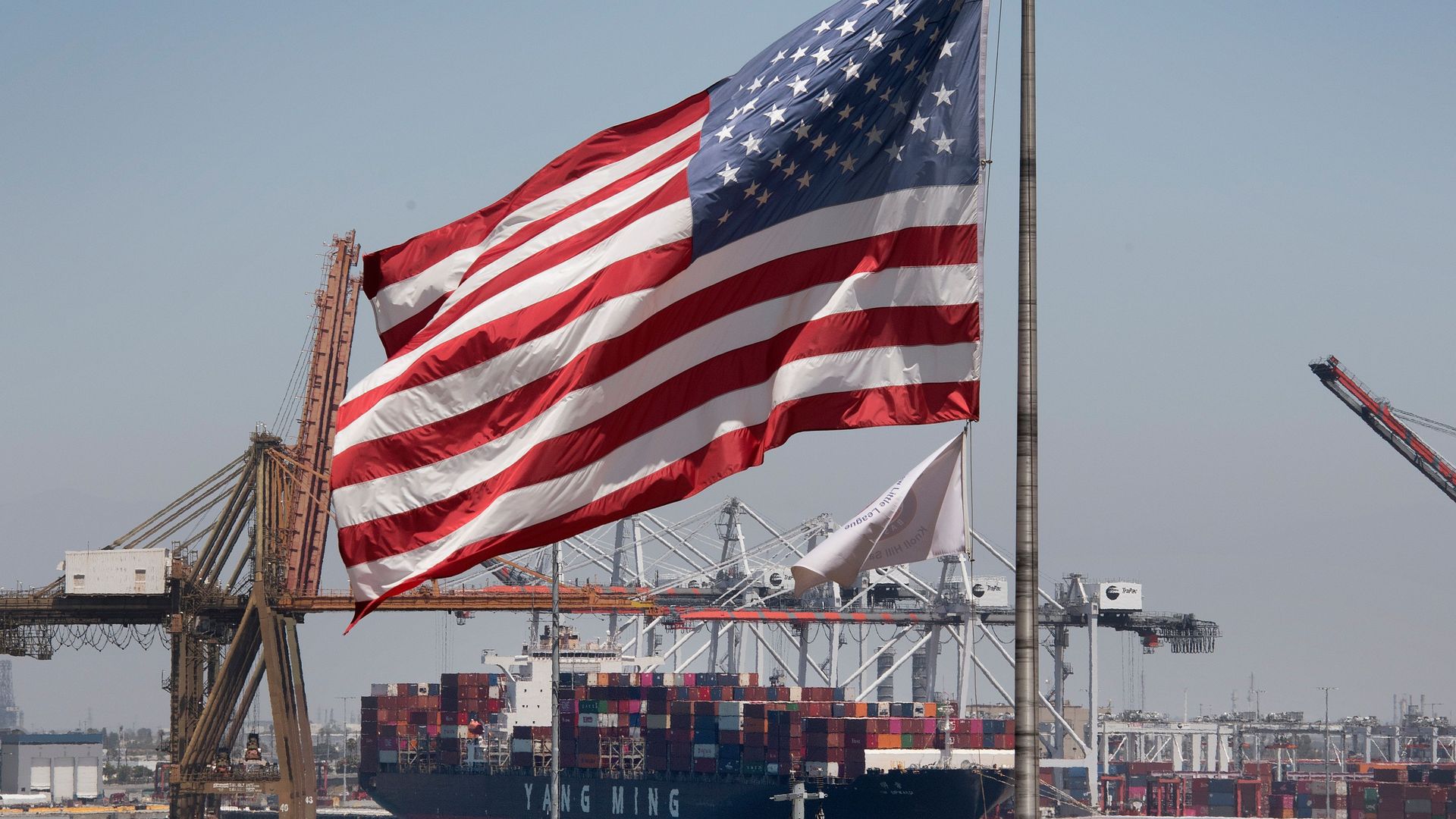
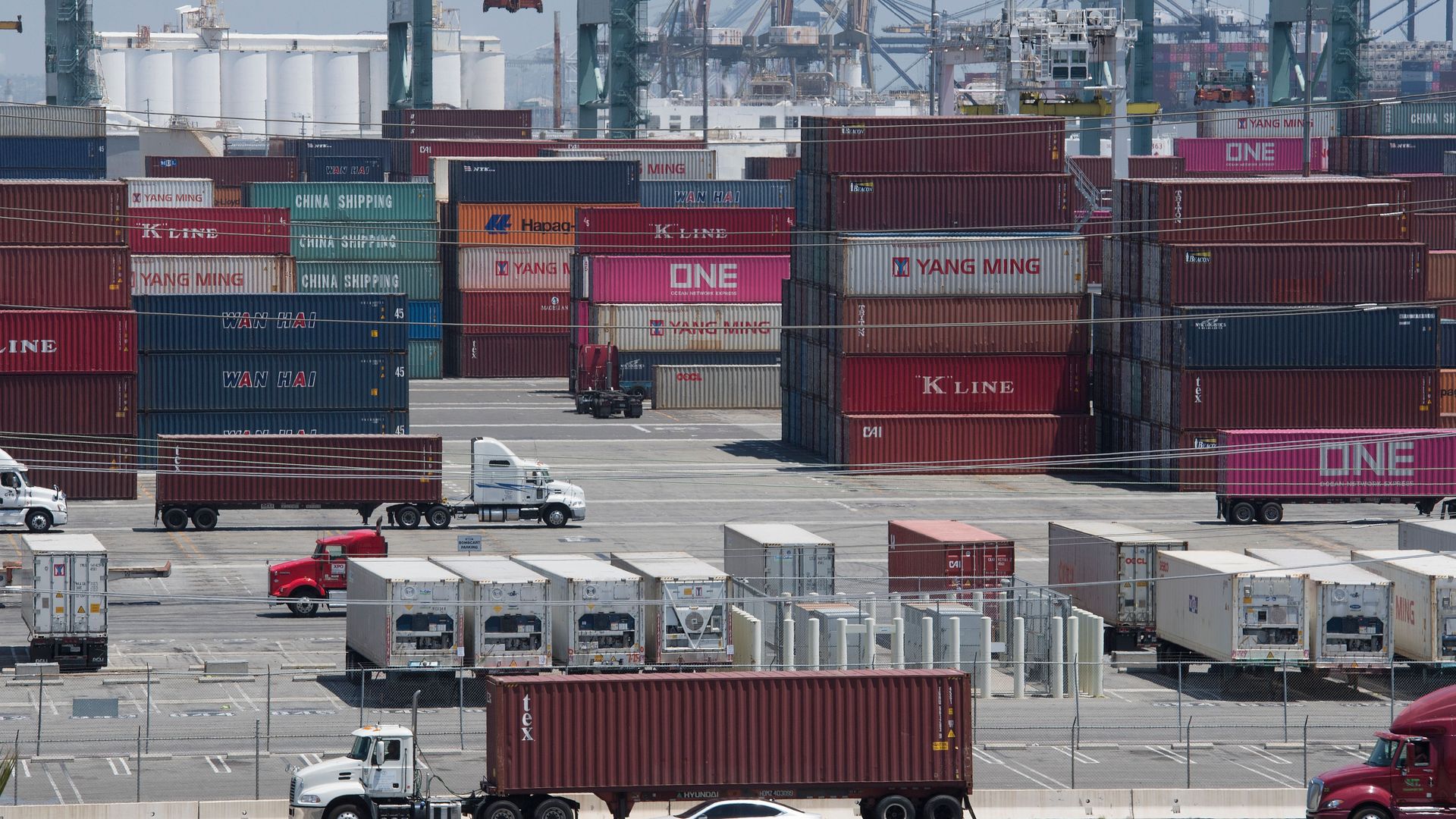
Stocks roared higher on Tuesday after news that some Chinese imports would be spared from a 10% tariff increase the Trump administration plans to impose on Sept. 1, but the bond market was unimpressed and continued to push yields lower, tipping a strong recession indicator.
Why it matters: Bonds have been accurate in predicting Fed policy and U.S. economic indicators all year. Tuesday's market action shows investors believe the damage has already been done to the world economy — and that this temporary respite in the trade war is likely too little, too late.
The Trump administration's list of goods from China that won't be subject to a 10% tariff until Dec. 15 is made up of "products where 75% or more of the 2018 U.S. imports of that product were from China," according to an email sent to trade groups from the U.S. Trade Representative Office.
Why it matters: The initial press release from the USTR said certain items would see a delay in taxes "as part of USTR's public comment and hearing process," but it did not specify whether there was a formula involved in the two list designations. The items subject to the Sept. 1 tariff are those that are less commonly imported from China.
CBS and Viacom reached a deal on Tuesday to merge into ViacomCBS Inc., reuniting the 2 companies 13 years after they split apart.
Why it matters: The deal will bring together Viacom's nearly two dozen cable channels with CBS' flagship broadcast network and its premium cable network, Showtime. The combined scale from the merger will help the new company broker stronger distribution deals with Pay-TV providers and allow it to better compete for audience attention and ad dollars.
The Argentine peso fell 30% and its stock market sank 37% on Monday, the worst market collapse for the country in more than 2 decades. In dollar terms, Bloomberg reported it was the second-biggest 1-day rout on any of the 94 world stock exchanges it tracks since at least 1950.
Why it matters: Fund managers who have spoken to Axios over the past year say they foresee an economic collapse and wide-ranging debt defaults with President Cristina Fernández de Kirchner back at the country's helm, even as vice president.
Group Nine Media is launching a slate of podcasts across its four brands — NowThis, The Dodo, Seeker and Thrillist — exclusively with iHeartMedia, one of the largest commercial podcast publishers. iHeart will co-produce all of the content, a source confirms to Axios.
Details: The partnership will kick off with 2 new original podcasts from NowThis and Thrillist set to launch this fall. The deal will eventually also include a podcast from JASH, Group Nine's LA-based Studios team.
The Spectator, the world’s oldest English-language magazine, is launching a U.S. monthly print version for the first time in its history this fall, after starting a U.S. digital presence last year.
Why it matters: The publication has been published in the U.K. continuously since it launched 1828 as a weekly. Its former editor, Boris Johnson, just took the reins as the U.K.'s new prime minister.
The impending 10% tariffs on $300 billion worth of Chinese imports targeted by President Trump in the trade war will be delayed from Sept. 1 to Dec. 15 for certain products, the Office of the U.S. Trade Representative announced Tuesday. Certain products will also be taken off the list based on "health, safety, national security and other factors."
Why it matters: The delay — for items like cellphones, laptops, video game consoles, certain toys, computer monitors, and certain items of footwear and clothing — will help accommodate the holiday rush to ship products from China, easing the financial burden on U.S. importers. The Dow spiked 2% on the news, with the share price of companies like Apple, Best Buy, Dollar Tree, Hasbro and Gap leading the surge.
The unrest in Hong Kong hit the market hard Tuesday as the Hang Seng Index fell 2.1%. The territory's flagship airline Cathay Pacific saw shares tumble 2.55%, after a 4.9% slide on Monday that pushed the stock to its lowest price in a decade.
The backdrop: Hong Kong International Airport once again stopped all flights after protesters occupied the building for a fourth straight day as part of escalating citywide protests against a law that would allow China to extradite and try citizens from Hong Kong in the mainland.
Google searches about the El Paso shooting surged more than any other recent mass shooting — but the horror, outrage and interest toward the murder of innocent lives never seems to last long enough to provoke much change.
Why it matters: Mass shootings have become more common, but fading public interest relieves pressure on lawmakers to address the underlying issues.




/2019/08/12/1565617797540.gif?w=3840)
/2019/08/14/1565783124469.gif?w=3840)