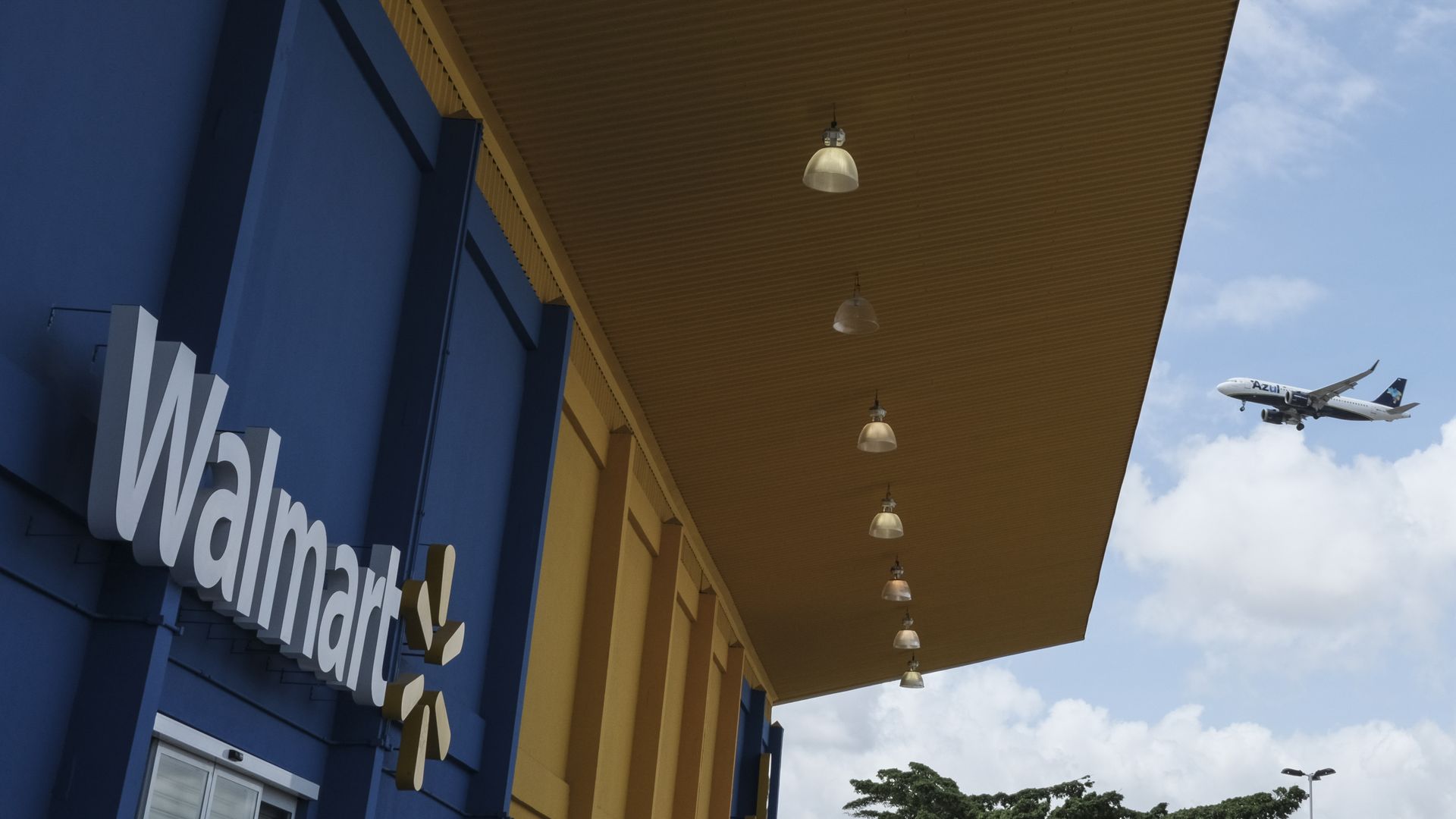
Walmart saw its largest sales growth in 10 years in the second quarter of 2018, executives said in an earnings call Thursday. Boosting those sales numbers was strong U.S. e-commerce sales, which ballooned 40%, and growth in grocery sales. Walmart's stock jumped about 10% on the news, CNBC reports.
Why it matters: Walmart has heavily invested in efforts to take on Amazon in online shopping, including a recent redesign of its website, and this Q2 earnings report reveals that their investment may be paying off. The company's successful report is also a good sign for retailers after many prominent stocks — including Macy's, JCPenney, Nordstrom, and Kohl's — plummeted Wednesday after Macy's reported no sales growth in Q2.
The Boston Globe today received a threatening telephone call that is being taken seriously by local and federal authorities, according to an email sent by a facilities manager to other tenants at the newspaper's headquarters.
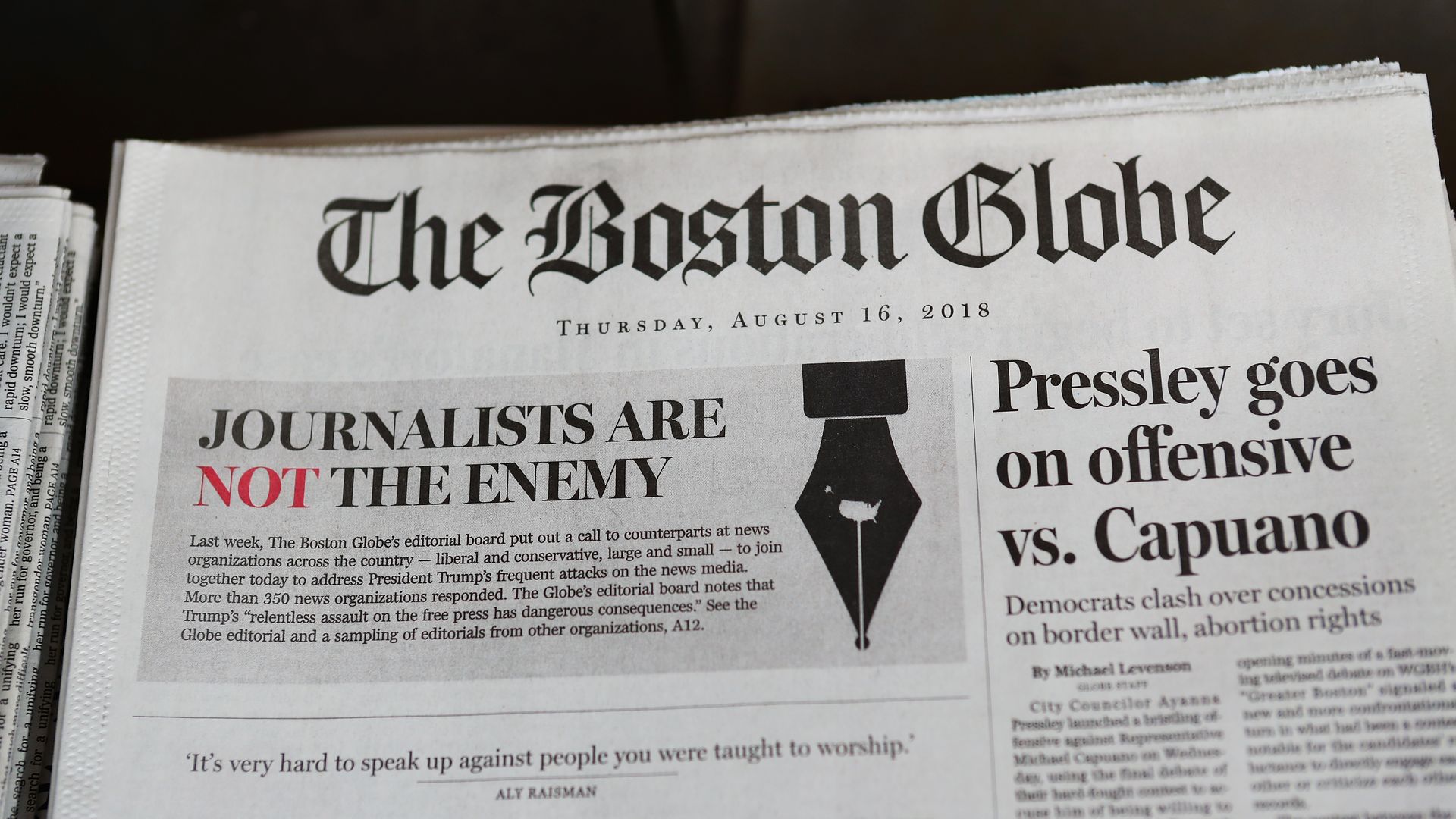
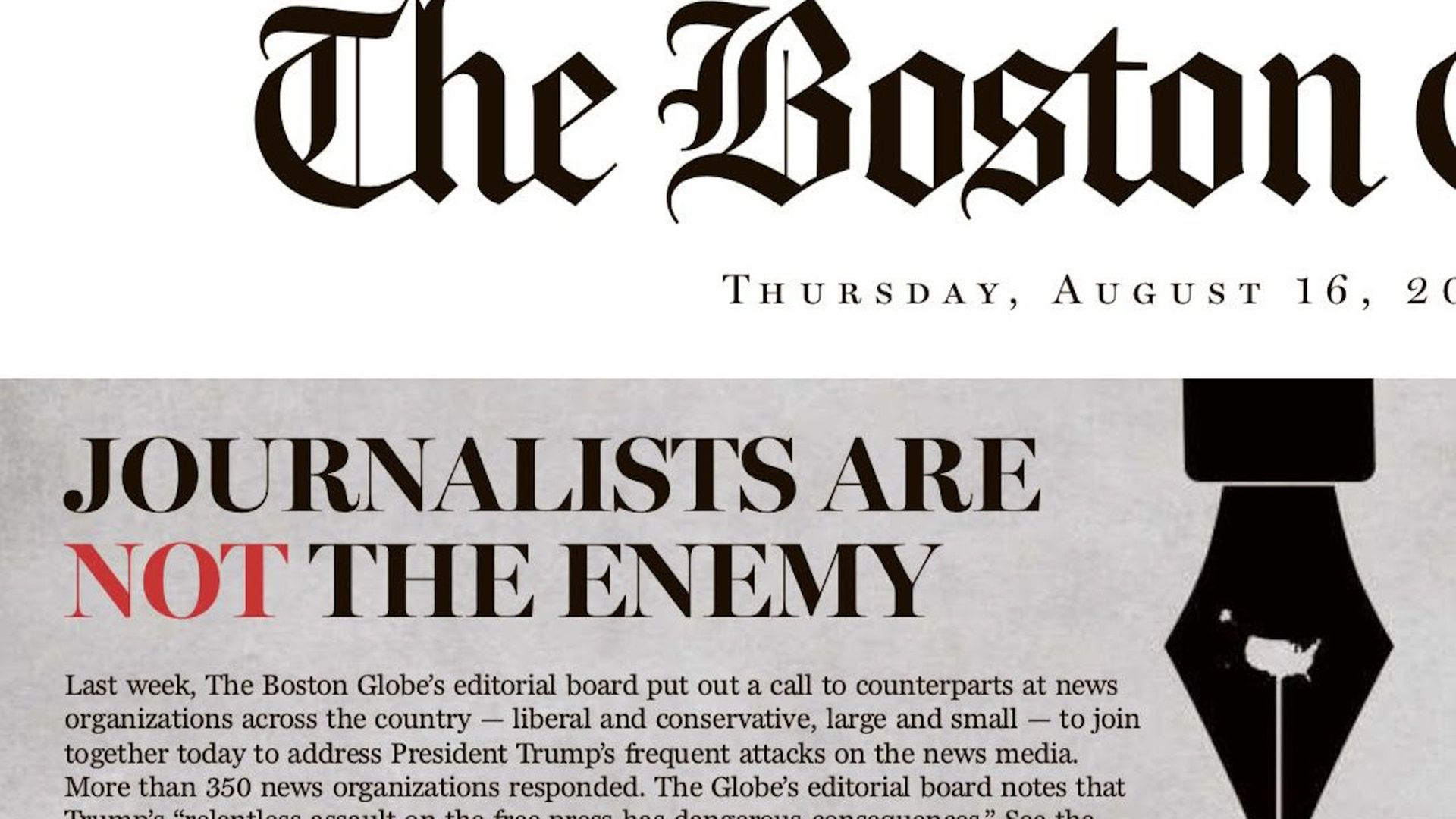
Big picture: The Boston Globe today published an editorial pushing back against President Trump's claims that some in the media are an "enemy of the people," and also helped coordinate similar editorials in 300 other papers.
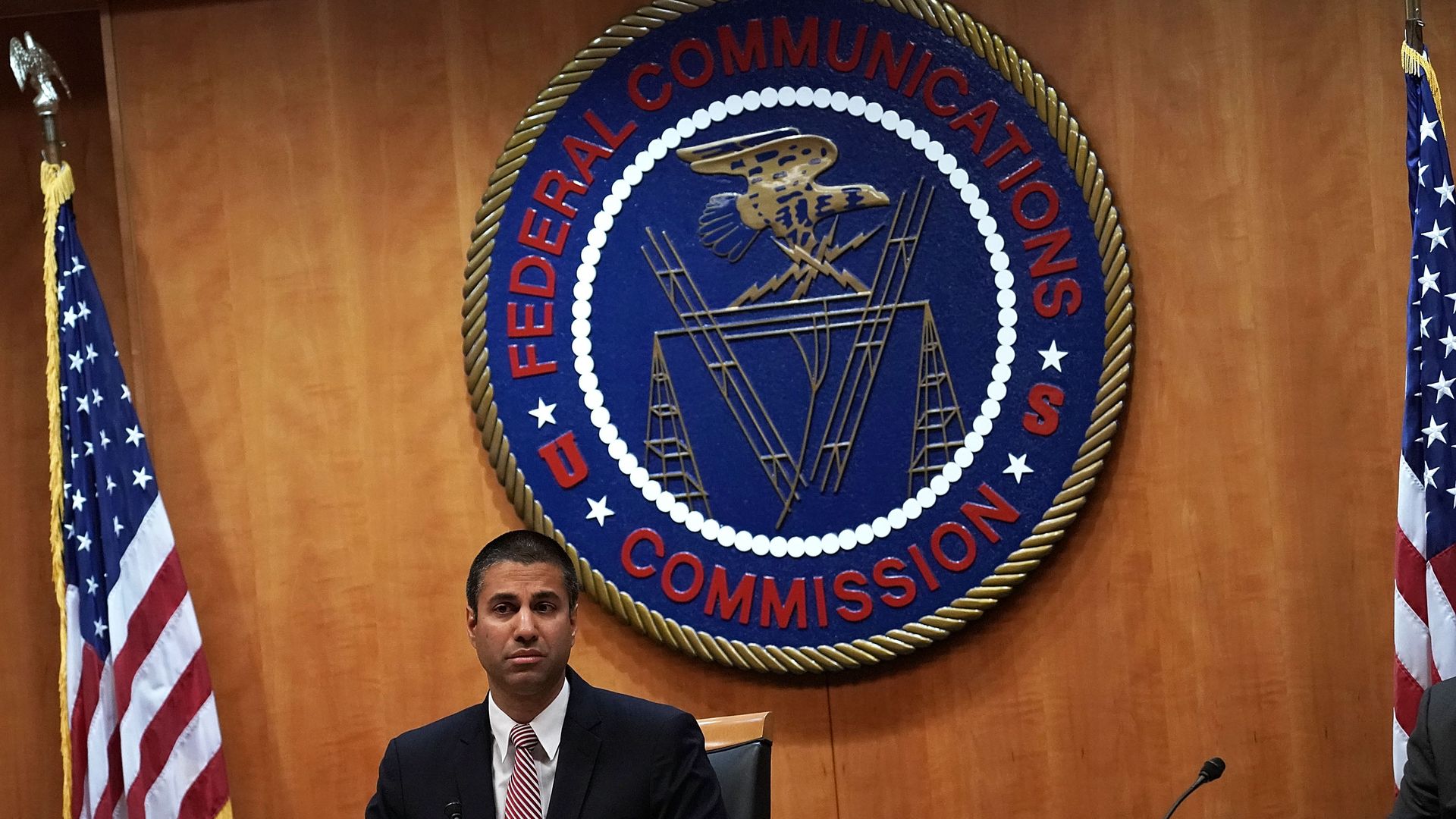
The White House's top lawyer made contact with Federal Communications Commission Chairman Ajit Pai to inquire about its review of the purchase of Tribune Media stations by the conservative broadcaster Sinclair, Pai told a Senate committee on Thursday.
Why it matters: The FCC — and merger reviews generally — are supposed to be independent from the White House. Pai explained, "no one has called from the White House to express a view. We received one status inquiry."
American jeweler Tiffany & Co. will begin selling on Chinese e-commerce giant Alibaba's "Luxury Pavilion" platform on its Tmall app.
The big picture: Enticing foreign brands is part of Alibaba's broader strategy to become the "gateway to China" for companies, many of which have had limited success in China's massive market when trying to go it alone. Already this month, Alibaba has announced deals with Starbucks and Kroger.
The Boston Globe invited newspapers across the country to stand up for the press with editorials today, and nearly 350 news organizations have pledged to participate, Marjorie Pritchard, op-ed editor at the Globe, told AP.
One example: The N.Y. Times, "A Free Press Needs You": "If you haven’t already, please subscribe to your local papers. Praise them when you think they’ve done a good job and criticize them when you think they could do better. We’re all in this together."
The top political spenders on Google's ad platforms since the end of May include President Trump's political committee as well as individual candidates in competitive races, according to data the company released for the first time on Wednesday.
The big picture: New ad transparency initiatives on the part of major web platforms allow the public to see, to varying degrees, how online advertisers are trying to influence their votes.
A record percentage of small business owners are optimistic about current business conditions, according to the latest CNBC/SurveyMonkey Confidence Index.
Why it matters: The index, which calculates sentiment among more than 2,000 business owners, returned to a record high of 62/100 in Q3 2018 after concerns over the Trump administration's trade policy and imposition of tariffs caused a 1-point dip in Q2 2018.
Sinclair Broadcasting’s failed effort to buy Tribune Media may soon become more than just a costly embarrassment. It could result in the company ultimately losing its broadcast licenses.
Bottom line: The conservative broadcaster has been accused of lying to the FCC, and of acting in bad faith with Tribune.
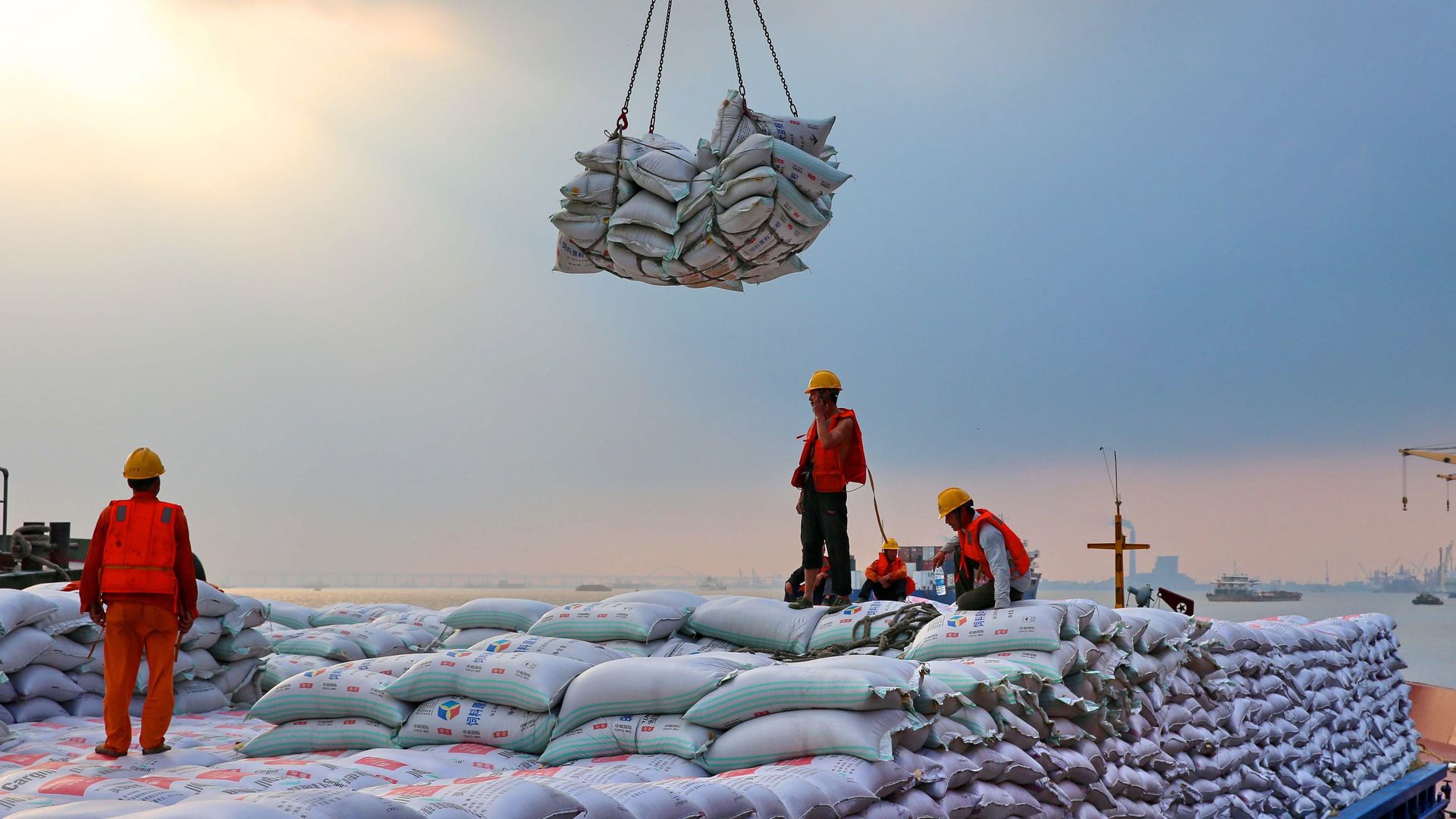
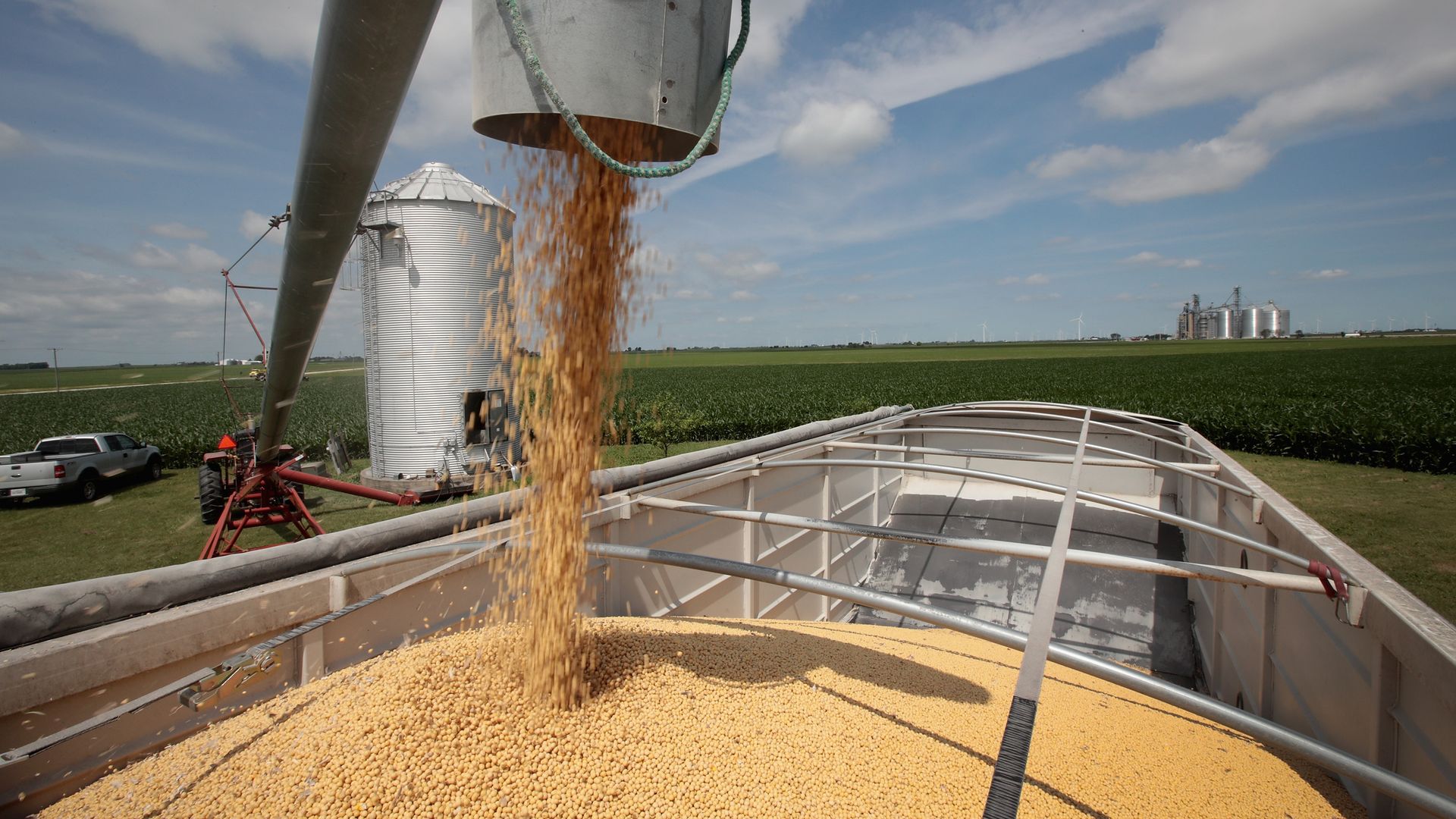
Prices for U.S. agricultural exports plummeted 5.3% in July, driven primarily by a 14.1% decline in soybean prices, according to the Bureau of Labor Statistics.
Why it matters: In 2016, soybeans accounted for 12% of U.S. exports to China, prompting American farmers to ramp up their production. China is now attempting to curb its consumption of soybeans as part of its escalating trade war against the U.S., helping drive the largest single-month drop in farm export prices since October 2011.
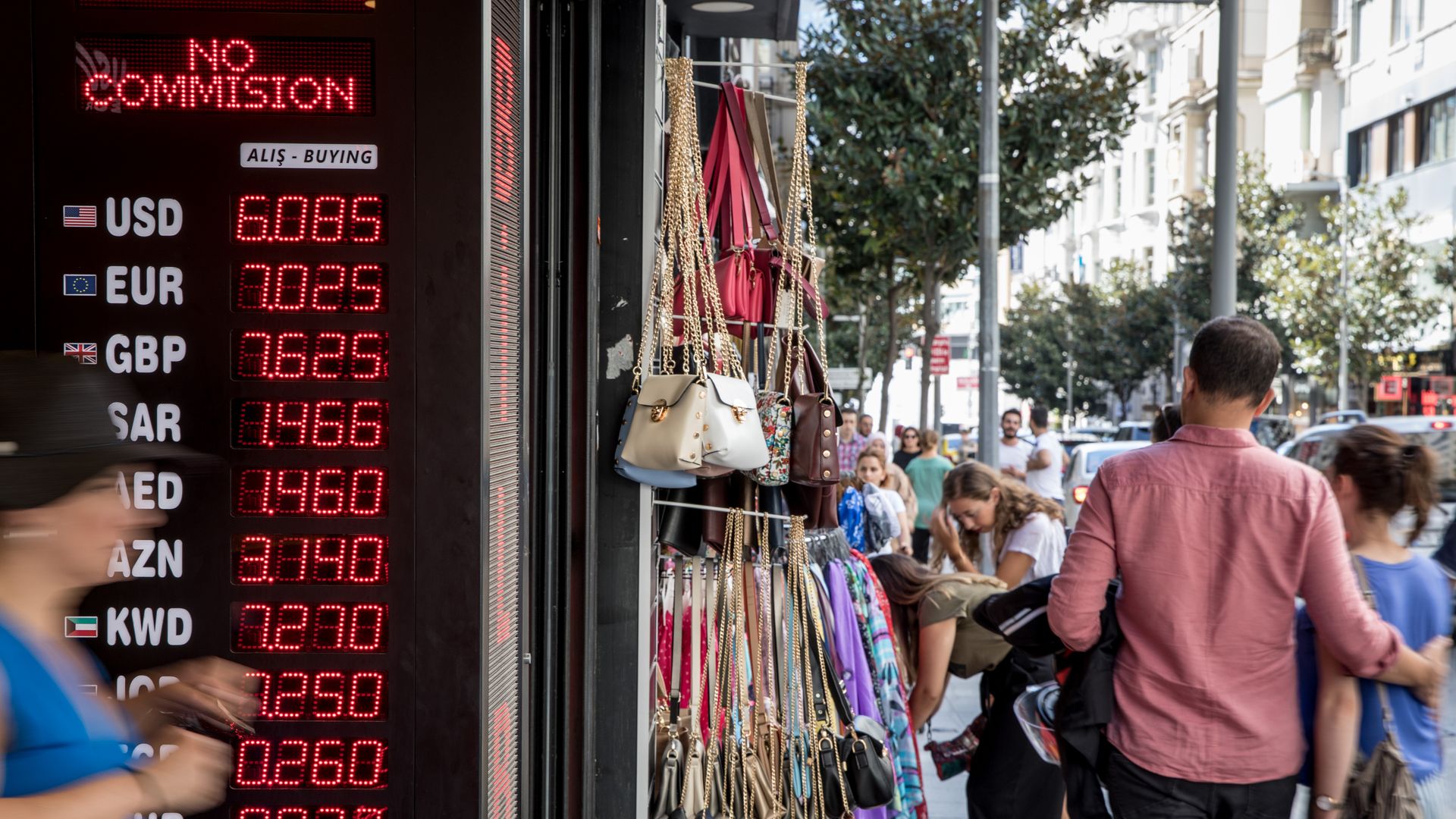
Turkish President Recep Tayyip Erdogan doubled tariffs to 140% on American alcohol and 120% on American cars, while also raising duties on U.S. goods like leaf tobacco, cosmetics, rice and coal, reports Reuters.
The big picture: The lira continued its rebound against the dollar Wednesday, despite Erdogan's move to further escalate trade tensions. The recovery is likely a result of steps taken by the country's banking regulator, which has restricted international access to the lira to prevent foreigners from shorting the currency, per CNBC.
Cryptocurrency market value has dropped 70% from its peak in January, the Wall Street Journal reports, falling under $200 billion this week for the first time since November.
Why it matters: Per the WSJ, many are taking the "plunging cryptocurrency prices" to mean "the apparent failure of bitcoin, ether and other popular units." Chief global strategist and managing director for B. Riley FBR Inc., Mark Grant, told the WSJ that people "are starting to realize that they drove this stuff up in a feeding frenzy, and they're starting to realize just how dangerous it is."
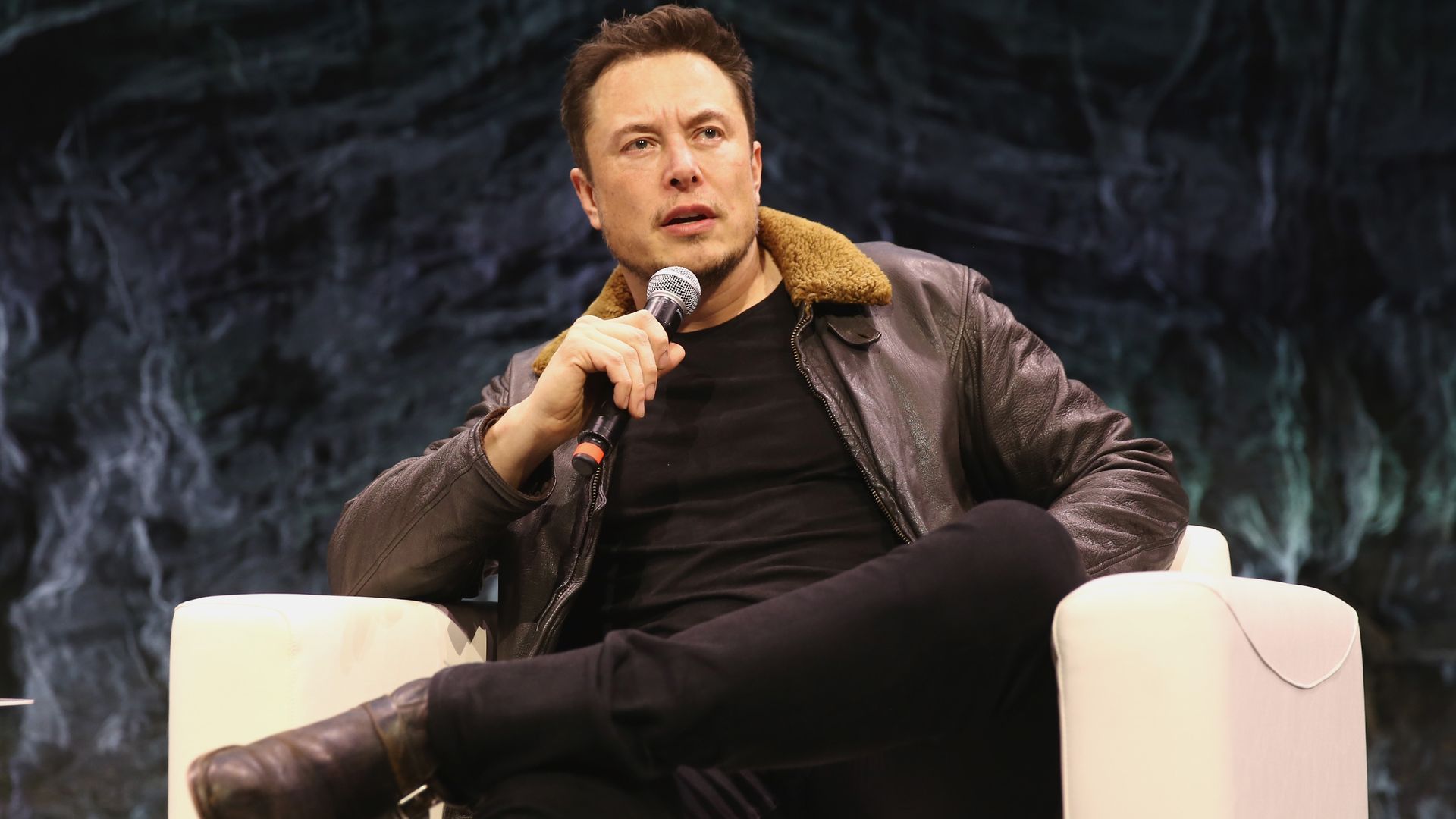
Elon Musk has been active on Twitter over the last week and has twice tweeted out misinformation about Tesla and its financial state.
Why it matters: Tesla was already under the microscope following a subpar second quarter, and Musk's latest tweets are not relieving any pressure for the company. Since sending the tweets, he has been charged with securities fraud in a class-action lawsuit and continues to be investigated by federal securities regulators.
Although soybeans — which are almost exclusively produced by farmers in Trump country — have been a prime target for Chinese tariffs, the politically-charged debate in the president's escalating trade war has politicians from both parties making false assessments on the consequences soybeans farmers are currently facing, a Washington Post analysis found.
The big picture: Both a red-state Democrat and President Trump have tweeted false information on the heated matter. As the Post notes, "The agricultural commodities market is a complicated balance of supply and demand that politicians seem intent on glossing over."