AT&T will be allowed to complete its $85 billion acquisition of Time Warner, with a federal judge on Tuesday rejecting an antitrust challenge by the U.S. Justice Department.
Why it matters: The ruling is expected to set off a chain reaction of other mega-mergers, while the AT&T-Time Warner tie-up will remake the media, tech and telecom landscapes by creating a media powerhouse that controls premium content as well as the networks that distribute it.
President Trump's trade adviser Peter Navarro called his Sunday statement that "there's a special place in hell" for Canadian Prime Minister Justin Trudeau "inappropriate" at a Wall Street Journal event this morning.
"In conveying that message I used language that was inappropriate and basically lost the power of that message. I own that, that was my mistake, my words."
— Peter Navarro at a Wall Street Journal CFO Network event
Publishers are investing in new technologies to serve users more personalized content based off of their emotional response towards about certain topics and stories.
Why it matters: For decades, dated metrics of marketing success, like click-through rates, have been used to justify ad spending and other marketing investments. Now, AI will help marketers understand what motivates someone to buy or take action on something, and that may not always be a click.
Why it matters: None of Trump's trade policies were intentionally aimed at the American media industry, but their collective impact is creating headaches for businesses, especially those affected by more than one of the trade targets.
A federal judge will decide Tuesday whether AT&T can acquire Time Warner for $85 billion.
Why it matters: Today's court decision will shape the media and telecom landscape, as it will set off chain reactions for other media mergers and will help determine how viewers watch video content for decades to come.
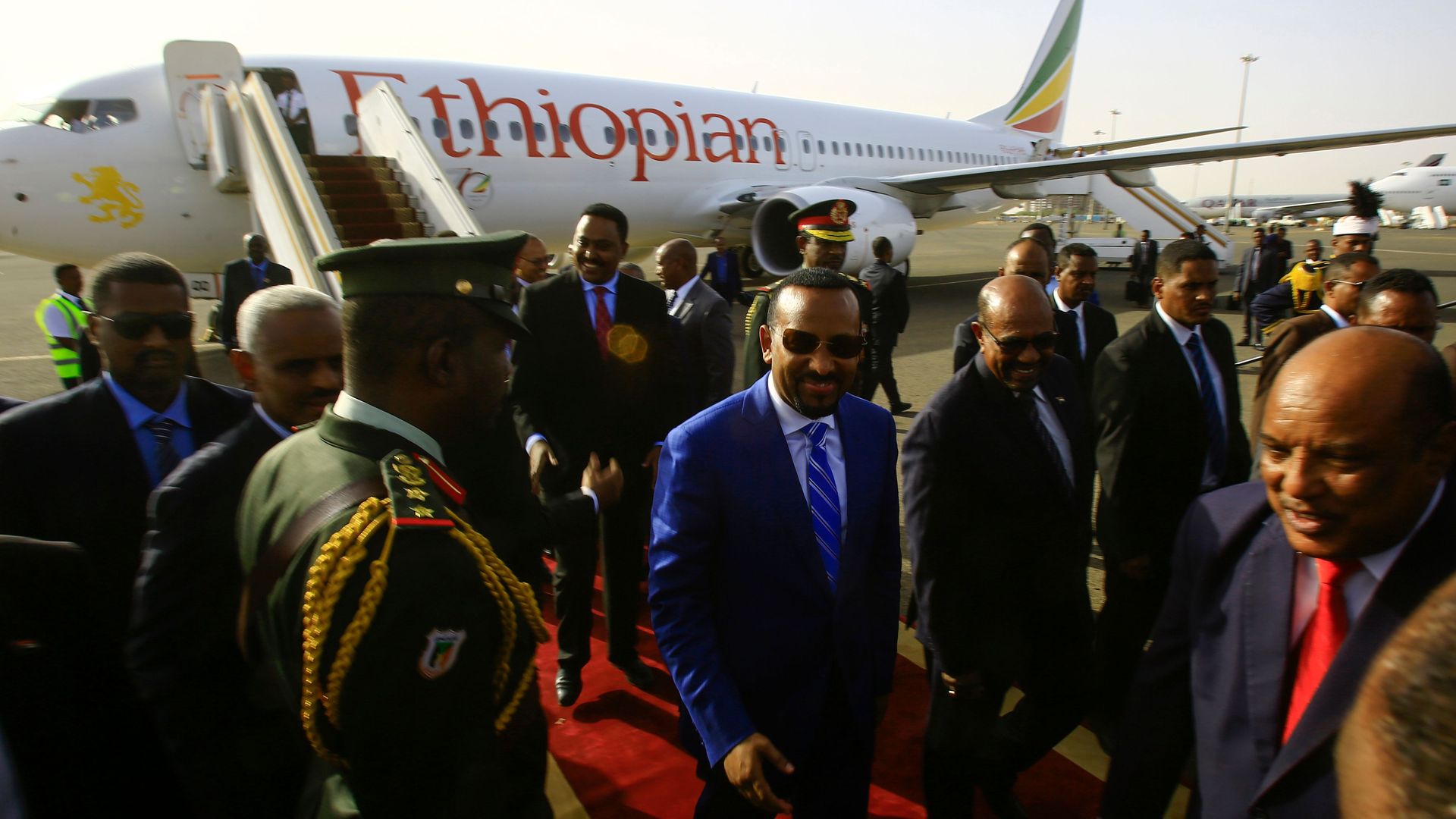
Ethiopia's government announced plans last week to allow private-sector participation in key economic areas that have long operated as government monopolies, including energy, telecommunications and aviation. The announcement comes two months into Prime Minister Abiy Ahmed’s term, and may be his first clear signal of opening the economy.
Why it matters: With public infrastructure investment generating almost 10% annual GDP growth over the last decade, Ethiopia is one of the fastest-growing countries in the world. However, Ethiopia has also accumulated large amounts of debt, and businesses are eager for foreign exchange.
More than $132.5 million has been spent on TV ads for gubernatorial races, USA Today's Fredreka Schouten and Erin Kelly report, which is almost twice as much as what was spent during the same period in 2014.
Why it matters: Most of the midterms focus has been on the House, but gubernatorial races from Colorado to Maine are quickly becoming more competitive, forcing spending to reach new levels.
Workday has agreed to buy Adaptive Insights, a Palo Alto-based maker of cloud-based financial management software that had been planning to go public this week.
Bottom line: The price is $1.55 billion, which is more than double the $705 million fully-diluted value that Adaptive Insights would have fetched in the middle of its IPO range.
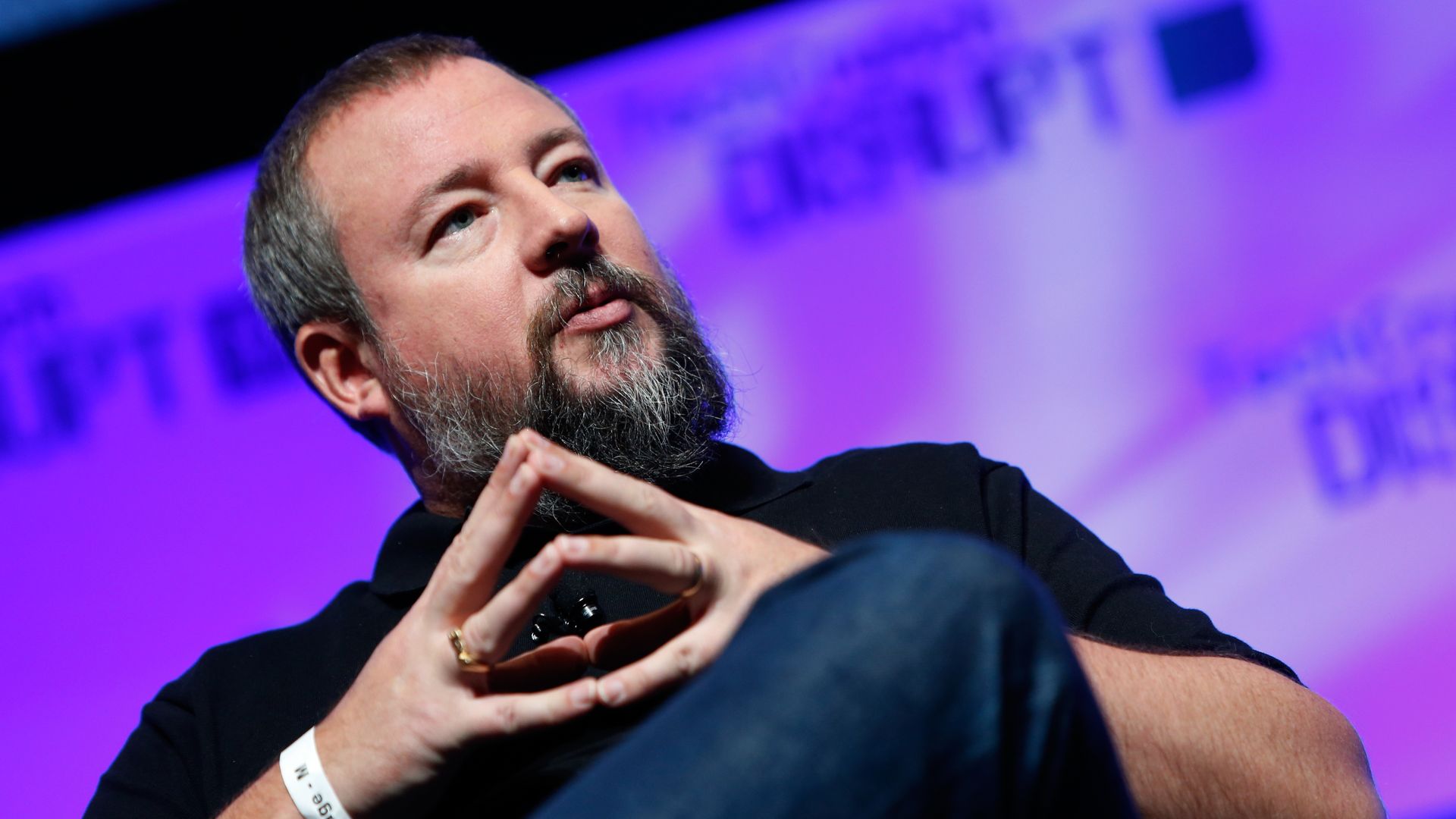
Vice's co-founder Shane Smith had his own plan for the company: Build it up and sell when the going gets good. But after a meteoric rise, the company faces a crossroads after its growth has been stonewalled, writes New York magazine's Reeves Wiedeman.
Why it matters: The piece captures the modern story of wild investor cash, thrown at a wild entrepreneur, who threw crumbs to thousands of young, wild staffers, to create wild content — and the appearance (often a mirage) of wild growth.
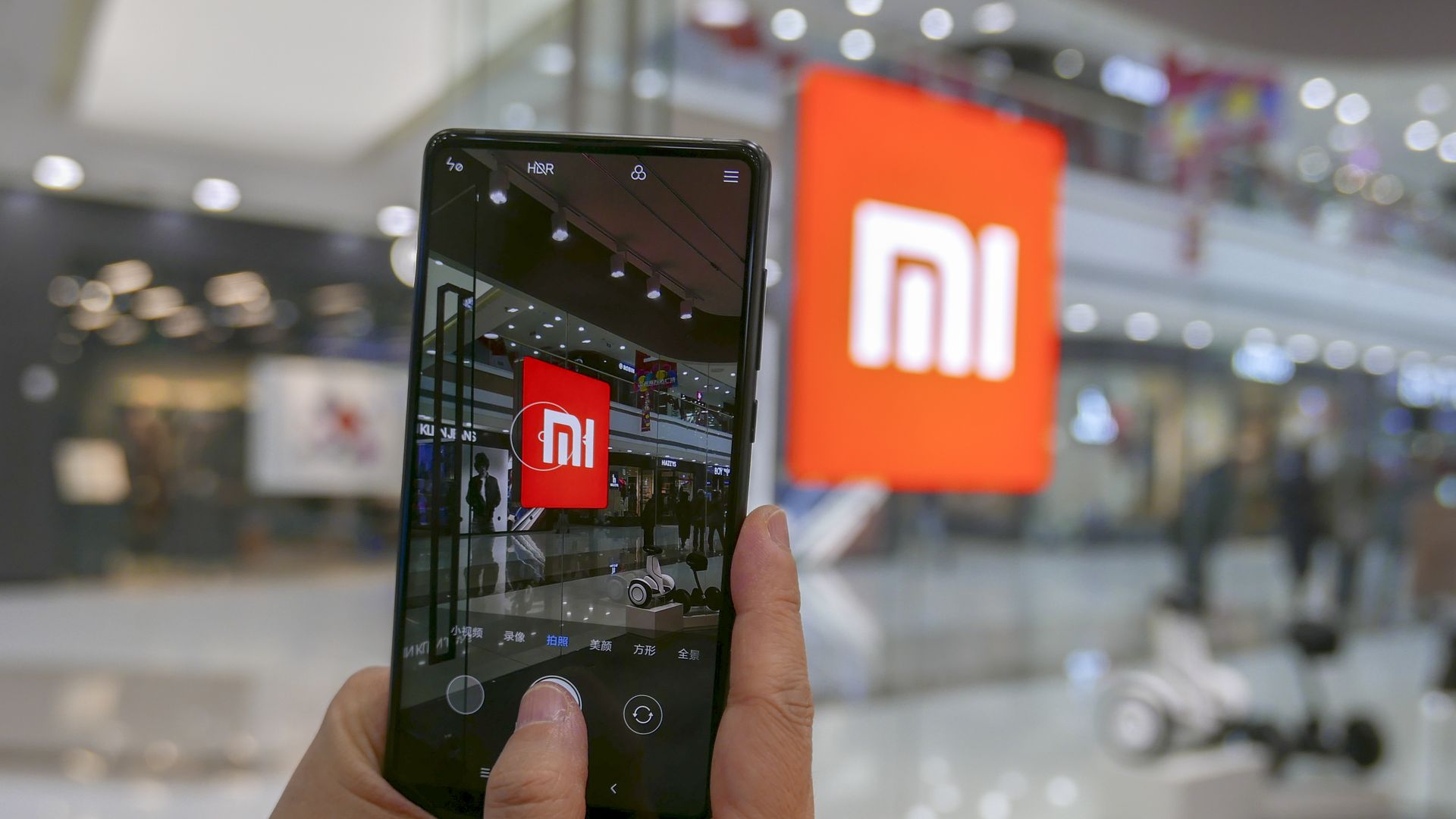
Xiaomi, the Chinese consumer electronics giant, disclosed a $1.1 billion (7 billion yuan) loss on revenue of $5.4 billion (34.4 billion yuan) for 2018 Q1 because of one-time accounting charges, according to a new regulatory filing obtained by The Wall Street Journal. Excluding those charges, it reported $265 million (1.7 billion yuan) in profit.
Why it matters: Xiaomi is slated for the biggest IPO ever later this year, expected to value the company at $70 billion. The company's ambitions to sell smartphones in the U.S. could also be hindered by growing legislative hostility to Chinese companies.
In a series of Sunday night tweets, President Trump repeated his claims of unfair international trade practices against the United States' closest allies in the G7, saying that "Fair Trade is now to be called Fool Trade if it is not Reciprocal" — and singling out Canadian Prime Minister Justin Trudeau.
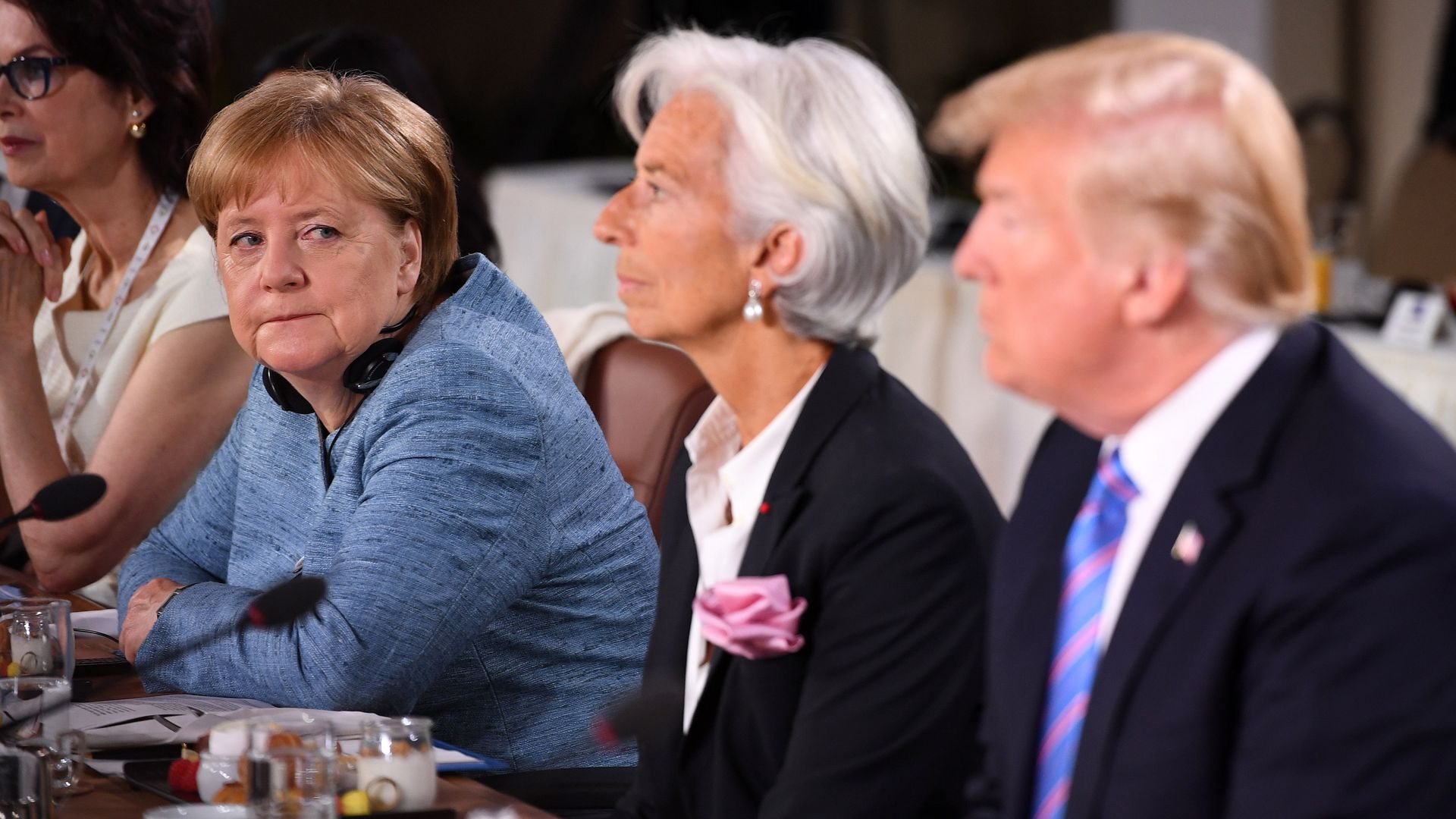
The latest: Earlier this afternoon, German Chancellor Angela Merkel called Trump's decision to pull out of the G7's joint communique via tweet as "sobering and a bit depressing."
German Chancellor Angela Merkel on Sunday called President Trump’s abrupt decision to withdraw support for a G7 communique “sobering and a bit depressing” and cautioned that the European Union, like Canada, will impose counter-measures against U.S. tariffs on steel and aluminum, per Reuters.
The details: Her remarks add to the international backlash over Trump’s surprise withdrawal from the G7's joint message via Twitter on Saturday en route to Singapore for a summit with North Korean leader Kim Jong-un. Merkel said in a televised interview that the G7 debacle didn’t mark the end of transatlantic partnership between Europe and the U.S., but added that Europe will not rely on the U.S. and will take steps to protect its own interests.