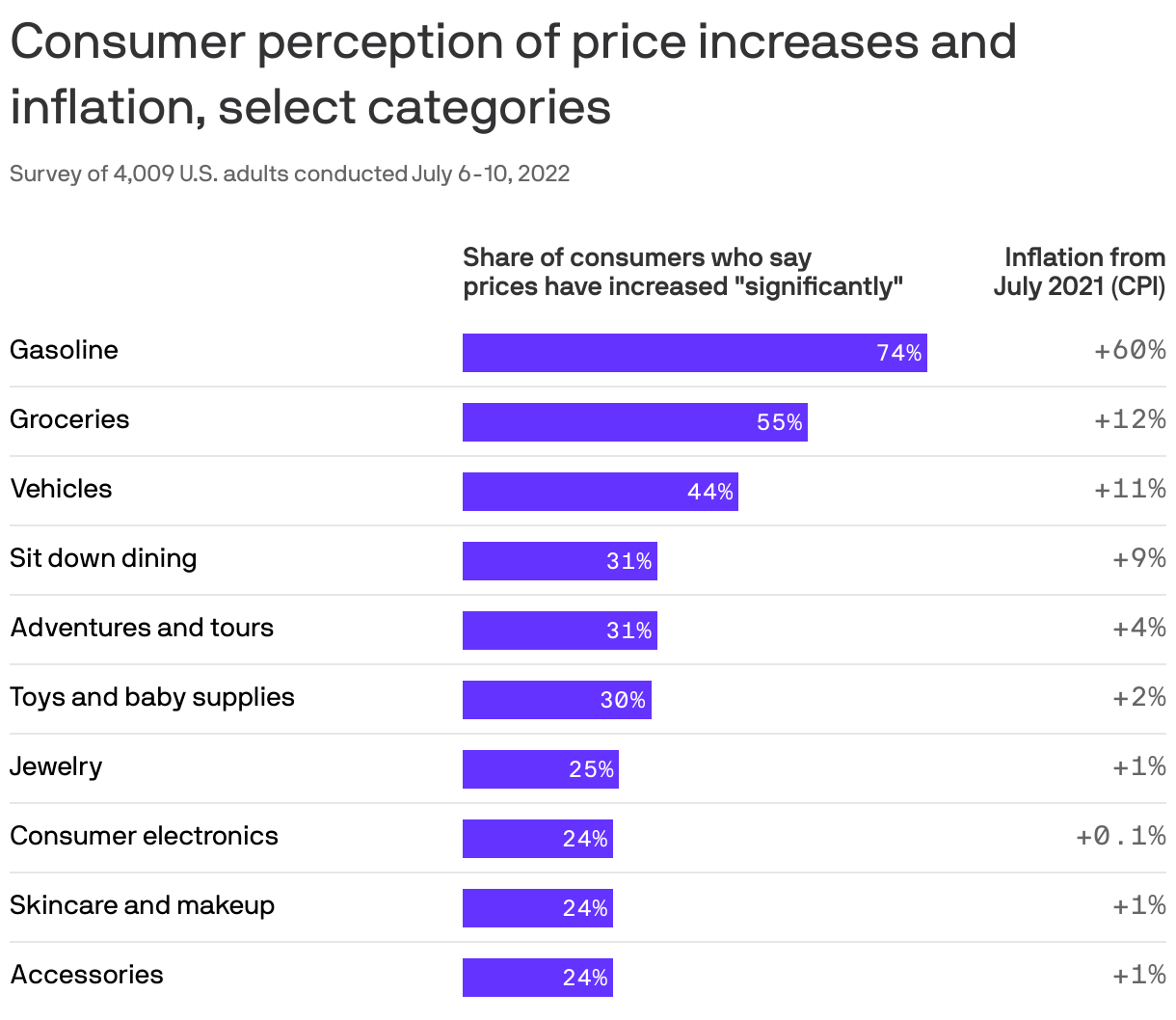
After two years of binge-buying gadgets and appliances, consumers have unplugged from electronics shopping.
Driving the news: Sales of electronics and appliances are down 9.9% year over year in July, the U.S. Census Bureau reported Wednesday in its monthly retail sales charts.
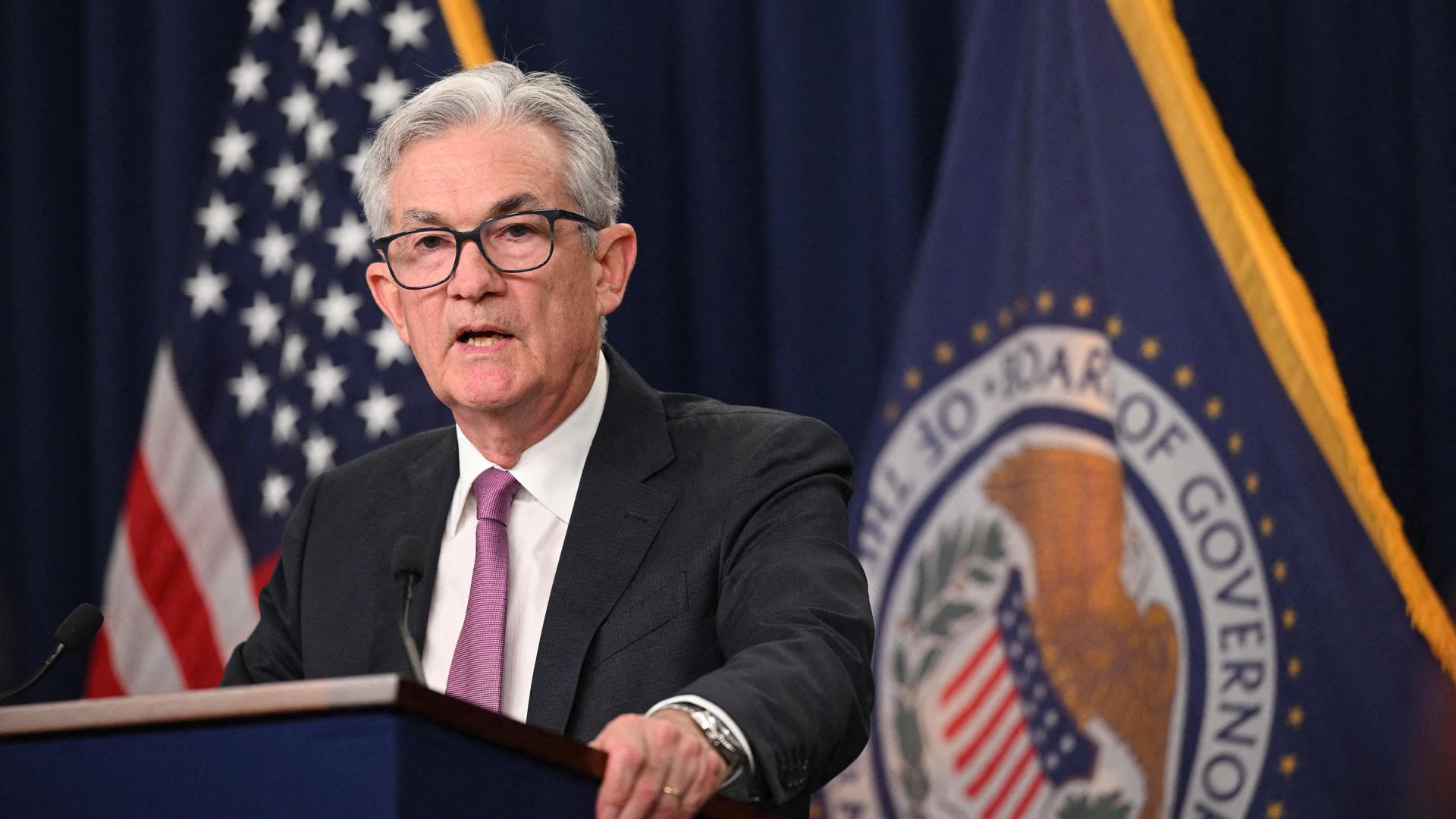
Federal Reserve officials last month agreed it would be necessary to continue raising interest rates to battle hot inflation, though they also discussed slowing the pace of hikes "at some point" to assess how the economy is digesting higher borrowing costs, minutes from their last policy meeting show.
Why it matters: The minutes indicate the Fed's resolve to raise interest rates to a level that sufficiently slows the economy — and, officials said, keep it at that level until it's clear inflation is slowing down.
More than 9,500 people died in motor vehicle-related traffic crashes in the first quarter of 2022, a roughly 7% increase from the same period in 2021, according to preliminary estimates released by the National Highway Traffic Safety Administration Wednesday.
Why it matters: The new data suggests U.S. roads are becoming increasingly deadly and that the country is on pace to have yet another annual increase in traffic fatalities.
The crypto establishment is making headway in some corners of Latin America, where adoption would appear poised to accelerate.
Why it matters: The U.S. is the financial capital of the world. But there is a future in which crypto adoptees in Brazil and Argentina, for example, drive the utility of digital assets farther than consumers in developed nations have.
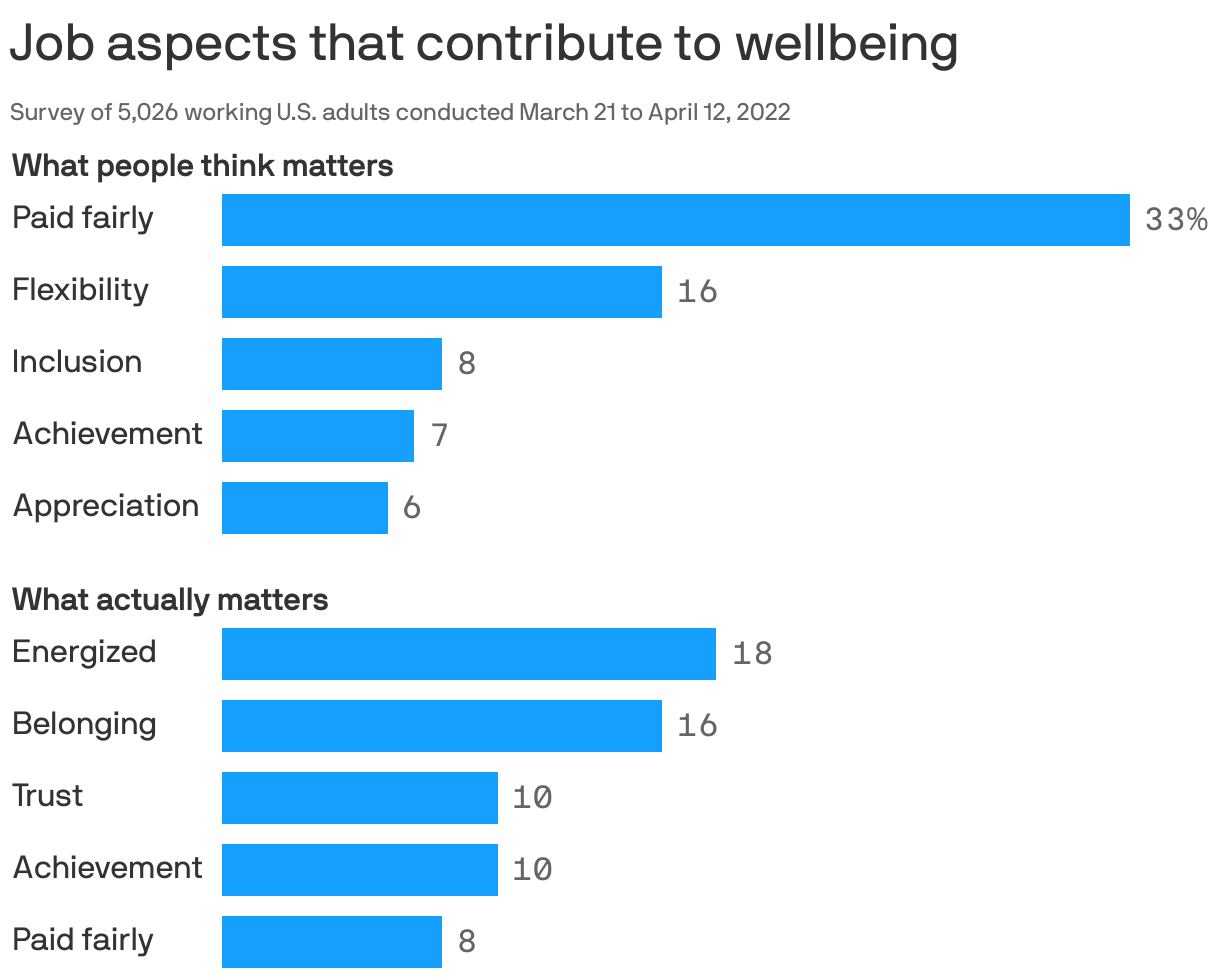
The best way to attract talent isn't money— it's with a happy workplace.
Driving the news: A new Indeed-Forrester workplace survey found that 90% of people "believe how we feel at work matters," and a majority think it’s their employer's responsibility to create a happy work environment.
Target shoppers continued to do what they do best during the second quarter. But the retailer's costs — nearly everything from managing inventory and higher wages amid a competitive labor market, to higher shipping fees due to fuel prices — ate away at the company's margins.
Driving the news: Target saw more than 90 million additional customer visits to its stores than they did in 2019, an increase in traffic of more than 20%, CEO Brian Cornell said on an earnings call this morning.
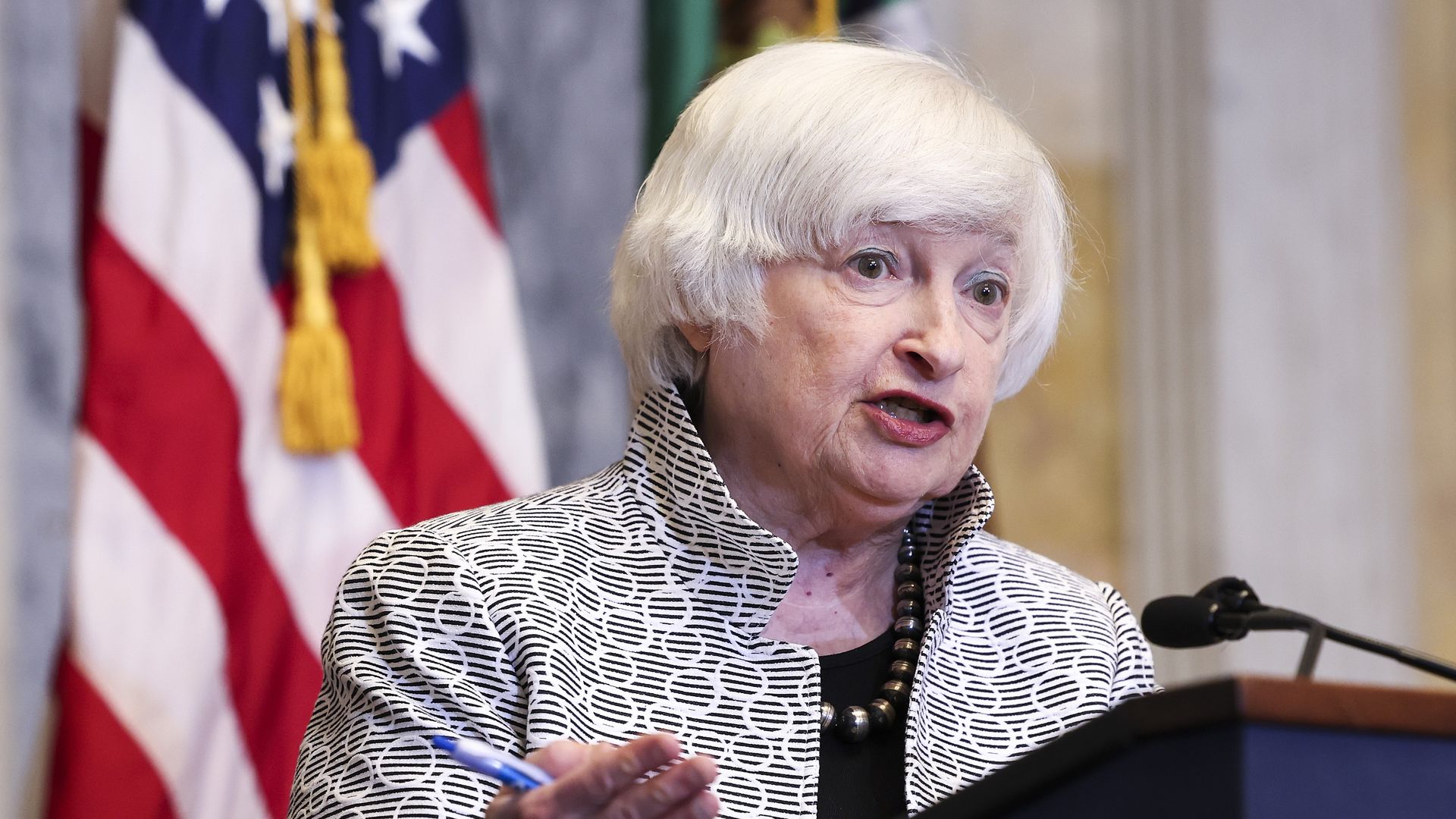
Treasury Secretary Janet Yellen told the Internal Revenue Service on Wednesday to create an operational plan for distributing the coming influx of new funding to the agency allocated to it under Democrats' new tax, climate and health care bill, according to a memo obtained by Axios.
Why it matters: Yellen's directive comes just a day after the President Biden signed the landmark bill into law.
Citibank says that Revlon owes it $500 million. Revlon — currently operating under bankruptcy protection — would love to not owe Citi anything. So Citi has sued Revlon, in an attempt to get a judge to say that the debt is real.
Why it matters: Citi lost $500 million thanks to its own antiquated technology and a key legal precedent involving a French institution with the glorious name of Banque Worms. Now it wants to use another legal concept — subrogation — to ensure it can claw back at least some of that money from Revlon.
The Federal Reserve has hit the brakes on the economy, in an attempt to slow inflation. Housing is where the rubber meets the road,
Why it matters: Since the pandemic, the hot housing market — and associated boomlets in renovations and new construction — have been key contributors to the post-COVID economic recovery. That's changing.
Data: Federal Reserve Bank of Dallas; Map: Alice Feng/Axios
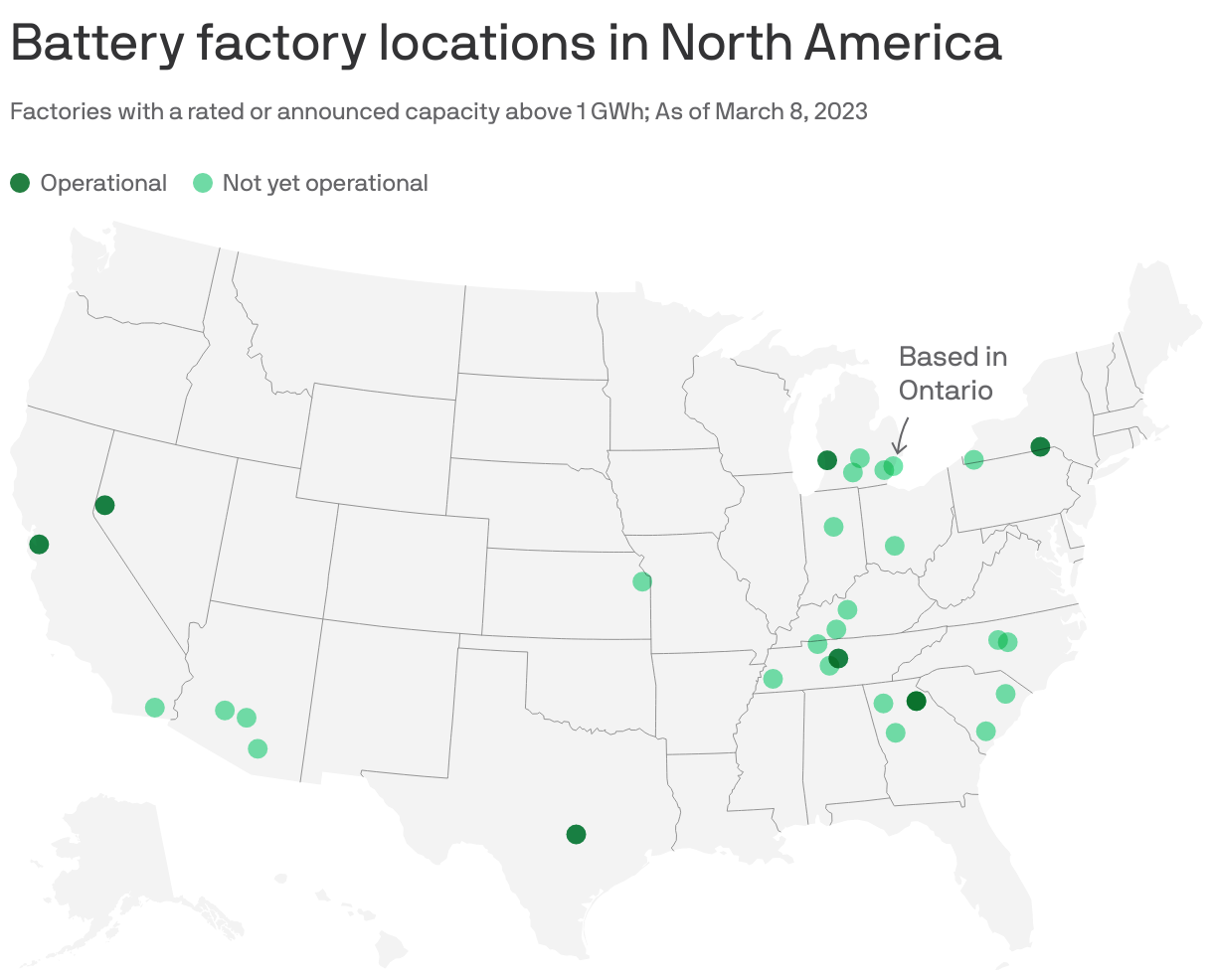
The climate bill President Biden has signed into law will open up tens of billions of dollars in subsidies for high-tech electric vehicle plants across the country.
Why it matters: The package is a big down payment on addressing climate change and moving toward energy independence as the U.S. races to build a domestic supply chain for batteries and other critical materials.