No area of the economy has been spared from shortage issues, including the cap-and-gown industry.
Catch up quick: Herff Jones, Balfour and Jostens are among the makers of graduation regalia that are working overtime to ship robes, caps, hoods and tassels to grads in time for ceremonies, the Wall Street Journal reports.
Companies are shedding workers as they adjust to a new post-pandemic normal.
Why it matters: The upper hand that workers have gained over the past two years may be on the verge of weakening as economic uncertainty sets in.
Catch up quick: Used car dealer Carvana this week laid off 12% of its employees due to a slowdown in business.
Collectively, Robinhood and Peloton are making thousands of cuts this year, as the popularity of their products has faded.
Thrasio, a buzzy e-commerce startup, replaced its CEO and reportedly is planning to cut up to 20% of its staff, according to Insider.
Between the lines: Businesses that grew too quickly during the pandemic are having to cut back because economic conditions have changed so much.
Investors, similarly, have been recalibrating their own projections, causing markets to spin wildly.
The big picture: Through April, this has been the lowest start to the year in terms of total layoffs in the country since 1993, Andrew Challenger, senior vice president at outplacement firm Challenger, Gray & Christmas, tells Axios.
Yes, but: “I am getting prepared to be busier the next few months,” Challenger says.
“Labor’s always a kind of slow [and] lagging indicator of what’s happening in the overall economy,” he added.
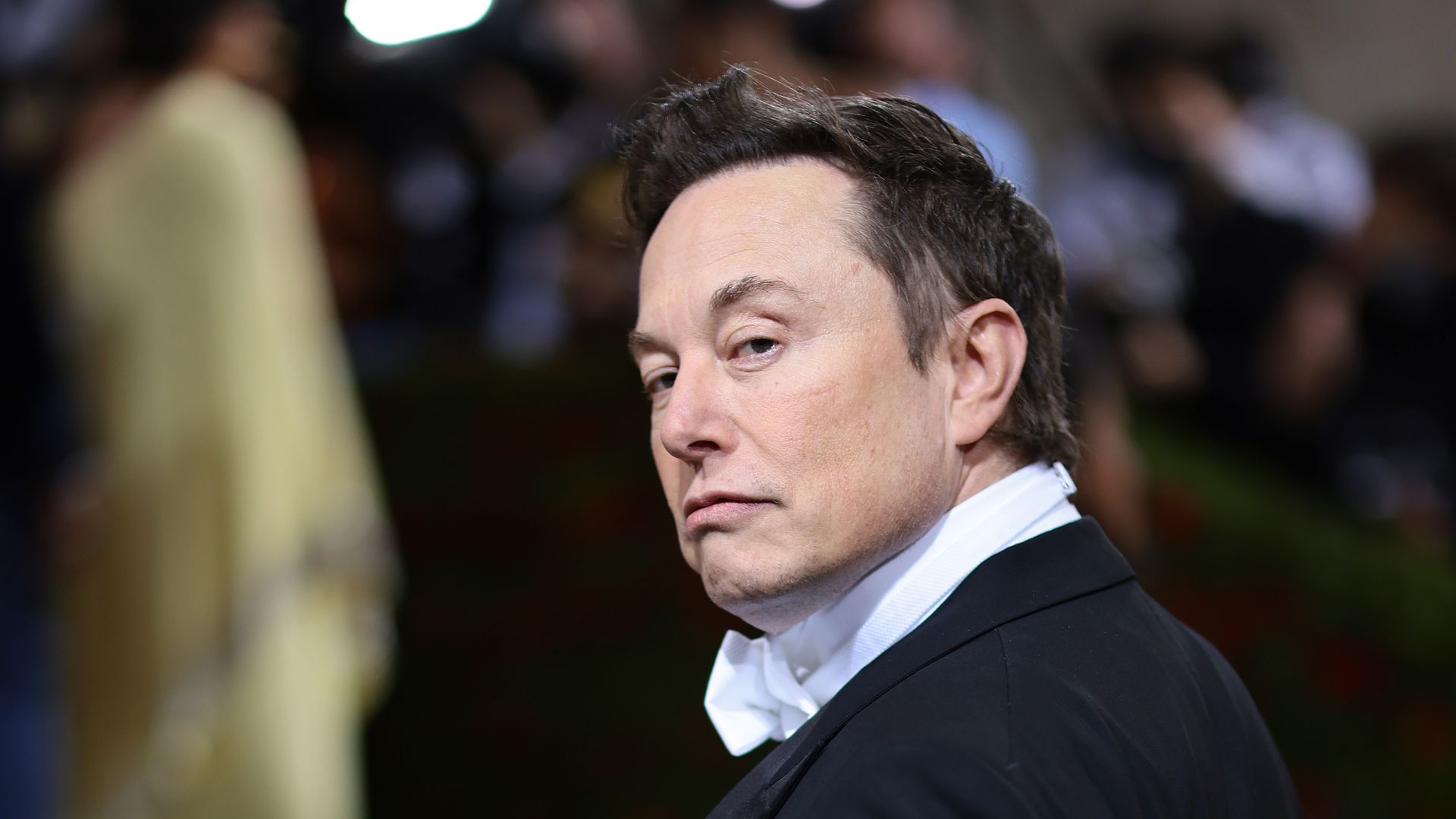
Driving the news: The mercurial Musk at 5:44am ET tweeted: "Twitter deal temporarily on hold pending details supporting calculation that spam/fake accounts do indeed represent less than 5% of users."
For cryptocurrency, 2021 was a very exciting year. For Coinbase, the best known cryptocurrency company that's publicly traded, it was so-so. Strangely, Coinbase seemed unable to capitalize on frothiness in the very financial market it was built to serve.
Why it matters: There's an old investor adage: in a gold rush, the guy selling shovels gets rich even if there's no gold. Coinbase should be a shovel company, but somehow it hasn't been.
With the whole world talking about stablecoins, we've been keeping an eye on tether, the oldest and largest stablecoin.
Be smart: Stablecoins are important to traders because they give them an easy way to lock in gains. If you just made a smart trade on a temporary imbalance in the market, you don't want to put those gains in bitcoin, which could drop in value suddenly and wipe out your cleverness.
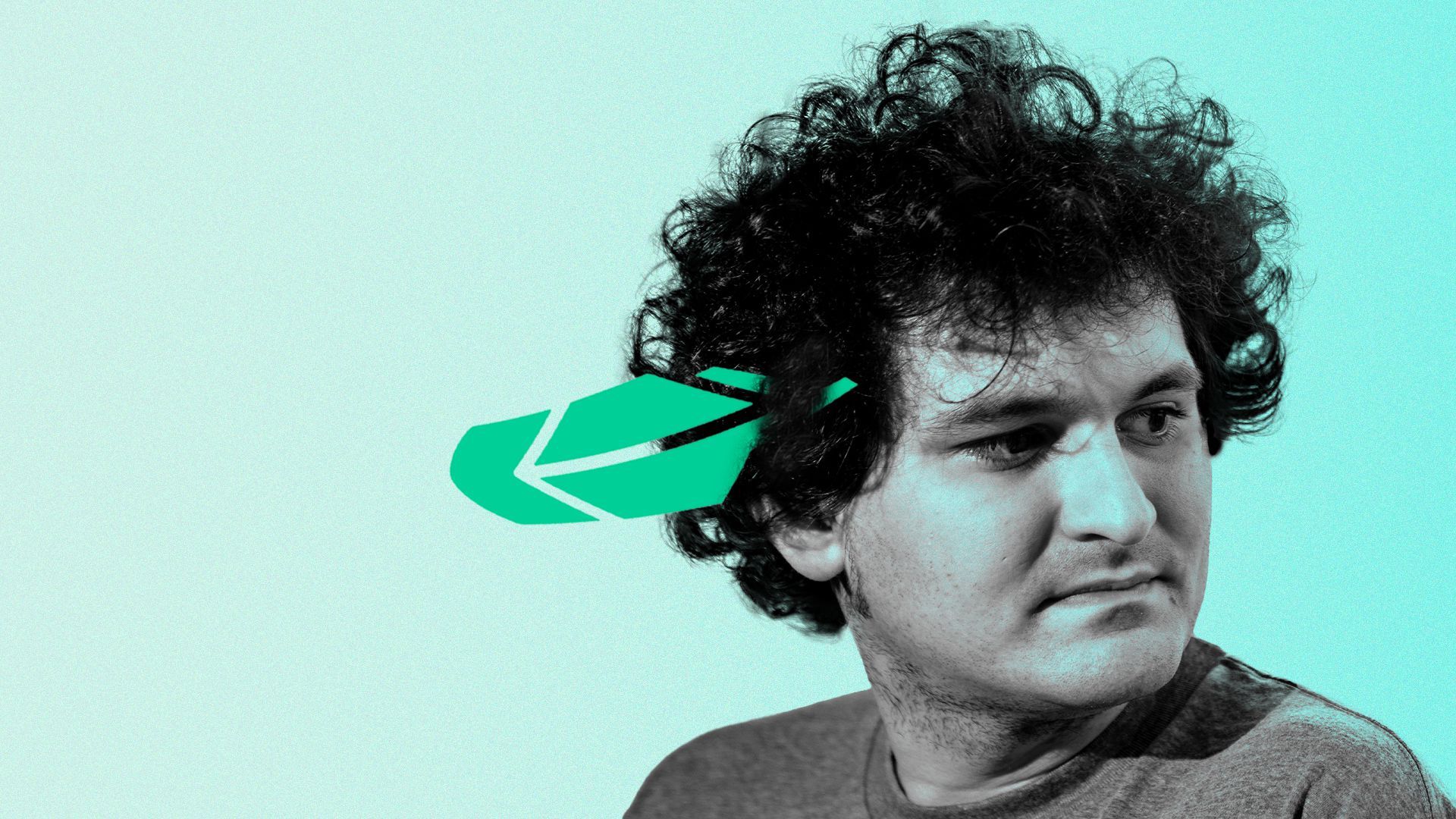
FTX CEO Sam Bankman-Fried's purchase of a 7.6% stake in Robinhood has sparked a wave of speculation as to what plans "SBF" has for the stock trading company. Axios spoke with him to get a better sense of what he's up to.
Why it matters: The tussle haired billionaire filed a Schedule 13-D form with the SEC to disclose the $648.3 billion purchase. Filing a "D" means he is technically not a passive investor (that's a 13-G) and instead can take an activist position to transform the company by pushing various changes, if he chooses.
It's not a bank run — but it's still a run. What happened to Tether (USDT) on Wednesday night is very similar to what happened to the Reserve Fund in 2008 — an event that worried regulators so much they stepped in with an emergency bailout of all money-market funds.
Why it matters: If a $64 billion money-market fund posed a systemic risk in 2008, it stands to reason that an $81 billion stablecoin poses a systemic risk in 2022.
Adjustable-rate mortgages, which start out with a relatively low rate that jumps after a certain time period, comprised nearly 11% of mortgage applications last week, the highest level since 2008, according to data from the Mortgage Bankers Association.
Why it matters: This is another way the Federal Reserve’s rate hikes are changing markets and behavior.
Following the collapse of the Terra stablecoin on Wednesday, selling pressure briefly forced the world's largest stablecoin — known as Tether — to fall below $1 early Thursday. It's the latest sign of pressure on the supposedly safe coins at the heart of the crypto economy.
Why it matters: While Tether reclaimed its $1 value, the disconnect has focused minds even more sharply on what seems like the growing fragility of the crypto markets in recent days.
Elon Musk tweeted Friday morning that his $44 billion deal to buy Twitter is "temporarily on hold" as he seeks more details on the platform's new estimate that spam and fake accounts make up less than 5% of users.
Why it matters: Musk provided few details, but the tweet from his official account will ignite havoc in the tech and financial worlds. Twitter shares extended their fall in pre-market trading.
Corporate America is facing a flurry of questions about how it provides health benefits in the wake of a leaked U.S. Supreme Court draft that indicates the federal right to abortion could be overturned.
Why it matters: Businesses hoping to use reproductive health benefits as part of efforts to recruit and retain employees would have to be careful not to run afoul of laws should states be allowed to ban abortions.
The roots of the great market crack-up of 2022 — in which a dramatic fire sale is engulfing stocks, bonds, cryptocurrencies and nearly everything in between — have been evident for a while.
The big picture: Workers who watched with awe as their 401Ks soared are now facing the harsh reality that stimulus from Uncle Sam couldn't last forever, and that it came at a cost —namely, soaring inflation.
Meme stocks GameStop and AMC rallied Thursday. Shares of the companies closed up 10% and 8%, respectively, in contrast to the day's relatively flat trading sessions.
At one point during the day, GameStop shares soared more than 30% and trading was halted for volatility multiple times, while AMC shares reached 20% gains.
This week’s crash in crypto markets has revealed just how much some on Wall Street have come to rely on the "fifth asset class."
Why it matters: “Even those that are vocally outspoken against it are in the back room … figuring out ways they can make money from it,” Randy Frederick, managing director of trading and derivatives at the Schwab Center for Financial Research, tells Axios.

/2022/05/13/1652462879521.gif?w=3840)