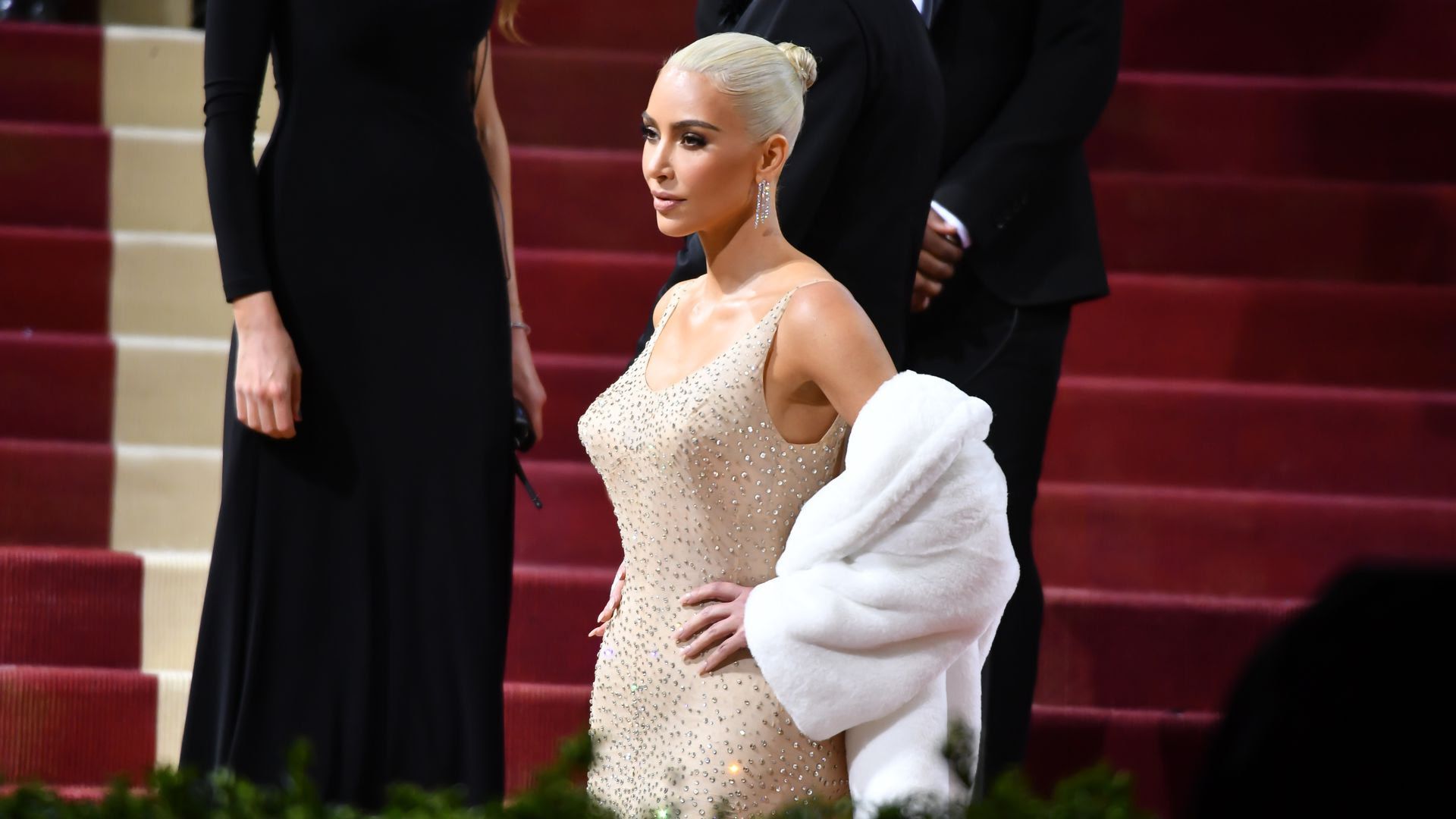
Any doubt that Marilyn Monroe remains as potent a figure now as she was in 1964 was erased last Monday. That's when Kim Kardashian stole the show at the Met Gala by wearing the frock in which Monroe famously serenaded President John F. Kennedy. (Another record: It's the most expensive dress ever sold at auction, after fetching $4.8 million in 2016.)
Why it matters: Cultural relevance "can never hurt" an artwork's value, says Sotheby's Jimenez. But when it comes to important works like "Shot Sage Blue Marilyn," the existence of something like Netflix's Warhol documentary is unlikely to move the needle on price.
New airlines don't come along very often,but the pandemic provided a rare opportunity for new carriers to establish themselves in smaller markets that had been abandoned by the major airlines in recent years.
Why it matters: Startups like Breeze Airways and Avelo Airlines represent a new generation of low-frills carriers that aim to disrupt the status quo just as Jet Blue and Southwest Airlines did decades earlier.
We often hearthe American Dream is dead. But whatever you think of immigration, every year people come here from around the world in pursuit of that dream.
Why it matters: People across borders and oceans still view the U.S. as the place to come to build a better life for their children.
It hasn't been a great year for the 0.00001%. The fortunes of Russian oligarchs have been frozen; crypto fortunes have been destroyed; and five billionaires — Bernard Arnault, Elon Musk, Mark Zuckerberg, Jeff Bezos, and Changpeng Zhao — have each lost more than $50 billion this year alone.
Why it matters: Even the most chipper tycoon might feel a pang of humility upon seeing an 11 (or 12)-figure sum evaporate from his personal balance sheet.
In what CEO Brian Chesky calls "the biggest change to Airbnb in a decade," the home rental company introduced a sitewide makeover Wednesday that makes it easier to find offbeat and niche properties.
Why it matters: As travel companies gear up for the summer rush — which will be intensified this year by pent-up post-COVID demand — Airbnb is trying to differentiate itself and give consumers fresh options.
A new report on the future of travel envisions that biometrics could eliminate airport security hassles, making the days of removing your shoes and belt before you board obsolete.
Why it matters: Flying was a far more pleasant experience before today's onerous passenger screenings became necessary. If facial recognition and other technology can handle security checks invisibly, airports can one day become enjoyable social and retail hubs.
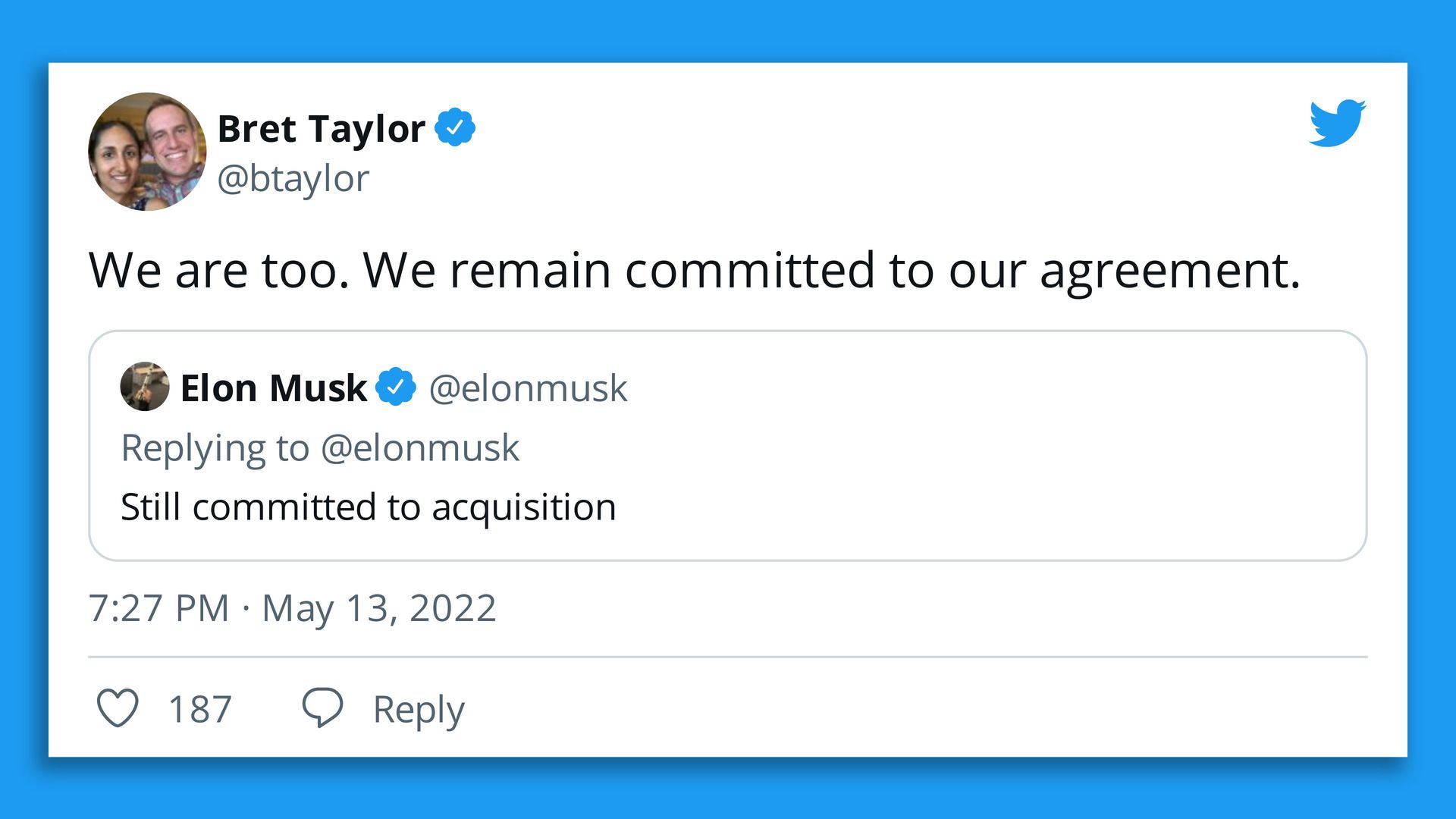
Elon Musk has agreed to pay $44 billion for Twitter, which is much more than it's worth. His actions indicate that he doesn't want to pay that much — he still wants the company, just not at that price.So the big question in the markets is: Will he end up buying the company, and, if so, how much will he end up paying?
Why it matters: At stake is the future of one of the most consequential social networks in the world.
And on a purely financial level, Twitter shareholders have a direct interest in how much they're going to end up getting paid. On top of that, Tesla shareholders have an indirect but similarly large financial interest in what happens.
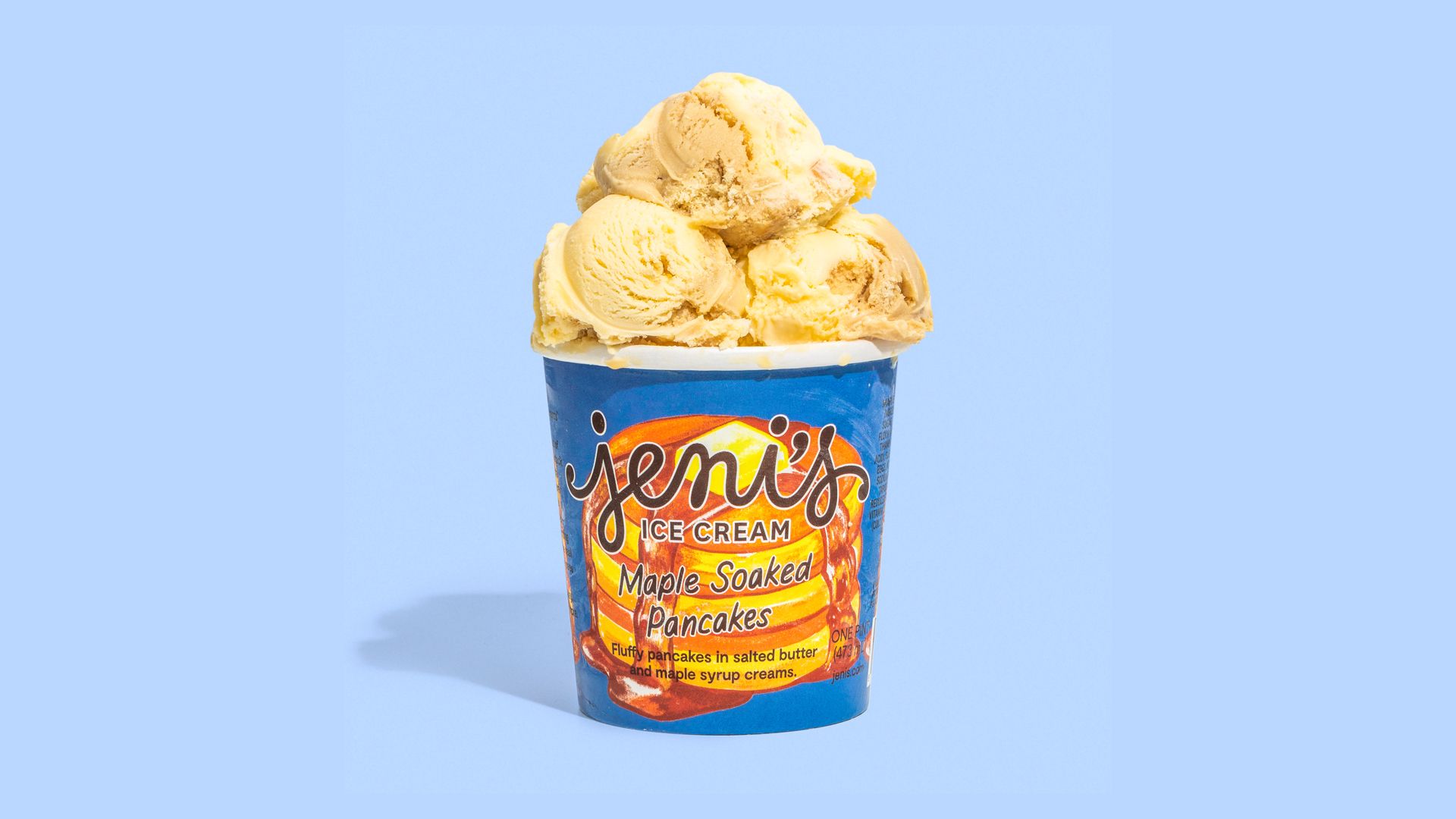
Maple-flavored foods are trending these days — as are snacks made from cauliflower and burgers made from anything but meat, judging from a list of the Specialty Food Association's favorite new products.
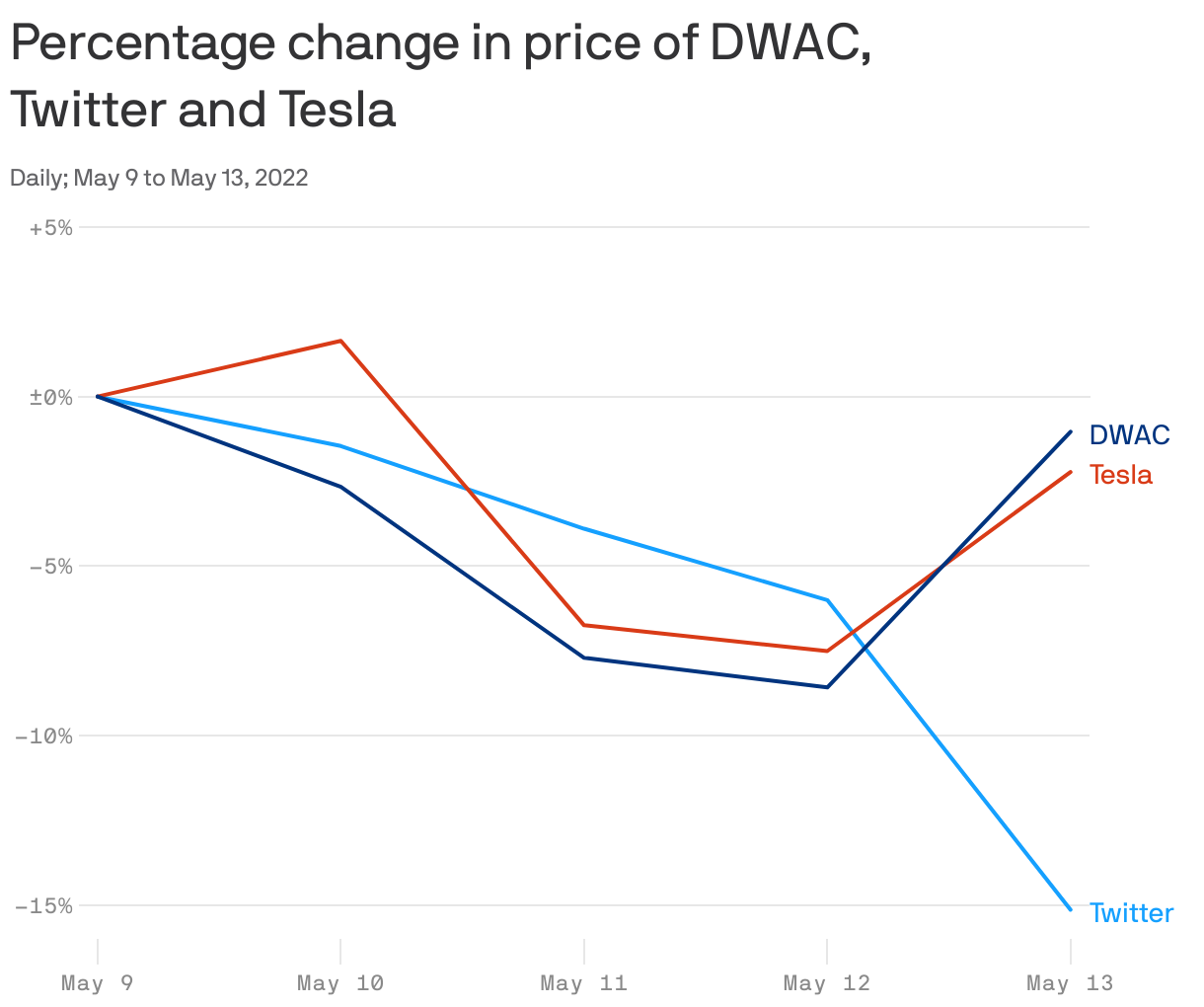
There’s no better proof of Twitter’s impact on public conversation and markets than one tweet moving billions of dollars in market cap across three different companies in a matter of minutes.
Driving the news: Elon Musk’s tweet that his pending Twitter takeover deal was “temporarily on hold” sent Wall Street on a wild ride Friday. Investors were already beginning to grow skeptical of Musk’s bid, but the possibility that he could walk sent Twitter’s shares tumbling more than 20% before the market opened.