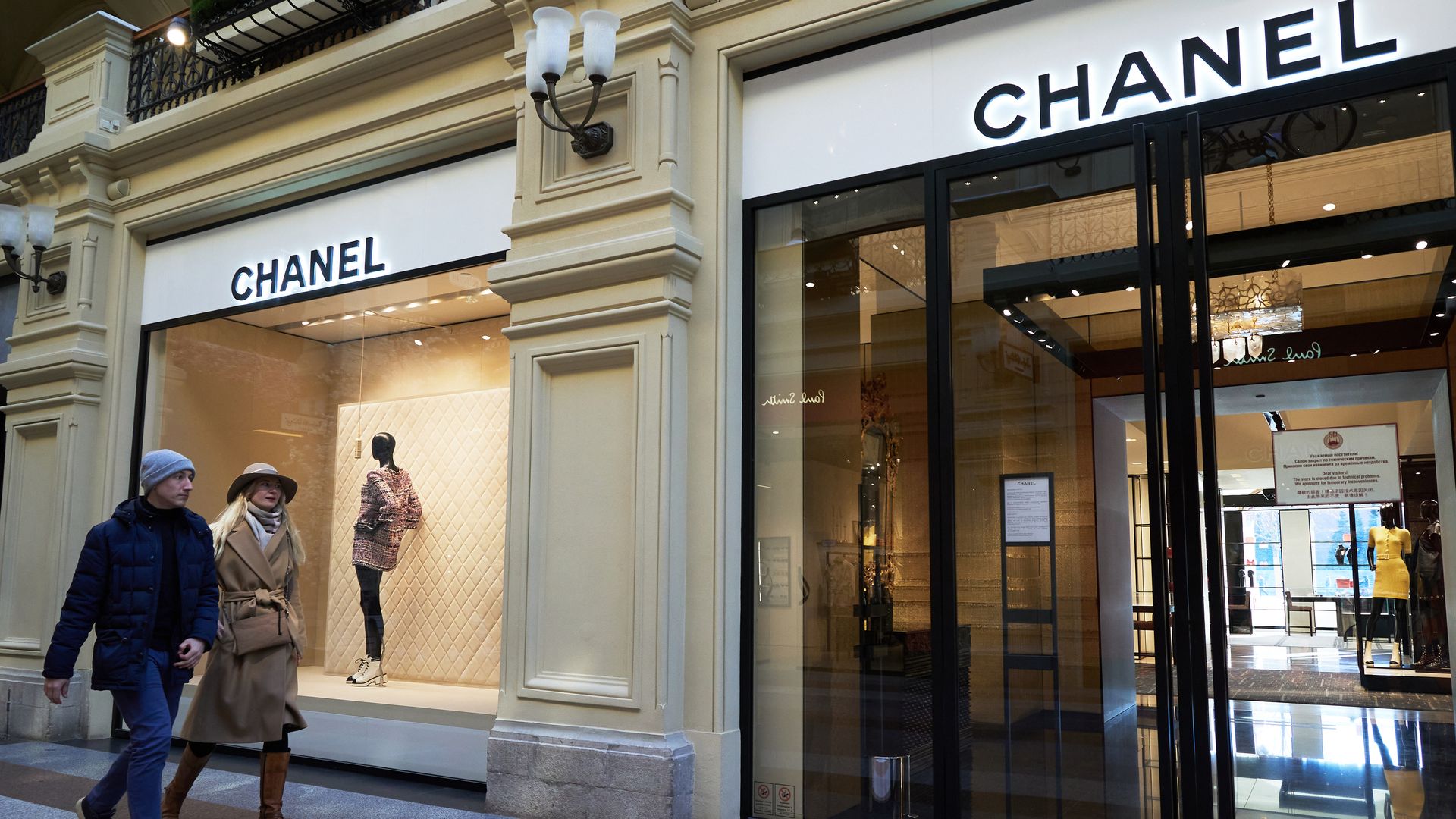
Russian influencers are cutting up their Chanel bags in protest of a policy halting the sale of products to those intending to use them in Russia.
The big picture: Like many other companies, the French luxury brand closed its stores in Russia in response to the country's invasion of Ukraine. It has also stopped selling its products to those who intend to take them to Russia, according to BBC.
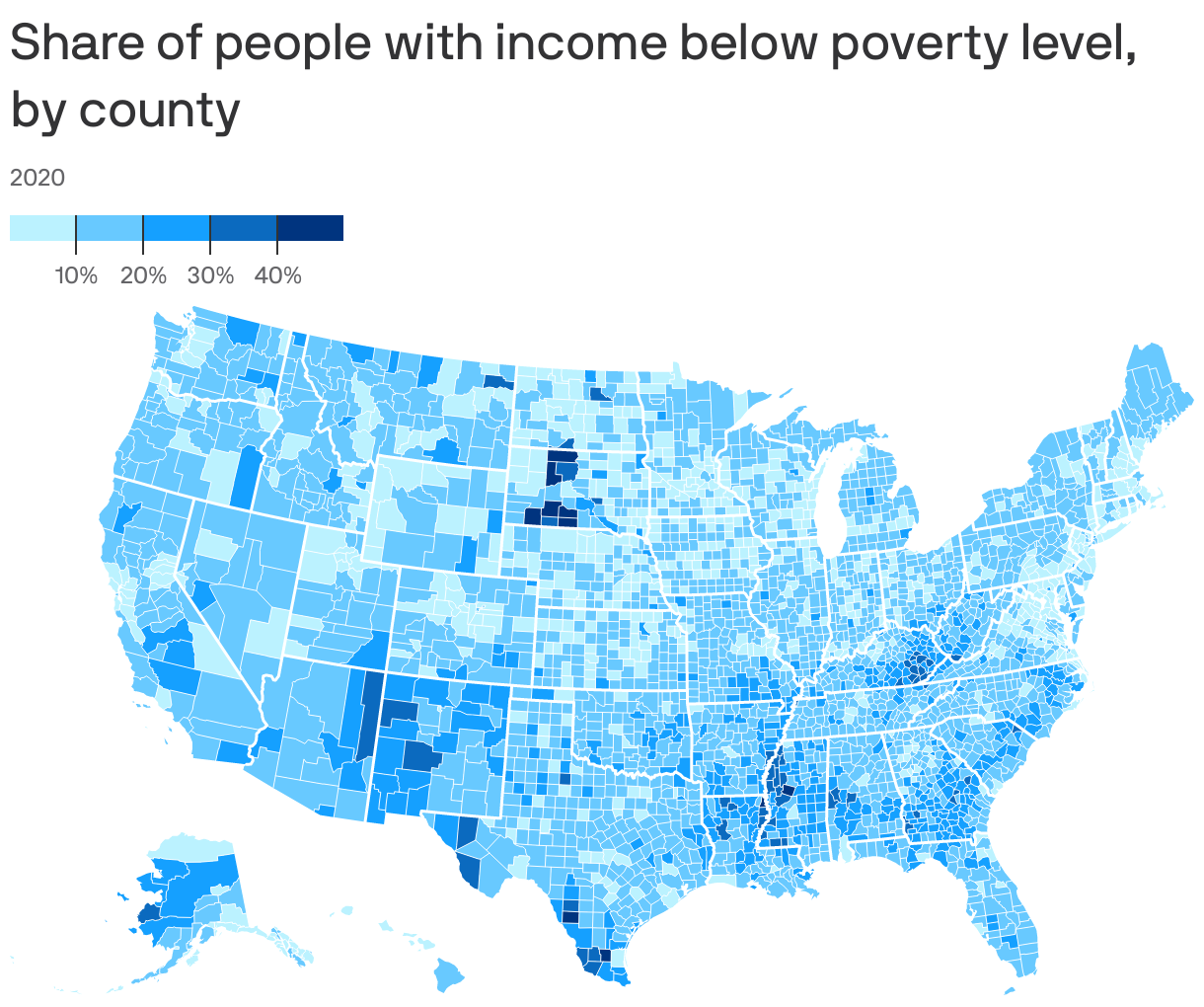
Data: American Community Survey; Map: Jared Whalen/Axios
This map shows 2020 (pandemic era) poverty data, with concentrations in Appalachia, the South, Southwest and South Dakota.
The big picture: The U.S. economy is emerging from the pandemic with more well-paying jobs for those who want them, less hunger, less poverty, higher wages, less inequality, and more wealth for everyday Americans, Axios reported in September.
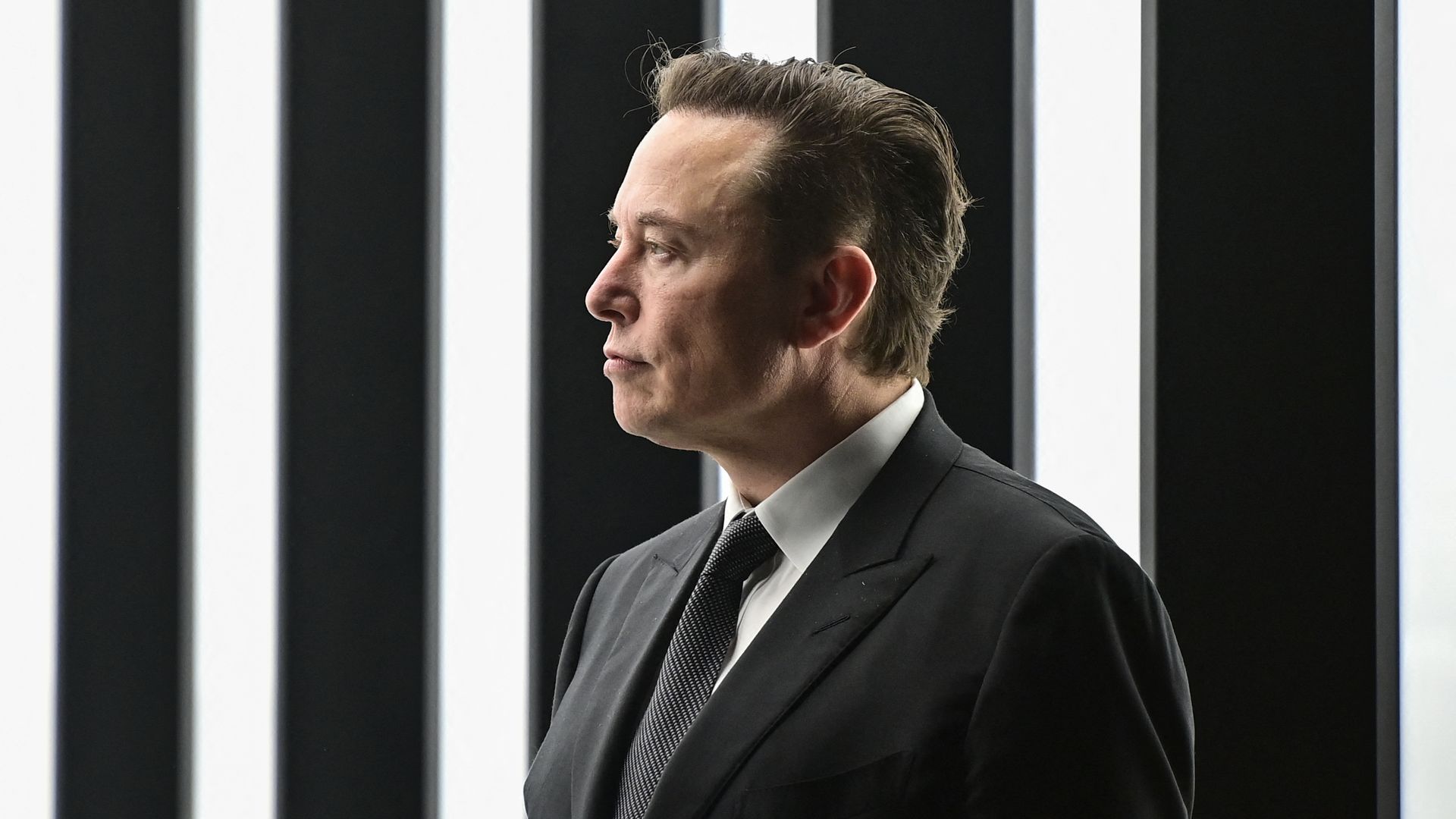
Elon Musk suggested in a series of tweets Saturday night changes to the premium Twitter Blue service — including a cheaper subscription price, banning ads and offering the option to pay in cryptocurrency.
Our thought bubble: Musk, Twitter's largest shareholder, is continuing to make very specific policy and product recommendations in public even though he now serves on the social media network's board and could presumably propose and promote them internally.
The humanitarian emergency in Ukraine has led to a global outpouring of support. In times of crisis, the feeling that you're looking on helplessly at atrocities is partially assuaged when there are actually ways to help, at least a little.
Why it matters: That impulse is a philanthropic one. All philanthropies are constantly on the hunt for government funding — and in this case the government funding is already there, to the tune of many billions of dollars. That can change the calculus of where to give.
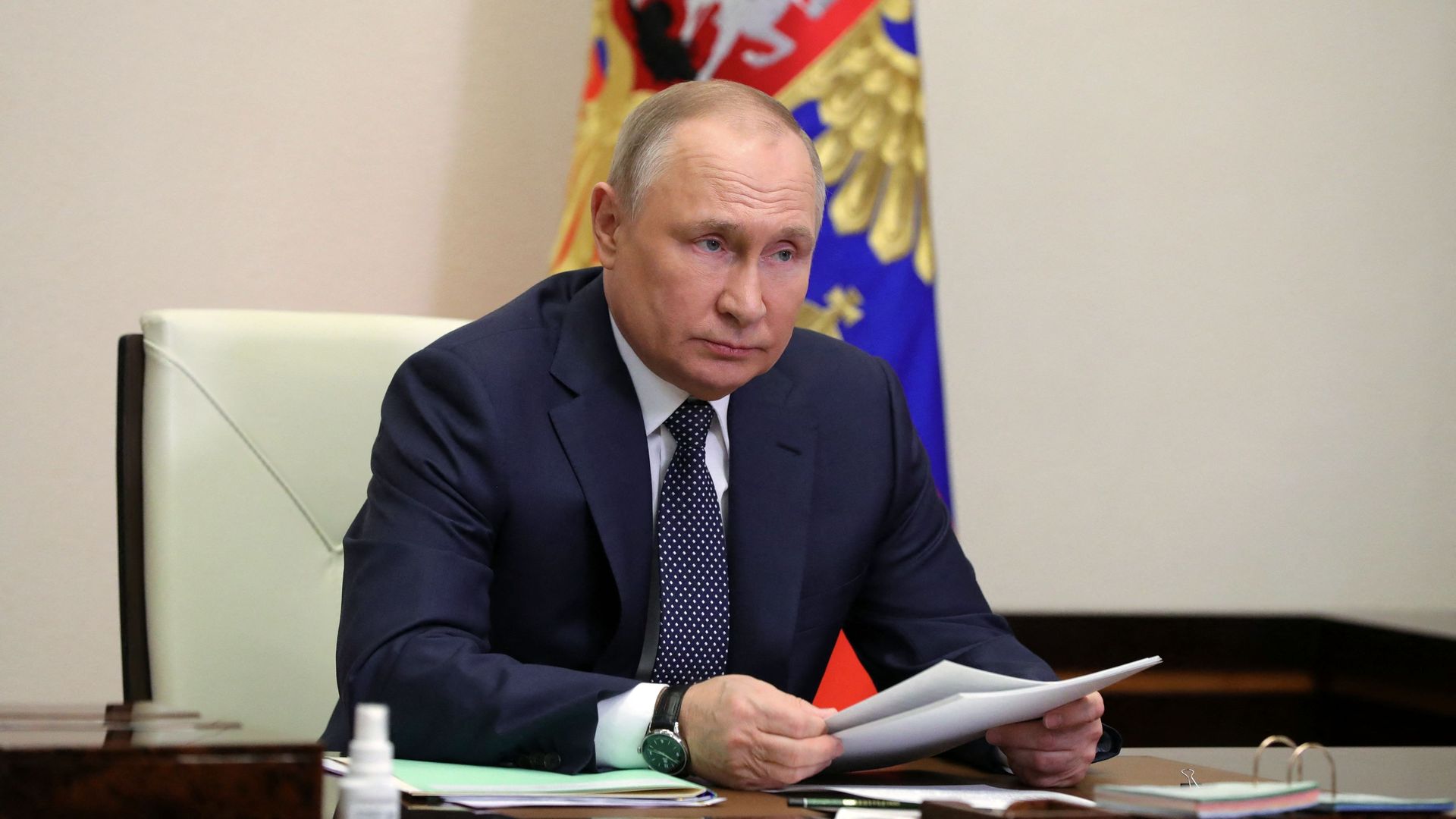
S&P on Friday lowered its gauge of the Russian government's ability to pay foreign debt, citing increased sanctions imposed over alleged war crimes during the country's invasion of Ukraine.
Why it matters: The downgrade is another sign that the country could soon default on its foreign debt for the first time since the Bolshevik Revolution.
The JOBS Act celebrated its 10th birthday on Tuesday. Signed into law by President Obama to great bipartisan fanfare, it was intended to increase the number of companies going public but has yielded mixed results.
Why it matters: The bill was designed as an antidote to some of the Sarbanes-Oxley Act’s onerous auditing and reporting rules and the SEC's failure to make it easier for companies to go public.
In an alert to clients this week Bank of America strategists warned in blunt language: "'Inflation shock' worsening, 'rates shock' just beginning, 'recession shock' coming."
Why it matters: The ultra-tight job market and high inflation are two sides of the same coin, Axios chief economic correspondent Neil Irwin notes.
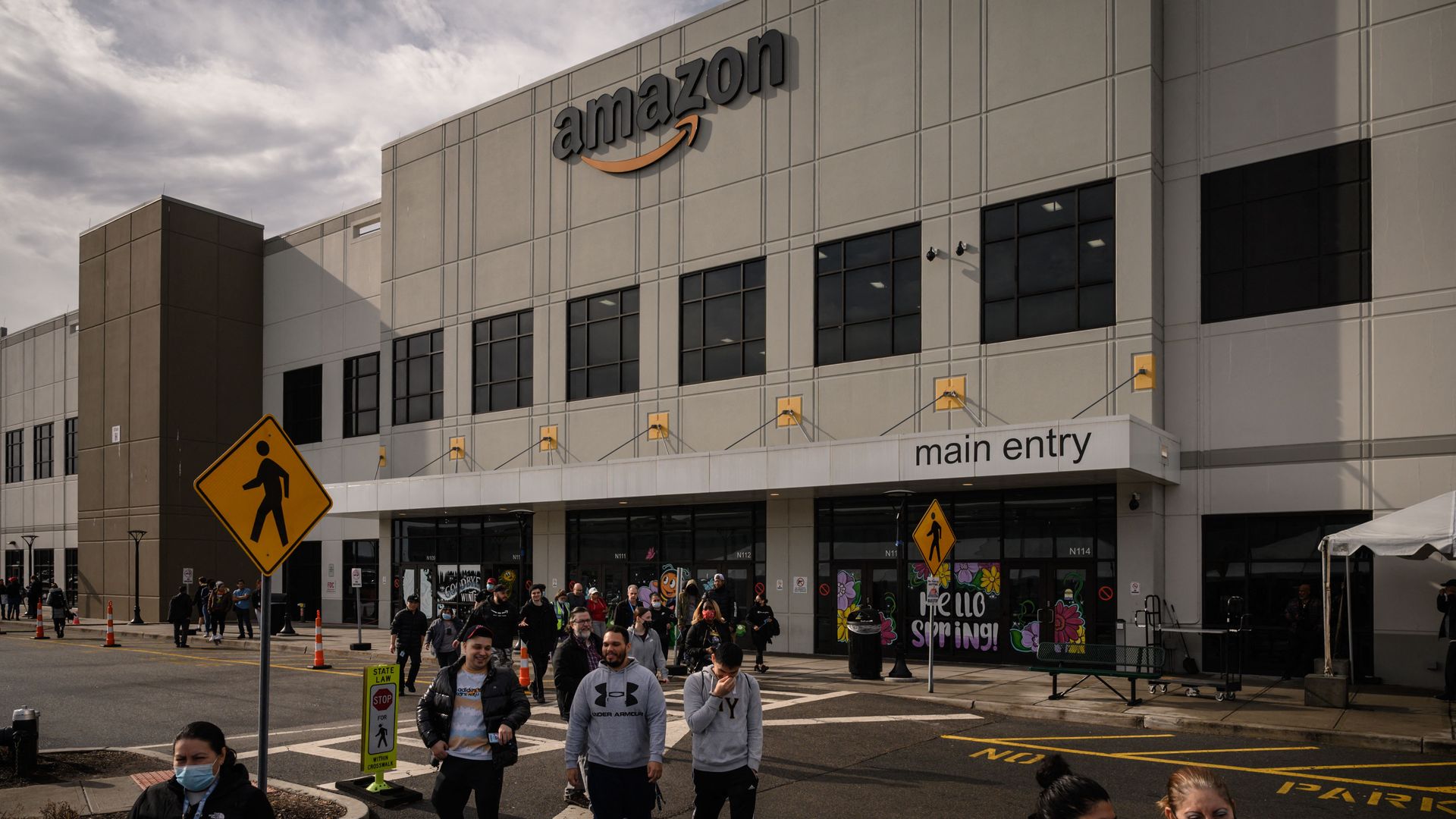
Amazon is seeking to overturn the union victory at a Staten Island warehouse, citing grievances with the election process in a legal filing on Friday, AP reports.
Driving the news: Amazon is accusing organizers with the Amazon Labor Union of trying to intimidate workers into voting for the union and seeks to redo the election.