Fertilizer prices have soared in recent weeks as Russia’s invasion of Ukraine further exacerbated global supply chain disruptions.
Why it matters: Fertilizer is a key component in food production, meaning farmers are poised to face higher costs likely leading to further increases in food prices.
Uber has long battled with the yellow cab industry, but today's landmark detente in New York City shouldn't come as a surprise.
Why it matters: The agreement, between the biggest rideshare operator in the country and adversaries in one of its most lucrative markets, was an inevitability. And while the deal may not be entirely win-win, it’s undoubtedly a need-need.
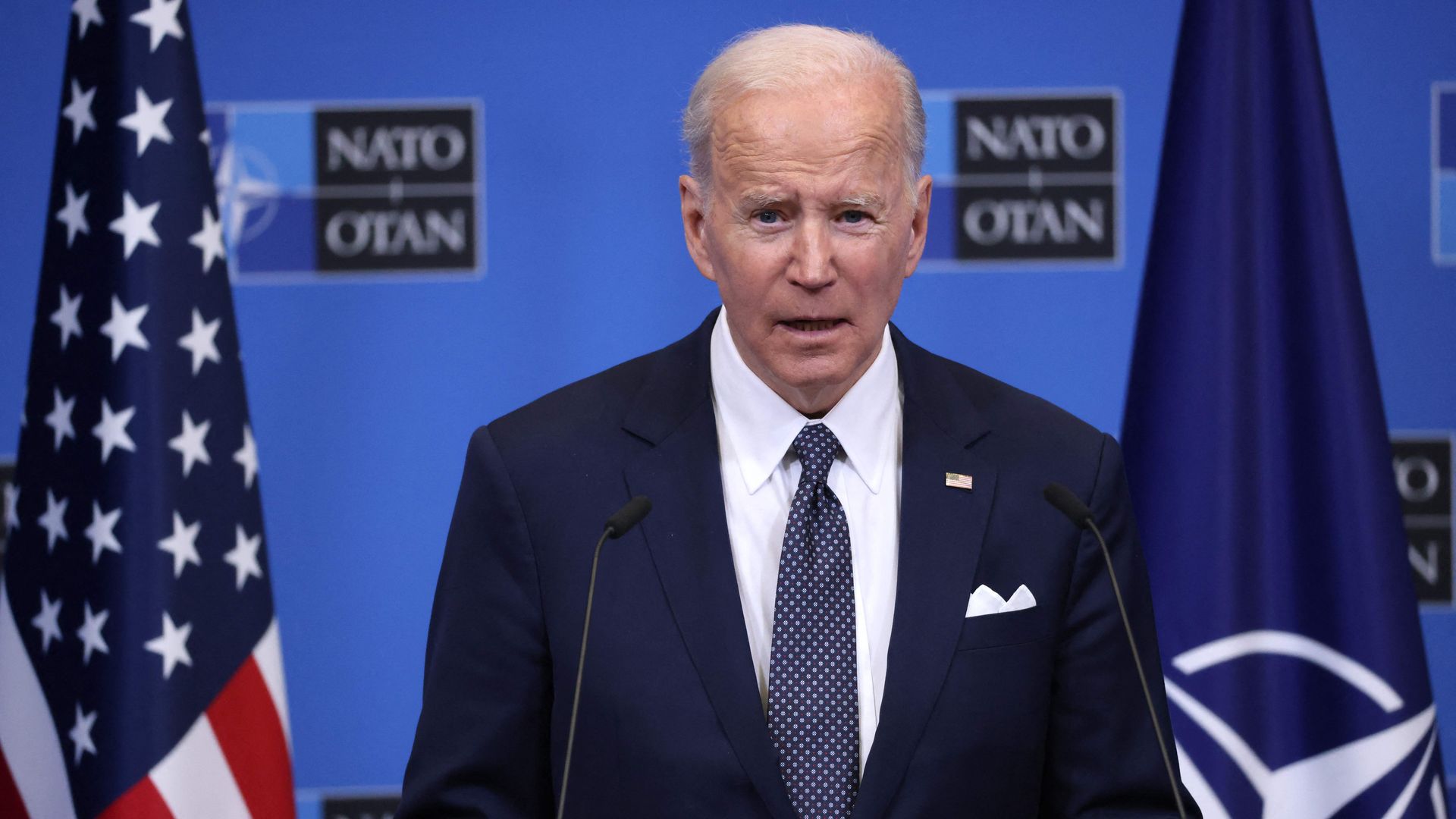
President Biden said Thursday that he would support Russia being expelled from the G20 over its invasion of Ukraine, a step that would further isolate Vladimir Putin on the international stage.
Driving the news: Biden said the decision would ultimately be up to the G20, but that he has proposed allowing Ukraine to attend as an observer nation if other members do not agree to remove Russia.
If you are a globalist — someone who believes humanity can best thrive with the abundant flow of goods, ideas and people across international borders — it has been a dark decade. And getting darker.
Driving the news: The list of affronts to a vision of liberal internationalism keeps getting longer. Xi and Putin. Brexit and Trump. Bolsonaro and Erdoğan and Orbán. Pandemic-closed borders, and now war in Eastern Europe.
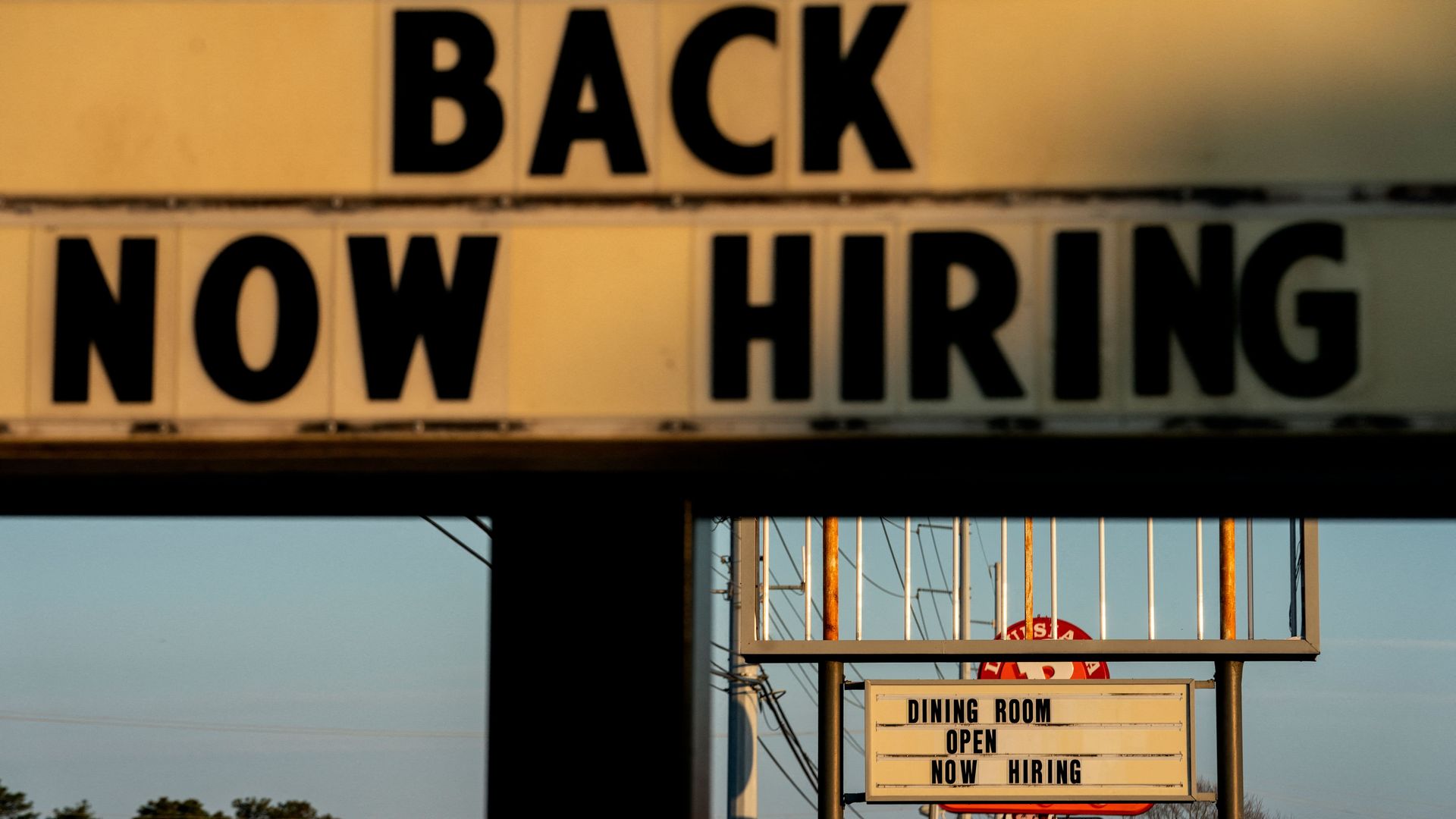
The number of Americans applying for unemployment benefits last week fell to its lowest level in 53 years, the Department of Labor said Thursday.
Driving the news: Initial jobless claims decreased by 28,000 from the previous week to 187,000. The previous week's figure was 215,000, according to the department.
Spotify paid out $7 billion to the music industry in 2021, "the highest annual payment from any single retailer in history," the audio giant said Thursday. It also said that for the first time, over 1,000 artists generated over $1 million on Spotify
Why it matters: Spotify says that the data shows "the music industry is healthier than it’s been in a long time, and more artists are finding more success than ever before."
Toshiba shareholders today rejected two rival proposals, one supported by management that would have spun off the company's devices unit and another supported by activist investors that would have solicited takeover offers.
Why it matters: This keeps the Japanese giant stuck in strategic limbo, after several years of scandal, shareholder fights and spurned private equity advances.
For years, public market investors like hedge funds and mutual funds have flooded into the private markets. Now we may see money flow in the other direction.
Driving the news: Lux Capital, a 22-year-old venture capital firm, has launched a digital health ETF.
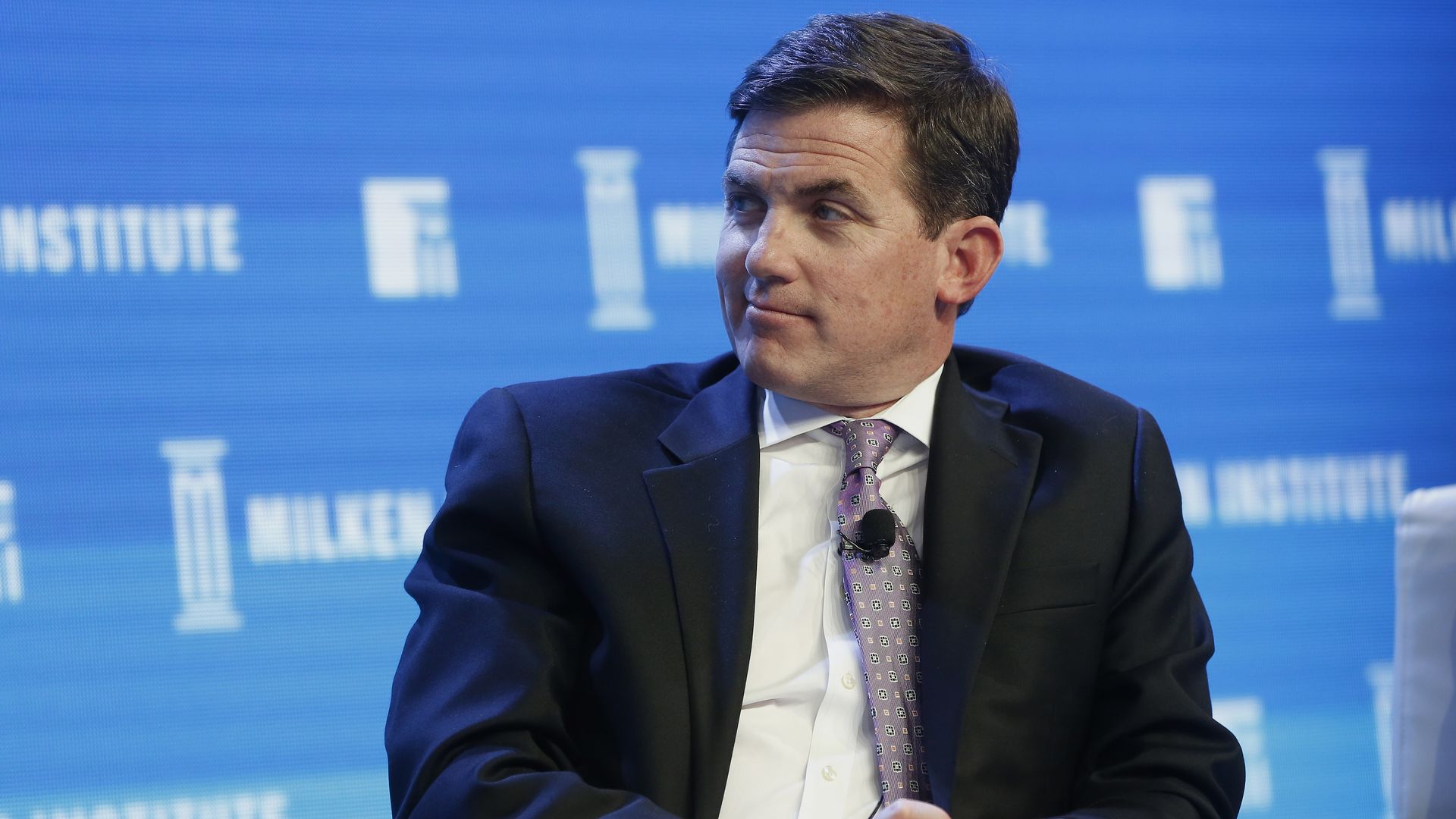
Former top WeWork executive Artie Minson is joining wholesale cannabis company LeafLink as its president and chief operating officer, the company announced on Thursday.
Background: Minson was the former AOL and Time Warner Cable exec who in 2015 joined WeWork as president and COO. The idea was that he'd help professionalize the company's C-suite, and also serve as some "adult supervision" for founder and CEO Adam Neumann.
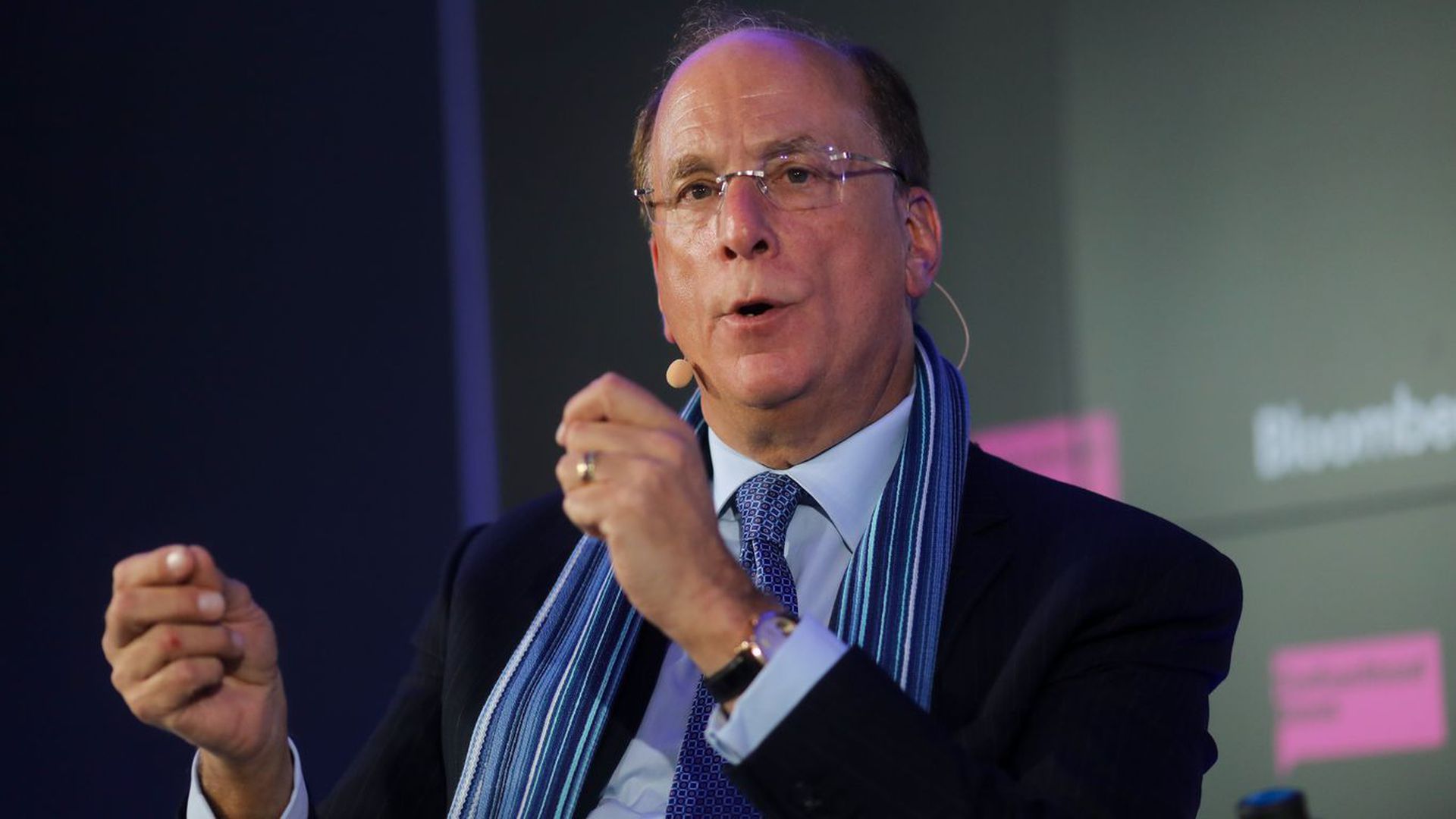
Larry Fink, the CEO and founder of the largest asset management firm on the planet, says the era he helped build is effectively over.
What's he's saying: "The Russian invasion of Ukraine has put an end to the globalization we have experienced over the last three decades," Fink writes in his annual letter to shareholders of BlackRock, published today.
Russia's ruble has rebounded sharply in recent weeks, as officials cobbled together an unorthodox defense of the currency after it collapsed from Western sanctions over Moscow's invasion of Ukraine.
Driving the news: The latest effort to shore up support came in the form of a direct demand from President Vladimir Putin that Europe — or as he put it, "unfriendly countries" — pay for Russian natural gas using rubles, rather than dollars or euros.
San Francisco's Osso VR collected $66 million in Series C funding led by Oak HC/FT, the parties tell Axios exclusively.
Why it matters: Surgical training hasn’t evolved in 30-plus years, but Osso VR is looking to change that by empowering health care professionals with virtual reality.
Activist investor Macellum Capital Management is raising a private equity fund of between $150 million and $200 million to invest in companies owned or led by Black or other minority leaders, founder Jonathan Duskintells Axios.
Why it matters: Only 2% to 3% of annual private equity funding goes to minority-owned or led businesses, says managing partner Daniel Balzora, who is running the fund.
Podimetrics, a digital health company aimed at stopping diabetes-related amputations, raised $45 million in Series C funding led by D1 Capital Partners, the company's CEO Jonathan Bloom tells Axios exclusively.
Why it matters: A ProPublica analysis found roughly 130,000 amputations are performed on people with diabetes each year, often in low-income and underinsured areas. Podimetrics looks to address that.
The grid-management firm SparkMeter raised $10 million from Accurant International, as well as existing investors Breakthrough Energy Ventures and Clean Energy Ventures.
Why it matters: Smart meters were supposed to make electric grids more flexible, resilient, reliable and cheaper. Instead, many utilities still only use their most basic functions — which SparkMeter now says it aims to change.
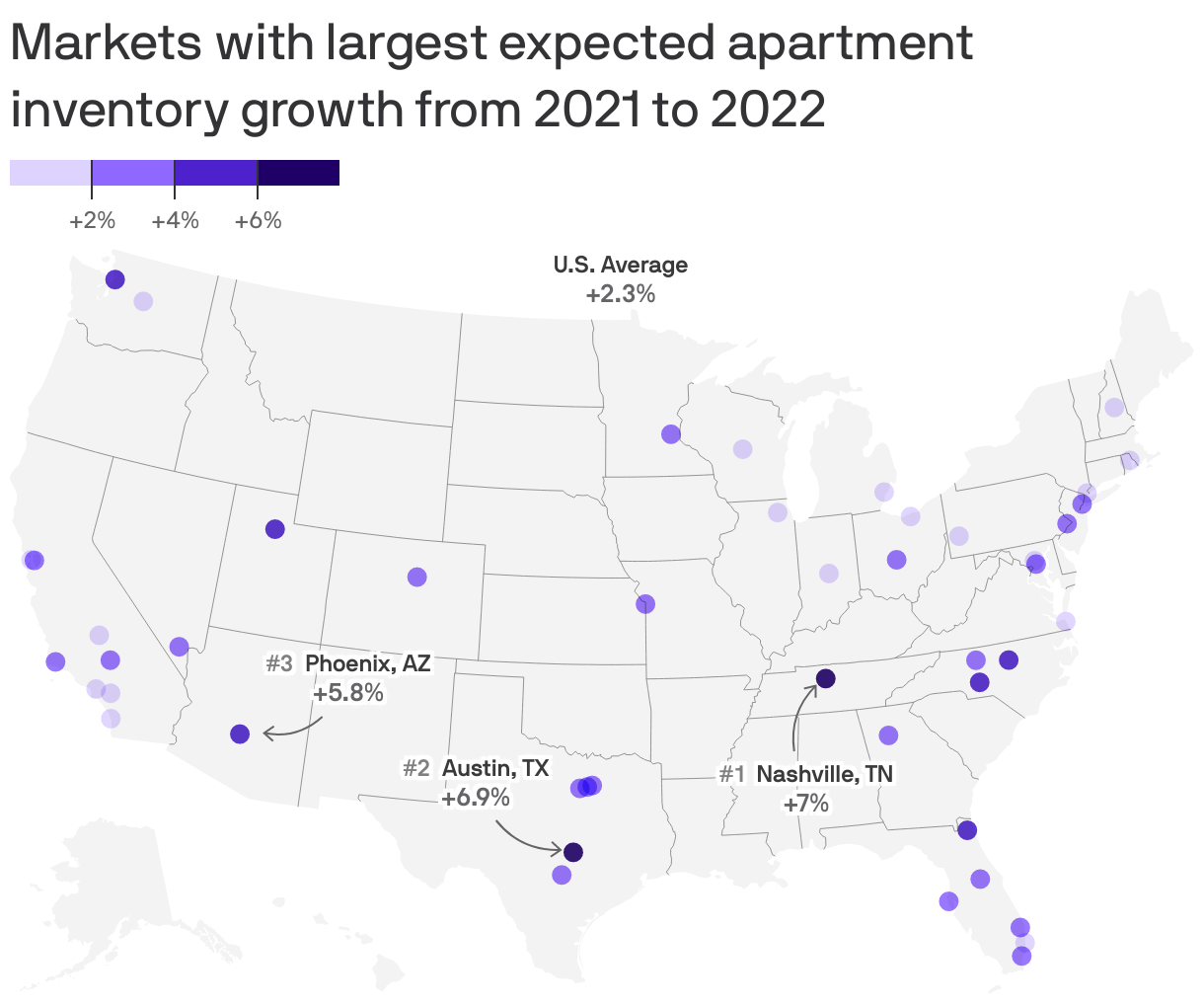
Nashville, Austin, Phoenix, Raleigh/Durham and Salt Lake City are poised to see the largest increases in the country in new apartments built this year — 5% or more, according to a national survey by RealPage, a data analytics and property management software provider.
Why it matters: Growth in housing stock in the Sunbelt points to where people are moving — and where the economy is likely to continue thriving.
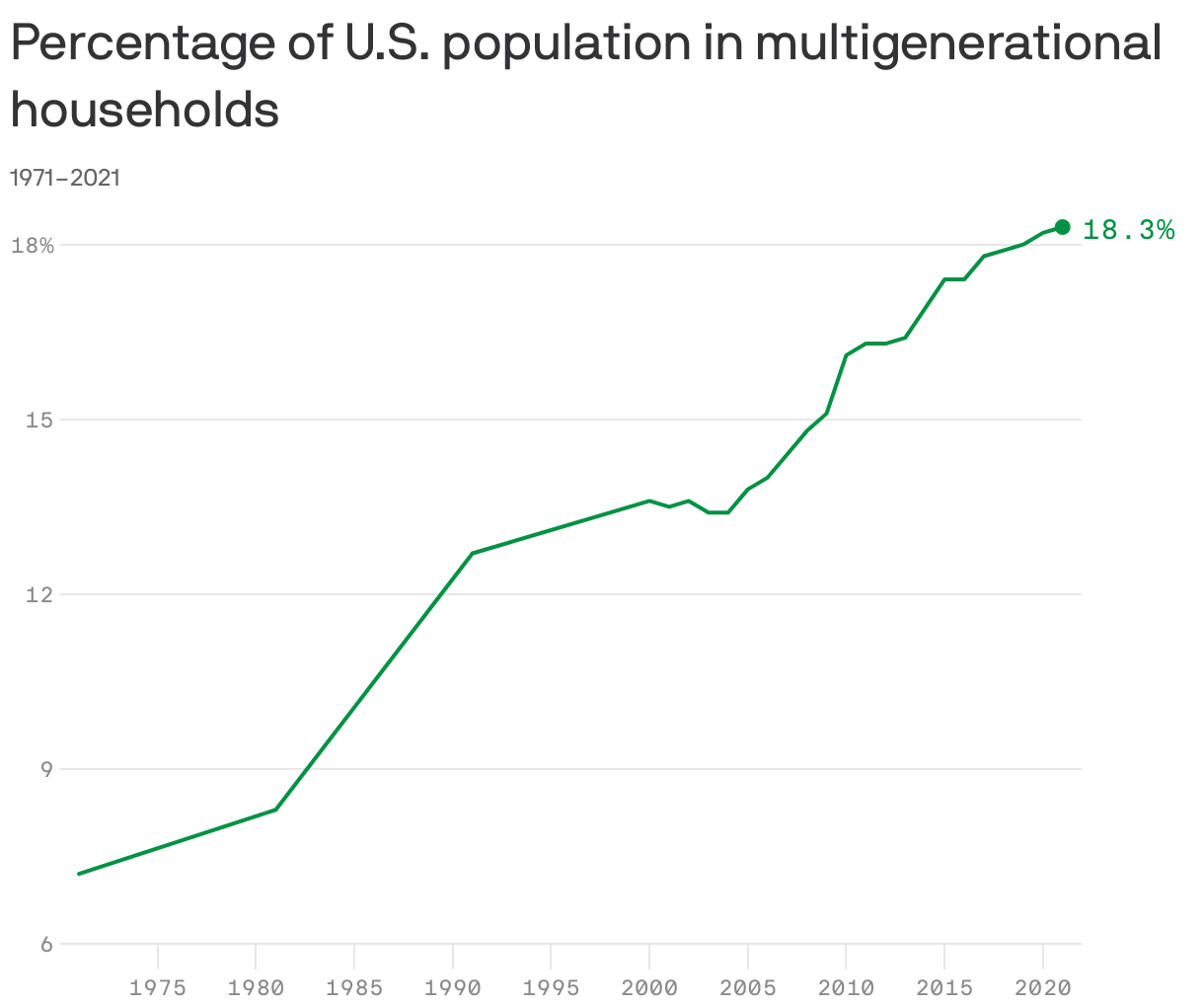
About 40% of Americans live in apartments, and there's a huge demand for more.
Cities that have been attracting workers during the pandemic-era relocation trend are particularly desperate for additional housing.
Offices are opening up, but only the executives want to go in to work.
Why it matters: There's an executive-employee disconnect in hybrid workplaces. Many CEOs and top leaders are eager to work in-person the way we did before the pandemic, while many rank-and-file workers want to keep telecommuting.
A once in a century pandemic, increasing climate-related disasters, the threat of a World War 3-level conflict, and supply chain upheaval are driving increased momentum for big ideas when it comes to updating American infrastructure, and even tackling climate change.
The big picture: A paper unveiled today from Saule Omarova seeks to create a federal agency — a National Investment Authority — that would direct and facilitate investment in green infrastructure. It's one of many proposals seeking to address the growing pileup of climate and energy related crises.
The Biden administration, which has tackled climate with a number of policies, told Axios' Hans Nichols earlier this week that it has a "historic set of ideas on the table for investment in the U.S. energy sector."
And proposals are coming from less expected corners: JPMorgan Chase CEO Jamie Dimon is pushing the federal government to do more on energy and climate, Hans reported.
Why it matters: You just need to look at the surge in oil and gas prices and the huge bills racked up after each increasingly worse weather event, to understand thatmarkets alone can't deal with the mega-challenges the U.S. is facing.
Pandemic-driven supply chain bottlenecks were a wake up call for many policymakers, and the war in Ukraine is driving increased interest in a transition to clean energy.
"There’s almost no path to physically developing a more sustainable economy that doesn’t require significant public investment," said Adie Tomer, a senior fellow at Brookings who focuses on infrastructure policy.
Catch up fast: Omarova has been working on this proposal for a few years. She is a progressive, a fellow at the Berggruen Institute and a Cornell law professor who gained national recognition when her nomination to lead the Office of the Comptroller of the Currency fell through late last year.
The proposed National Investment Authority (NIA) would fund projects directly, as well as act as a kind of Fannie Mae for private investment in infrastructure — buying up the debt that backs projects the way the housing agency buys up mortgages and packages them into securities.
It would be a type of "public venture capital fund," Omarova tells Axios, making proactive investments in promising projects that private sector investors might typically shy away from.
This is in contrast to lending programs in place now at the Department of Energy that offer loan guarantees to firms that apply.
While private equity firms invest in certain kinds of infrastructure and even climate tech, they're generally driven by profits — and a public agency would have other goals in mind, like the public interest and long-term sustainability.
Between the lines: This week's move by the SEC to require climate risk disclosure is a sign of a growing recognition that climate change is happening and poses real, material risks to businesses.
The SEC's move is a climate breakthrough, Tomer said, and could be the moment the country starts taking these challenges more seriously.
Reality check: Mention climate these days and the political blowback will follow. The chances of any big ideas becoming real are slim.
"It's a trillion dollar question," Omarova said. "If I knew how to sell [this] effectively to politicians, I would have done it by now."
The board of directors for advocacy group Airlines for America sent a letter to President Biden on Wednesday calling for the end of the transportation mask mandate and pre-departure COVID-19 testing requirements for international flights.
Driving the news: The letter was signed by the heads of 10 major commercial and cargo airlines, including Delta Air Lines, Southwest Airlines, American Airlines, and UPS Airlines.
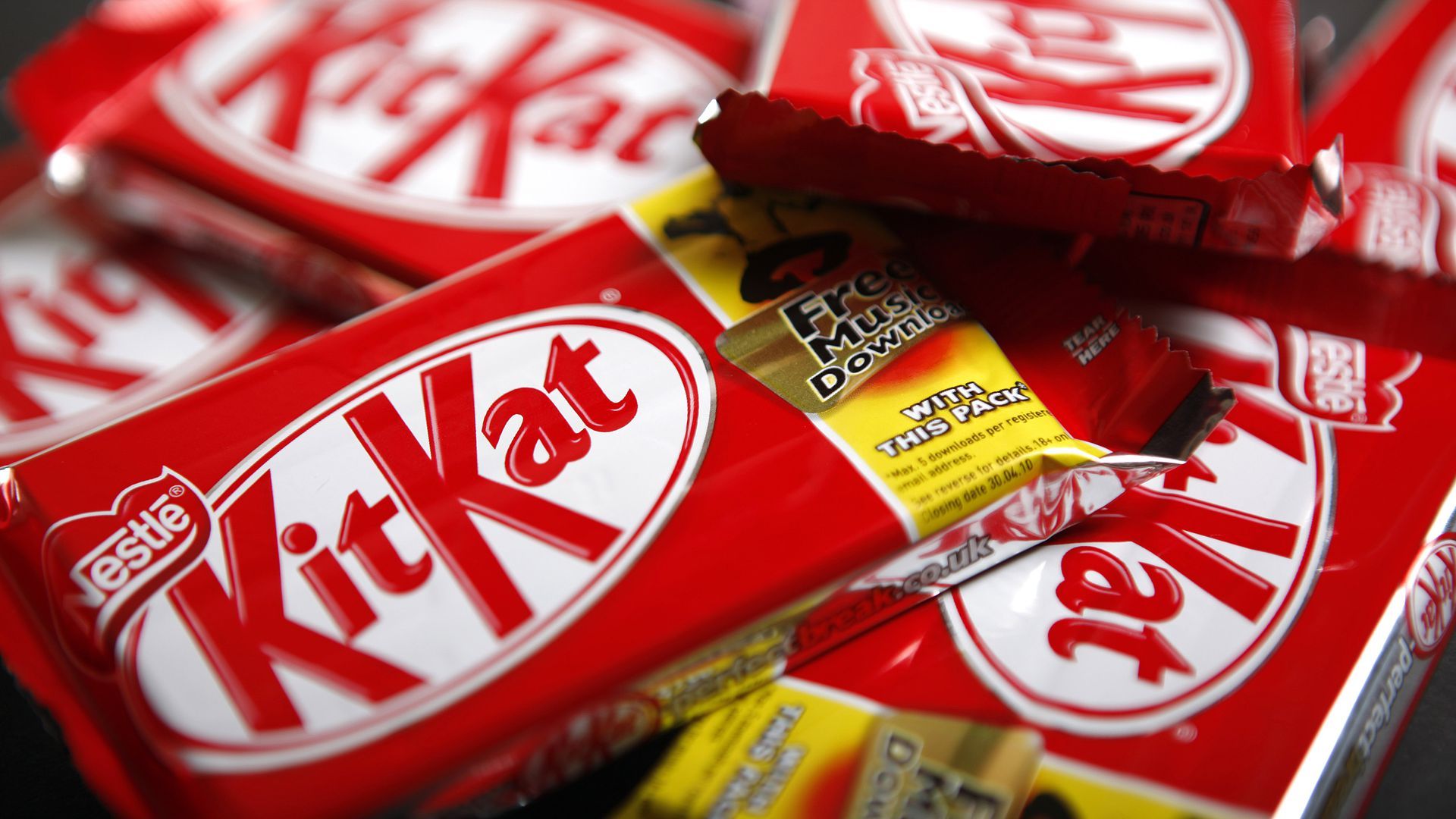
KitKat and Nesquik won’t be sold in Russia as parent company Nestle tries to extract its business carefully from the country.
Why it matters: Along with other consumer brands including PepsiCo and Procter & Gamble, the world’s biggest food and beverage company is having to navigate decisions around providing essential foods and supplies, and pulling many others that could yield more profit.
Wall Street bonuses reached a record average $257,500 last year in New York, new estimates show.
Driving the news: State comptroller Thomas DiNapoli published the projection in an annual report today. The figure includes cash bonuses for 2021 and recently paid bonuses from prior years that were cashed in.