Disney's stock was up roughly 4% in after-hours trading after the company posted strong top and bottom line revenue gains.
Why it matters: Investors were bullish heading into Disney's earnings report, given that the company was finally able to open its Disneyland last quarter. The company also debuted two of its biggest blockbusters on its streaming service Disney+ (in conjunction with theater releases), boosting subscriber numbers and beating Wall Street estimates.
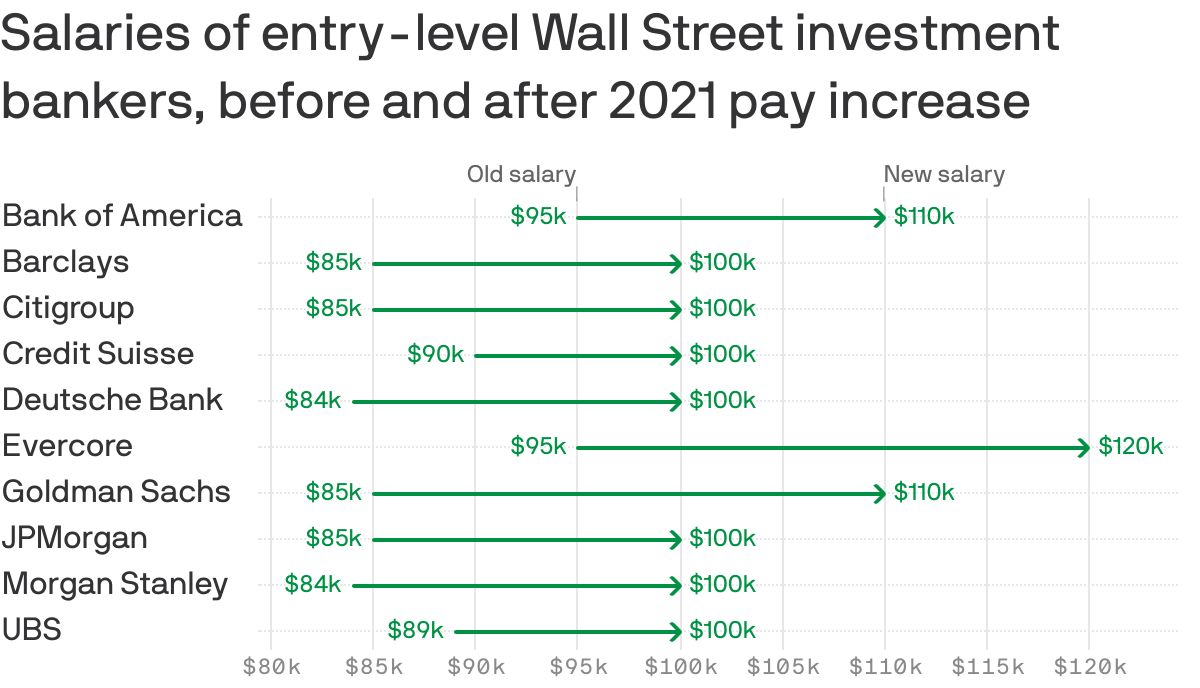
Data: Wall Street Oasis, H1B salary database for New York City; Chart: Will Chase/Axios
Even the lowliest investment banker now earns six figures. That's the clear message from Sarah Butcher, who has the latest on entry-level investment banking salaries.
By the numbers: Most banks have raised their pay for first-year associates to $100,000 from $85,000 — an increase of 17.5%. Evercore remains at the top of the pack, after giving its first-years a $25,000 bump to $120,000.
Crypto giant Circle has announced its intention to become a bank, fully regulated by the Federal Reserve, the Office of the Comptroller of the Currency and the FDIC.
Why it matters: We're still a very long way from this happening. But if it does, Circle's USDC stablecoin could become a de facto central bank digital currency.
Top Republicans in the House and Senate antitrust subcommittees want the FTC to dig into Zillow's plans to buy a home-showing scheduling platform amid concerns about competition in the residential real estate market.
Why it matters: Federal antitrust scrutiny of tech deals keeps widening, and any hot market in which tech is playing an increasingly big role — like real estate — is likely to come under regulators' eyes.
Reddit, the San Francisco-based online bulletin board and forum, has raised $410 million in Series F funding at a valuation of more than $10 billion led by Fidelity, with existing investors also participating. It expects to raise up to $700 million.
Several groups that had opposed Verizon's purchase of Tracfone say that they are satisfied with fresh commitments being made to the FCC and will withdraw their objections to the deal.
Why it matters: The status of Verizon's purchase of the low-cost prepaid brand had been unclear amid the concerns.
The White House’s call for OPEC to pump more oil in an effort to contain gasoline prices has experts puzzled.
Why it matters: While consumers would always love to see lower prices at the pump, they aren’t exactly sounding alarms as confidence remains high and spending has surged above pre-pandemic levels.
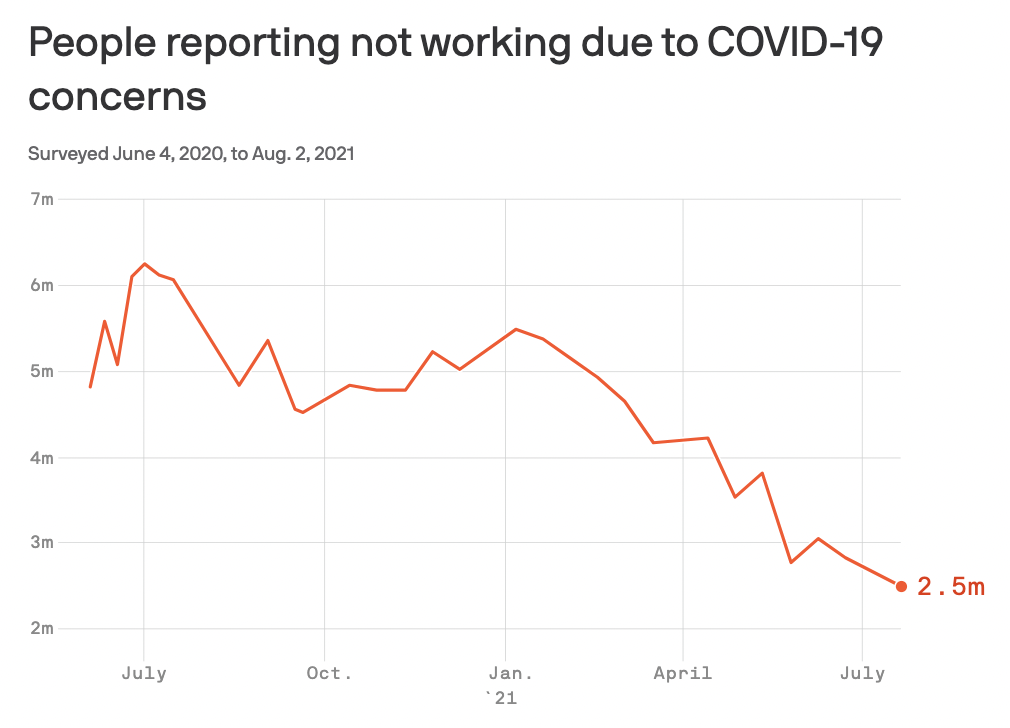
The rise in COVID-19 infections isn't motivating more workers to exit the workforce.
Why it matters: Fear of falling ill or spreading the virus has been the primary reason millions of Americans have either left their jobs or halted their job searches.
Airfares are edging lower as international travel is increasingly being discouraged by the Centers for Disease Control and Prevention.
Why it matters: The Delta variant of COVID-19, is casting a shadow over the economic recovery. A dip in airfares that had been surging could be a signal that consumers may pull back in the months to come.
Financial marketshave hit a lot of peaks this year — everything from monster year-over-year earnings, unprecedented fiscal and monetary policy support, and weekly stock market milestones.
Driving the news: Corporate bond prices were no exception — leading to record low yields. But that trend has started to reverse course.
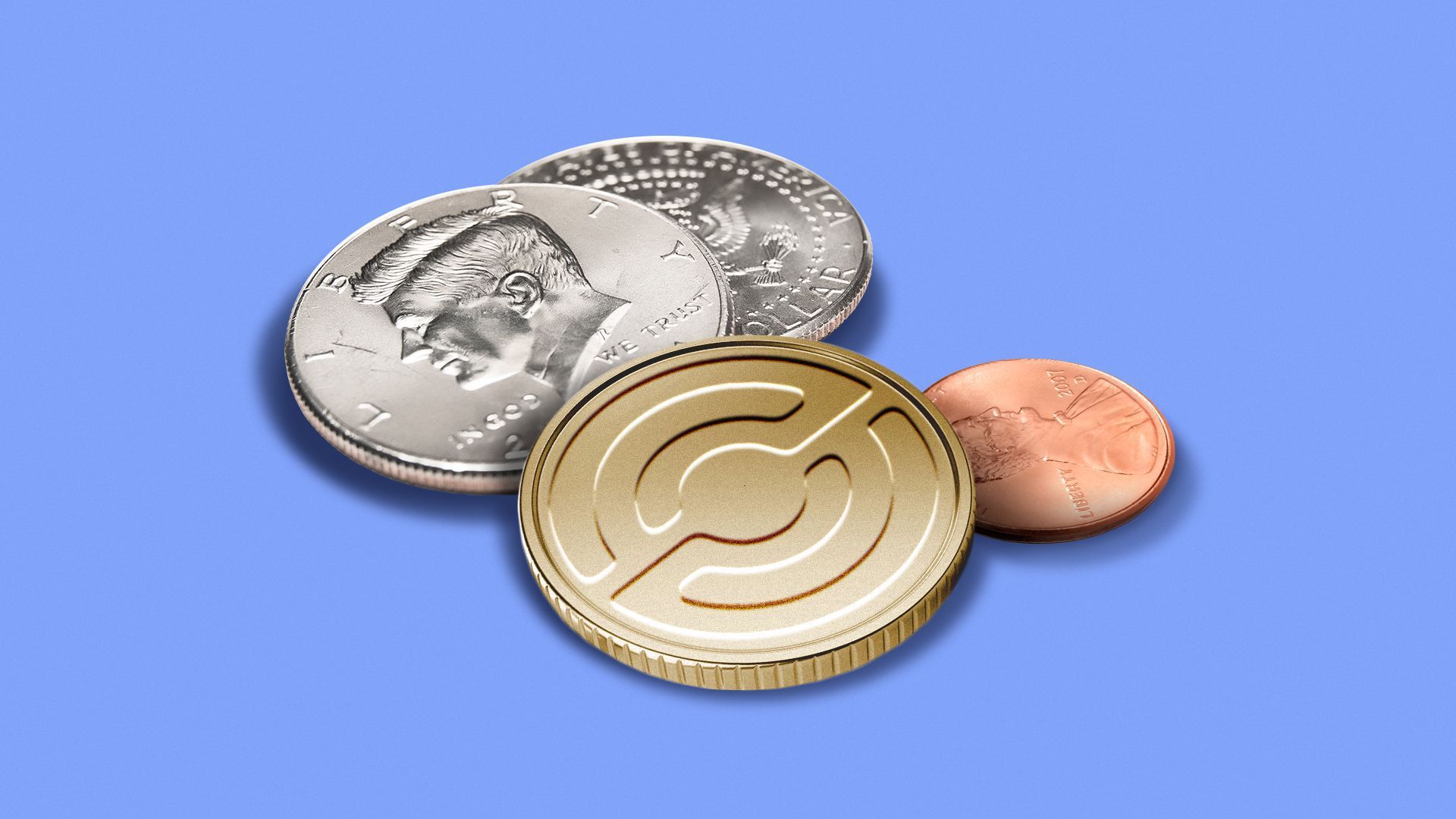
Micropayments — the decades-old vision of a new way to support creators and businesses online — remain a dream in the U.S., despite 25 years of digital business innovation.
Why it matters: After all this time, the dominant revenue models of the internet — subscriptions and advertising — are exactly the same as they were in the pre-digital era.
The New York Times is rolling out a slew of new, subscriber-only newsletters from news and opinion writers.
Why it matters: "It's very much in line with our long-term strategy of creating journalism worth paying for," said Alex Hardiman, head of product at the Times.




/2021/08/12/1628784133929.gif?w=3840)