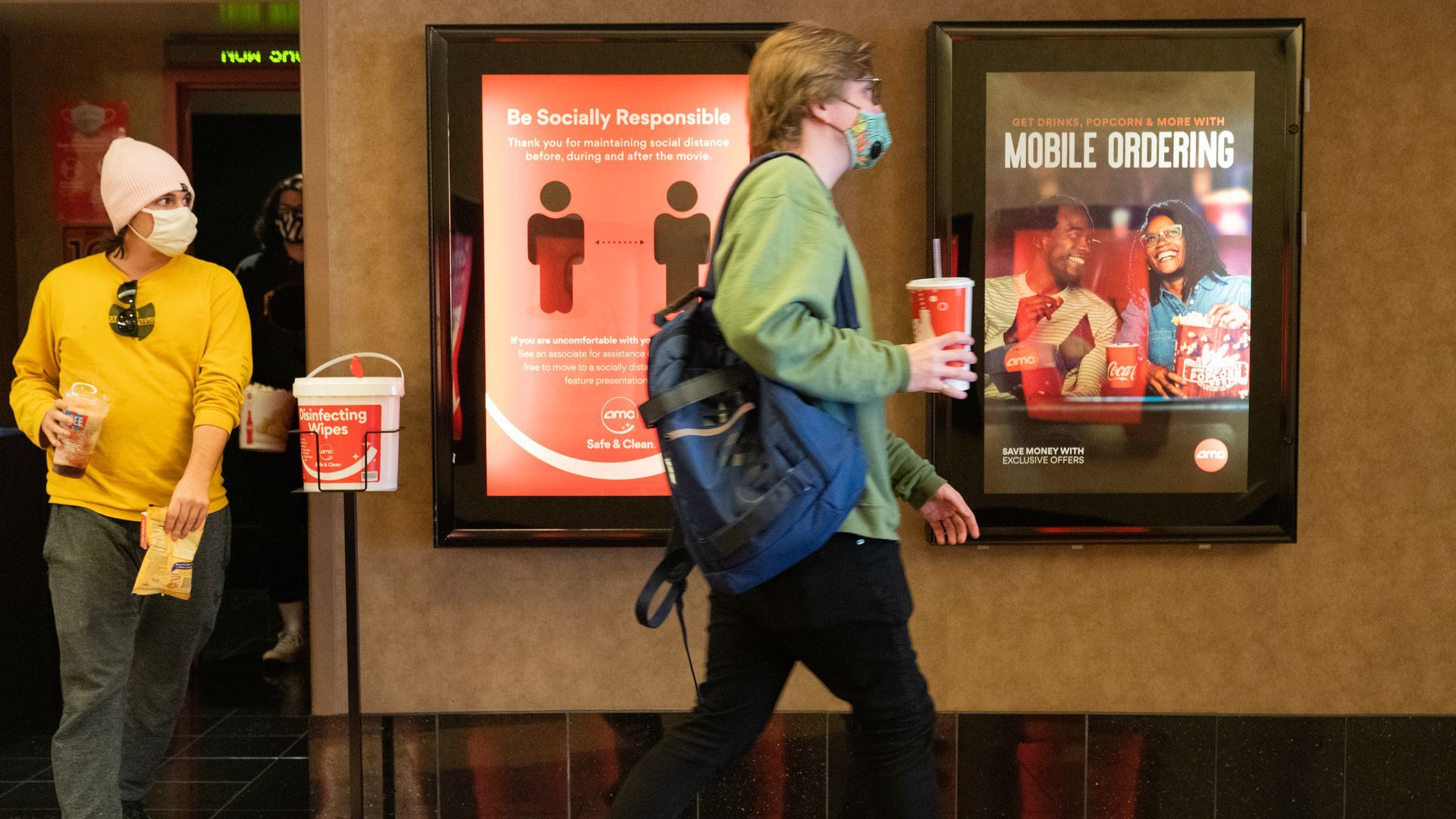
The biggest test for moviegoer appetite since the pandemic is coming — and it's make-or-break for theaters trying to salvage their annihilated businesses.
Why it matters: The world is reopening and restrictions are rolling back. But the pandemic ushered in a new era for how studios release films that could stick around.
The pandemic has been a horror show for movie theaters. Some wondered if their time in the spotlight had passed for good, as new releases arrived via digital streaming services. Now, though, they've got reason to expect a happy ending.
Axios Re:Cap talks with Shelli Taylor, CEO of Alamo Drafthouse, about her cinema chain's bankruptcy, the industry's battles with streamers and why she's expecting this summer to be a blockbuster.
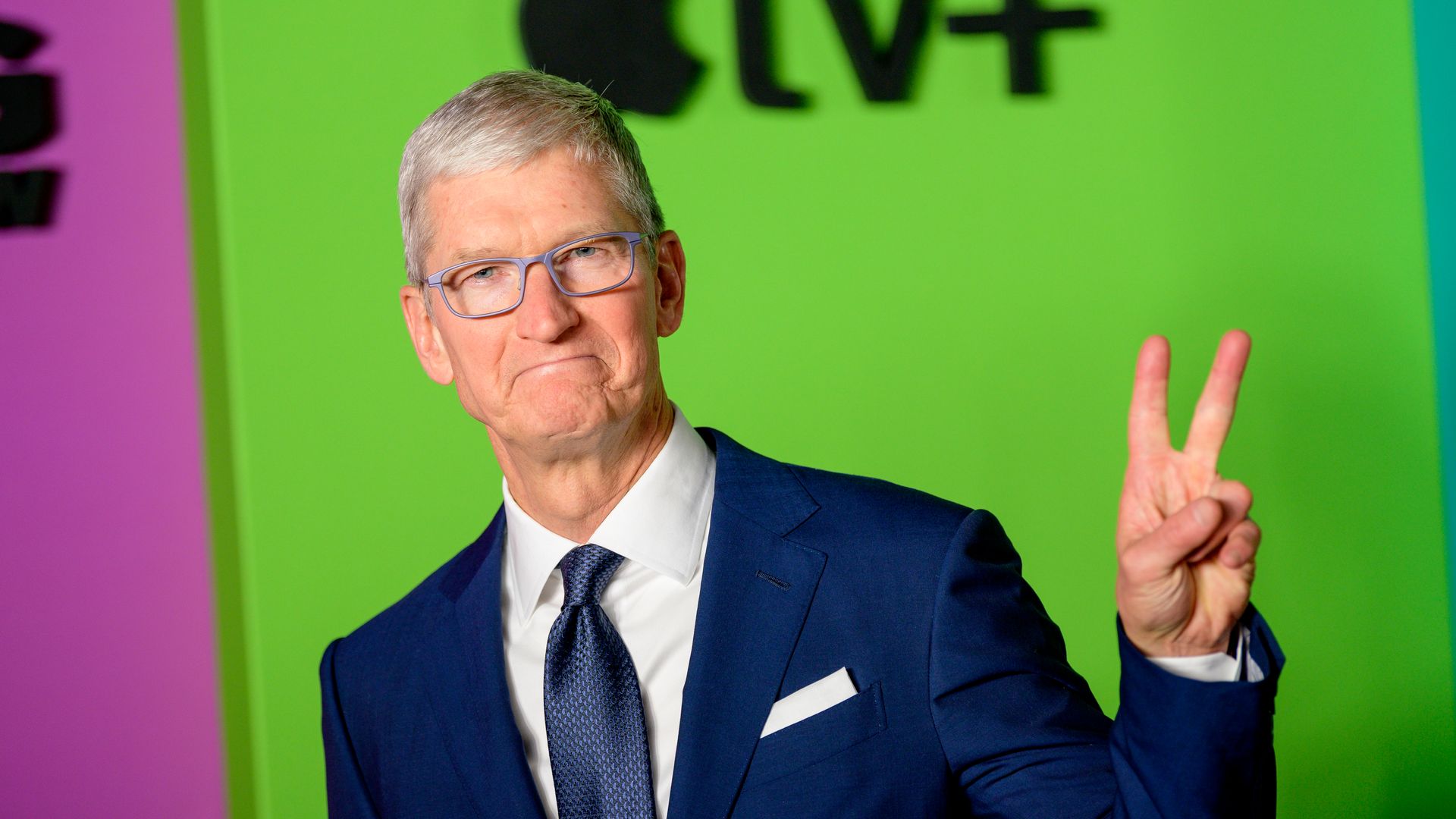
In his first testimony in a courtroom trial, Apple CEO Tim Cook calmly and methodically defended the App Store's business model and other policies that Fortnite maker Epic Games says violate antitrust law.
Between the lines: While Cook is the biggest name to testify at the 3-week trial, the verdict will likely hinge on which side's economic experts were most persuasive to Judge Yvonne Gonzalez Rogers — who will ultimately determine the relevant market and whether Apple has a monopoly that it abused.
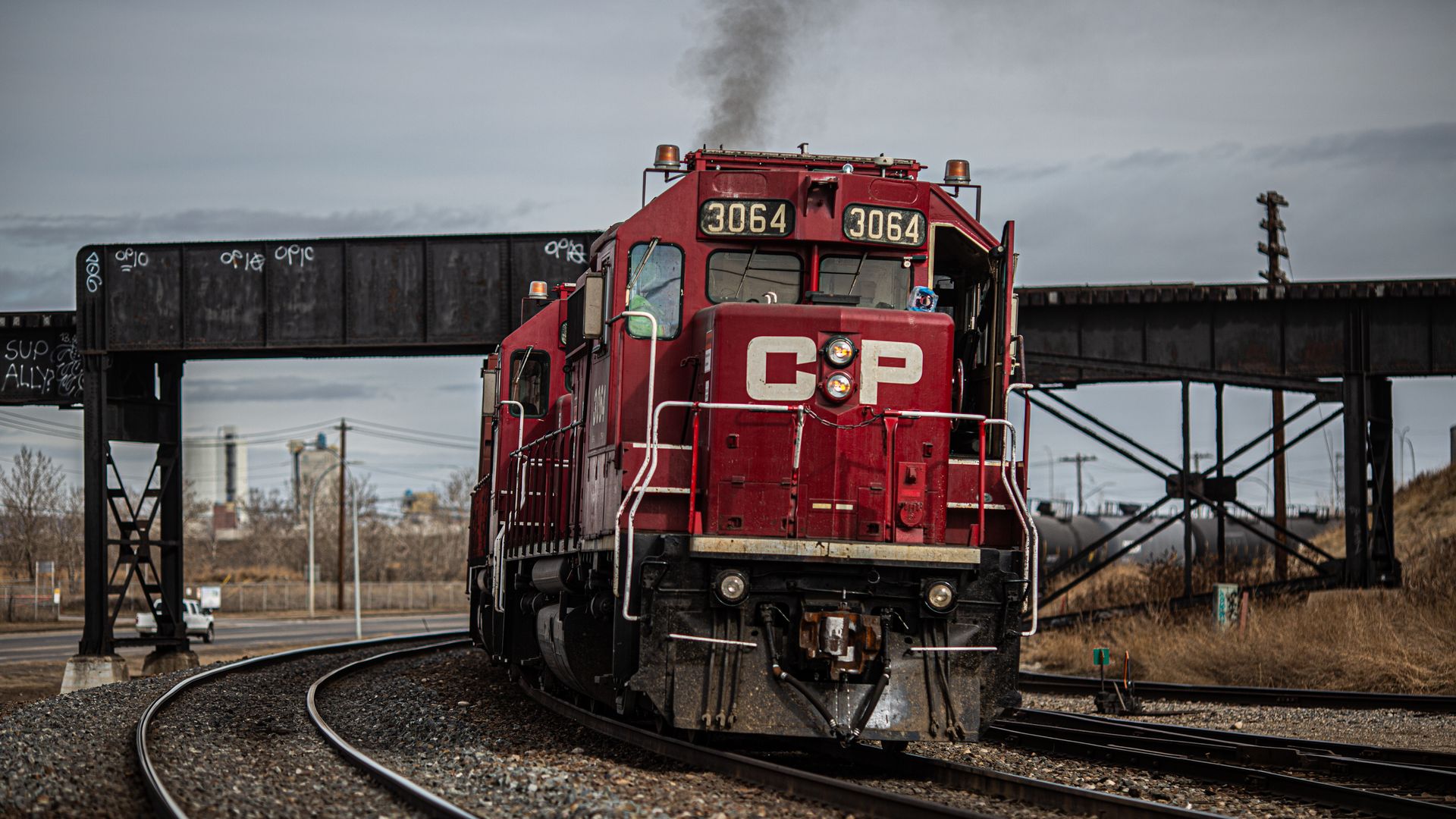
Kansas City Southern canceled its planned $25 billion merger with Canadian Pacific Railway, announcing Friday it will instead be combining with Canadian National Railway in a $33.6 billion buyout bid.
Why it matters: "The combination would create the first freight-rail network linking the U.S., Mexico and Canada by connecting ports in the three countries," the Wall Street Journal writes.
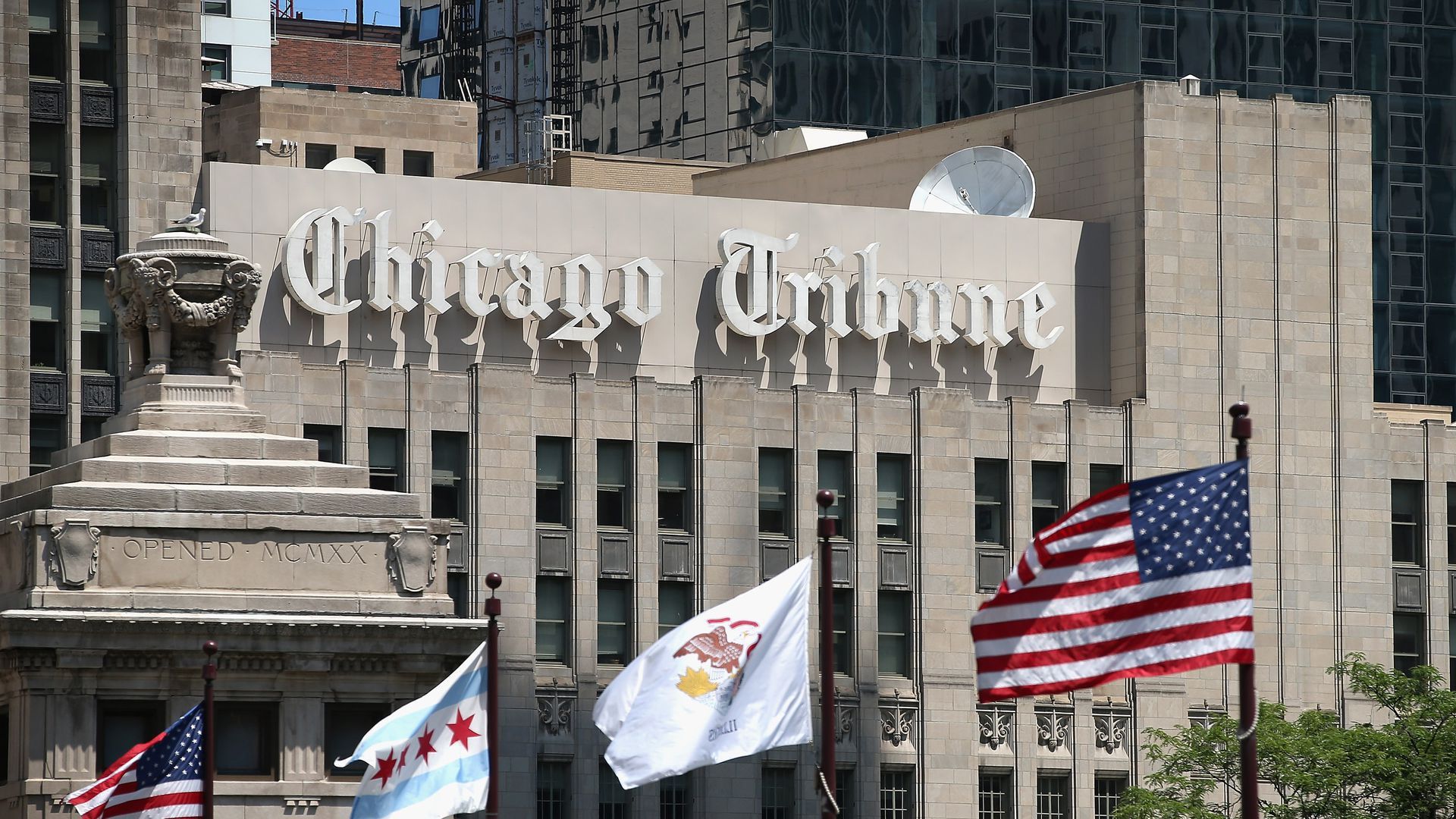
Shareholders for Tribune Publishing voted to approve a roughly $630 million takeover of its newspaper company by Alden Global Capital, a hedge fund known for cutting journalists at local papers to maximize profits.
Why it matters: A takeover almost certainly means job cuts at many of America’s most storied local papers, including The Chicago Tribune and The New York Daily News.
Venture capitalists are used to being praised by elected officials, who view early-stage investment as a job creation engine. But a bipartisan schism is emerging over the VC model itself, and its reliance on acquisitions.
Driving the news: Two senators who don't agree on very much, Amy Klobuchar (D-Minn.) and Josh Hawley (R-Mo.), each have proposed antitrust bills that would make it more difficult for large companies to make acquisitions.
Dyal Capital Partners, a firm created by Neuberger Berman to buy passive stakes in alternative asset managers, and direct lender Owl Rock Capital Partners completed their merger and subsequent $12.5 billion SPAC deal with Altimar Acquisition. The combined company is now known as Blue Owl.
Why it matters: Not only does this create a major new player in the world of publicly-listed alternative investments, but it's also the end of a five-month legal odyssey during which two of Dyal's portfolio firms sued to block the merger.
Fundraising for private debt funds this year is on pace to cement the asset class's growing role in corporate finance.
Why it matters: Private debt funds are unregulated pools of capital, managed by investors who lend the money to companies. They have grown rapidly in the post-financial crisis era, as traditional investment banks have pulled back on some of their riskiest lending.
Gold is back in vogue. After a selloff at the start of the year, prices have bounced 10% in less than two months.
Why it matters: Gold is often seen as an inflation hedge, so its rebound signals growing concerns about whether the current round of inflation is transitory, as the Fed says it will be. Gold is also a safe haven asset for investors who want to rotate out of riskier plays.
There are hundreds of open healthcare jobs for every applicant — and the shortfall is only growing.
Why it matters: America is aging, and millions of recovering COVID patients will need long-term care, dramatically increasing the demand for physicians, nurses, and home health aides. But there aren't enough workers with the skills to fill these jobs.
The demise of the officewas predicted in the early days of pandemic lockdowns. But the prospect of downtown business districts turning into modern ghost towns is now looking much less likely.
Why it matters: The U.S. office building market is over $2 trillion in size, and vacancies have ticked up, while rents have gone down, over the last year. But many companies are now planning their returns to the office, likely with a hybrid model that allows for more social distancing — a trend that will help offset declining demand for office space.