Dish Network says that T-Mobile has gone back on promises it made in order to win permission to buy Sprint and is asking the California Public Utilities Commission to enforce the company's pre-merger commitments.
Why it matters: The effort, which follows a complaint to the FCC, centers around T-Mobile's decision to end support for Sprint's older CDMA network at the beginning of next year — a network still used by the majority of Dish's customers.
Some of cryptocurrency’s most prominent rule-makersare increasingly taking executive gigs at industry upstarts. Call it the cryptocurrency revolving door.
Why it matters: A longtime phenomenon for other sectors is picking up pace in the crypto sphere — which is maturing, trying to find its mainstream footing and desperate for regulatory clarity.
Toyota's Woven Planet subsidiary has acquired Lyft's autonomous driving unit, Level 5, for $550 million, the companies announced on Monday.
Why it matters: After ride-hailing companies poured a lot of money into, and made big deal out of their investments into autonomous driving, both Uber and Lyft have now sold off their self-driving car units.
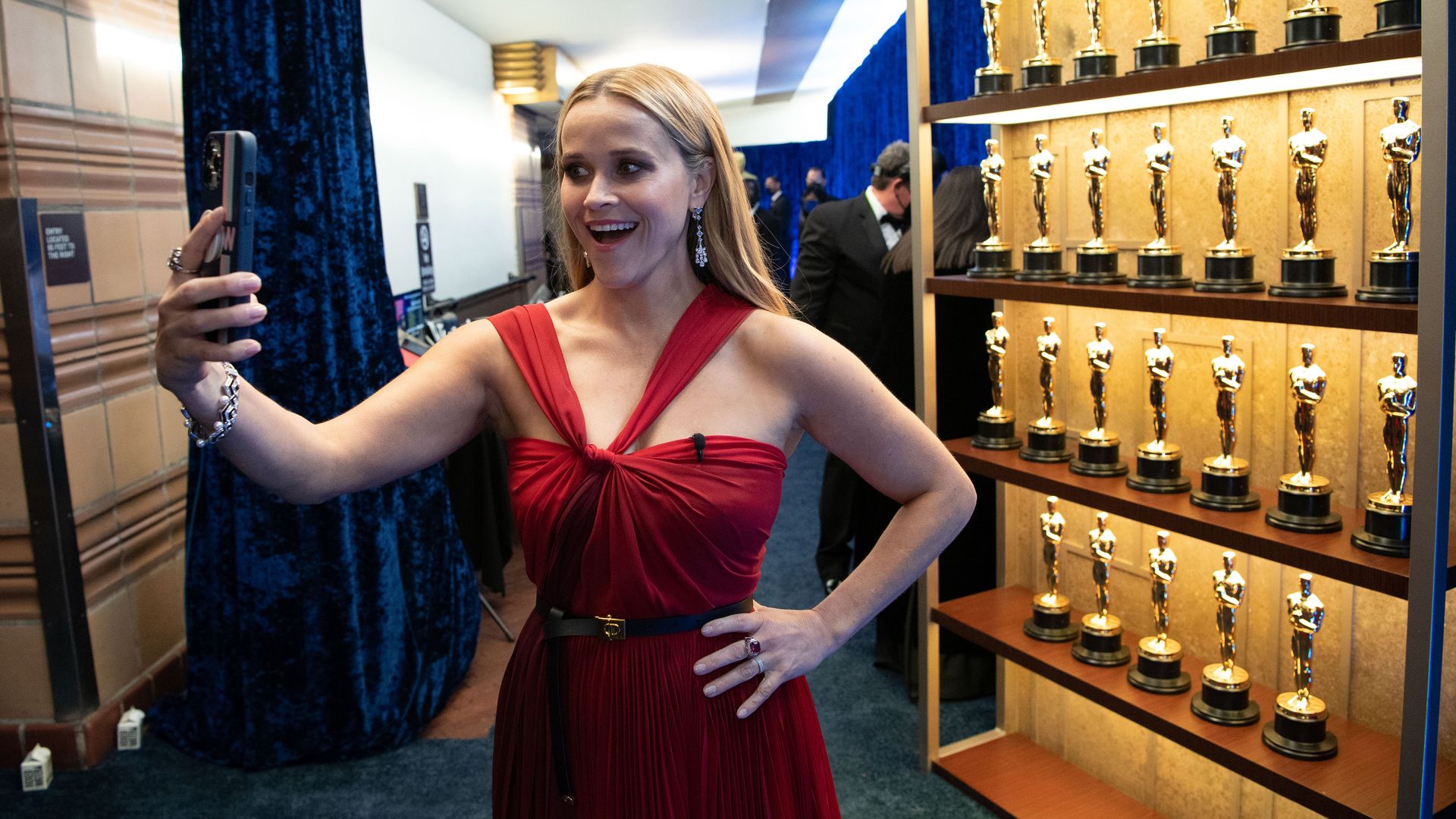
Fewer than 10 million people tuned into the Academy Awards on ABC this year, a new all-time low for the show, according to preliminary Nielsen ratings.
Why it matters: Ratings for award shows have been hit hard during the pandemic, but there's no question that Sunday's sleepy telecast contributed significantly to the fallout.
Thoma Bravo agreed to buy Silicon Valley-based cybersecurity and compliance software maker Proofpoint (Nasdaq: PFPT) for $12.3 billion.
Why it matters: This would be the largest-ever private equity deal for a software company. It's also the latest indication that the return of mega-buyouts doesn't necessarily mean the return of club deals, as Thoma Bravo is going it alone.
Atlanta jumped up three spots and is now the seventh-largest media market in the U.S., according to the 2021 Nielsen DMA rankings.
How it works: There are 201 DMAs, or "Designated Market Areas," in the U.S. They include the urban center and suburbs, plus the surrounding counties that receive the same TV signal.
New home sales jumped to the highest in more than 14 years last month as home prices continue to increase around the U.S.
By the numbers: Single-family new home sales rose 20.7% from February to a 1.02 million seasonally adjusted annual rate. That was the fastest sales pace since September 2006.
Both manufacturing and services businesses saw strong pickups in activity and owners' sentiment improved, according to the latest flash reading of the IHS-Markit composite purchasing managers index.
Why it matters: The index that combines the two readings touched a record high 62.2 in April.
The stock market's sell signals keep mounting but the prices keep rising, leaving investors wondering just what comes next.
What's happening: Signs of euphoria abound, suggesting the market is getting overheated — a classic sell sign. But in a market underpinned by the Federal Reserve's limitless money printer, dip buyers have continued to step in and markets are piling on risk.
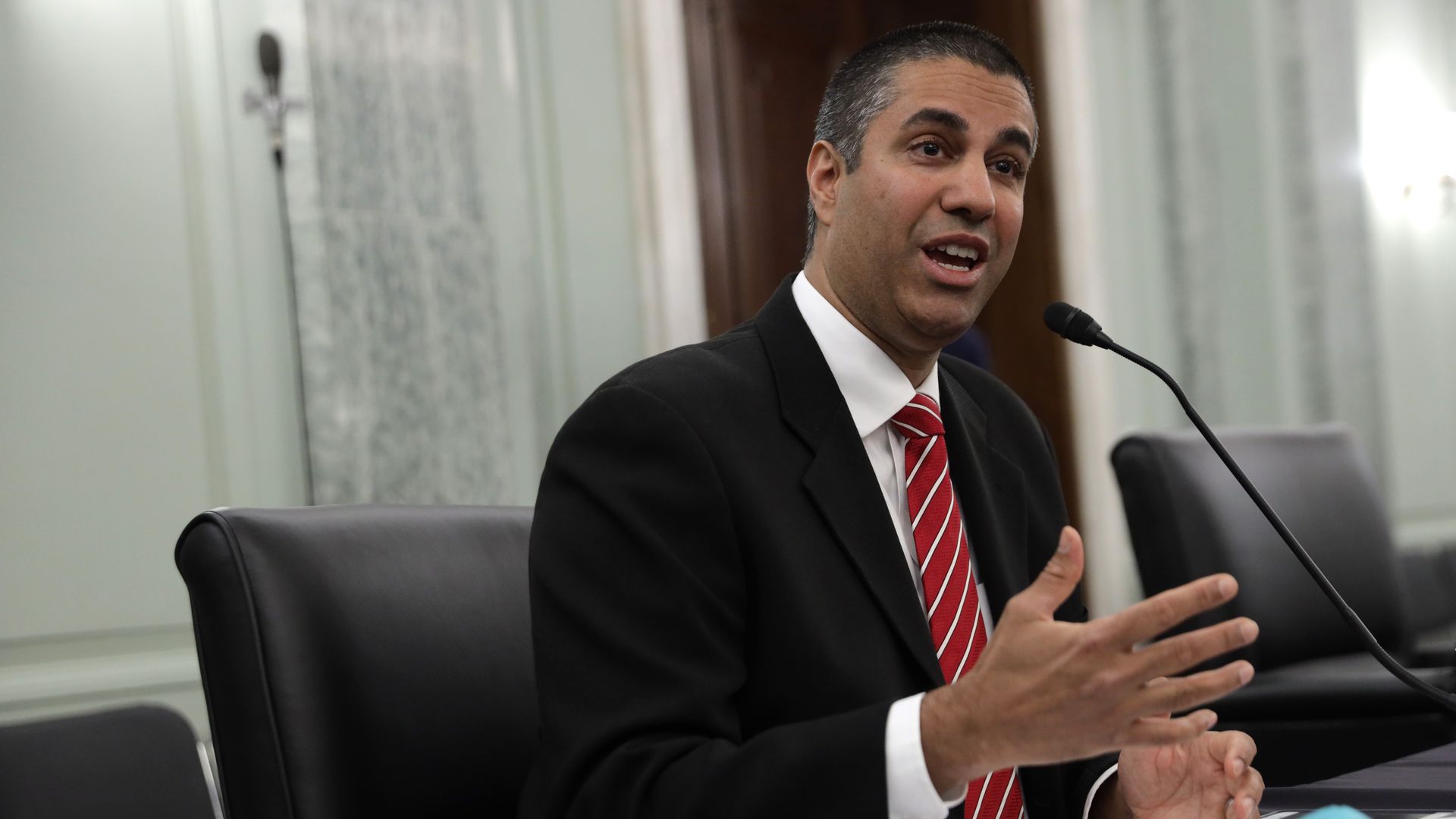
Ajit Pai, former chairman of the Federal Communications Commission, has joined private equity firm Searchlight Capital Partners as a partner.
Why it matters: Pai, who was an FCC commissioner before former President Trump picked him as chair, is best known for telecom deregulation efforts, including the repeal of net neutrality rules. Searchlight has several portfolio companies in the media and telecom space, including Univision, Uniti and Ziply Fiber.
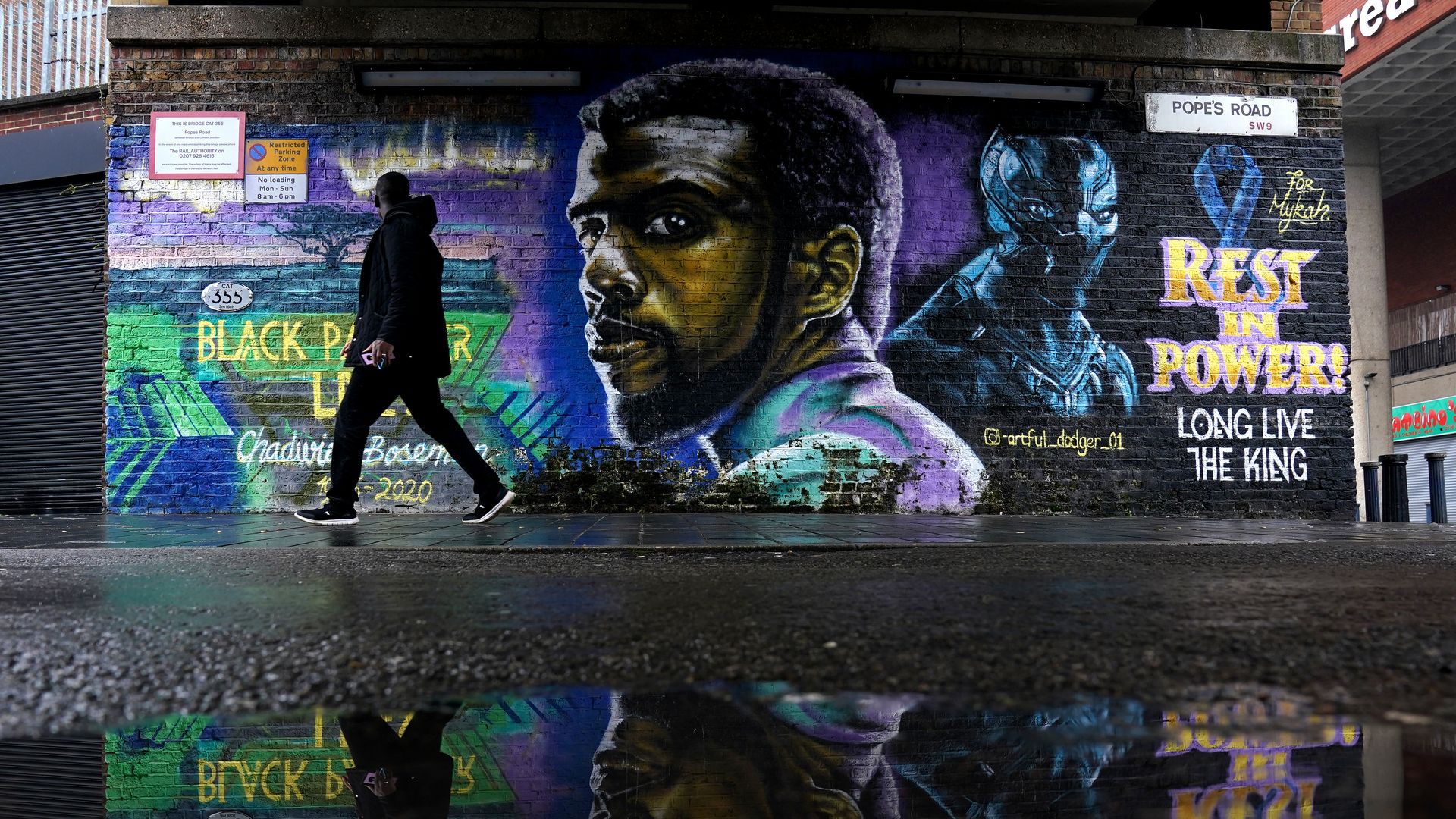
Anthony Hopkins accepted his Academy Award for Best Actor in a short video on Monday, saying from his native Wales that he "did not expect to get this award" and wants to "pay tribute to Chadwick Boseman, who was taken from us far too early."
Why it matters: At 83 years old, Hopkins is the oldest actor to win an Oscar — his second for Best Actor — for his performance as a man struggling with progressive dementia in "The Father."
T-Mobile has long positioned itself as a disruptive underdog, but a year after the close of its purchase of Sprint, the "un-carrier" has fully joined Verizon and AT&T in the U.S. wireless-provider big league.
Why it matters: Nearly everyone in America has a cell phone, and most people send a significant chunk of change each month to one of the major carriers, making healthy competition in this market a must.







/2021/04/26/1619447137140.gif?w=3840)




/2021/04/25/1619388539043.gif?w=3840)