Initial findings by a WHO team in China investigating COVID-19's origins appear to echo Beijing's talking points.
The big picture: Identifying the true cause of the COVID-19 pandemic is key to controlling it and preventing the next one, but geopolitical disputes are getting in the way of science.
The most significant stock market story of 2021 isn’t the one about Robinhood and Reddit; it’s the story of SPACs — those blank-check acquisition companies that are multiplying like Gremlins after a midnight snack.
Axios Re:Cap talks with Victoria Grace, CEO of a $300 million SPAC called Queen's Gambit Growth Capital, about how SPACs work, why there are so many and whether the trend is a bubble.
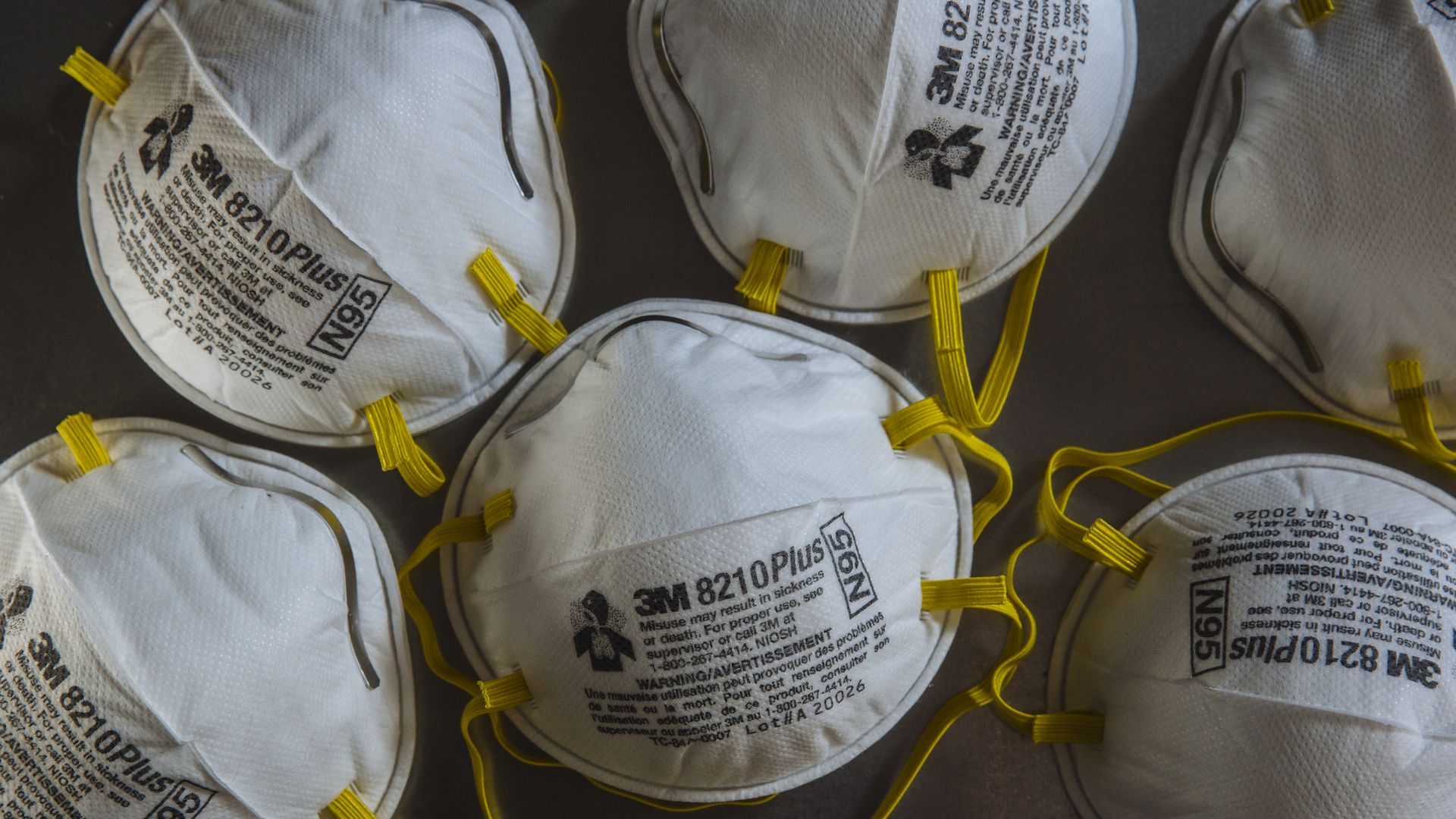
Federal authorities are investigating counterfeit N95 masks that have been sold to hospitals, government agencies and medical facilities in at least five states, AP reports.
Why it matters: "Nearly a year into the pandemic, fraud remains a major problem as scammers seek to exploit hospitals and desperate and weary Americans," AP's Colleen Long writes. The masks, designed to look like they are produced by the global manufacturer 3M, "are becoming increasingly difficult to spot and could put health care workers at grave risk for the coronavirus."
Bill McGlashan, the private equity titan arrested in 2019 for his alleged role in the "Varsity Blues" college admissions scheme, has reached a settlement with federal prosecutors. He also settled his dispute with his former partners at TPG Capital, Axios has learned from multiple sources.
Why it matters: This could set the stage for McGlashan's return to the spotlight. And before you say that's not happening, be sure to consult your Milken Institute Global Conference receipts.
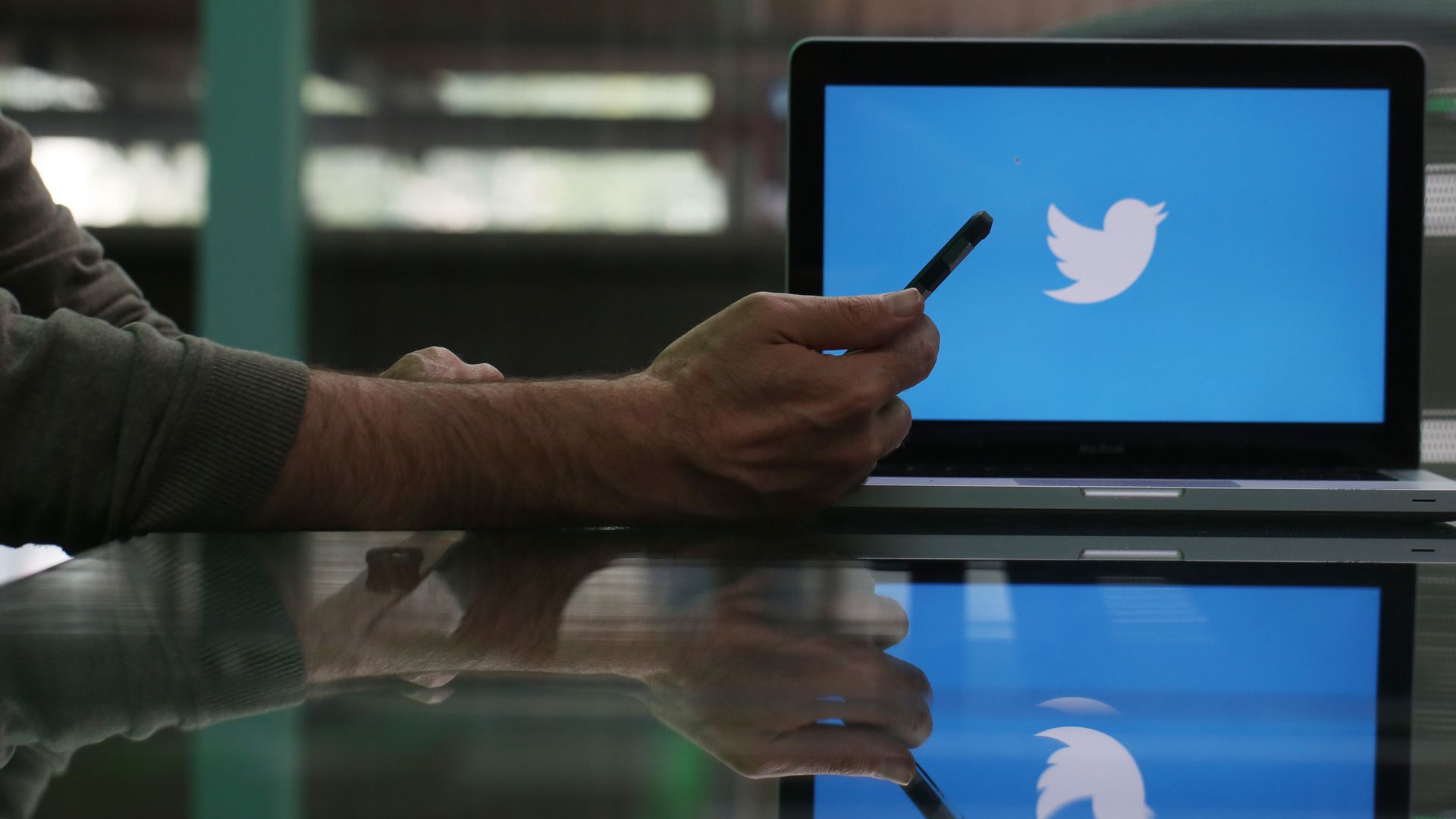
Sentropy, a startup backed by Reddit co-founder Alex Ohanian, has spent much of its first year focused on helping protect digital platforms from abuse using machine learning. On Tuesday, it announced a new service aimed at helping Twitter users avoid abusive comments.
Why it matters: People, especially prominent women, people of color and LGBTQ people, encounter frequent online abuse and often have to first view inflammatory posts before they can take action, such as blocking or muting those doing the harassment.
When I asked Salesforce CEO Marc Benioff in an "Axios on HBO" interview last year whether he regretted investing so much in offices, especially in high-rise buildings, he told me to ask again in a year.
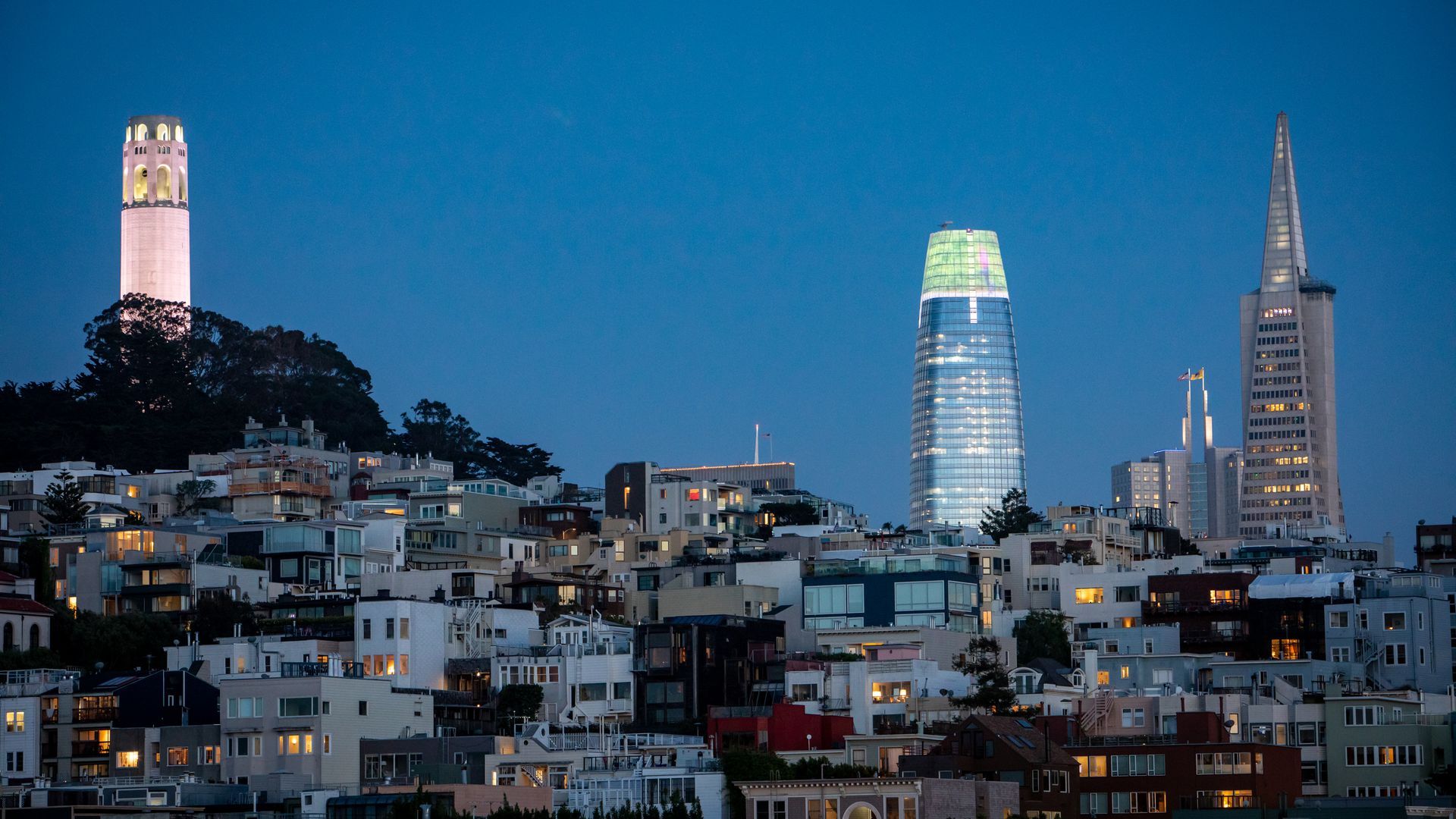
The latest: It's been nine months, but already Salesforce is envisioning a much more partial, limited return to the office for its workforce. The company announced Tuesday a new "work from anywhere" strategy that gives employees far more flexibility to choose what place they consider the office.
A quarter of American workers are either unsure about getting vaccinated against the coronavirus or are planning not to get the shots, according to a new survey from The Conference Board.
Why it matters: Worker vaccinations are key to safely reopening businesses — from offices to restaurants and shops — around the country.
Nonprofit charitable organizations represent America's third-biggest private employers — and they've been walloped by the pandemic.
The big picture: Nonprofits have shuttered and shed over a million jobs at a time when people and communities need their services the most, according to a National Council of Nonprofits analysis of Bureau of Labor Statistics data.
Use of and interest in cryptocurrency remains far from mainstream, but it's growing at a sizable clip. Companies like PayPal, Square and most recently Tesla are helping by launching crypto payment programs.
Driving the news: A survey from data firm CivicScience provided first to Axios shows that since the third quarter of 2019 the number of people investing in cryptocurrencies has risen 50% — to 9% from 6% — and the number of people who intend to use crypto has more than doubled, rising to 7% from 3%.
Americans are putting more of their money into the stock market and putting less of it into savings accounts. They're also spending less on things like housing or basic goods and services, a new survey from the Conference Board finds.
What's happening: The survey shows a decrease in spending by consumers on all categories, with the exception of home improvements and decorating from the second quarter to the fourth quarter.
The Nasdaq rose to a record closing high above 14,000 on Tuesday, as equities continued to march higher.
The state of play: All three major U.S. stock indexes closed at record highs on Monday, even though the Dow and S&P 500 ended the day slightly lower than where they opened.
By the numbers: The Nasdaq is up 8.7% year to date, having risen by more than 7% so far in February. The index has closed in the green every day this month with the lone exception of Feb. 3 when it fell 0.02%.
Inequality in the U.S. continues to grow as the economy undergoes a compositional change in the labor market.
Driving the news: While higher wage earners have largely recouped their losses from the coronavirus pandemic's shutdowns earlier this year, those at the bottom of the income spectrum remain out of work at high levels and are losing more ground.
Of the 50 most expensive places to rent office space, 29 are in California and 13 are in New York — with the Bay Area, Manhattan and Brooklyn dominating the list.
Why it matters: Despite predictions of pandemic-related shakeups in commercial real estate — and the fact that so many cubicle dwellers are working at home — desirable urban office space remains at a premium.
Mayors and governors are starting to put artists front and center in pandemic recovery efforts, funding pop-up installations and even live performances.
Why it matters: The arts have been devastated by COVID-19, which has shut down everything from Broadway to local museums, and elected leaders say restoring beauty in public places will benefit artists and viewers alike.
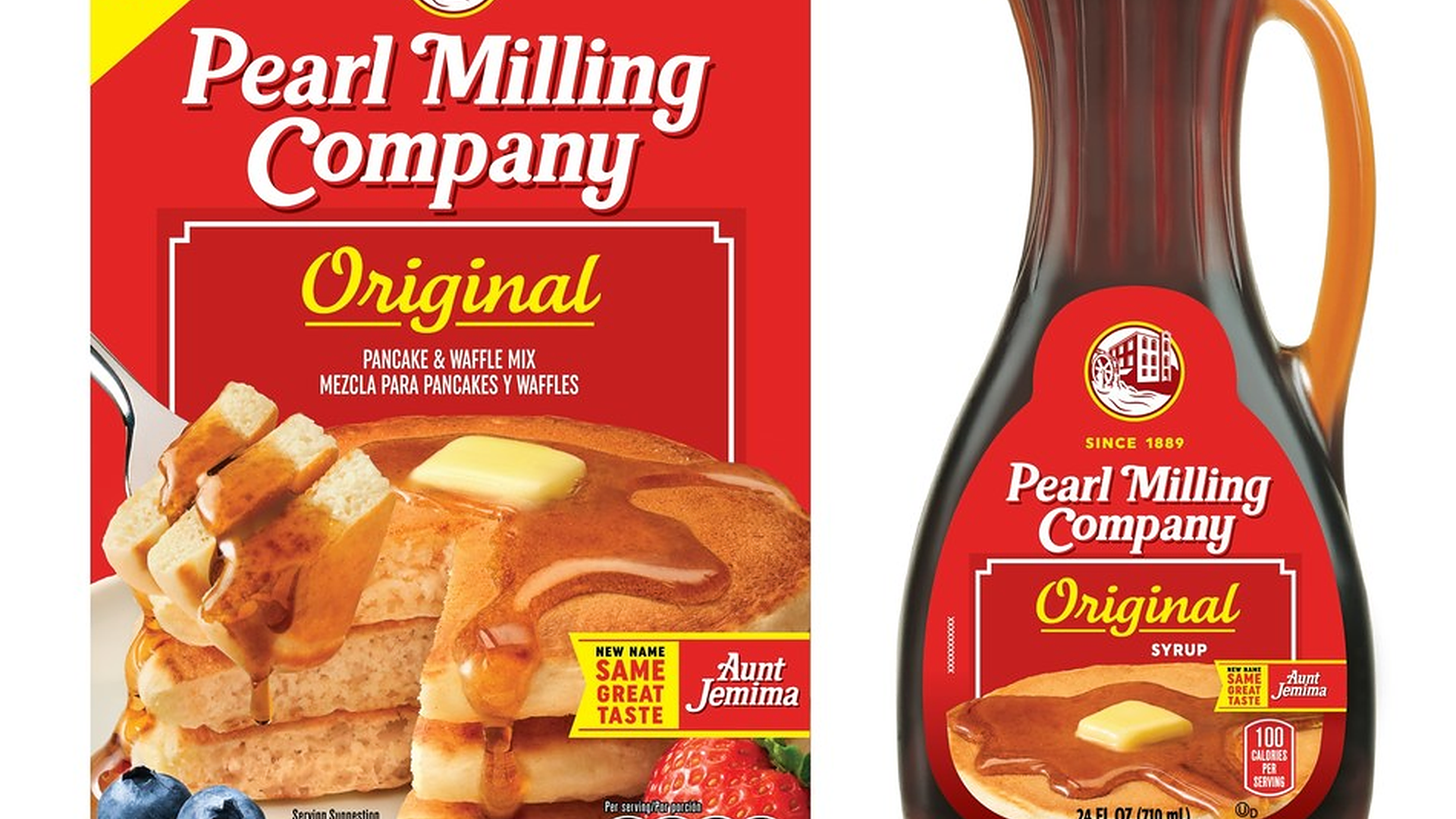
Quaker Oats' Aunt Jemima products have been renamed the Pearl Milling Company, owner PepsiCo announced in a statement on Tuesday.
Why it matters: Protests over systemic racism have prompted many companies to reconsider products or branding that may be harmful or offensive to communities of color. Quaker Oats acknowledged last June the origins of Aunt Jemima's name are based on a racial stereotype.
PepsiCo has pledged more than $400 million "to uplift Black business and communities" and Pearl Milling Company made a $1 million commitment to empower Black girls and women in the coming weeks, the statement said.
Former NFL quarterback Colin Kaepernick on Tuesday disclosed that he has formed a blank-check company that will seek to raise $250 million in an IPO.
Why it matters: Kaepernick hasn't played pro football since 2016, but has remained a cultural lightning rod — either loved or loathed for his social activism, including his strong support of the Black Lives Matters movement.
JPMorgan Chase announced a new $30 billion commitment over the next 5 years to advance racial equity, especially for Black and Latinx Americans.
Why it’s important: Systemic racism has contributed to low and lost wages, rising costs of homeownership and barriers to small business creation, which have stunted economic opportunity for Black and Latinx communities in America – and COVID-19 has only made things worse.
Structural barriers in the U.S. created deep racial inequalities worsened by COVID-19.
Why it’s important: The economic inequality underlined by the racial wealth gap leaves Black and Latinx families further behind– putting a strain on the U.S. economy.
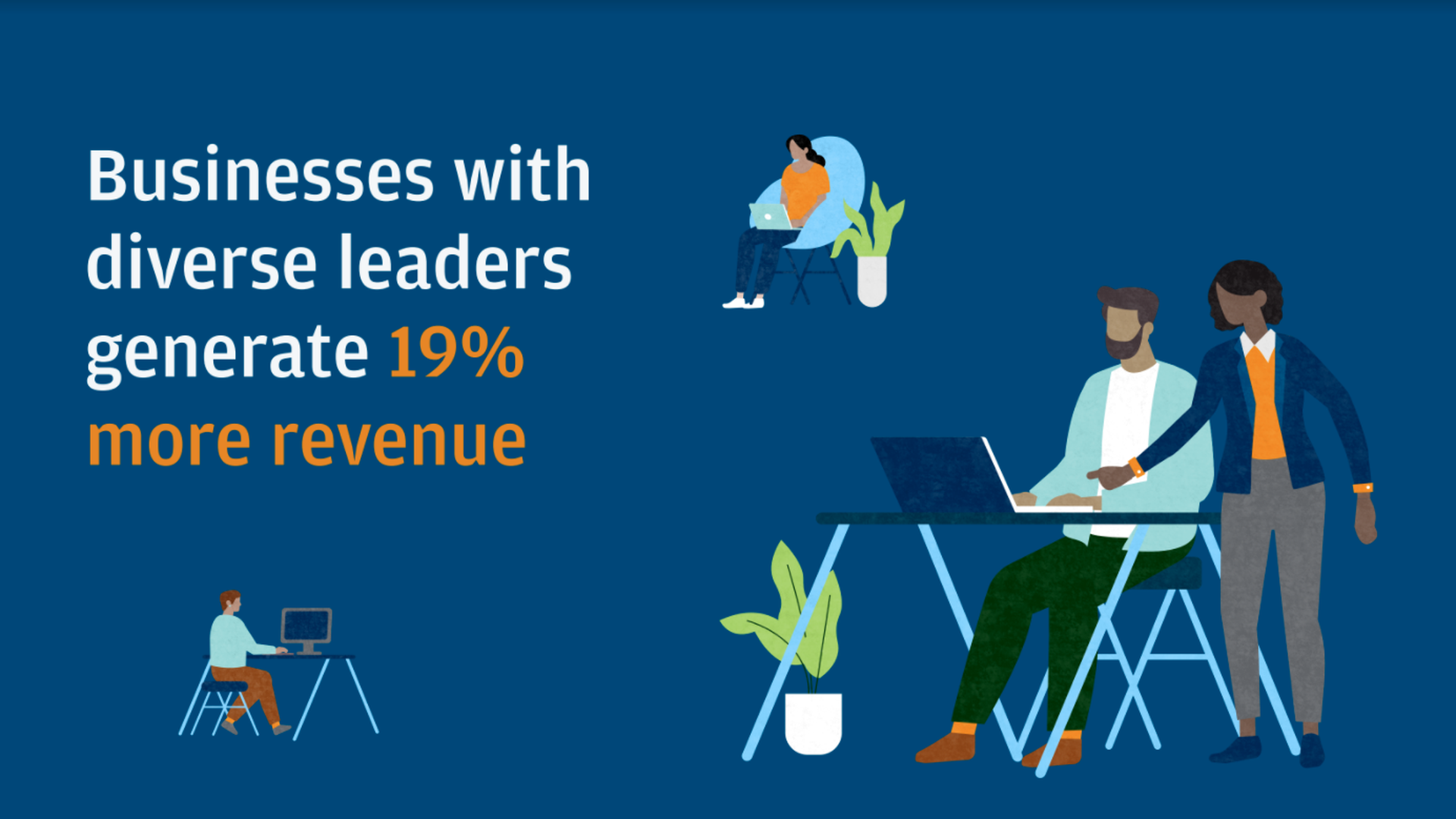
JPMorgan Chase has committed to building a more equitable and representative workforce, and supporting solutions to advance racial equity in the workforce.
A few examples: Recruiting top talent from HBCUs, and preparing employees for the future of work.
Arrest and conviction records create barriers to employment and economic opportunity.
Why it’s important: This reinforces the systemic inequalities in the U.S. Find out how JPMorgan Chase’s PolicyCenter is helping fix this issue by advancing better policy.