Major trading platforms including Robinhood, TD Ameritrade and Interactive Brokers are restricting — or cutting off entirely — trading on high-flying stocks like GameStop and AMC Entertainment.
The latest: Senate Banking Committee Chair Sherrod Brown (D-Ohio) announced Thursday that he plans to hold a hearing on "the current state of the stock market" in response to this week's volatility.
Big Tech is something all Americans use and most Americans complain about, no matter their political affiliation.
Axios Re:Cap goes deeper into the Biden administration's top Big Tech priorities, plus discussion of Section 230 and Reddit day trading with Rep. Ro Khanna (D-Calif.).
Coinbase, the cryptocurrency trading company, said Thursday that its public debut will be a direct listing instead of a traditional IPO.
Why it matters: Coinbase's public listing has been hotly anticipated as a potential tipping point for the cryptocurrency industry to go mainstream. The direct listing route — which allows existing shareholders to sell their stock into the market while the company doesn't raise new funds — has been slowly gaining more traction with Palantir and Asana as the latest to go that direction.
A fledgling system north of Tel Aviv has three drones making six test runs a day from a Pizza Hut to designated parking lots, where drivers pick up the meals and deliver them the "last mile."
Why it matters: All signs point to a future in which systems like this are ubiquitous across America, with food and merchandise shuttled overhead to centralized landing hubs (as opposed to your doorstep or balcony).
President Biden wants the 650,000 vehicles operated by the federal government to be electric, union-made — and made in America. As Axios' Joann Muller reports, even managing the first two would be extremely difficult. The third, however, is particularly problematic.
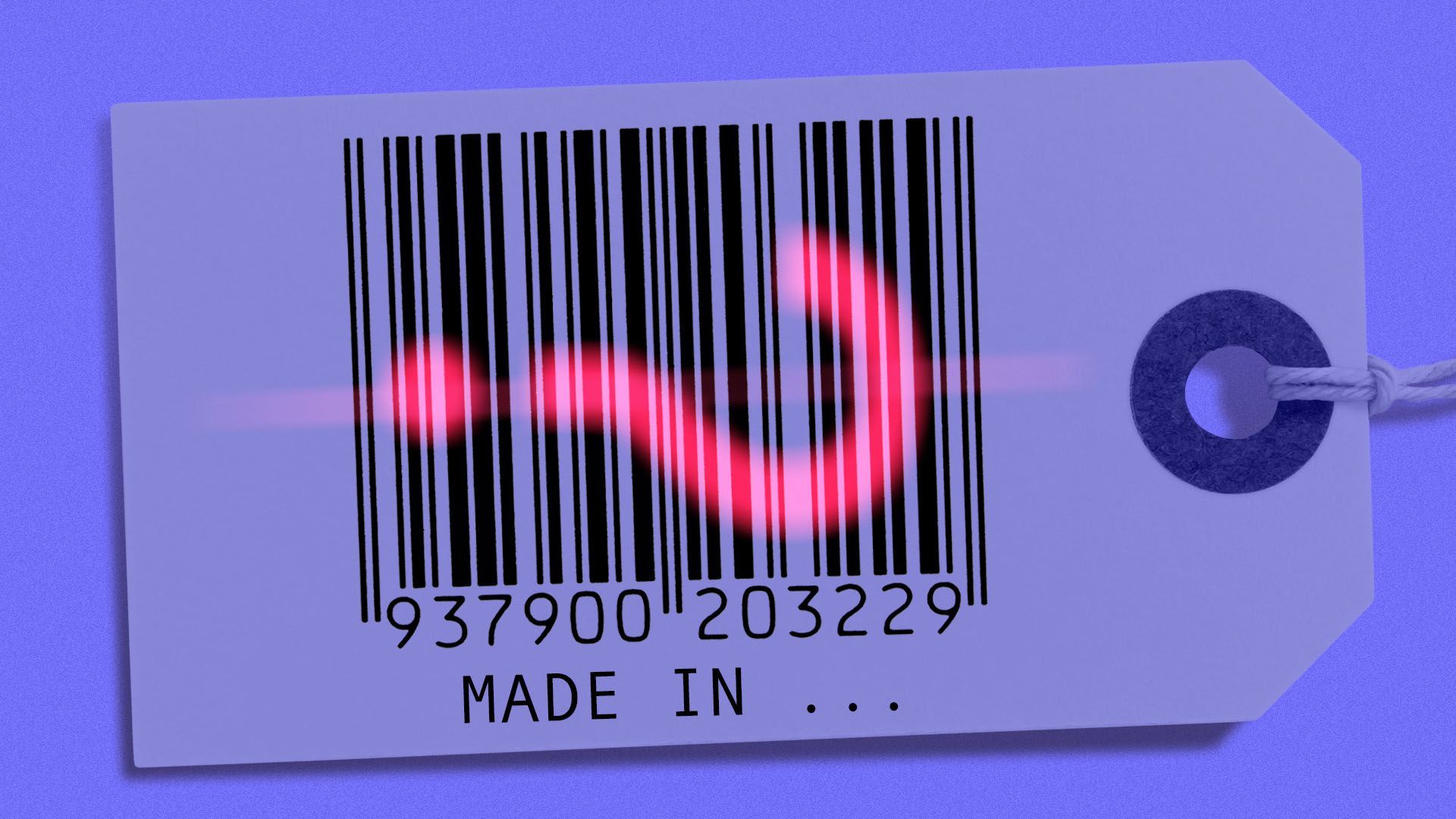
Why it matters: We live in a world of highly complex global supply chains, where "made in" designations are increasingly difficult to determine.
Thanks to Reddit, AMC Entertainment has managed to take $700 million of debt off its balance sheet, as well as raising $506 million of fresh cash in the stock market.
Driving the news: The movie-theater chain and hot meme stonk of the moment converted $100 million of junior debt into equity on Monday, while also raising fresh equity capital. Then, on Thursday, it announced that $600 million of senior debt had also been converted into equity, at a price of $13.51 per share.
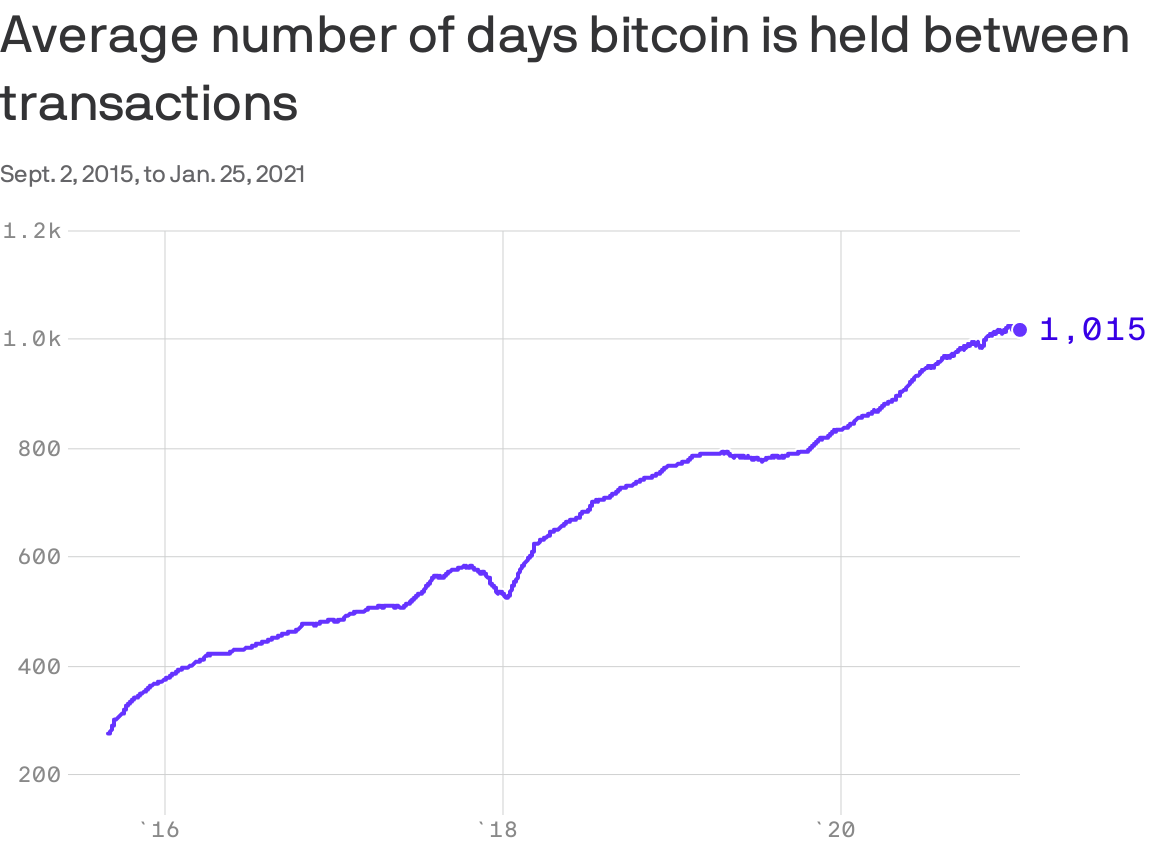
Now more than ever, bitcoin as "digital gold" is the prevailing narrative fueling big-name adoption, writes Coindesk. Bitcoin is something to be bought and stored, not something to be spent or used.
Why it matters: Bitcoin as a store of value is trouncing bitcoin as a medium of exchange. While the price of bitcoin is near its all-time highs, usage of bitcoin for anything other than investing has slowed.
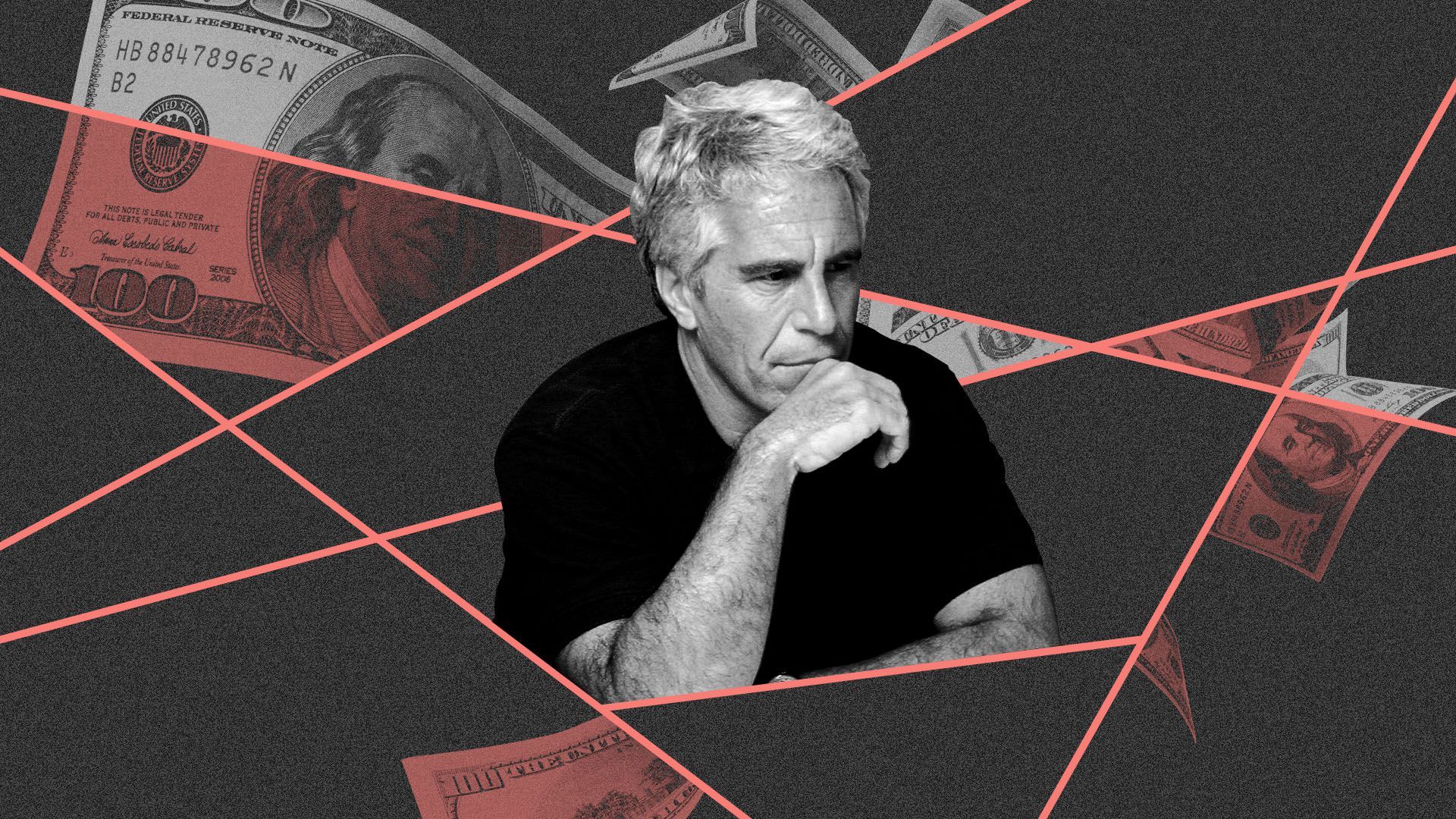
It's been one of the central mysteries of the Jeffrey Epstein saga: How did the notorious pedophile get so rich?
Driving the news: A partial answer to that question arrived on Monday with the release of a report detailing how and why Apollo Management founder Leon Black paid Epstein some $148 million, including $70 million in 2014 alone.
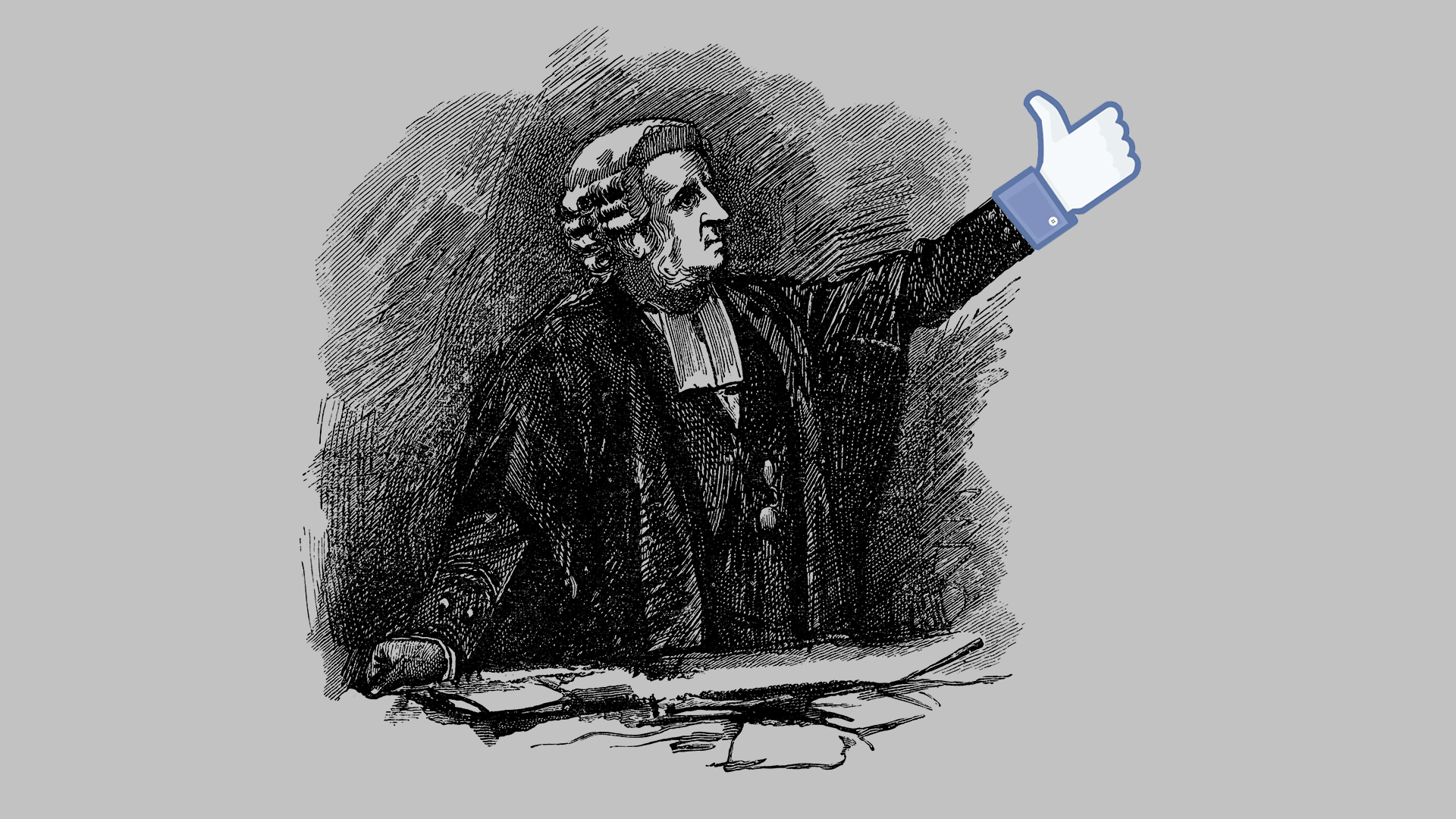
Facebook's independent Oversight Board published its first set of decisions Thursday, overturning four of the five cases it chose to review out of 20,000 cases submitted.
Why it matters: The decision to go against Facebook's conclusions in four out of five instances gives legitimacy to the board, which is funded via a $130 million grant from Facebook.
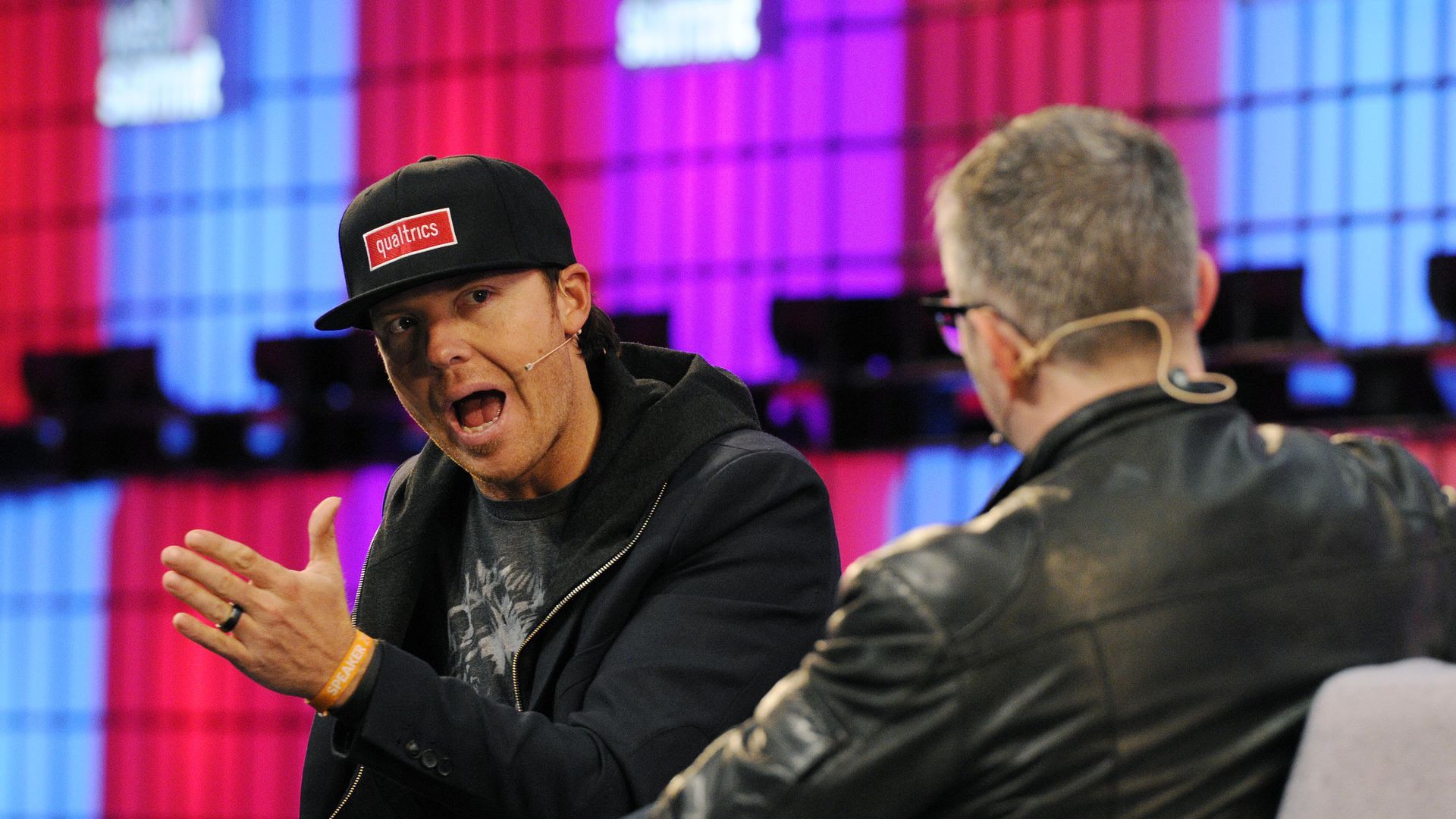
Qualtrics, the Utah-based experience management company being spun out of SAP (NYSE: SAP), raised $1.55 billion in its IPO.
Why it matters: SAP's bet on Qualtrics paid off big, even if the corporate structure is different than originally anticipated. The German tech giant paid $8 billion in cash for Qualtrics just two years ago, and it retains majority control with a stake now valued at $12.7 billion. Plus, it's the largest IPO ever for a Utah company.
The National Basketball Association is opening the door a little wider for private equity funds, which to date have been largely excluded from investing in its franchises.
Driving the news: The league's board of governors has approved a framework whereby a PE fund could own up to 20% in a single franchise, and stakes in up to five franchises, as first reported by Sportico and confirmed by Axios.
Microsoft this morning disclosed investments in more climate-related companies as part of efforts to make good on its year-old pledge to become "carbon negative" by 2030.
Driving the news: One company the tech behemoth is staking is Climeworks, a firm looking to scale up deployment of direct air capture technology that removes CO2 already in the atmosphere.
ExxonMobil, under pressure to boost financial performance and do more on climate change, says it's on the cusp of changes.
Driving the news: The oil giant said Wednesday it would soon update shareholders on plans to "build long-term, sustainable value," and new steps to commercialize tech that's "key to reducing emissions."
One of the last major economic report cards of the Trump era lends perspective to the historic damage caused by the pandemic, which continued to weigh on growth in the final quarter of 2020.
By the numbers: The U.S. economy grew at a 4% annualized pace in the fourth quarter, a sharp slowdown in growth compared to the prior quarter. For the full year, the economy shrank by 3.5% — the first annual contraction since the financial crisis and the worst decline since 1946.
Tonight's NBA doubleheader will be broadcast on TNT, which means the network will almost certainly draw more viewers than its competitors throughout the evening.
Yes, but: While the battle for the "first screen" (broadcast) has already been won, the battle for the "second screen" (social media) will happen in real-time.
Big Tech had a strong start to earnings season, as the S&P 500's heavy hitters reported Wednesday after market close.
What happened: Spurred by strong sales of the latest iPhones, Apple had its strongest quarter ever, raking in $111.4 billion in revenue for the three months ended Dec. 31, far outpacing expectations.
Equity prices tumbled Wednesday, with U.S. indexes booking their worst day since October, but traditional hedging assets like Treasury bonds, the Japanese yen and gold saw minimal gains or losses, continuing a trend that has been in place for more than a year.
By the numbers: The S&P, Dow and Nasdaq all fell by more than 2%, but the benchmark 10-year U.S. Treasury yield declined by just 1 basis point from its closing level on Tuesday.
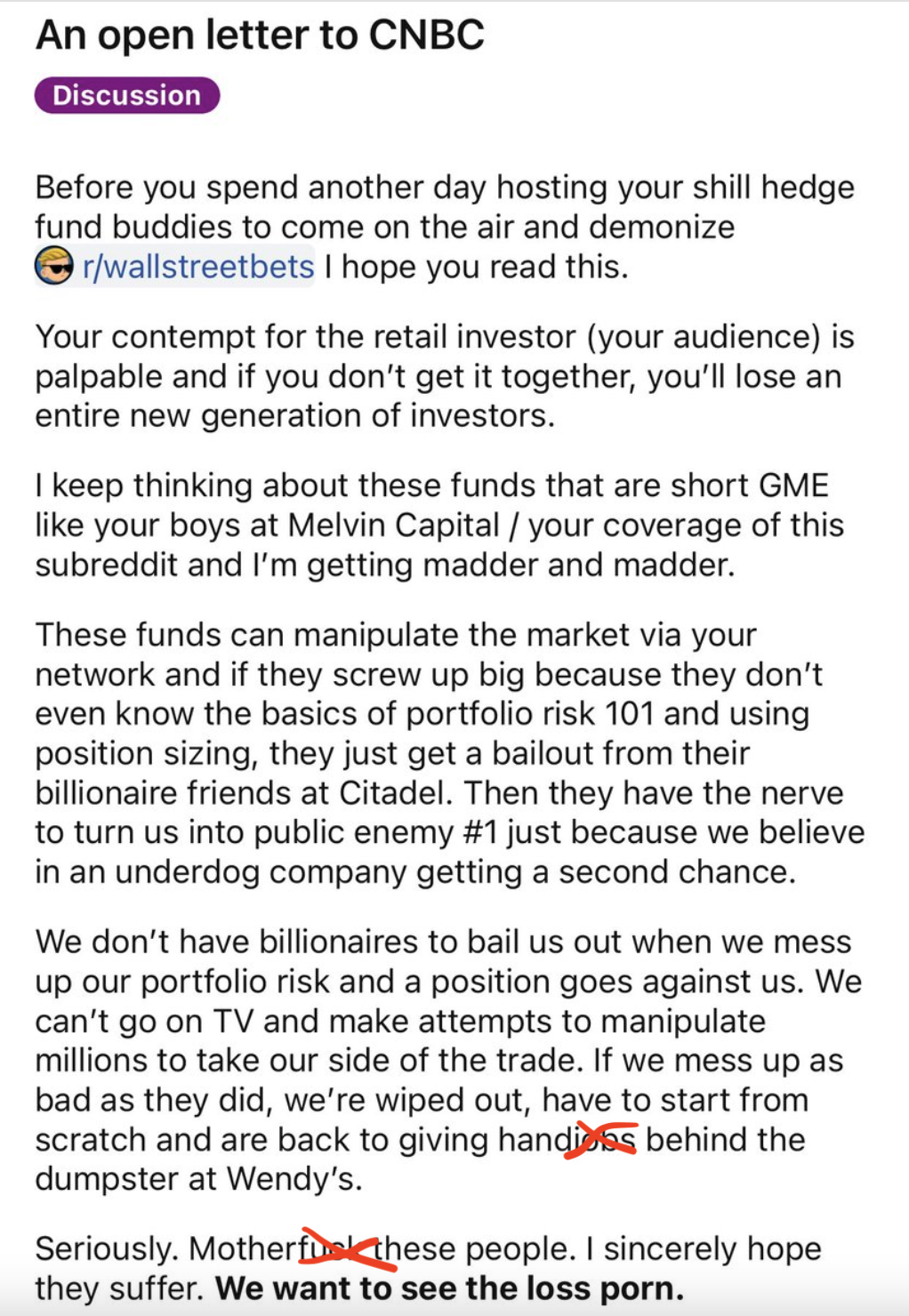
Screengrab of post on r/WallStreetBets from an administrator
A major aspect of the rise of stocks like GameStop is the use of leverage by hedge funds. The r/WallStreetBets crowd is using that leverage against them.
What it means: Because hedge funds are using borrowed money to place bigger bets, they have to exit positions at certain levels or risk losing potentially infinite sums of their clients' money and their own on short positions.
Retail traders have found a cheat code for the stock market, and barring some major action from regulatory authorities or a massive turn in their favored companies, they're going to keep using it to score "tendies" and turn Wall Street on its head.
What's happening: The share prices of companies like GameStop are rocketing higher, based largely on the social media organizing of a 3-million strong group of Redditors who are eagerly piling into companies that big hedge funds are short selling, or betting will fall in price.
A half-forgotten and unprofitable videogame retailer is, bizarrely and incredibly, on the lips of the nation. That's because the GameStop story touches on economic and cultural forces that affect everyone, whether they own a single share of stock or not.
Why it matters: In most Wall Street fights, the broader public doesn't have a rooting interest. This one — where a group of small traders won a multi-billion-dollar bet against giant hedge funds by buying stock in GameStop — is different.
Places with more than 10 million residents — known as megacities — are becoming more common as people from rural areas migrate to urban ones.
Why it matters: The benefits of megacities — which include opportunities for upward mobility and higher wages — can be offset by their negatives, like the fact that they're breeding grounds for COVID-19.
Prescription drug prices in the U.S. are more than 256% higher than other 32 other countries, with the gap driven by brand-name drugs, a new report by nonpartisan RAND Corporation shows.
The big picture: Drug spending in the U.S. jumped by 76% between 2000 and 2017, and the costs are expected to only increase over the next decade, per the report.
People who sold a median-priced home or condo last year made a typical profit of $68,843, the highest figure since at least 2005, according to real estate data provider ATTOM Data Solutions.
Why it matters: While homeownership is still elusive for Americans on bottom income rungs, it's proving to be a slot machine jackpot for the "haves," whose properties have grown more attractive thanks to pandemic lifestyle changes.



/2021/01/28/1611862684044.gif?w=3840)