Reddit co-founder Alexis Ohanian is moving on from Initialized, the venture capital firm he co-founded in 2012, Axios has learned.
What happened: Ohanian has become more interested in "pre-seed" investing, which is often little more than a business plan and a founding team, whereas Initialized focuses on traditional "seed-stage" investing.
Baseball players and owners struck a deal earlier this week to begin a shortened season, but there's still no guarantee that games will be played.
Axios Re:Cap, our new afternoon podcast, digs in with Boston Red Sox CEO Sam Kennedy. We also talk to the CEO of grocery giant Albertsons, which went public on Friday, and we share one surprising thing about the big Amazon announcement. All in 10 minutes.
Unilever, one of the biggest advertisers in the country, said Friday that it will no longer buy ads on Facebook properties nor on Twitter, citing both companies' policies on content moderation.
Why it matters: It's by far the biggest advertiser to yank its ads from Facebook amid the quickly growing boycott of Facebook and Facebook-owned Instagram. It's also the first brand to extend its boycott to Facebook rival Twitter, signaling trouble to come for that platform.
I've rarely encountered as many thumbs-up, smiles and nods in a pickup truck as I did last week while driving the Jeep Gladiator Mojave.
Why it matters: Jeep built its reputation for crawling over rocks, but the Mojave was engineered for high-speed off-road performance, earning what its marketers say is Jeep's first "Desert Rated" badge of authenticity.
Many of the year's most important new cars and trucks will be seen for the first time not on stage at an auto show but online in a virtual launch party.
Why it matters: The reveal of an all-new vehicle is typically a multimillion-dollar marketing extravaganza, with pulsating music, bright lights and lots of hype.
Albertsons, an Idaho-based grocer whose brands include Safeway, raised $800 million in its IPO. The Cerberus-owned company priced 50 million shares at $16, below initial plans to offer 65.8 million shares at $18–$20, for an initial market cap of $7.7 billion.
Why it matters: This is one of very few 2020 IPOs to majorly miss expectations, and came on the same night that six other issuers beat their targets.
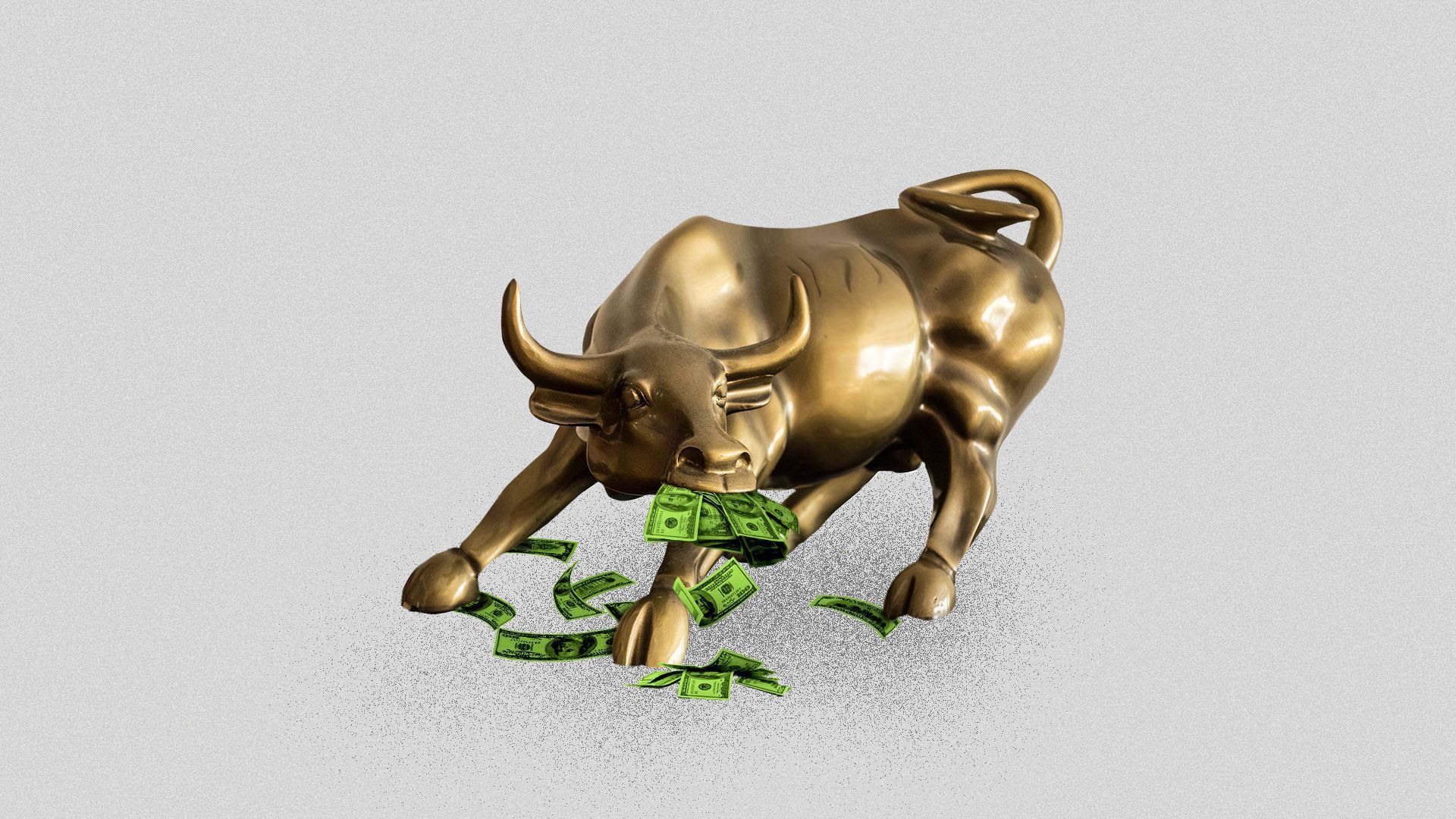
Venture capital funds soon will be eligible for a huge new pot of Wall Street money, after federal regulators yesterday weakened rules that were put in place after the financial crisis.
Driving the news: Many banks had been banned from balance sheet investing in venture capital funds due to the Volcker Rule, which was part of the Dodd-Frank financial reform package passed in 2010. That prohibition will now expire on Oct. 1, based on an announcement from a group of agencies that included the SEC and FDIC.
Email remains the dominant form of digital communication, especially in business, but the experience has been frozen in time for a decade. Now, however, a new wave of efforts aims to disrupt it.
Why it matters: Many workers still spend hours a day in their inboxes. Anyone who can make that time more efficient and less painful should find a market.
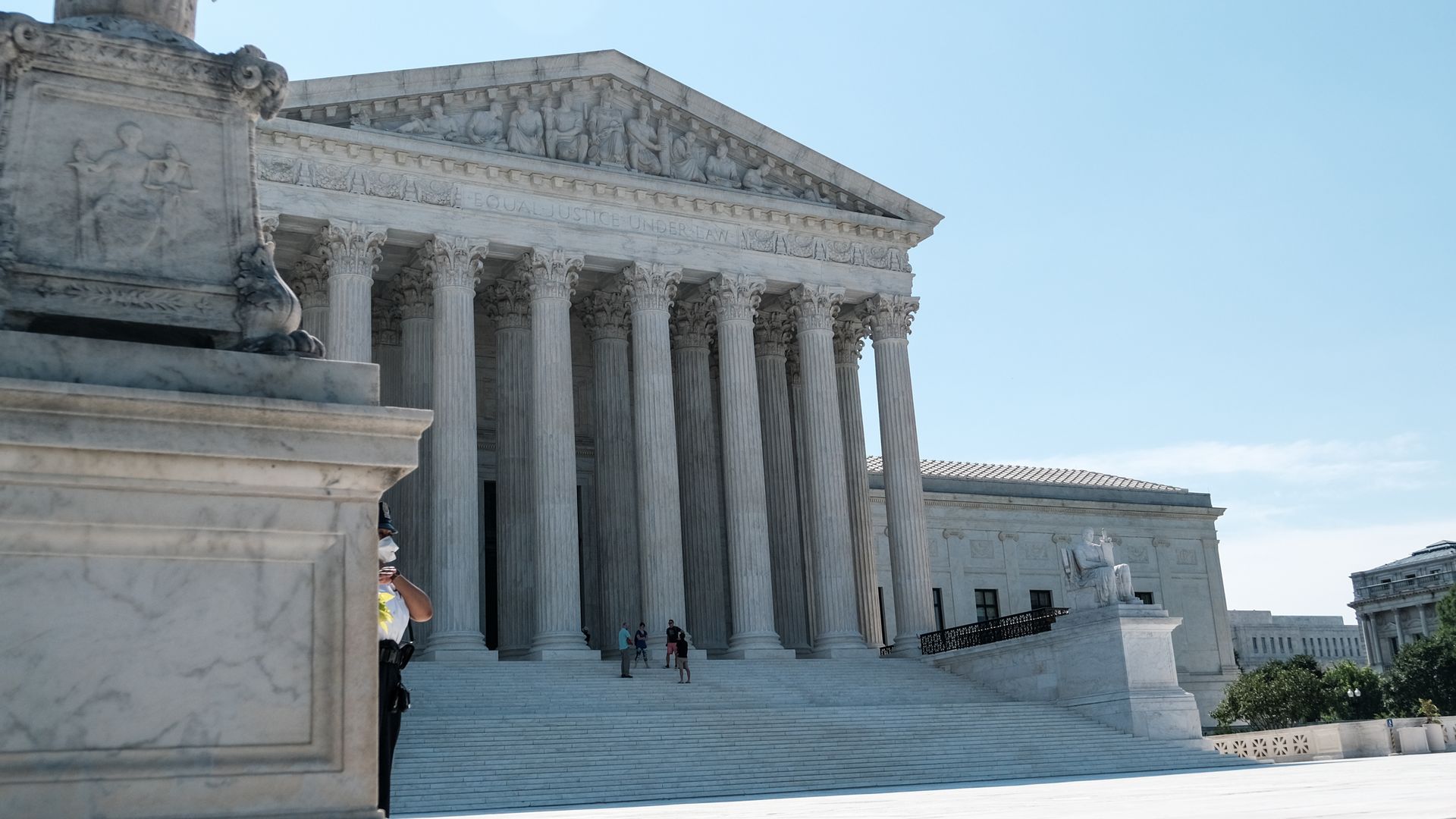
The Supreme Court may reveal as soon as Monday whether it will review an eminent domain lawsuit that could have big implications for natural-gas pipelines.
The big picture: The dispute, over a 120-mile pipeline from Pennsylvania to New Jersey, is one of three high-court battles representing the culmination of fights over fossil-fuel infrastructure of all kinds raging over the past decade as a proxy for a larger debate about climate change and energy.
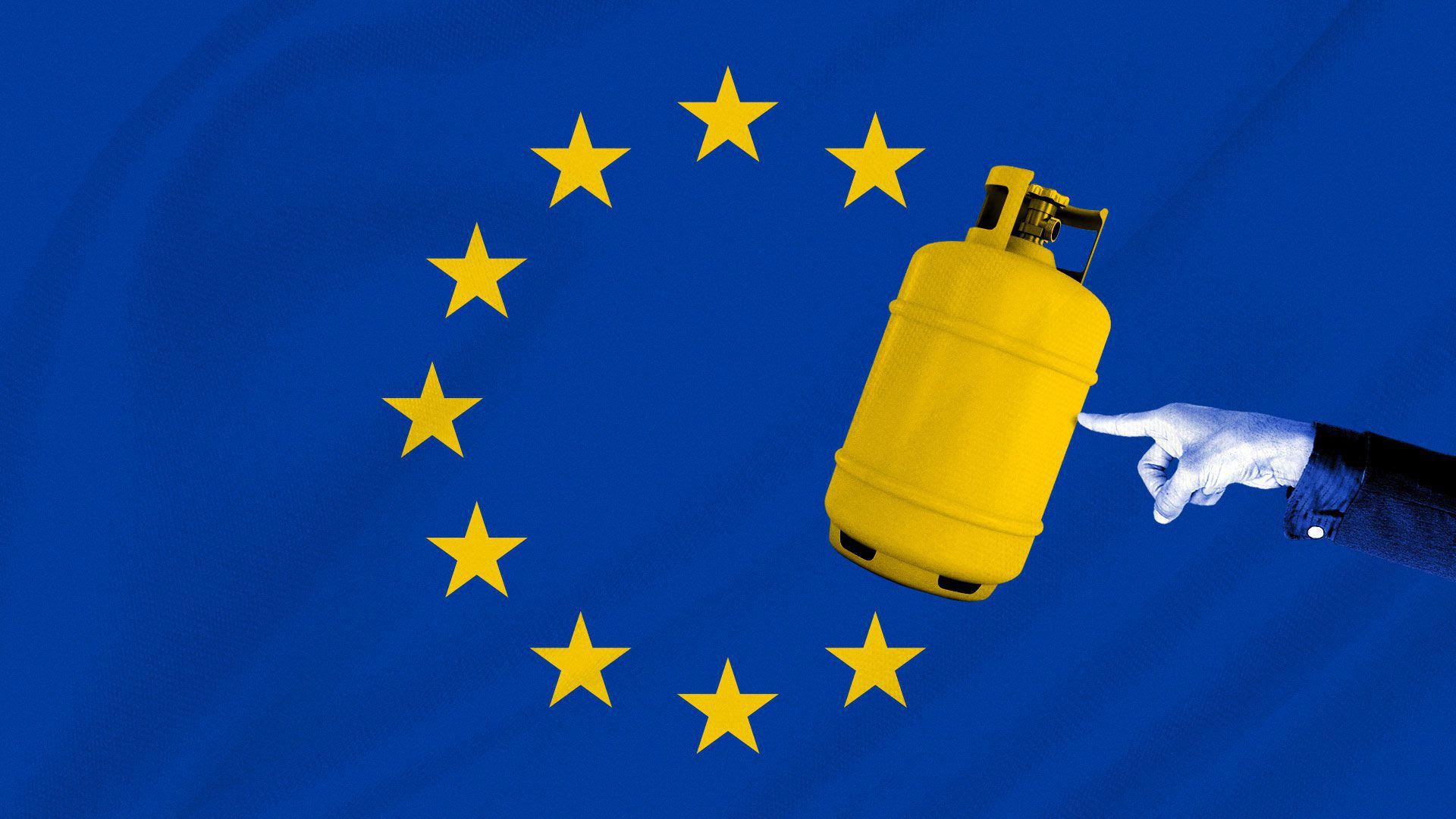
Europe is facing pressure to include natural gas and nuclear power as part of its plan for sustainable finance.
Why it matters: Europe represents the progressive edge of the world’s response to climate change and controls a lot of finance in developing nations, so what it does on these controversial energy sources could set the bar globally.
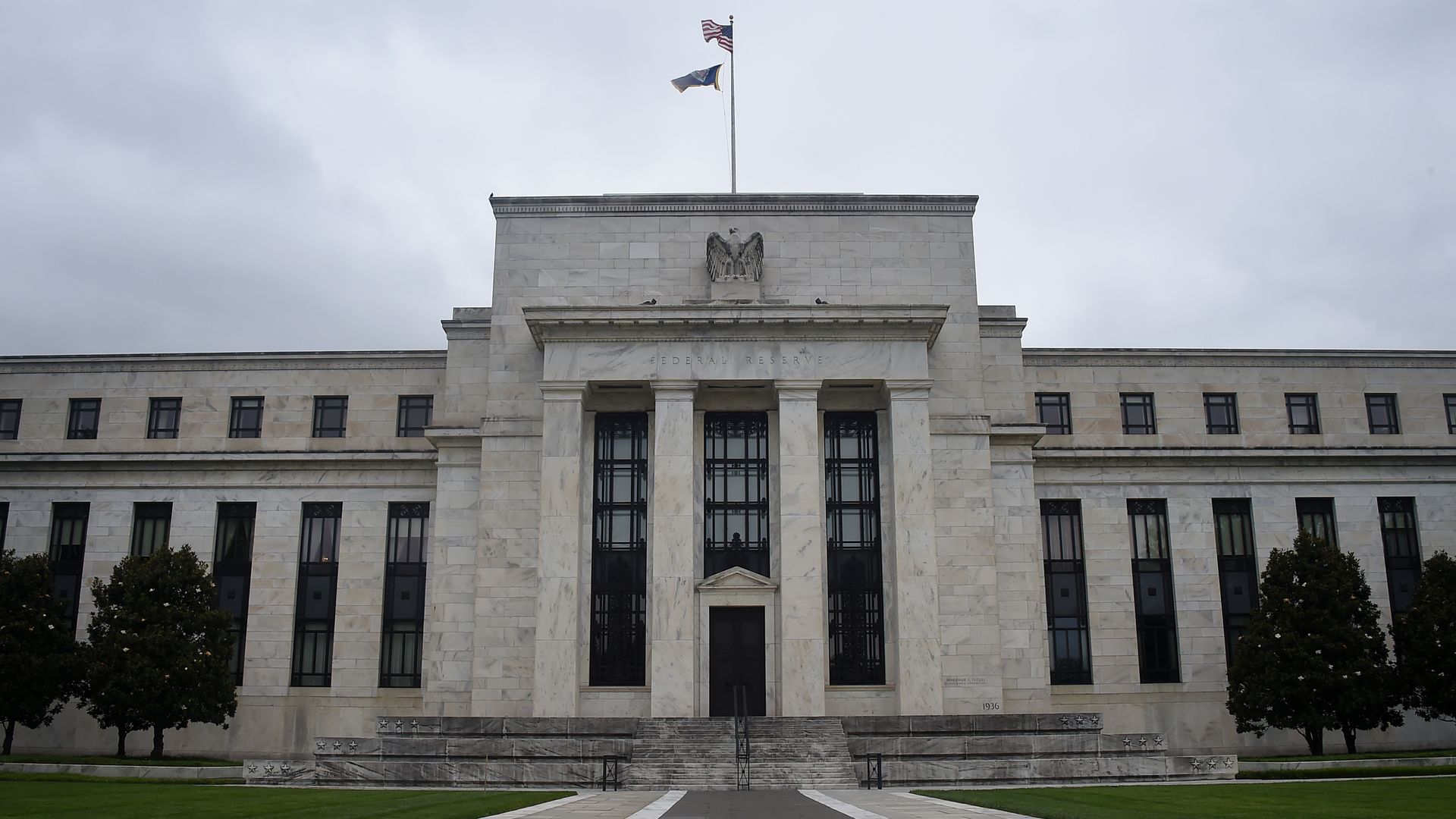
The Fed says several banks may not fare well if there's a U- or W-shaped economic recovery. That's why it says it’s cracking down on bank dividends and share buybacks — in a way never before seen since annual stress tests were implemented after the 2008 financial crisis.
The backstory: The Fed tested banks' balance sheets in new scenarios that might mirror what's ahead for the pandemic-hit economy. All 33 of the biggest banks passed the Fed's traditional test — but since the coronavirus crisis, the economic reality became worse than the hypothetical slump thought up by the Fed earlier this year.
Here's more proof that plexiglass is one of the hottest commodities of the coronavirus pandemic: A word that was almost never mentioned is popping up in corporate earnings calls and company press releases.
What's going on: Plexiglass is the must-have partition for places around the world doing business in the COVID-19 era — restaurants, grocery stores handing out free samples, casinos, even possibly schools (once students return).
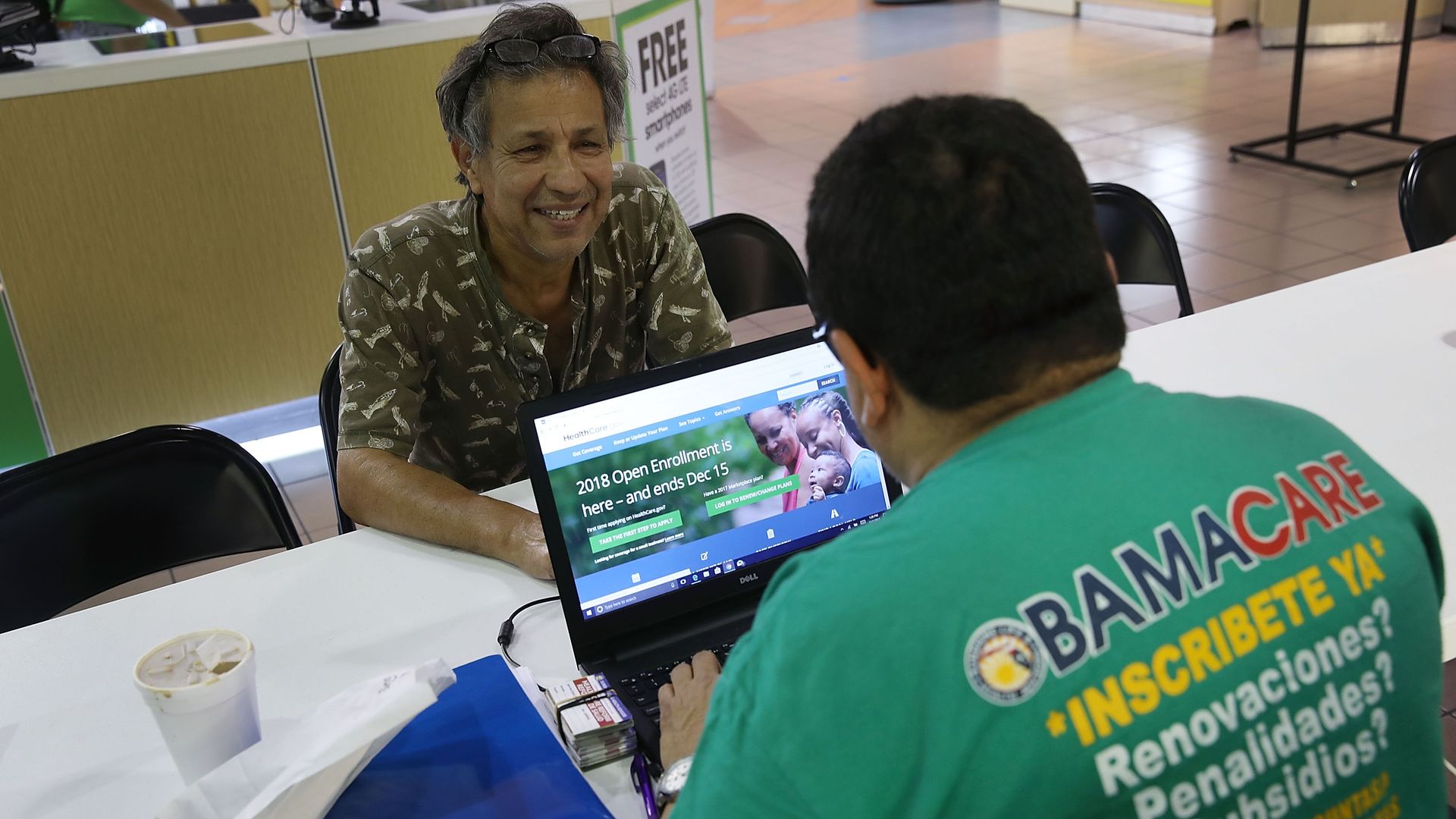
The number of people who lost jobs and related health coverage and then signed up for Affordable Care Act health plans on the federal website was up 46% this year compared with 2019, representing an increase of 154,000 people, the federal government said in a new report.
The bottom line: The rush of people going to HealthCare.gov was tied to "job losses due to COVID-19," the government said.
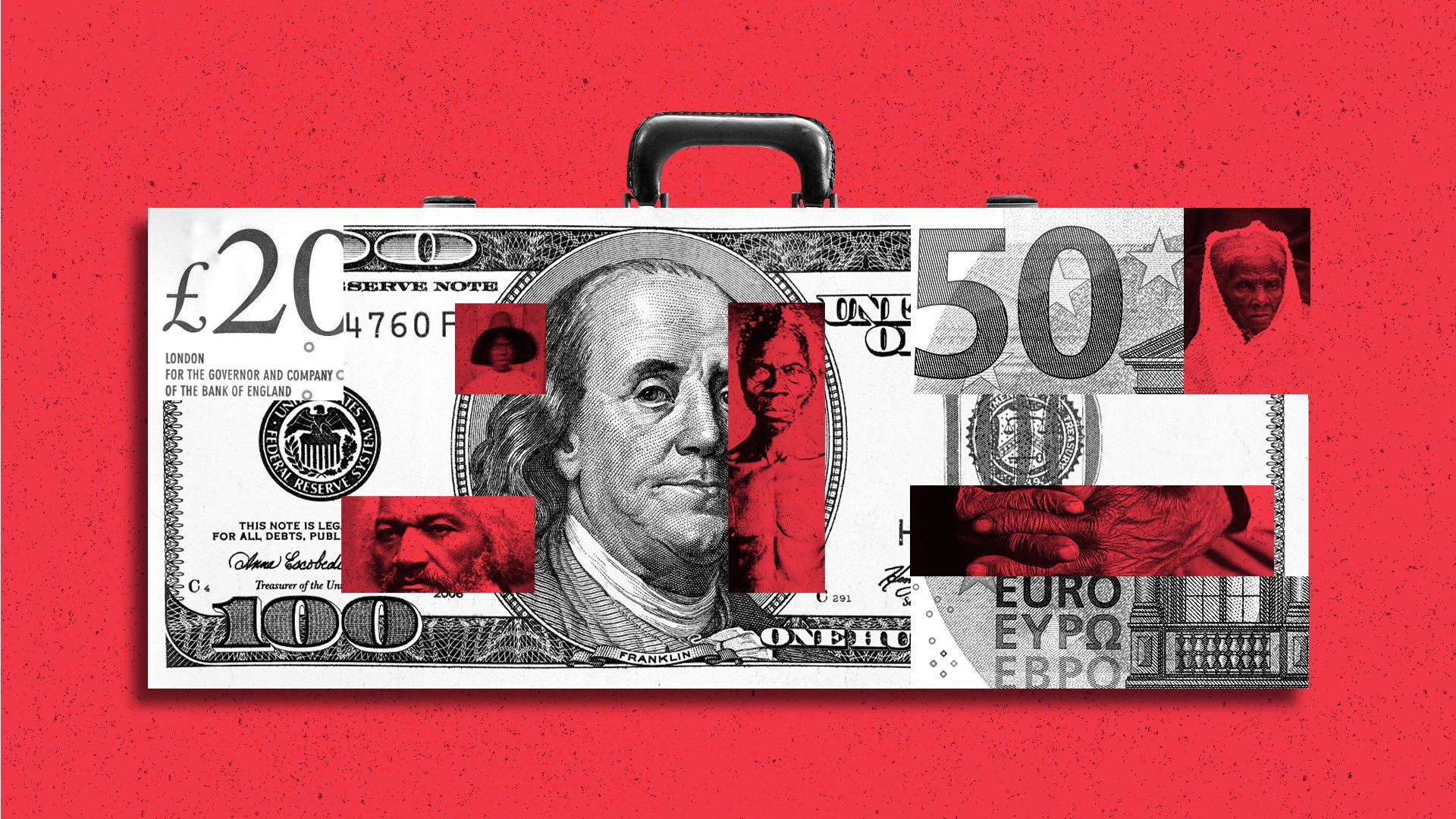
The debate over reparations for slavery has moved from the political realm to the corporate one. At least two big British companies — insurer Lloyd's of London and brewer Greene King — promised to make certain amends for their role in slavery. But activists want them and other companies to do more.
Why it matters: We usually hear about reparations as a political issue — a "societal obligation" of the federal government, as The New York Times' Nikole Hannah-Jones wrote this week. But corporations, too, are being called out for how their involvement in slavery — and their modern-day policies and practices — perpetuate racism.
Public transit agencies are facing gaping budget holes from the coronavirus pandemic that are likely to lead to service cuts and fare hikes, which could hurt the people from low-income communities who rely most on public transportation.
Why it matters: Access to safe, affordable and reliable public transportation is key to socioeconomic success. Yet poor communities often have little input when it comes to transportation policies.
A fair price for Gilead's coronavirus drug, remdesivir, likely should not exceed $2,800 for a course of treatment, according to updated estimates from experts at the Institute for Clinical and Economic Review.
The bottom line: Gilead hasn't released a final price for remdesivir yet, and it could set the bar for other coronavirus treatments that come after it.