Starbucks announced Sunday it will pause all advertisements on social media platforms in a "stand against hate speech," CNBC reports.
Why it matters: Starbucks is following in the footsteps of other companies, such as Unilever and Coca-Cola, who have pulled paid advertisements from platforms like Facebook because of content moderation policies and the spread of hate speech.
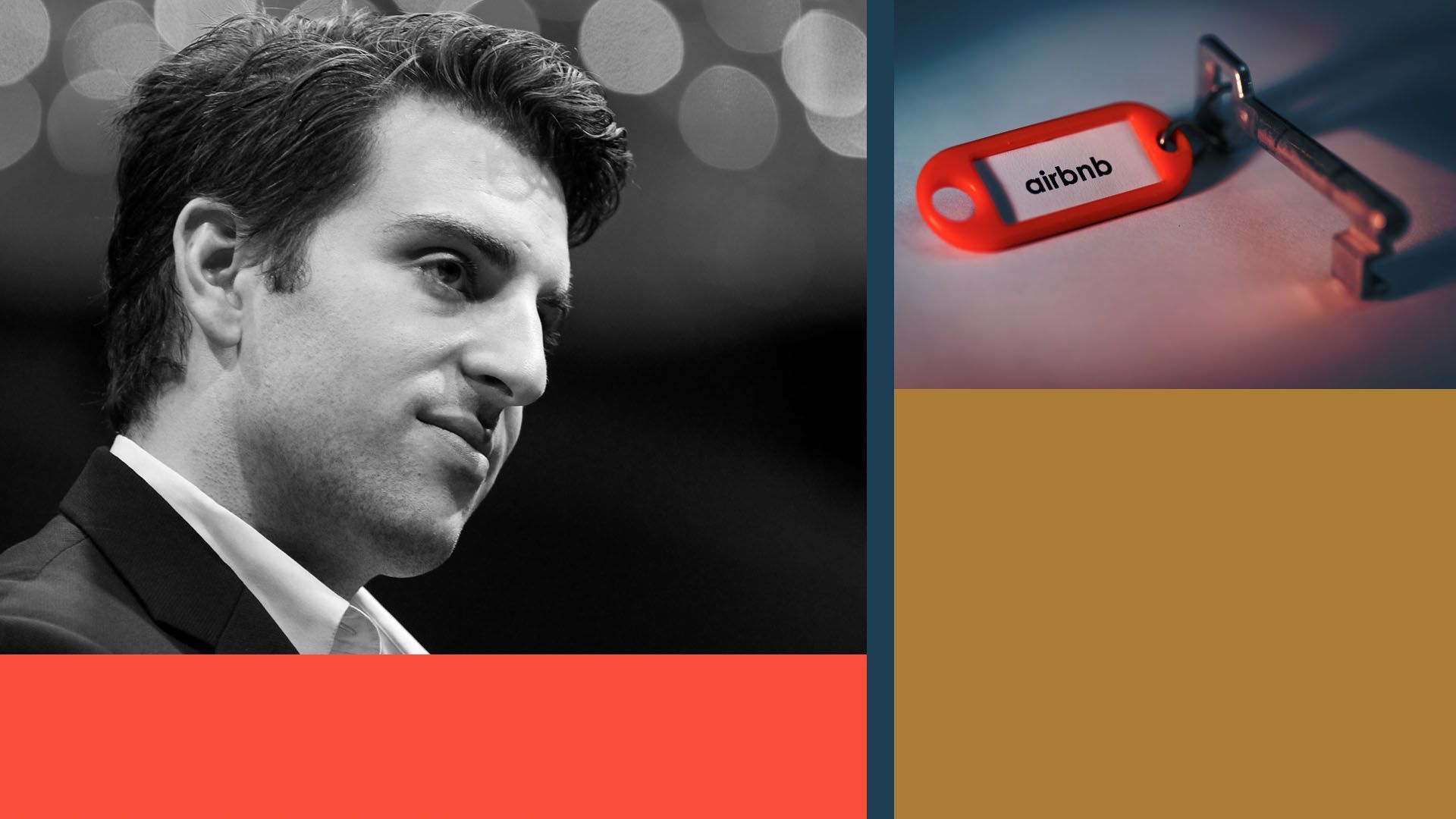
Airbnb co-founder and CEO Brian Chesky told Axios in an interview that global travel may never fully recover, and that he sees a future where people travel much more within their own countries, possibly for longer stays.
Driving the news: "I will go on the record to say that travel will never, ever go back to the way it was pre-COVID; it just won't," Chesky told us by Zoom from his home in San Francisco. "There are sometimes months when decades of transformation happen."
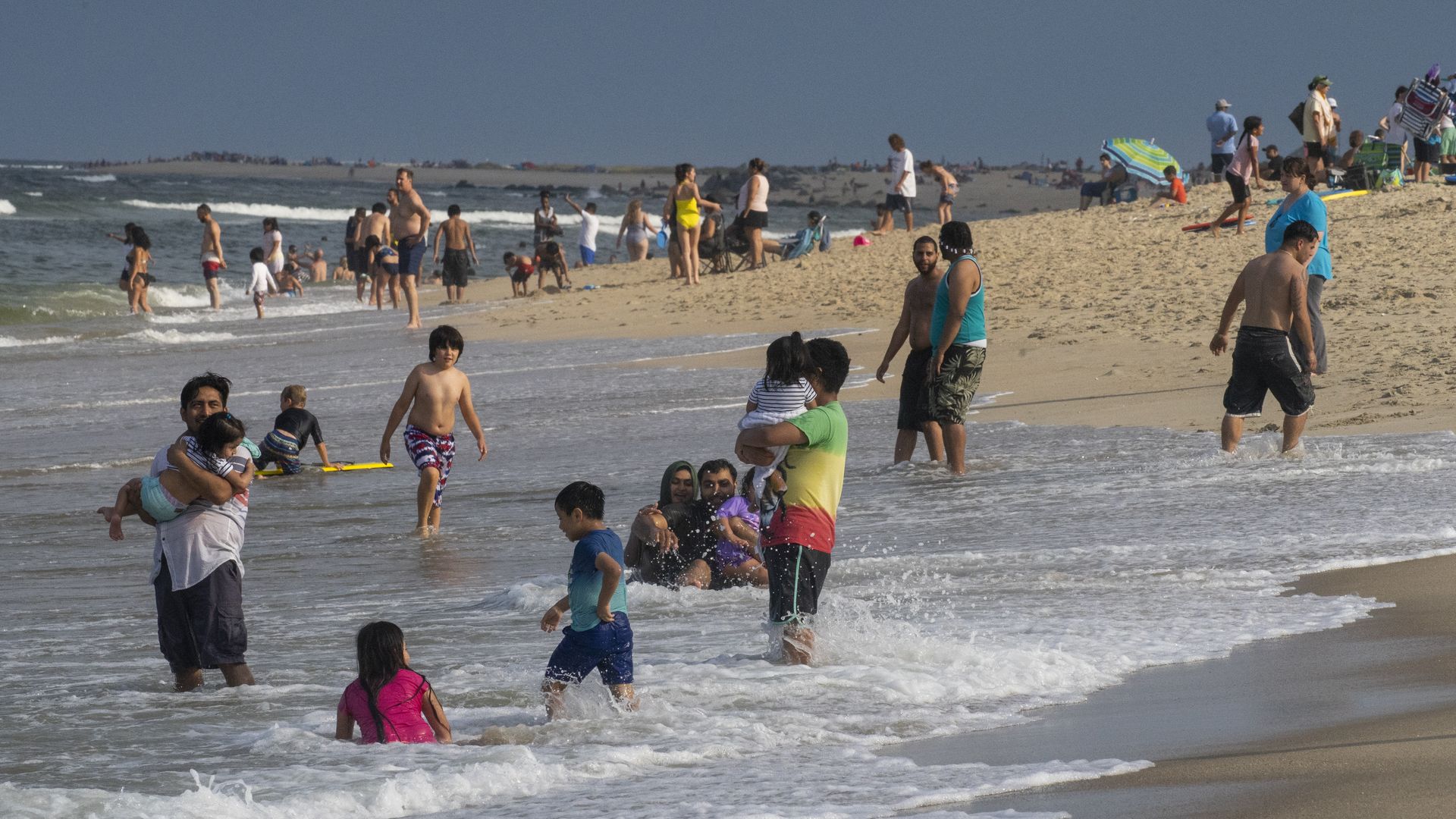
Some state and city tourism officials have rearranged their summer marketing plans to keep potential visitors away as the coronavirus pandemic persists, AP reports.
The big picture: Overall travel spending in the U.S. is expected to drop by 45% by the end of 2020, according to the U.S. Travel Association's June forecast. A $389 billion loss in spending for domestic travel compared to last year is expected.
French cosmetics company L'Oreal announced Saturday that it will remove words such as "whitening" from its skin care products, AFP reports.
Why it matters: The change comes as protests over racism continue around the world in the wake of George Floyd's killing, forcing companies to actively reconsider the products they sell and how they sell them.
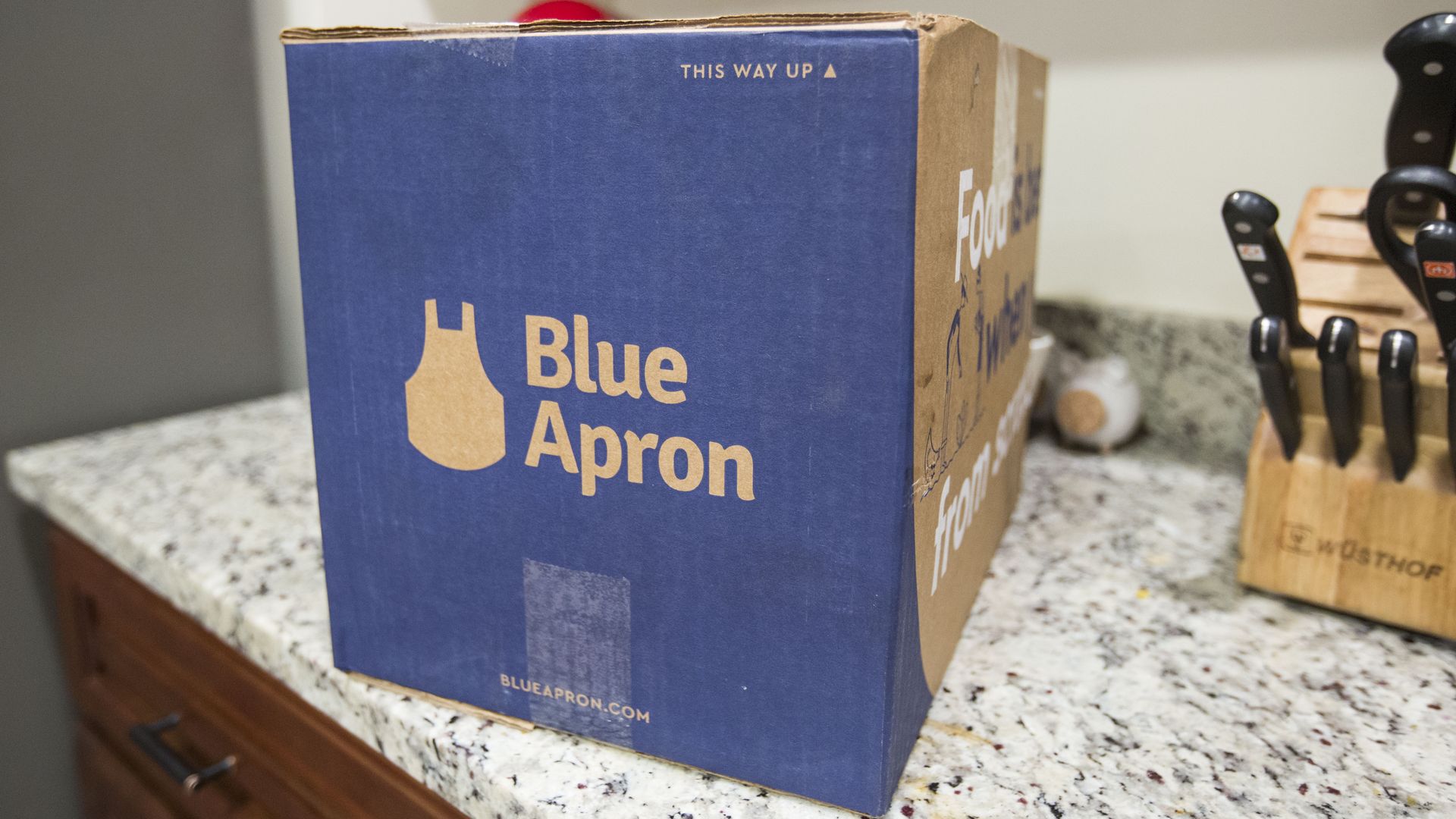
A surge in food deliveries during the coronavirus pandemic has reinvigorated the at-home meal kit industry.
Why it matters: Some meal-kit services needed this turnaround. Blue Apron's stock rested at $2 as of March 13 — the same day President Trump declared COVID-19 a national emergency. The company's stock then roared to a high of $16 per share the following week.
Two of the summer's most highly anticipated films, Disney's live action remake of ""Mulan" and Warner Bros.' "Tenet," have both delayed their theater debuts due to rising coronavirus cases around the U.S.
Why it matters: It's a big blow to the movie theater industry, which has been waiting for Hollywood's biggest releases to hit theaters to attract audiences.
Coca-Cola, Unilever and Hershey said Friday that they're cutting back on social-media-advertising, adding seismic voices to a growing boycott of Facebook.
Why it matters: This is a vivid example of a trend spotted last year by Axios CEO Jim VandeHei, and amplified by the new American realities brought on by the virus and protests: CEOs are the new politicians. They're helping do what President Trump and Congress would not.
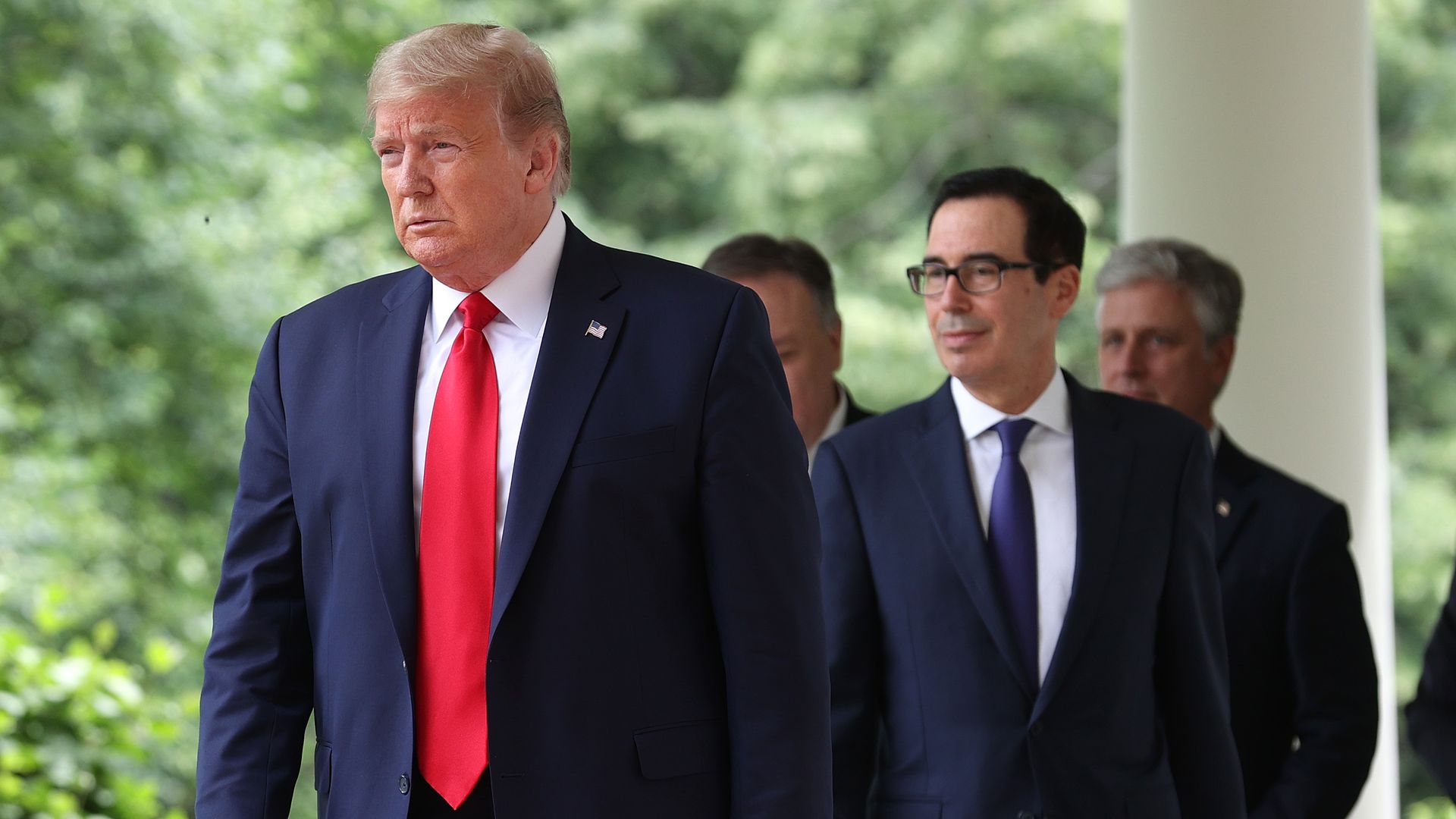
The Trump administration agreed to share data on the Paycheck Protection Program, a nearly $700 billion coronavirus aid program, with Congress but not the American public, AP reports.
Why it matters: AsDemocratic lawmakers have argued for transparency, ethics watchdogs say access to the detailed data on the taxpayer-funded loans will allow them to see who has received help and who hasn't, per AP.
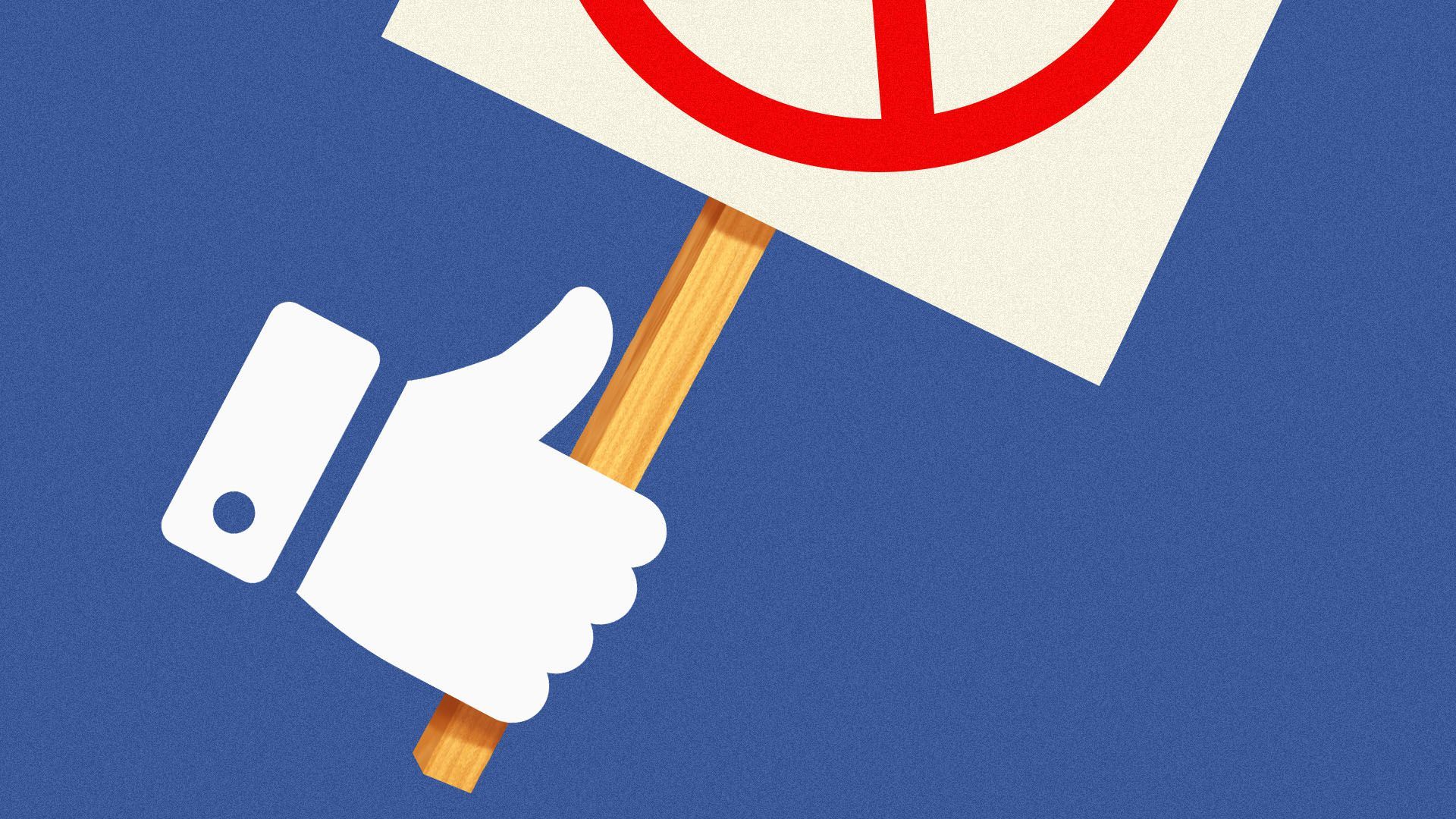
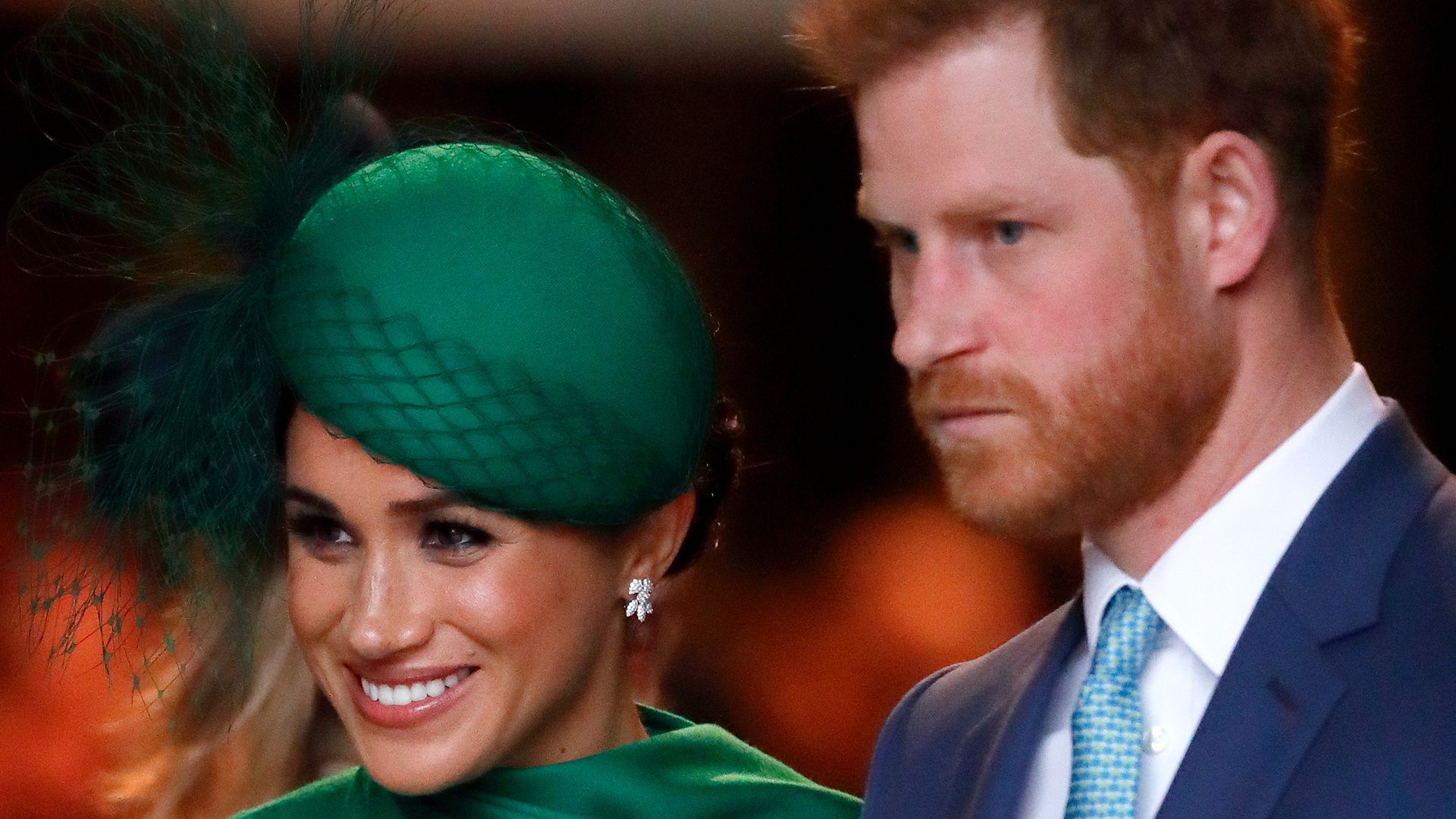
Prince Harry and Meghan Markle have been privately advocating for the #stophateforprofit campaign, which includes a boycott of Facebook, according to multiple sources working closely with the couple.
Why it matters: The boycott against Facebook has grown from an industry scuttle to a cultural battle over the way the tech giant moderates content, particularly around hate speech.
Coca-Cola is pulling all paid social media advertisements for 30 days, saying "there is no place for racism on social media," CEO James Quincey said in a statement on Friday.
Why it matters: Although Coca-Cola does not single out Facebook in its announcement, the company's decision to temporarily pull ads comes as Hershey's, Verizon, Unilever and other brands have joined a boycott of the social network over its content moderation policies.