Workers — especially millennials and Gen Zers — are paying close attention to the words and actions of their employers during national crises, such as the protests following the killing of George Floyd in police custody.
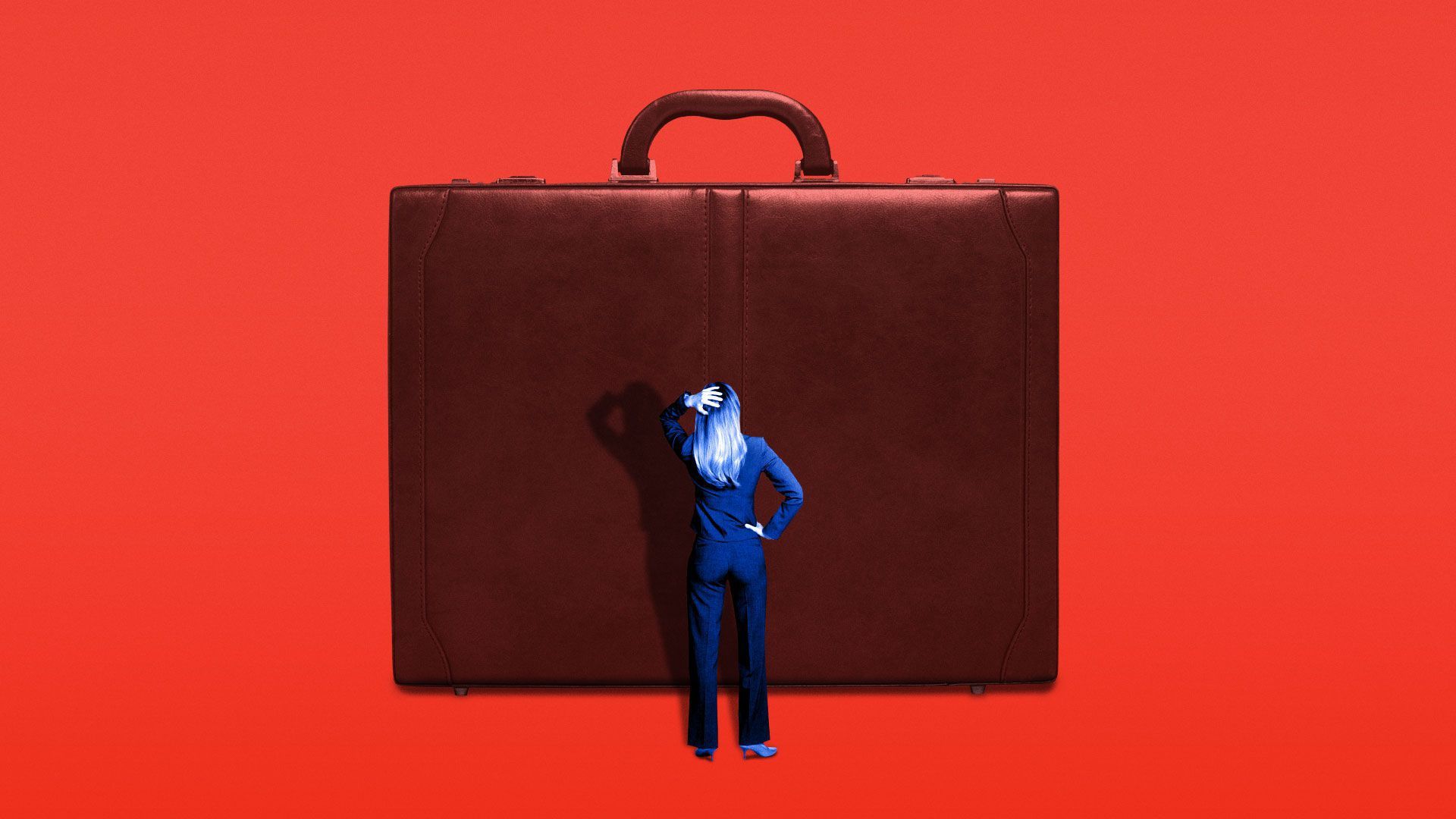
Why it matters: American companies have an enormous amount of wealth and influence that they can put toward effecting change, and CEOs have the potential to fill the leadership vacuum left by government inaction. More and more rank-and-file employees expect their bosses to do something with that money and power.
As Americans engage in difficult conversations about race, violence, privilege and more, one place they may receive training is the workplace.
Why it matters: Firms often ask or invite employees to attend programs that help them communicate about diversity and inclusion. With many people working from home, the skills they've picked up can also be applied in a family setting.
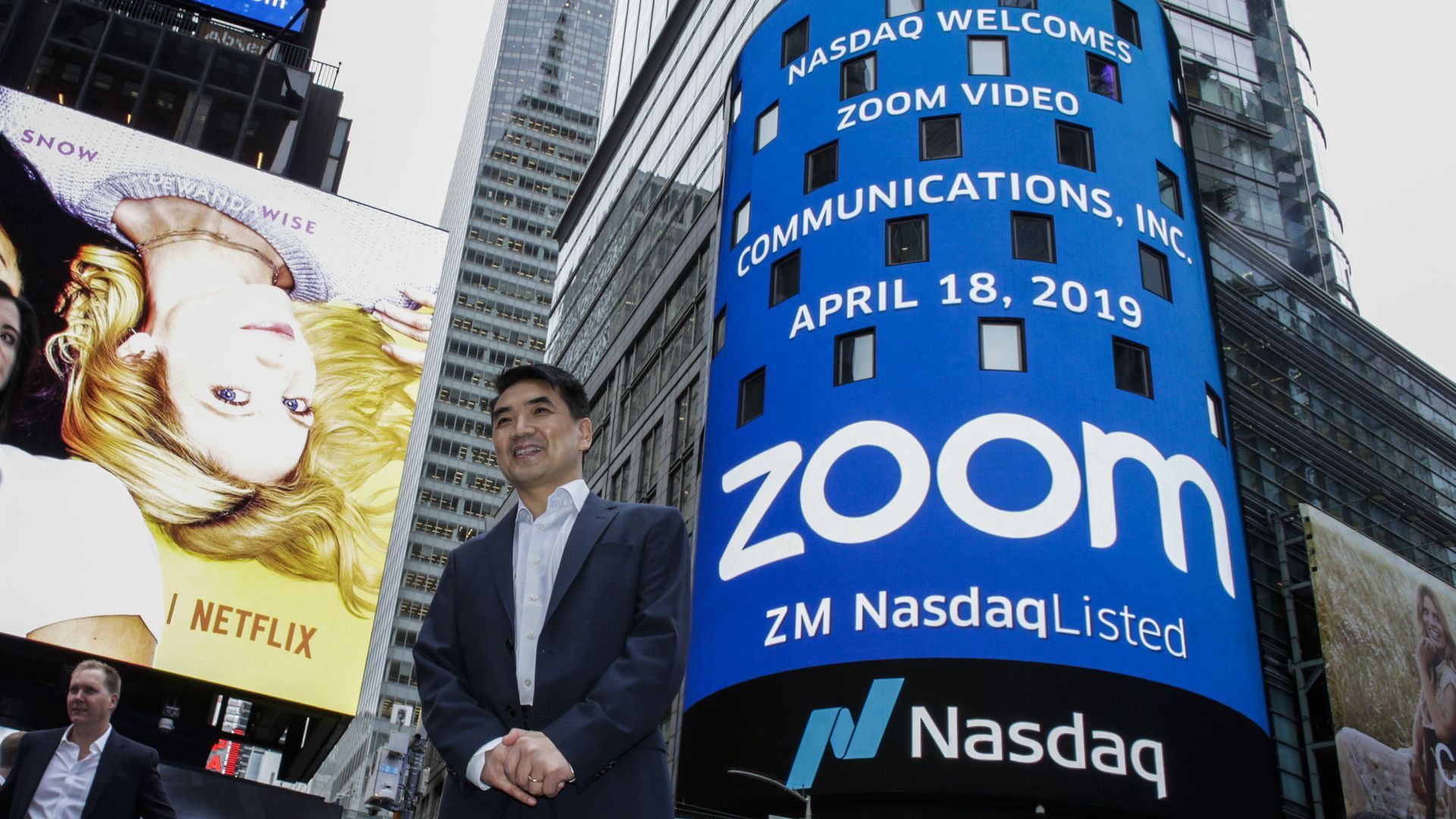
Zoom saw revenue more than double and bulked up what had been a razor-thin profit margin in the three months ending April 30, the company reported Tuesday.
The big picture: The report marks Zoom's first of the pandemic era, as the company went from insurgent enterprise video-conferencing startup to global powerhouse.
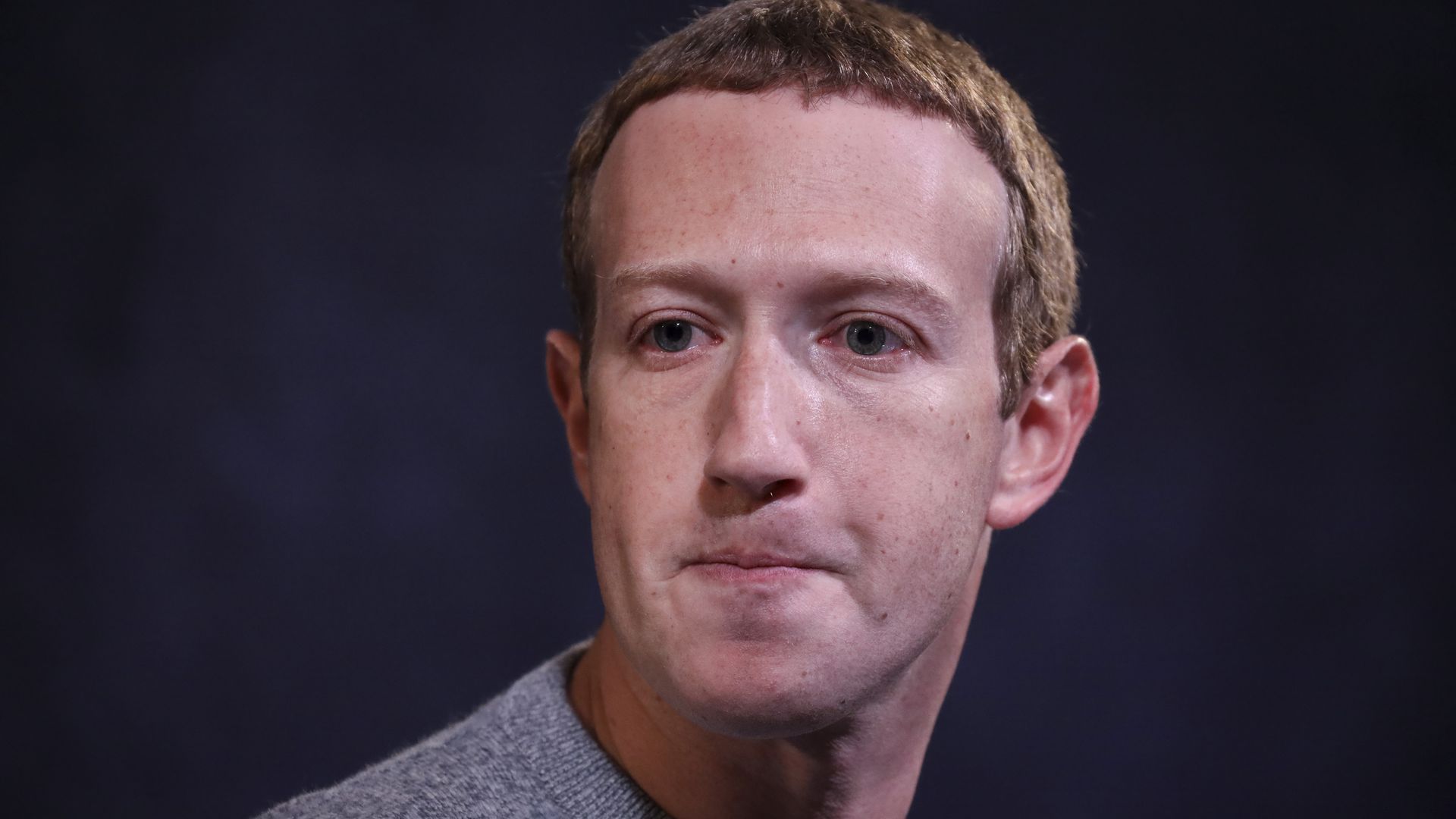
Facebook CEO Mark Zuckerberg doubled down on his decision not to remove incendiary posts from President Trump in an internal call with employees on Tuesday, The New York Times reports.
The state of play: The tech giant is facing criticism for keeping the posts on the site after Twitter added fact-checks to Trump's same posts last week.
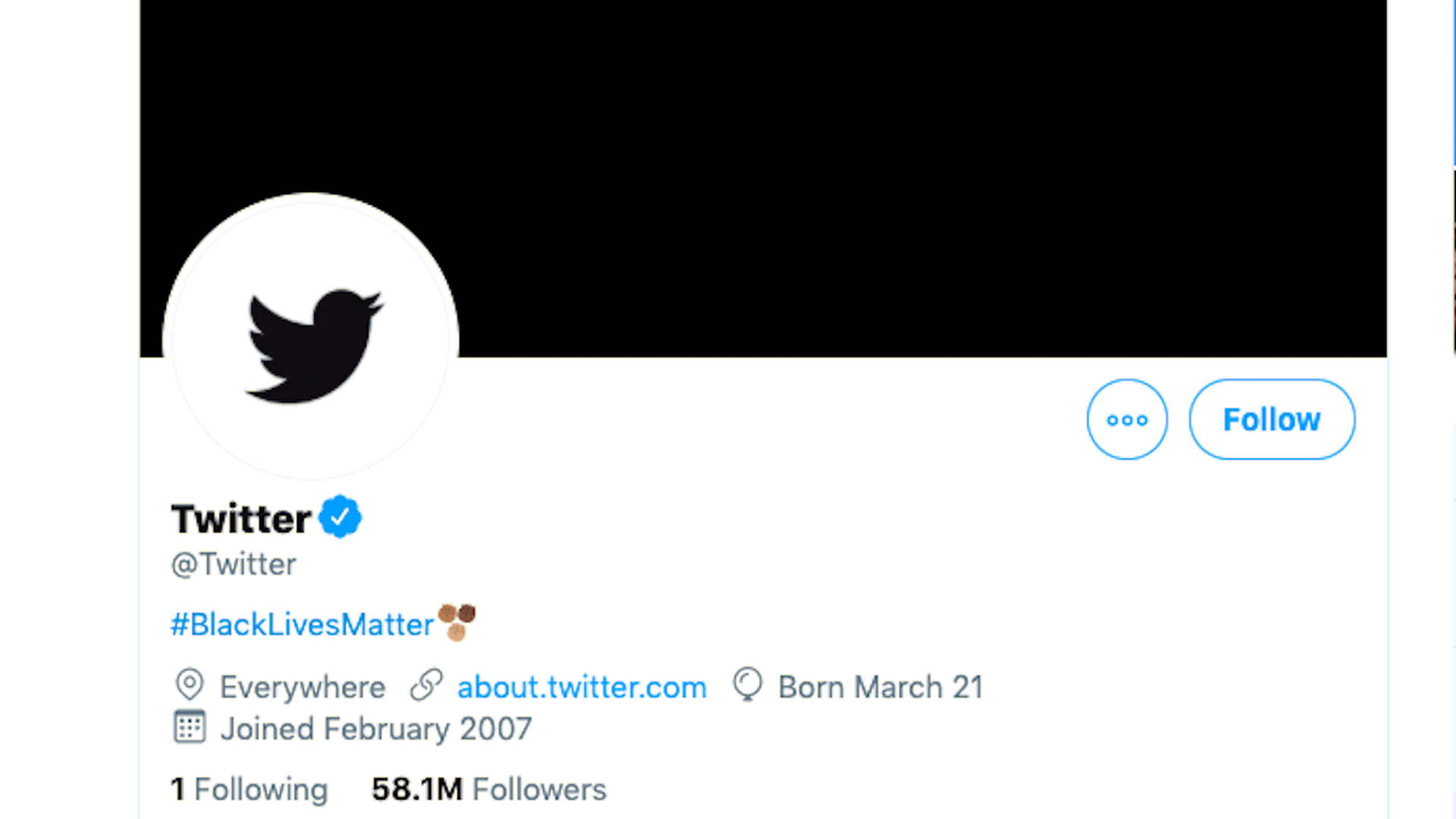
Twitter, Google, Nike and Netflix are among the dozens of brands over the past two days that have taken public stances in favor of Americans protesting racial inequality.
The state of play: Some companies have changed their logos in solidarity with the movement and put out statements, while others have pledged money in support of efforts to address social injustice.
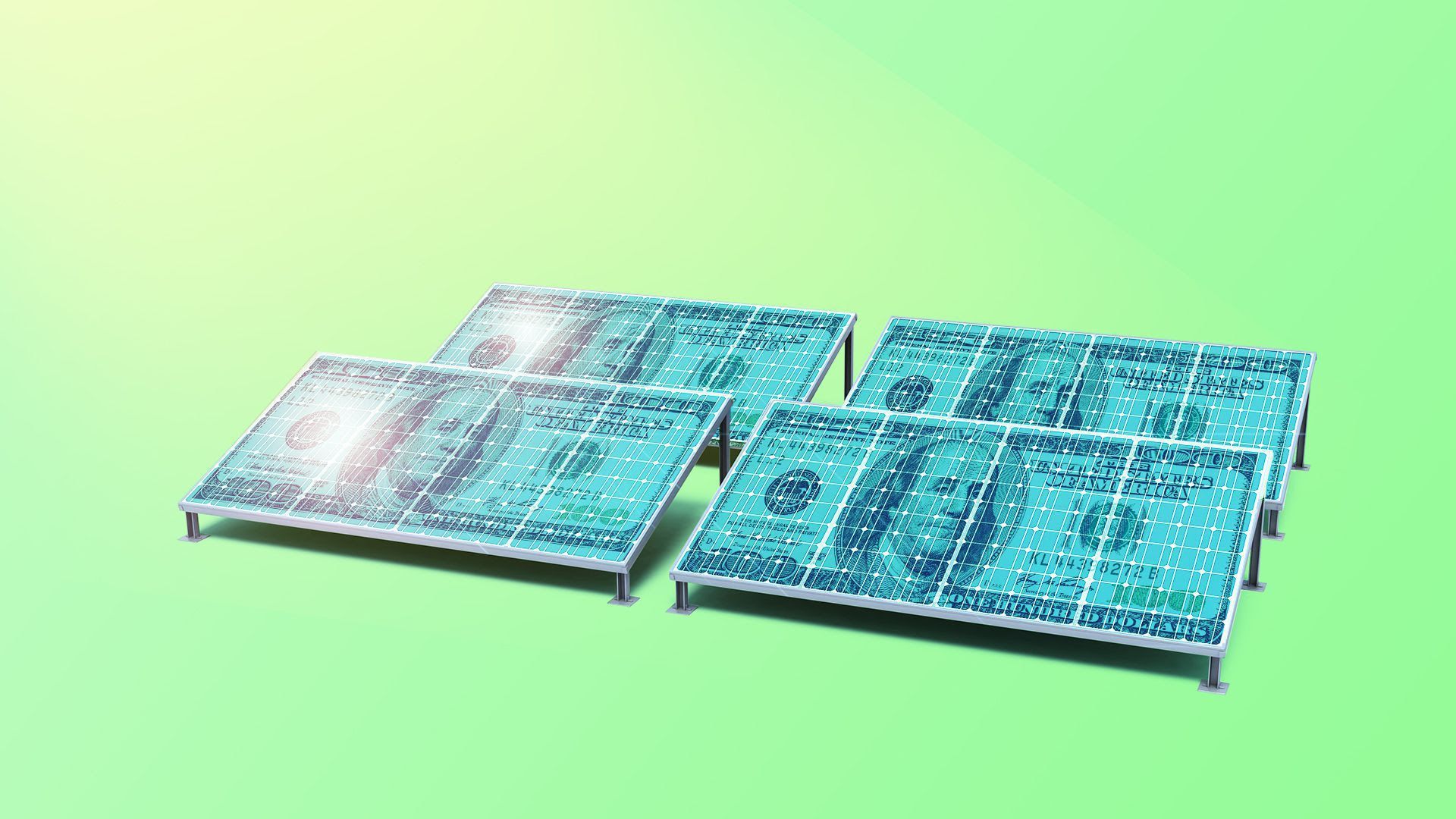
New solar and wind energy projects are "undercutting the cheapest and least sustainable of existing coal-fired plants" worldwide, the International Renewable Energy Agency (IRENA) said in a report Tuesday.
Driving the news: The group finds that in 2021, roughly 1,200 gigawatts of coal-fired generation may have higher operating costs than the average price of new utility-scale solar.
The U.S. Press Freedom Tracker says it's currently investigating over 100 violations of press freedoms in the past three days, which is astonishing given the fact that it normally documents 100-150 press freedom violations in the U.S. per year.
U.S. forces yesterday used tear gas on peaceful protesters outside the White House gates, prior to a declared curfew, clearing a path for President Trump to visit a riot-damaged church for a photo opportunity.
The state of play: Two of the largest U.S. producers of tear gas are owned by private equity firms, but those firms have no interest in discussing their ownership.
Cerberus Capital Management has agreed to sell control of community hospital group Steward Health Care back to the company, as first reported by the New York Times and confirmed by Axios.
Why it matters: This would make Steward one of the country's largest physician-owned and operated companies. It also marks the end of a 10-year ownership period for Cerberus, which was most recently marked by threats to shutter a Pennsylvania hospital in March, despite the pandemic, if the facility didn't receive state bailout funds.
The Washington Post has signed all 30 of McClatchy's local news outlets to its Zeus Performance product, a software that gives sites better speed, ad view-ability and performance, executives tell Axios.
Why it matters: By adding more local news outlets, The Post can start to build a local news ecosystem within its tech stack.
Grist, a 20-year-old nonprofit online magazine that focuses on climate and environmental coverage, has taking full ownership of all the assets of what's left of Pacific Standard, an award-winning magazine that closed in 2019.
Why it matters: Pacific Standard shut down in 2019 after its main backer, an academic publishing house, withdrew its funding, showcasing the risk that comes with quality journalism being funded without a reliable business model.
U.S. public companies sold more than $60 billion of their own stock last month, the largest monthly total ever.
Why it matters: Like the record $1 trillion of corporate debt issued so far this year, the equity sales show companies are looking to raise cash. But it also indicates many are dubious of the market's nearly 40% rally since March 23 and are cashing out ahead of a possible pullback.
The S&P 500 has gained 24% since April 1, but U.S. Treasuries have been almost entirely unmoved.
Why it matters: Since the Fed announced its QE4ever program (also known as QEinfinity) on March 23, the U.S. Treasury market has been effectively corralled.
The CBO released projections on Monday for U.S. nominal GDP to be lower by $15.7 trillion over the next decade than its estimate in January as a result of the coronavirus pandemic.
What they're saying: It predicts that when adjusted for inflation GDP will be $7.9 trillion lower over the next decade and down by $790 billion in the second quarter of this year — a 37.7% quarterly contraction.
Nike, Twitter, WarnerMedia, Netflix and Citigroup are among the corporations to publicly back the protesters in recent days, The N.Y. Times reports.
Why it matters: "Major companies are often wary of conflict, especially in a polarized time. They tend to be afraid of offending their customers and associating their brands with sensitive subjects," Tiffany Hsu wrote.
Coverage of George Floyd's death and the ensuing protests this weekend completely dwarfed coverage of the coronavirus, even as the death toll from the pandemic ticked beyond 100,000 in the U.S.
Why it matters: For months, Americans struggled to understand the severity of the pandemic, as hospitals needed to stay closed to outside visitors, let alone journalists with cameras. Now, the opposite is unfolding, with stark images and videos going viral around the protests sweeping the country.