Twitter and Google are among the dozens of brands over the past 24 hours that have taken public stances in favor of Americans protesting racial inequality. Some companies have changed their logos in solidarity with the movement, while others have pledged money in support of efforts to address social injustice.
Why it matters: The pressure that companies feel to speak out on issues has increased during the Trump era, as businesses have sought to fill a trust void left by the government. Now, some of the biggest companies are quickly taking a public stand on the protests, pressuring all other brands to do the same.
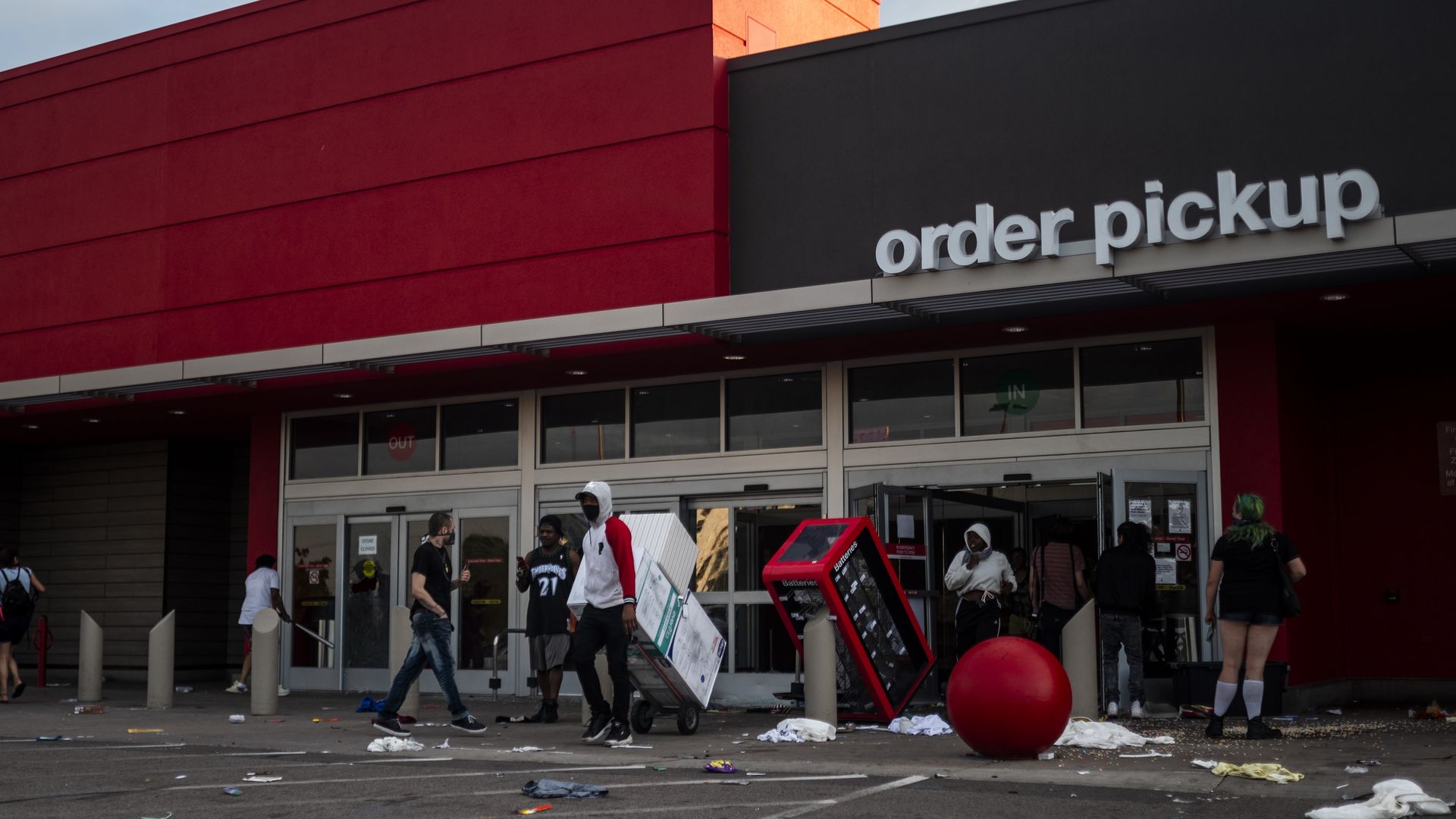
Target CEO Brian Cornell wrote, "we’ve vowed to face pain with purpose," in a statement released on Saturday regarding the Minneapolis protests that followed the police killing of George Floyd. The company closed two dozen stores in the Twin Cities area.
What he is saying: "We are a community in pain. That is not unique to the Twin Cities—it extends across America. The murder of George Floyd has unleashed the pent-up pain of years, as have the killings of Ahmaud Arbery and Breonna Taylor. We say their names and hold a too-long list of others in our hearts."
Safety costs, digitization and flexibility — a top consultant outlines what American workplaces may look like in the age of coronavirus.
Why it matters: As states gradually reopen, businesses will need to decide how much work can continue remotely, how much needs to be done in a workplace — and how those workplaces will need to be adapted.
Transportation came to a virtual standstill in the past few months, but how it will look in three-to-five years is difficult to predict, even for the mobility experts at Deloitte Consulting.
The big picture: A lot will depend on how long the pandemic lasts, and the degree to which governments — and even private industry — collaborate to manage the economic fallout, says Deloitte's Scott Corwin, who leads the firm's future of mobility practice.
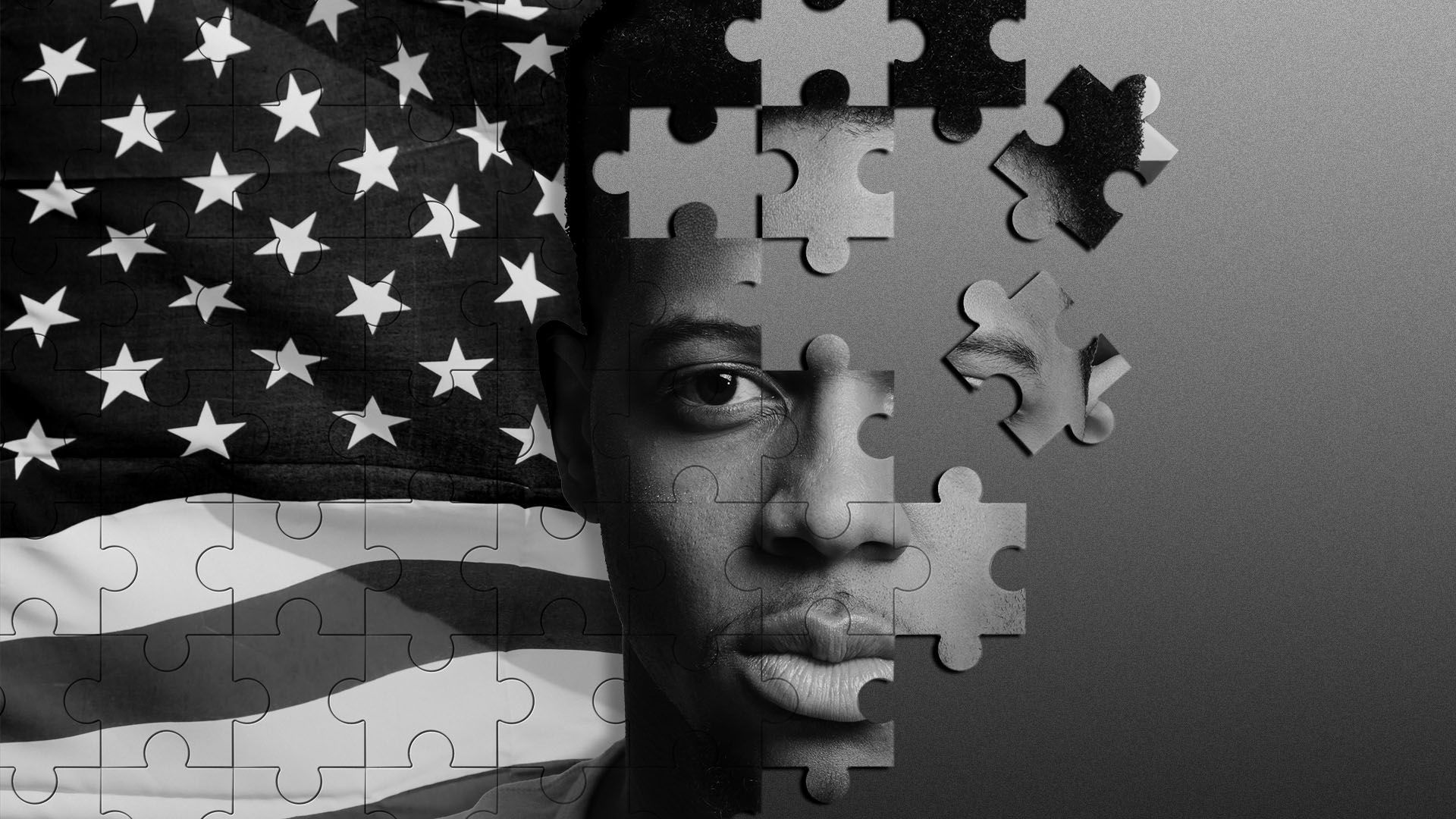
The fury over George Floyd's killing is erupting as the U.S. faces a looming wave of business bankruptcies, likely home evictions and a virus pandemic that will all disproportionately hit African Americans.
Why it matters: What these seemingly disparate issues share in common is that they emanate from systemic abuses that calls to action and promised reforms have yet to meaningfully address.