The number of Americans filing first-time claims for unemployment benefits was 2.1 million last week, the lowest number since the coronavirus crisis began, but still three times higher than the peak during the global financial crisis.
Yes, but: The number of continuing jobless claims fell by 3.86 million on a seasonally adjusted basis for the week of May 9–May 16, suggesting many Americans are going back to work.
Forbes Magazine revoked its declaration that Kylie Jenner is a billionaire on Friday, accusing the social media influencer of inflating her income from her cosmetics company, Kylie Cosmetics, as part of a "web of lies."
Why it matters: The accusations undermine the integrity of the entire Kardashian-Jenner business empire, while calling into question the real value of a brand versus its perceived value on social media. They also highlight the murkiness of the heavily under-regulated influencer economy.
Federal Reserve Chairman Jerome Powell said during a virtual interview Friday that the economic blowback from the coronavirus pandemic is hitting those who can least afford it the hardest.
Why it matters: The U.S. economy has plunged into the worst downturn since the Great Depression at a record pace, and a full recovery may take years. More Americans are collecting unemployment now than ever before in history — and 40% of those out of work are in the poorest U.S. households, per a recent Fed survey.
Pandemic-prompted work from home policies could cause an exodus from U.S. mega-cities like San Francisco, to which tech workers have flocked over the past decade. Dan digs in with Axios Cities editor Kim Hart.
Siren, a maker of "smart socks" designed for early detection of diabetic ulcers, yesterday announced nearly $12 million in venture funding led by Anathem Ventures.
Why it matters: This plays into the burgeoning remote health care trend, as people at risk of diabetic ulcers typically require regular foot temperature checks from podiatrists.
Cisco Systems agreed to buy ThousandEyes, a San Francisco-based IT performance management platform. No financial terms were disclosed, but Bloomberg put the price tag at around $1 billion.
Why it matters: This is a pandemic-related merger on the upside, with the company accelerating its sale process due to concerns that it could struggle to meet added demand for its services.
The Fed's balance sheet rose to $7.1 trillion as of this week, having now committed a record $2.2 trillion in quantitative easing purchases since chair Jerome Powell's pledge to buy unlimited Treasury bonds and mortgage-backed securities in March.
Watch this space: The massive increase comes despite the fact that many of the central bank's special purpose vehicles set up to buy corporate bonds and loan to businesses are not yet operational.
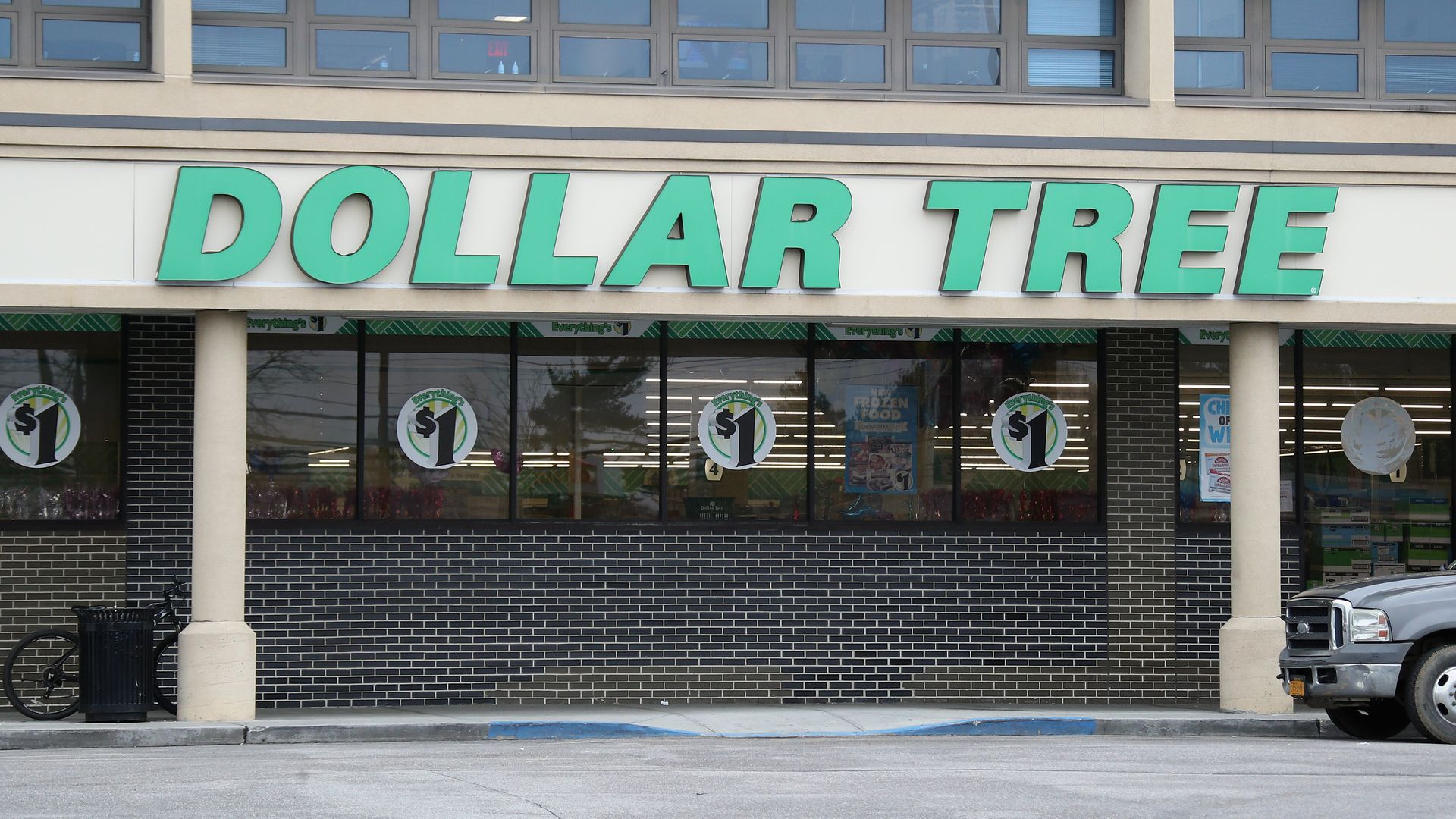
Both Dollar Tree and Dollar General beat Wall Street's earnings estimates by a country mile in the first quarter, but Dollar Tree's stock jumped by 11.6% while Dollar General's declined by 1.7%.
What happened: Dollar General had seen its stock rise during coronavirus lockdowns as visits increased thanks to its status as an essential business. Dollar Tree, however, had seen its numbers and stock price plunge.
Even with trillions of dollars in loans, grants and government support — with markets having absorbed a record $1.22 trillion of corporate debt in just five months — a slew of companies are defaulting on their loans and filing for bankruptcy in what is expected to be a record wave of insolvencies and defaults.
Why it matters: While equity and debt markets have rallied thanks to massive interventions from the Federal Reserve and Congress and excitement about the removal of lockdown orders, the real economy is quietly buckling, with many companies threatened by issues that predate the coronavirus pandemic.
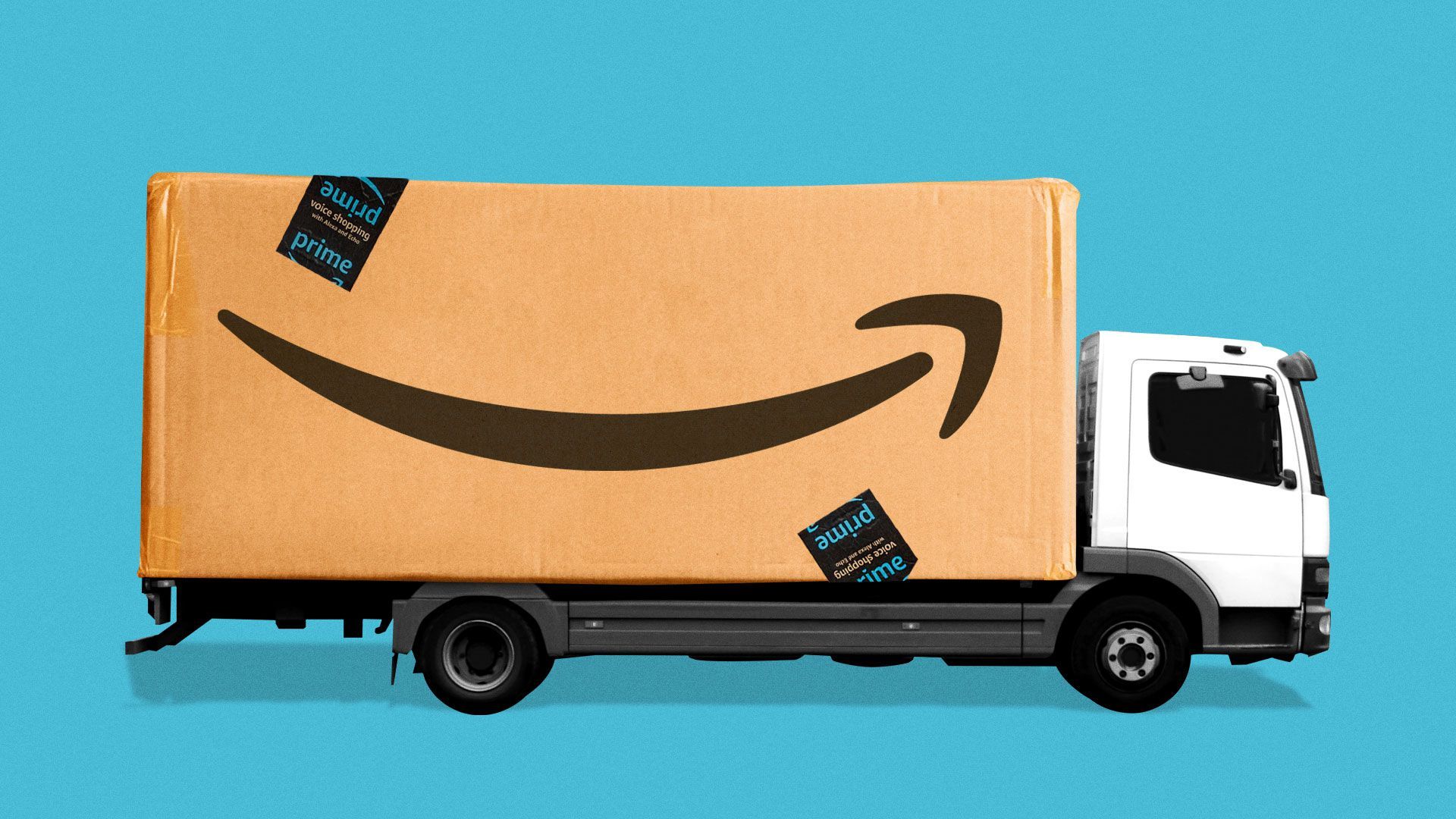
Amazon is emerging as a transportation juggernaut that could threaten carmakers, package delivery firms and even ride-hailing companies.
Why it matters: By building its own logistics ecosystem and investing in promising electric and autonomous vehicle startups, Amazon could lower its shipping costs to the point that partners like UPS become competitors instead.
A Tyson pork processing plant Iowa is experiencing a coronavirus outbreak with 555 confirmed positive cases among more than 2,500 employees, the state health department confirmed on Thursday to the Des Moines Register.
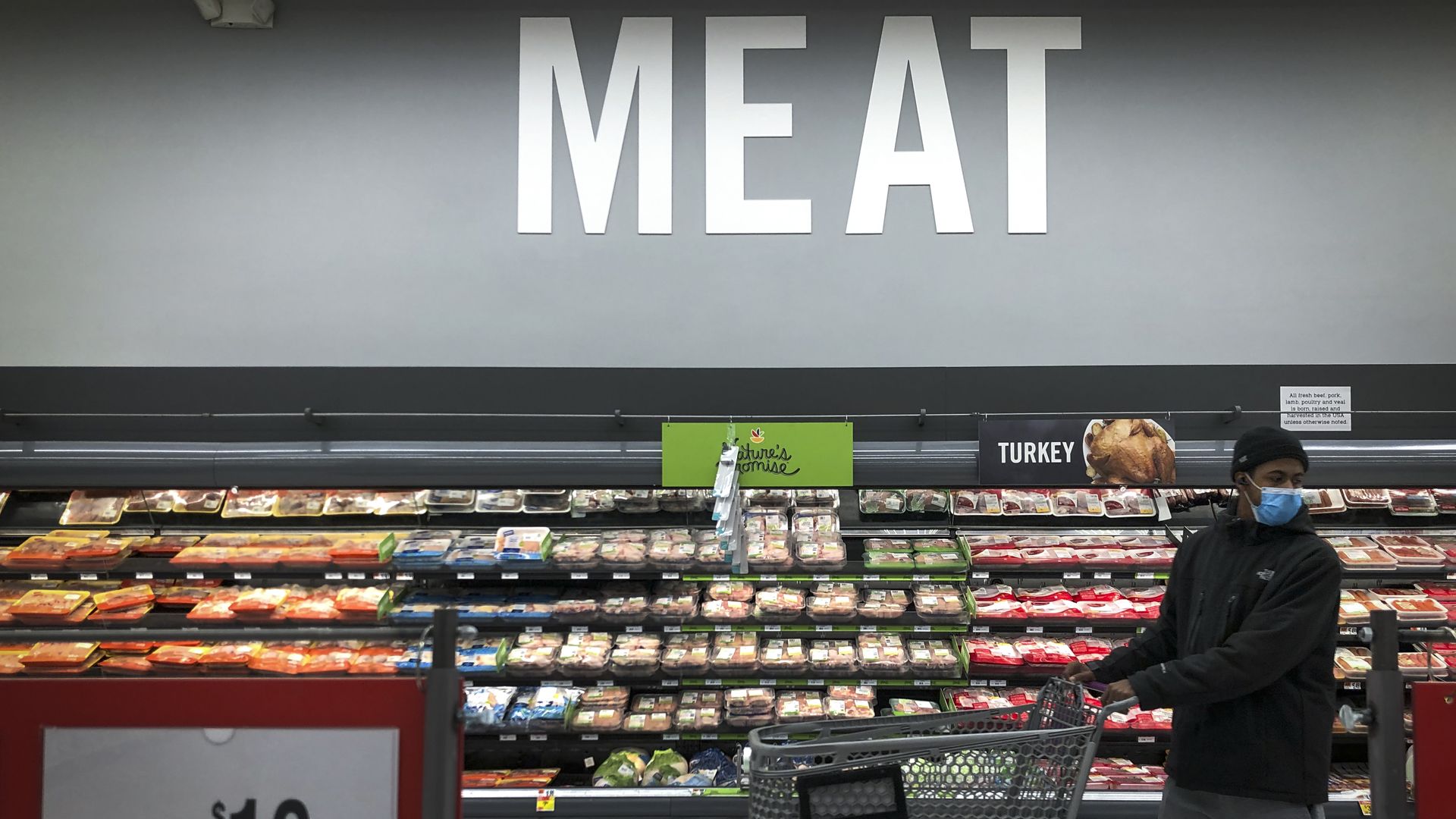
Why it matters: Outbreaks at meat packing plants have resulted in national shortages thanks to stalled production and the implementation of new, strict safety measures. In mid-April, a Smithfield pork processing plant in Sioux Falls, South Dakota, became the largest single COVID-19 hotspot, with over 600 cases.