MGM Resorts International plans to reopen four major Las Vegas resorts on June 4, the company announced Wednesday.
The big picture: Nevada depends on tourist dollars and has seen its economy upended by the coronavirus pandemic. But even if casinos and entertainment venues reopen, guests may stay away, as Las Vegas' Clark County is reporting the bulk of Nevada's COVID-19 cases and deaths.
Live music was an early casualty of the coronavirus pandemic, and independent venues across the country are especially at risk as the crisis drags on.
Why it matters: These venues are accessible cultural spaces and key economic drivers, and no one in the industry, from bands to bookers to bartenders, knows when things will return to normal.
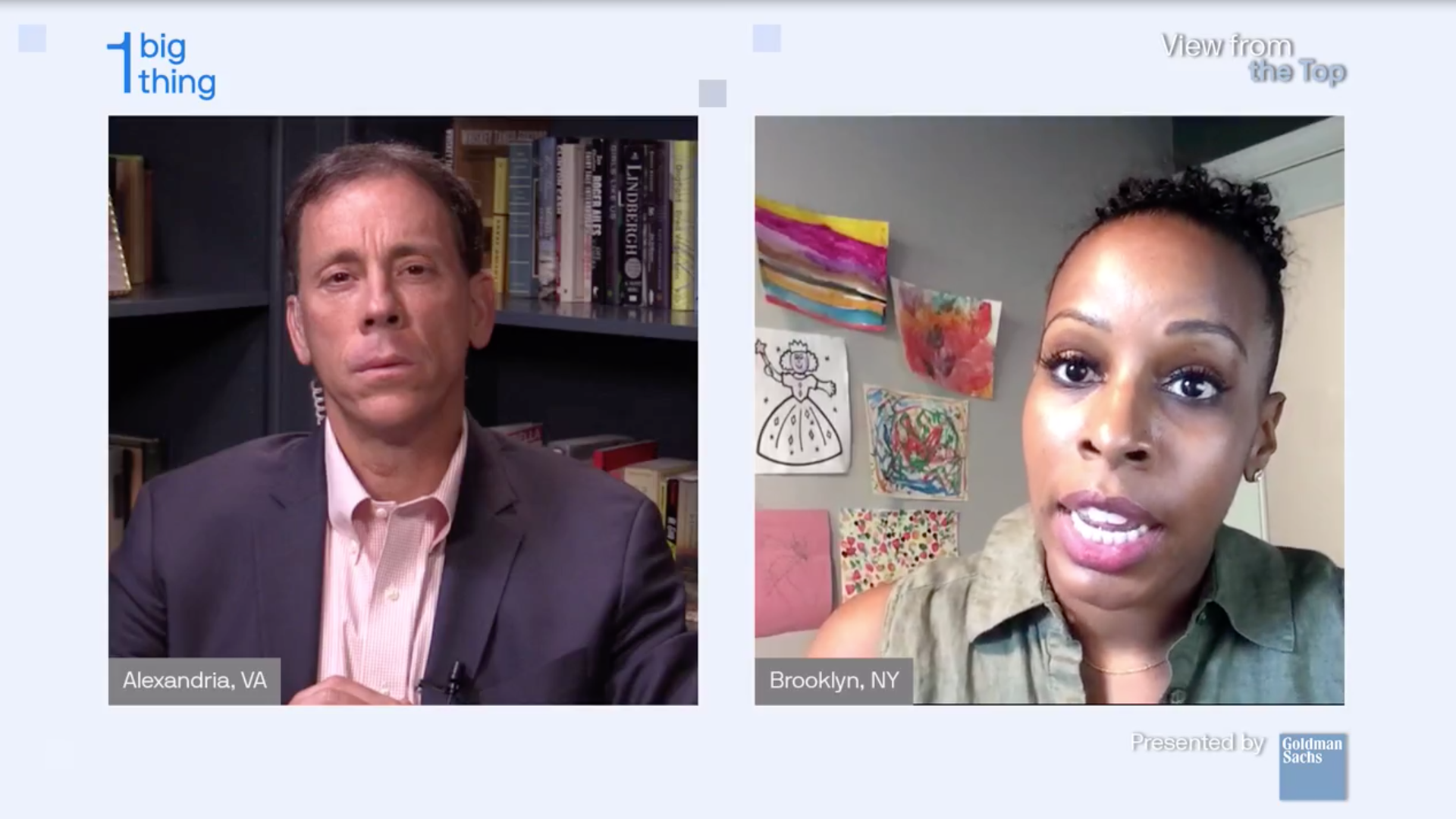
The head of Goldman Sachs Urban Investment Group says African American business owners have not had the same relief from the Paycheck Protection Program as other businesses.
What she's saying: Minority-owned businesses "are disproportionally operating in low-income communities and some of these underbanked areas where, per capita, they just don't have the same level of bank branches and bank infrastructure," Margaret Anadu said Wednesday at an Axios digital event.
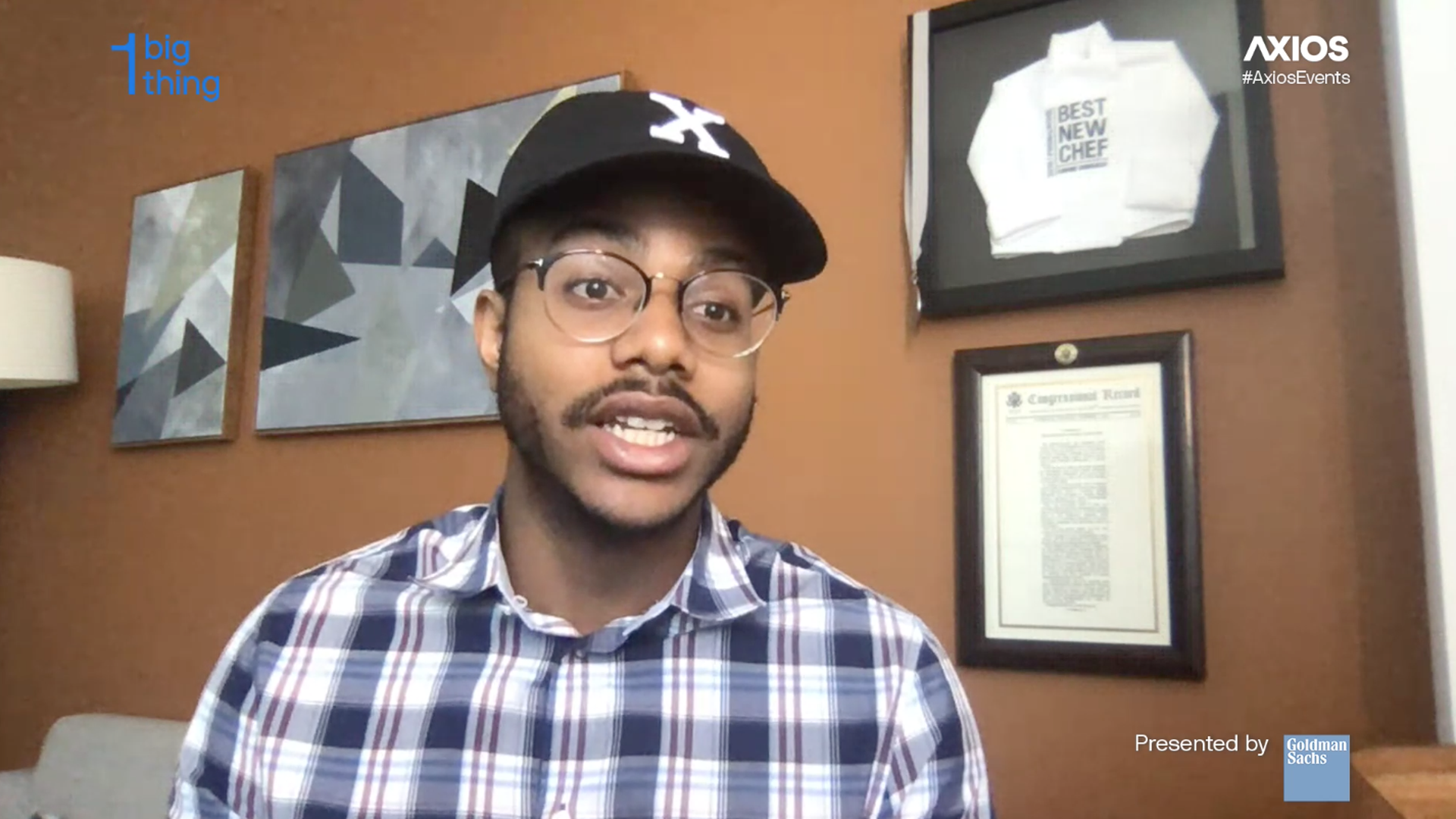
Restaurants need more time to spend money they've received from the federal government's Paycheck Protection Program to ensure that the loans are forgivable, Kwame Onwuachi, owner and head chef of Kith and Kin, a D.C.-based restaurant, said during an Axios digital event.
Why it matters: Onwuachi said small restaurants are reaching the end of the eight-week time limit to spend the money. If they do not spend the money, the loans may not be forgiven.
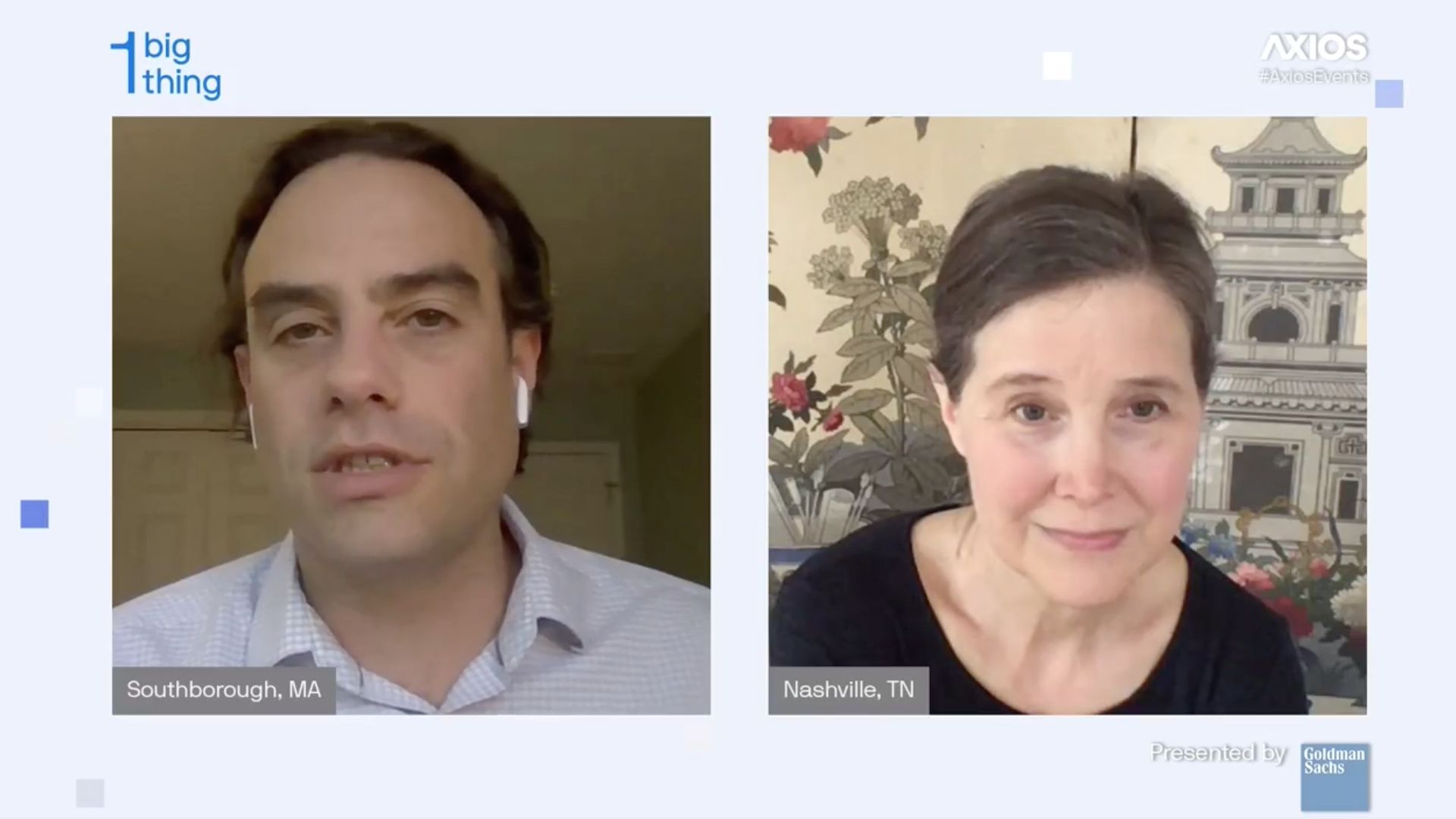
Bookstores are trying to keep their relationships with readers despite the coronavirus pandemic, and they've adopted new ways to do so, Ann Patchett, a best-selling author and co-owner of Parnassus Books, a Nashville-based bookstore, said during an Axios digital event.
Why it matters: Tennessee has rolled back its coronavirus restrictions, but Patchett said her bookstore will not physically reopen just yet to avoid a possible spike in cases. Instead, Parnassus will continue expanding its online shopping.
Disney on Wednesday submitted a proposal for a phased reopening of its iconic Walt Disney World theme park in Florida beginning on July 11.
Yes, but: The plan, which was presented to the Orange County economic recovery task force, needs approval from Orange County Mayor Jerry Demings and Florida Gov. Ron DeSantis before it can officially be put into place.
Boeing will lay off 6,770 more U.S. employees as it seeks to offset the plummeting demand from the coronavirus pandemic and its year-long grounding of the 737 MAX, CEO Dave Calhoun told employees Wednesday.
The big picture: The layoffs are part of Boeing's previously-announced move to cut 10% of its workforce, which included 5,530 voluntary layoffs. The jobs most in peril are related to its commercial industry, while the company's defense, space and related services businesses will try to limit the overall job loss, per a Boeing spokesperson.
As the first millennials approach 40, the way the generation has defined home continues a decades-long transformation of the stereotypical American family, according to a new analysis by Pew Research Center.
The big picture: For the largest living generation, trends that began with Generation X and Baby Boomers have become the new norm — including living with parents deep into adulthood, sharing homes with partners without marriage, single-parenting and delayed childbirth.
Zipline, a California drone company, has made its U.S. debut by delivering medical supplies to hospitals in North Carolina under a pilot program honed in Africa.
Why it matters: The effort, made possible by a waiver from the Federal Aviation Administration to Novant Health, is the nation's longest-range drone delivery operation and could demonstrate how drones could be used in future pandemics, Zipline officials said.
Orange juice prices have surged by more than 30% so far this year making it the world's top performing commodity.
Why it matters: Demand for the beverage continues to rise and supply has faced constraints, in part because of the exponential increase of coronavirus cases in Brazil, a top global center of OJ production.
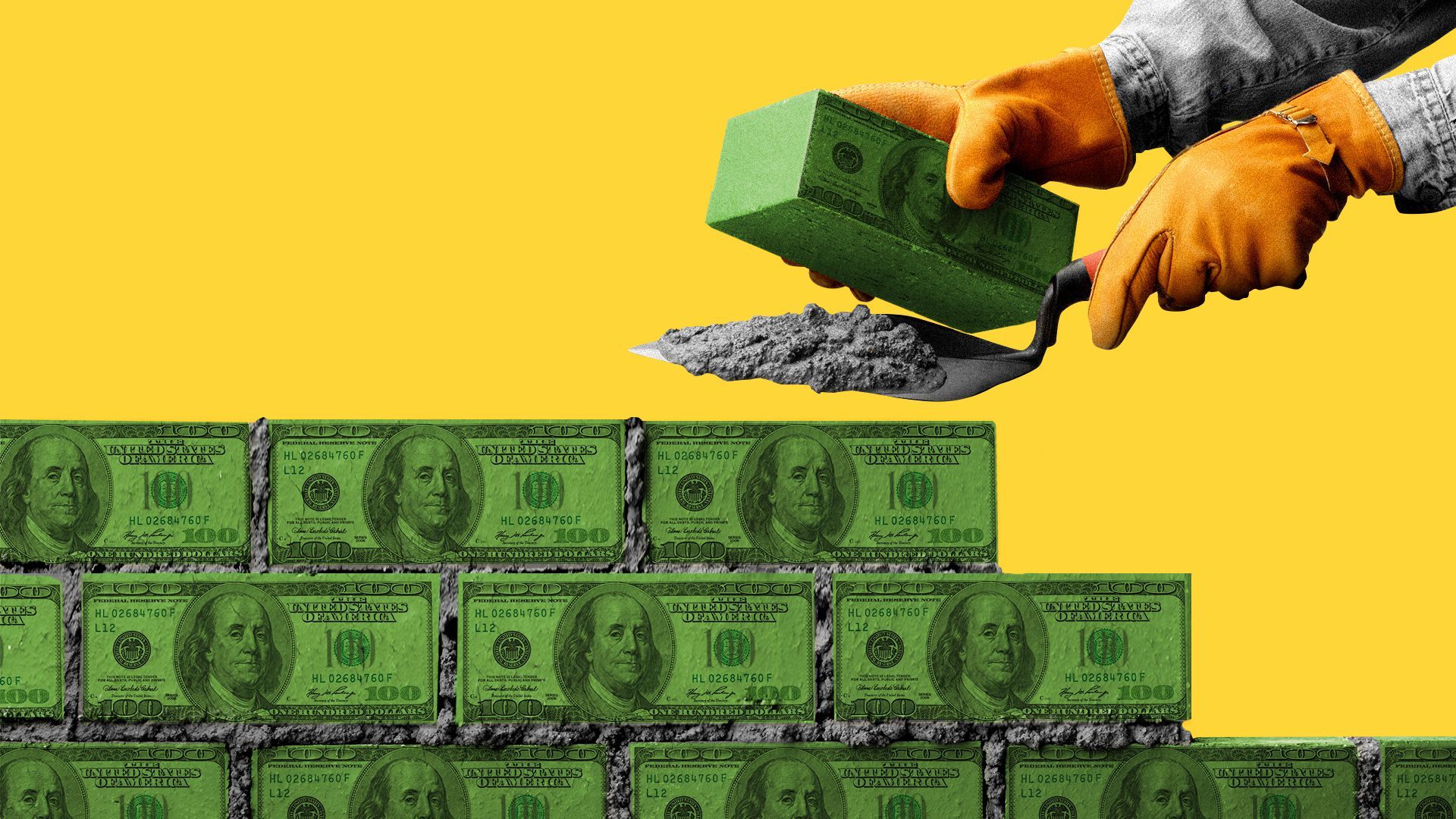
The Paycheck Protection Program (PPP) "appears to have missed the mark," S&P Global chief economist Beth Ann Bovino writes in a research report to be released today.
What it means: The PPP's first round largely skipped over states and industries that were the most in need, while the second round still has 39% of allocated cash remaining, even as many businesses are at risk of permanent closure.
Americans are behaving very differently than they have in previous recessions — convinced that the coronavirus pandemic will soon pass, many continue to spend money as if nothing has changed.
Driving the news: The latest example of this trend is the Commerce Department's new home sales report, which showed home sales increased in April despite nationwide lockdowns that banned real estate agents in some states from even showing listed houses.
The coronavirus pandemic has forced a large-scale experiment in working from home. It has gone well enough that many companies are expanding their remote work expectations for the foreseeable future, and remote employees want to continue to work that way.
Yes, but: The downsides of remote work — less casual interaction with colleagues, an over-reliance on Zoom, lack of in-person collaboration and longer hours — could over time diminish the short-term gains.
As Beijing forces a sweeping national security law on Hong Kong, the once semi-autonomous city's status as one of Asia's largest financial hubs is at risk.
Why it matters: Political freedoms and strong rule of law helped make Hong Kong a thriving center for international banking and finance. But China's leaders may be betting that top firms in Hong Kong will trade some political freedoms for the economic prosperity Beijing can offer.
As states open up, businesses are starting to call their employees back to work, but many don’t feel safe going back.
Why it matters: This is poised to be the next big challenge in the American economy: workers may be forced to chose between their health and their livelihood.
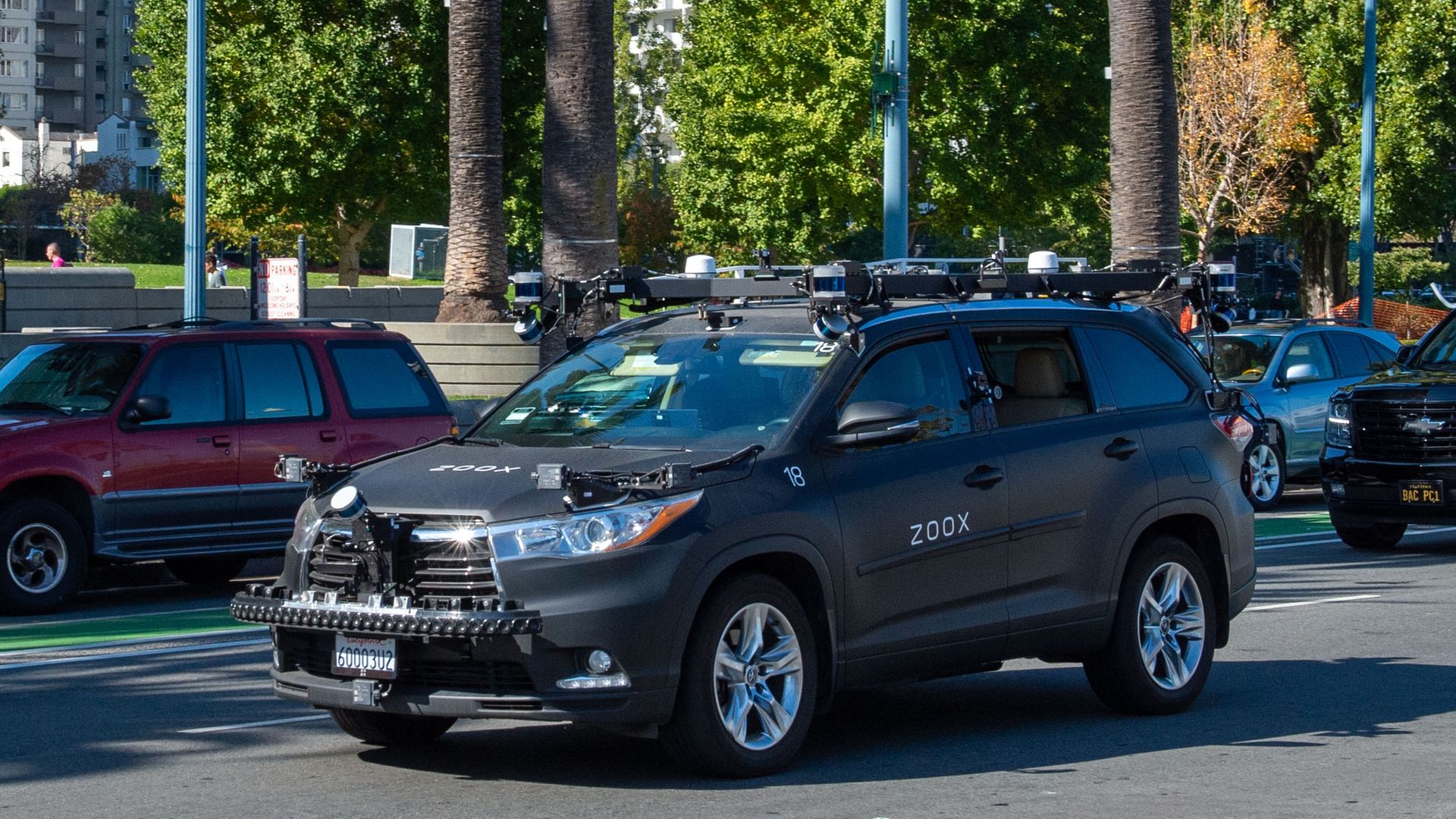
Amazon is in advanced talks to buy Zoox, a developer of autonomous vehicle technology, the Wall Street Journal reported Tuesday night.
Why it matters: It's the latest move by the e-commerce giant, which appears to be building an electric, autonomous logistics operation through its investments in EV truck maker Rivian, self-driving tech company Aurora Innovation and now, potentially, Zoox, which had been planning to introduce a robo-taxi service.