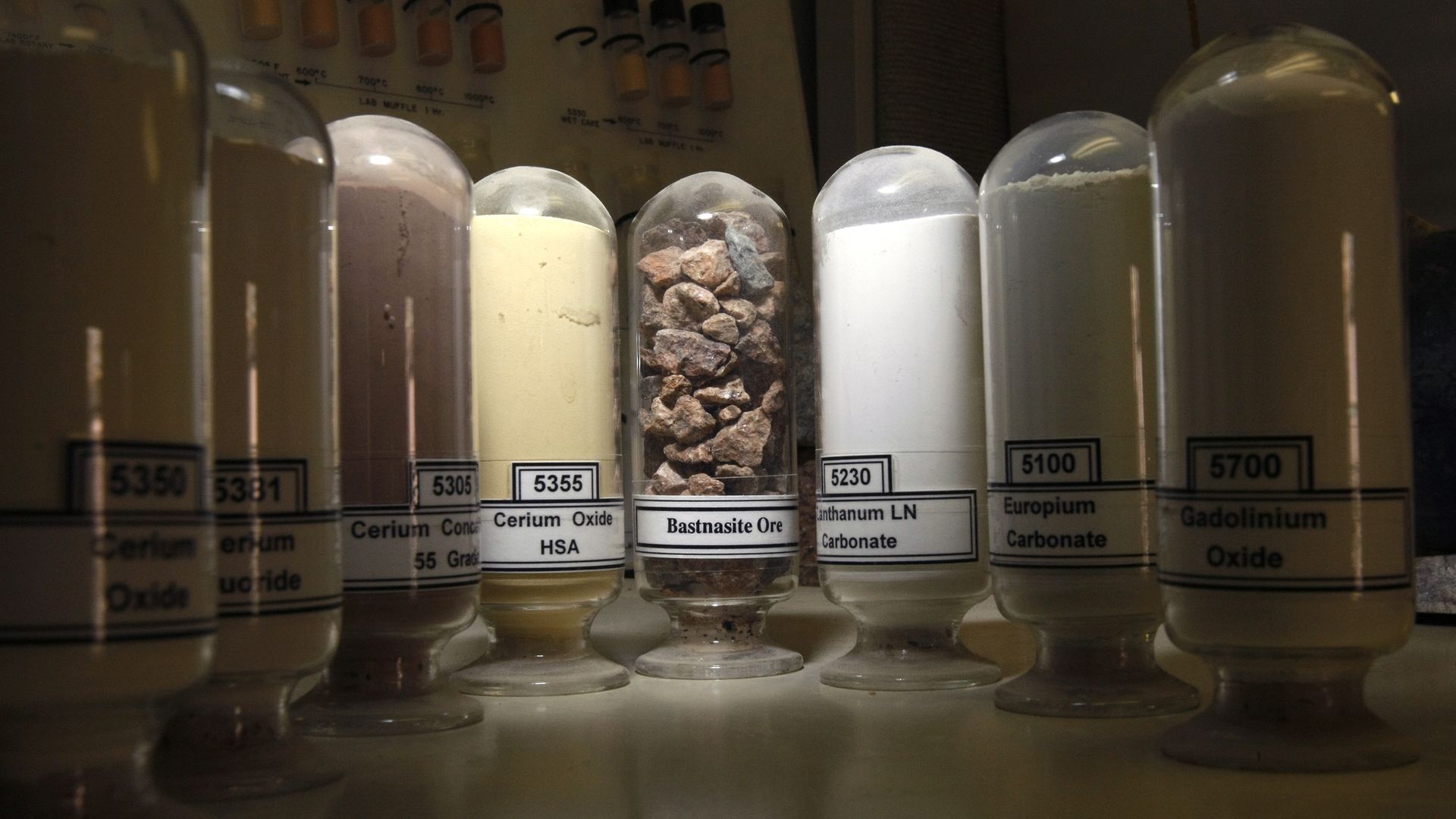
Several businesses are attempting to restore the United States' rare earth minerals and metals industry, as the federal government seeks to reduce its dependence on China, the world's leading miner, processor and exporter of the materials.
Why it matters: Rare earth minerals and metals are used in commercial electronics and military equipment, and the industry's revival comes amid escalating tensions between the U.S. and China over the coronavirus pandemic, the ongoing trade war and cyber espionage.
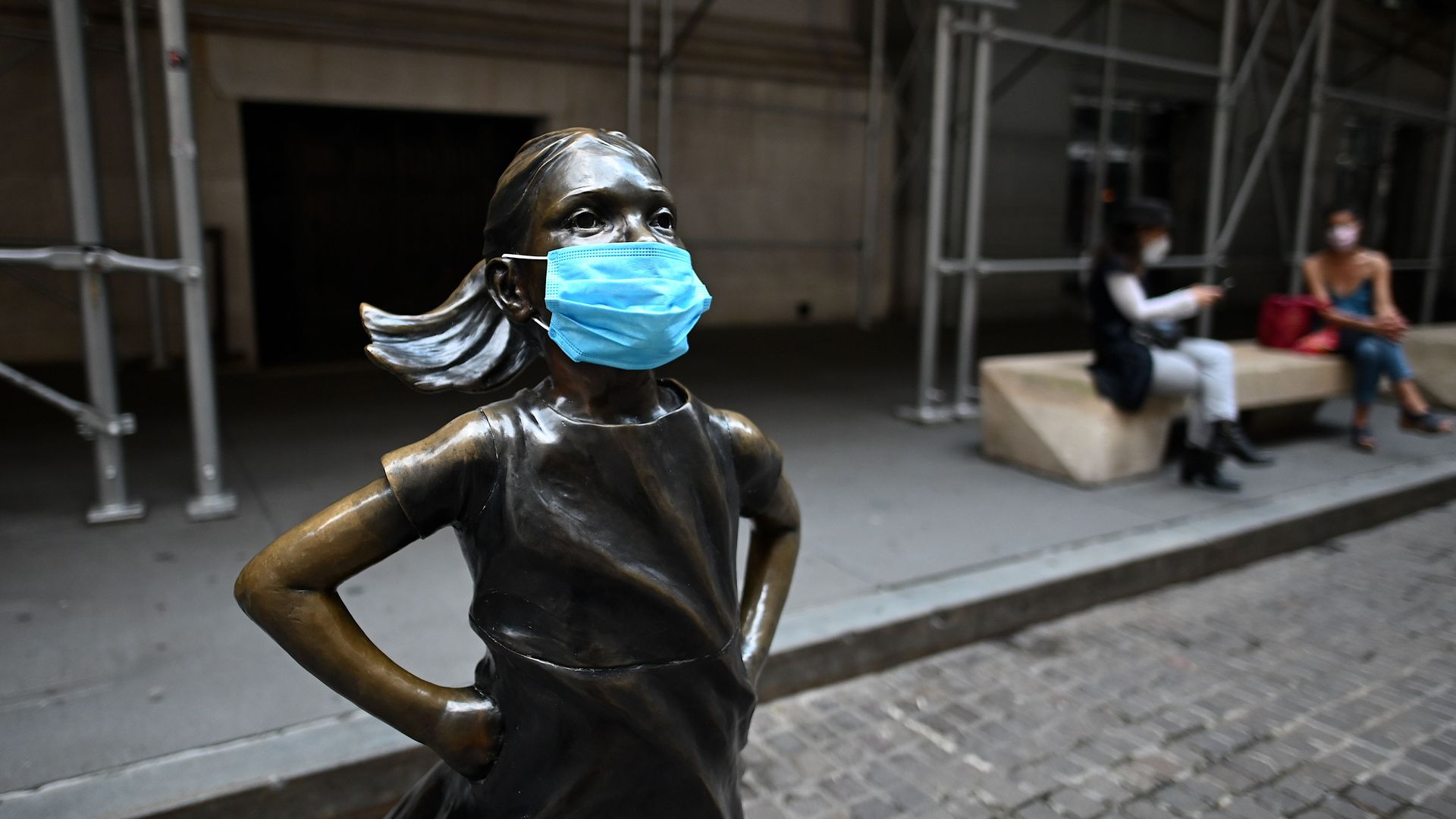
The New York Stock Exchange will reopen its iconic trading floor on Tuesday, but visitors will be subject to new rules if they wish to enter, the Wall Street Journal reports.
The state of play: The trading floor closed on March 18 as New York City became one of the worst-hit coronavirus hotspots in the world. The NYSE will only allow one-fourth of its usual population to enter, and will require traders to wear masks, avoid public transport, and avoid handshakes.
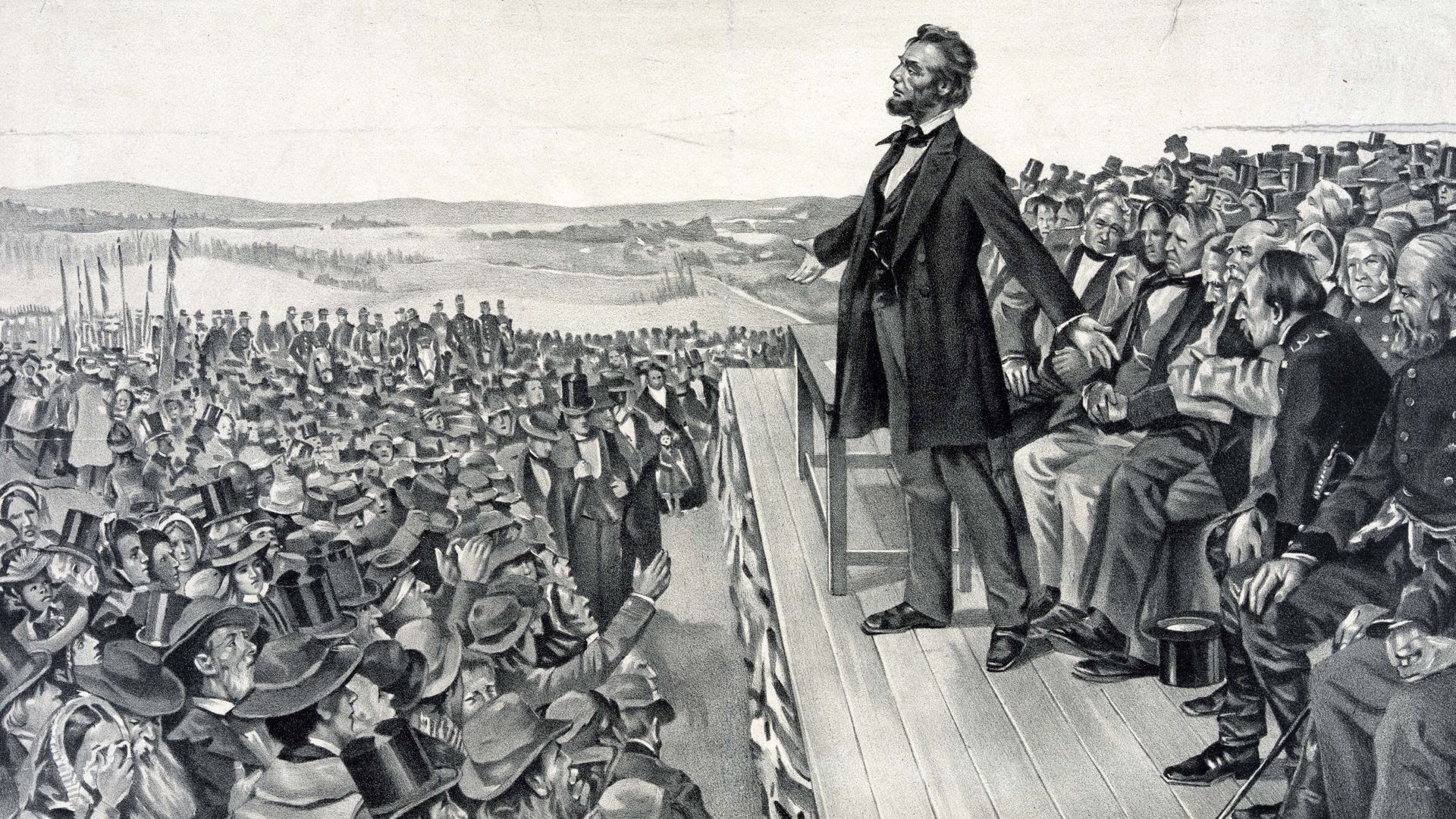
Transition Lab, a new podcast hosted by David Marchick, director of the Partnership for Public Service's Center for Presidential Transition, has recorded episodes about the transitions of Presidents Carter, George H.W. Bush, Clinton, George W. Bush, Obama and Trump.
The state of play: Filmmaker Ken Burns and historian Geoffrey Ward, who have collaborated since 1984 on documentaries that include "The Civil War" and "The Roosevelts," shared stories about leadership in crisis. Burns called the coronavirus pandemic "as great a crisis as we've had."
Lufthansa and Virgin Atlantic are among the many airlines opting to transition to hauling cargo — sometimes in empty passenger cabins — after the coronavirus pandemic gutted demand, the New York Times reports.
Why it matters: It's another example of how the pandemic is changing the economics of the airline industry, which has been transporting medical equipment around the word to battle the coronavirus — as well as more traditional items like mail, seafood and smartphones.
We usually think of Memorial Day as the start of the summer, with all of the fun and relaxation that goes with it — but this one is just going to remind us of all of the plans that have been ruined by the coronavirus.
Why it matters: If you thought it was stressful to be locked down during the spring, just wait until everyone realizes that all the traditional summer activities we've been looking forward to are largely off-limits this year.
State and local governments across the country — which together employ nearly 20 million workers — are bracing for layoffs as they deal with the economic ramifications of the coronavirus.
The big picture: Stay-at-home orders have forced businesses to close and cut jobs, tanking state revenue from sales, personal income taxes and fees. Meanwhile, states have paid steep costs for emergency relief and for increases in social safety net programs like unemployment insurance on top of their usual services like police, mass transit and water.
White House economic adviser Kevin Hassett said on CNN's "State of the Union" Sunday that it's possible the unemployment rate could still be in double digits by November's election, but "all the signs of economic recovery are going to be raging everywhere" by that time.
The big picture: Hassett said the unemployment rate next month will be "quite a bit higher" than April's rate of 14.7%, and likely "north of 20%." But he projected that June will be an "inflection point" and the unemployment rate will start to "trend down" after that.
New Jersey Gov. Phil Murphy (D) slammed Republicans on CNN's "State of the Union" for hitting the pause button on more federal coronavirus relief for states, arguing that it's "not just blue states" that are facing massive budget shortfalls as a result of the pandemic.
What he's saying: "We announced a budget on Friday for the next four months and we had to cut or defer over $5 billion of expenditures," Murphy said. "This includes potentially laying off educators, firefighters, police, EMS, health care workers. This is not abstract. This is real. It's not a blue state issue. It's an American issue."