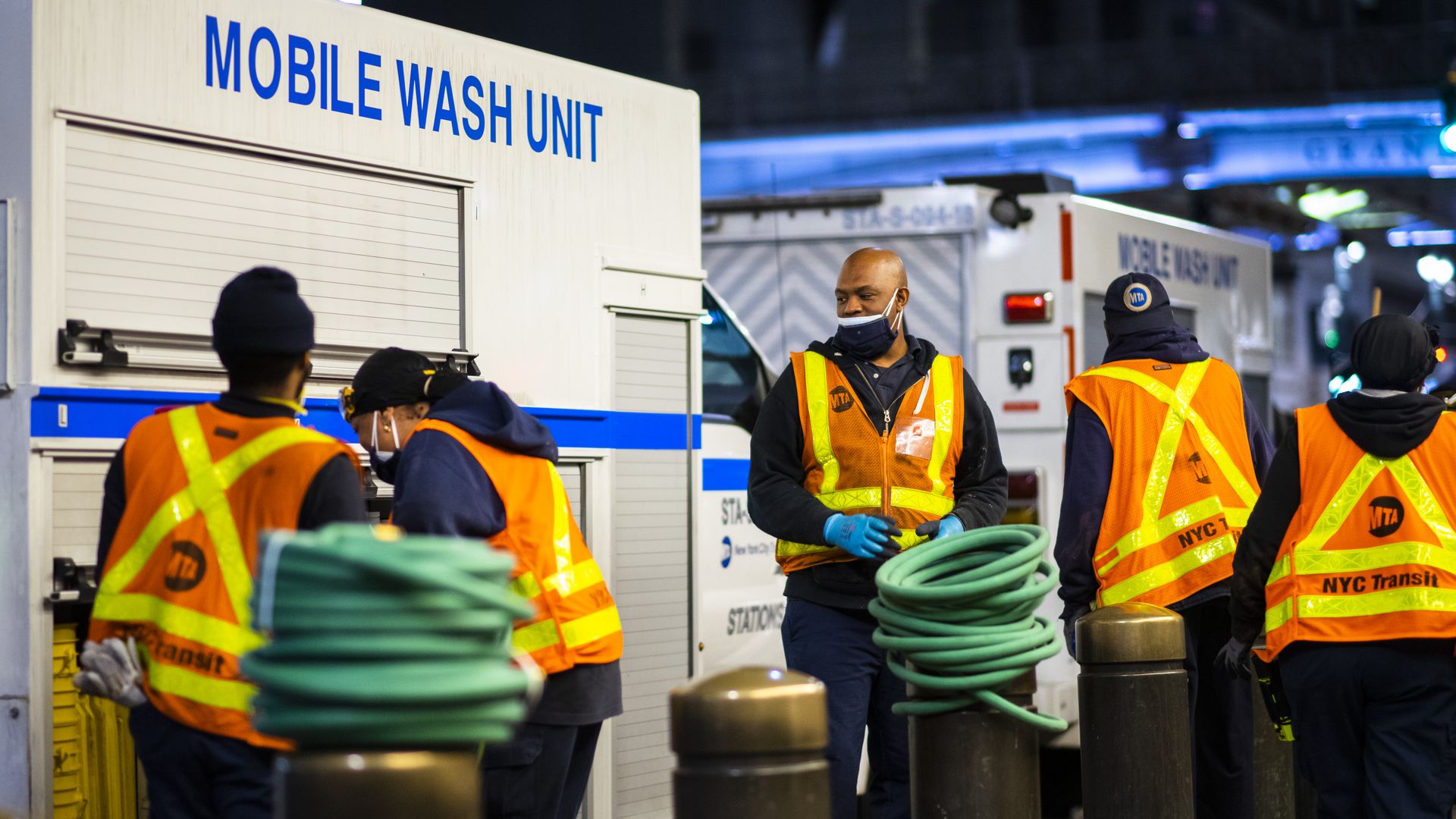
State and local governments across the country — which together employ nearly 20 million workers — are bracing for layoffs as they deal with the economic ramifications of the coronavirus.
The big picture: Stay-at-home orders have forced businesses to close and cut jobs, tanking state revenue from sales, personal income taxes and fees. Meanwhile, states have paid steep costs for emergency relief and for increases in social safety net programs like unemployment insurance on top of their usual services like police, mass transit and water.
White House economic adviser Kevin Hassett said on CNN's "State of the Union" Sunday that it's possible the unemployment rate could still be in double digits by November's election, but "all the signs of economic recovery are going to be raging everywhere" by that time.
The big picture: Hassett said the unemployment rate next month will be "quite a bit higher" than April's rate of 14.7%, and likely "north of 20%." But he projected that June will be an "inflection point" and the unemployment rate will start to "trend down" after that.
New Jersey Gov. Phil Murphy (D) slammed Republicans on CNN's "State of the Union" for hitting the pause button on more federal coronavirus relief for states, arguing that it's "not just blue states" that are facing massive budget shortfalls as a result of the pandemic.
What he's saying: "We announced a budget on Friday for the next four months and we had to cut or defer over $5 billion of expenditures," Murphy said. "This includes potentially laying off educators, firefighters, police, EMS, health care workers. This is not abstract. This is real. It's not a blue state issue. It's an American issue."
While large businesses can generally borrow the money they need to get through the crisis, small businesses cannot.
Why it matters: Small businesses are the main engine of employment growth and account for roughly half of all private-sector jobs. If they fail en masse, the whole U.S. economy will collapse.
Familiar chains that look like giant corporations are often independently owned small businesses that are getting wrecked by the pandemic alongside local mom-and-pops.
The big picture: Franchising has exploded in recent decades, with 733,000 franchise establishments employing more than 7.6 million Americans. The coronavirus closed 74% of them, according to a survey by the International Franchise Association.
As America’s small businesses scrambled to get a slice of the lifelines in Congress’s CARES Act, sole proprietors and the self-employed faced an even more uphill battle.
New findings from a weekly U.S. Census survey show that things might be slowly looking up for small businesses — or at least steadying.
The big picture: The number of companies reporting severe problems from COVID-19 — or of temporary closings or having to cut employee hours — has been dropping. At the same time, far more said they had received aid through the Paycheck Protection Program (PPP).
The coronavirus pandemic is putting America’s small businesses to the test of a lifetime. Millions might not survive — and many of the tens ofmillions of jobs they support could evaporate.
The big picture: None of therescues that have emerged — including federal government loans and grants, states offering their own support programs, and even some in the private sector stepping up to help — has made the future look particularly bright.
New research suggests that many small businesses owned by people of color are struggling particularly hard to survive the pandemic-induced financial crisis.
Why it matters: Structural barriers and narrower cash buffers had put many minority-owned small businesses at a disadvantage heading into the pandemic. Now, as the situation unfolds, experts say that entrepreneurs of color are having a harder time accessing lending and relief programs.
Craftsy entrepreneurs are doing brisk business in the new cottage industry of selling artisanal face masks.
What's happening: Online stores are selling out of face masks within minutes of listing new stock — in some cases, after being featured in an article from the likes of GQ, Vogue or the lifestyle blog Man Repeller.
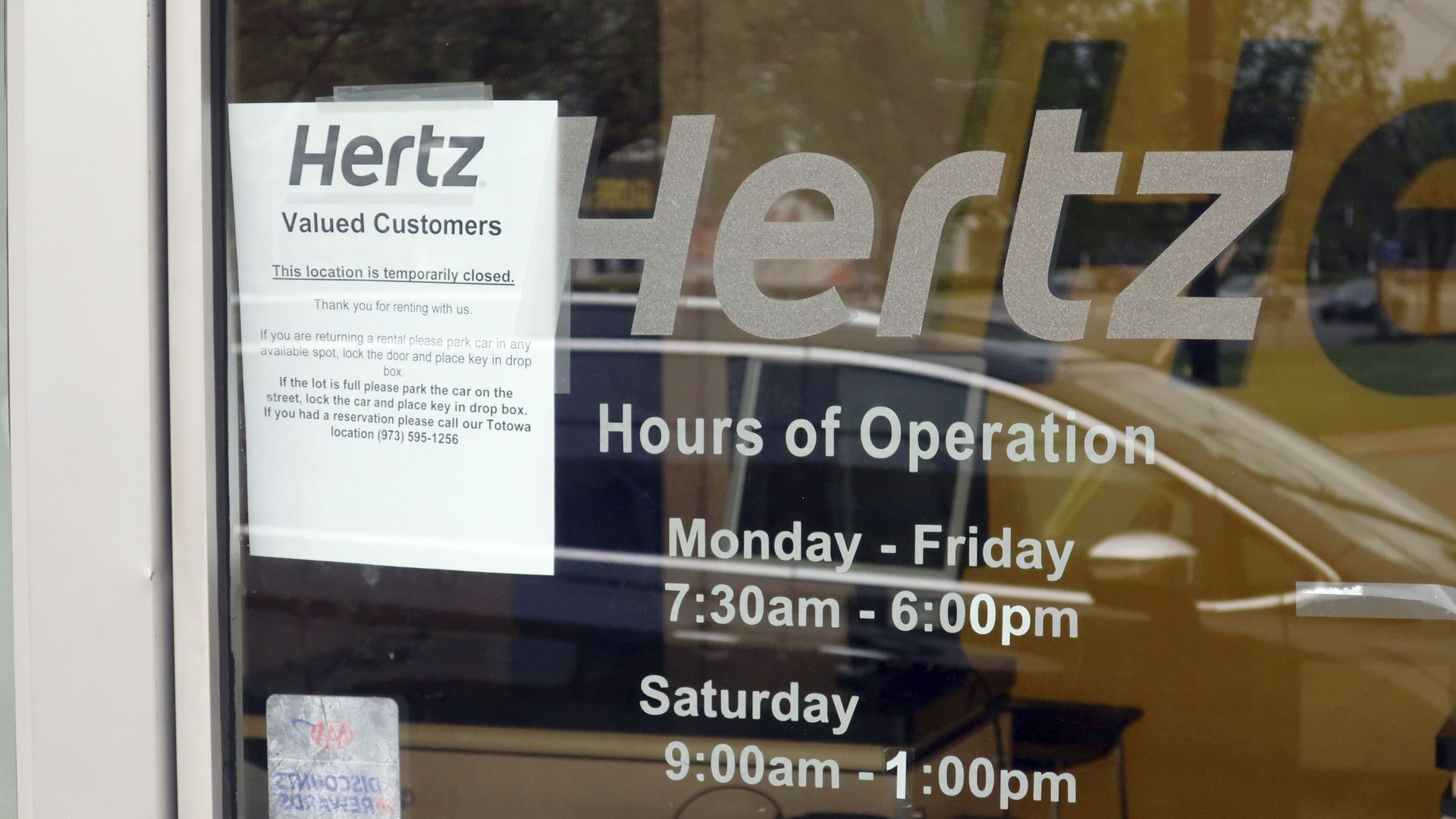
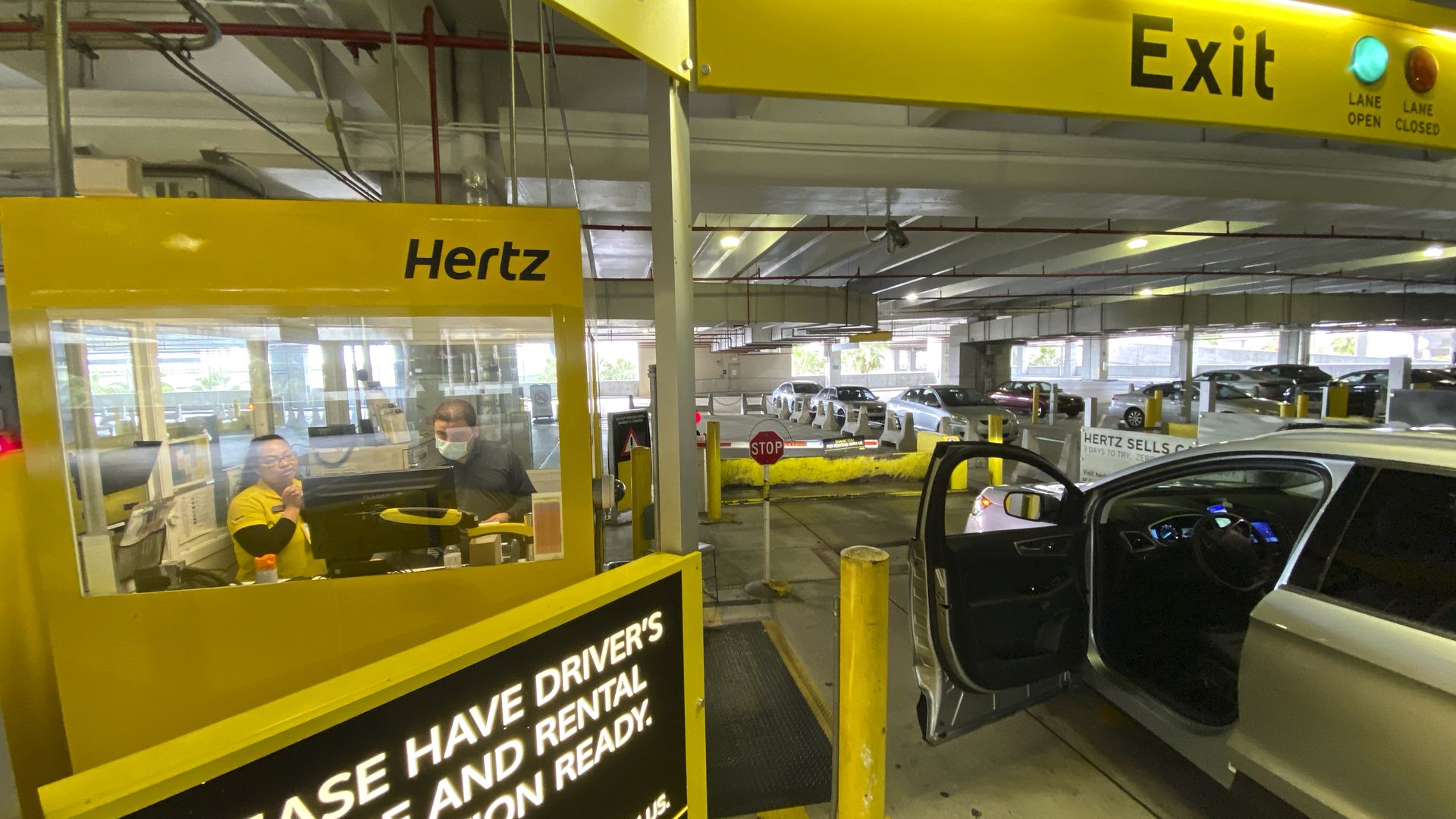
Hertz — which was was heavily indebted, but with its stock at a two-year high before the pandemic — filed for bankruptcy last night after global travel halted.
Why now: The Florida giant'snearly 700,000 vehicles have been largely idled.
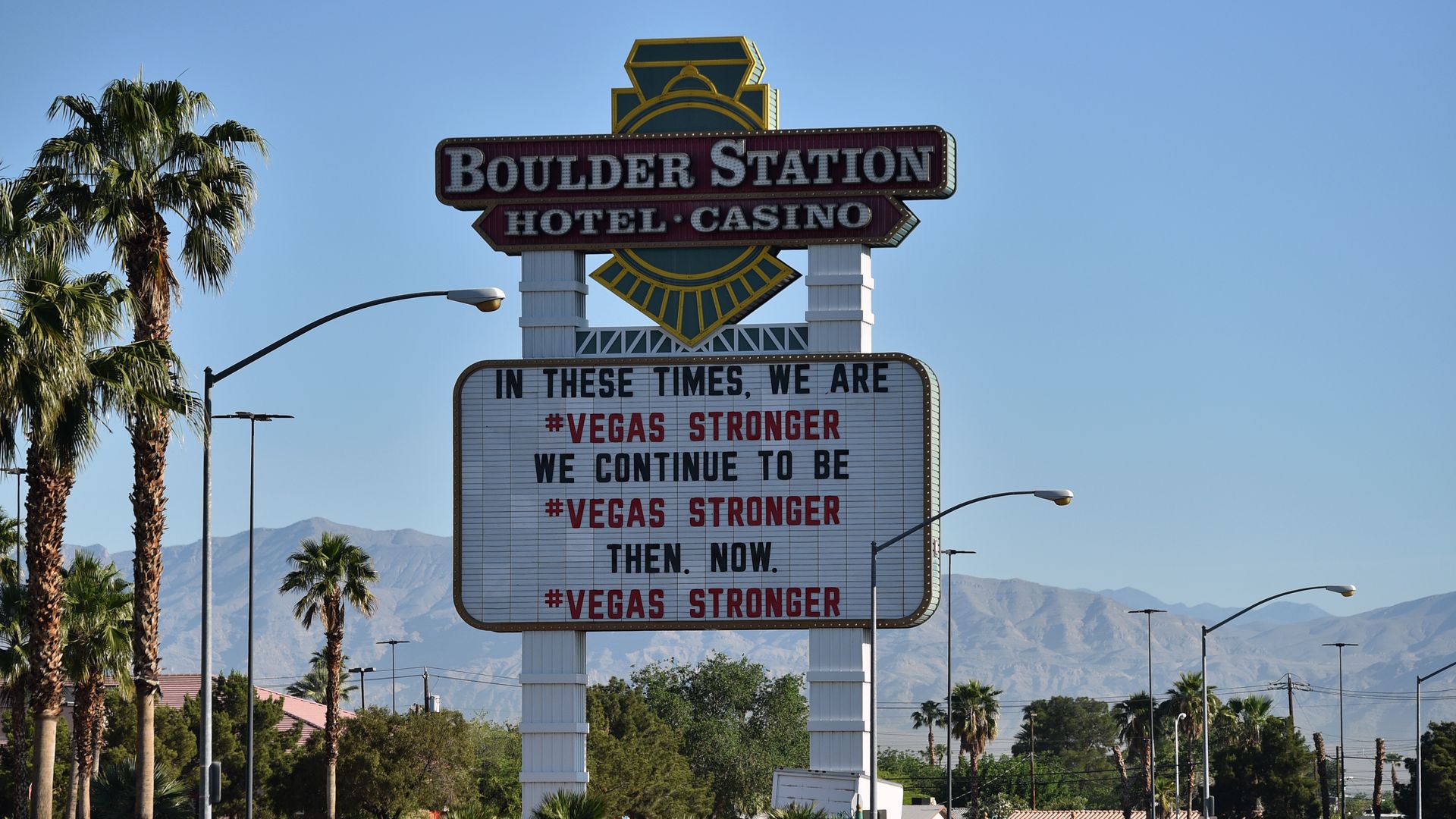
Nearly every state across the U.S. reported historic unemployment levels last month, with Nevada, Michigan and Hawaii being among the hardest hit, according to new Labor Department data.
Why it matters: The U.S. is facing its highest rate of joblessness since the Great Depression. The difference between the states' unemployed populations highlights how stay-at-home orders are disproportionately impacting some parts of the country more than others.
Hertz, one of the largest rental car companies in the world, filed for Chapter 11 bankruptcy on Friday evening, the company announced in a press release.
The big picture: This is the latest in a string of major retail bankruptcies this month, all emerging in the wake of the coronavirus pandemic.