Searches for 'covid' are beginning to catch up to 'coronavirus' and have surpassed it in some states as the top term users are entering on Google, according to Google Trends data.
Between the lines: The gap has shrunken considerably since March when 'coronavirus' was searched five times more than 'covid'. In the past week there have been just 1.2x more. 'covid-19' and 'virus' lag way behind both.
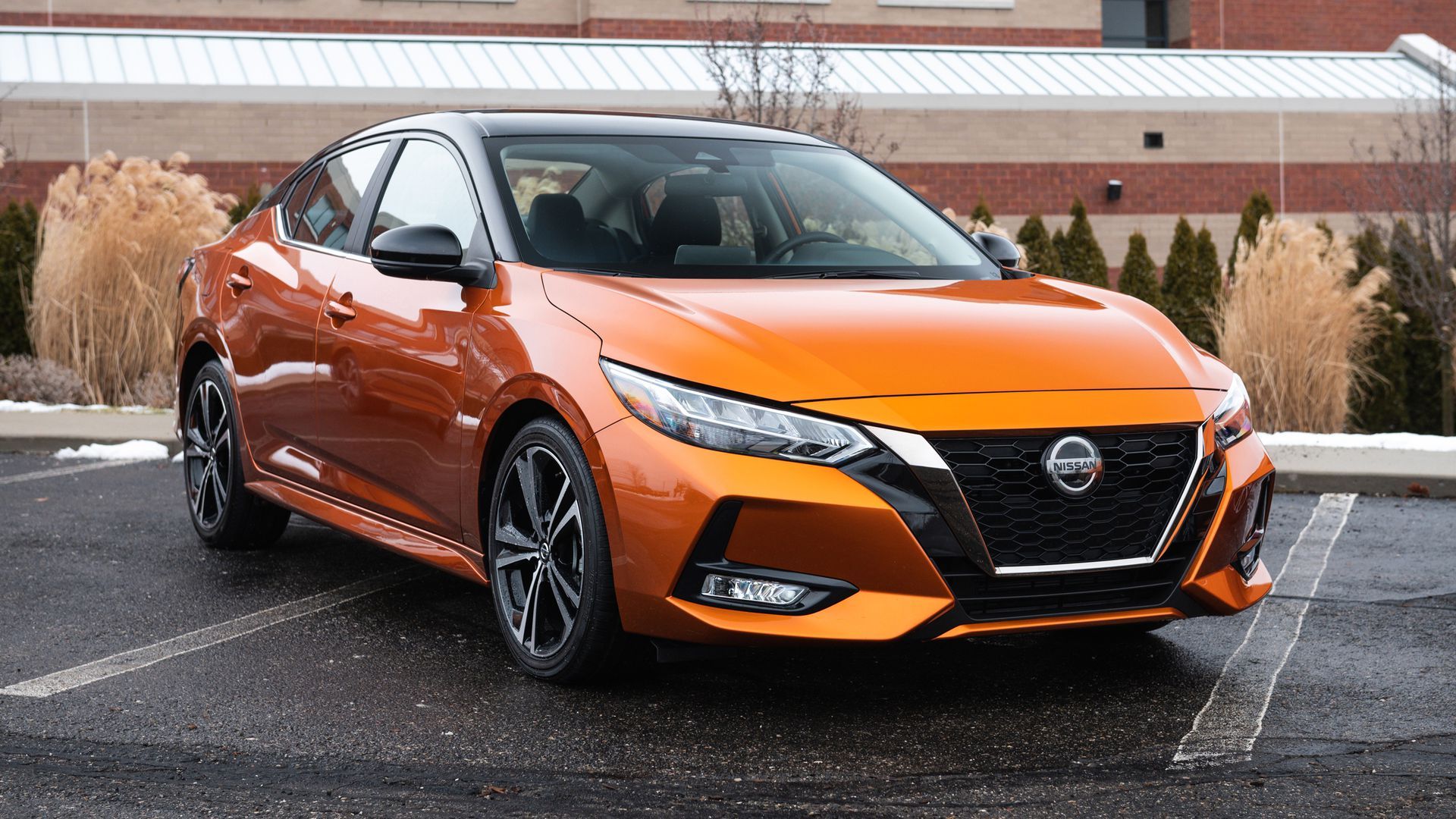
I drove the 2020 Nissan Sentra SR, a car that actually made me do a double-take.
My thought bubble: The Sentra is the kind of value-priced econobox you'd rent in Omaha — or so I thought — until a sporty-looking orange-and-black number showed up in my driveway. That's a Sentra?
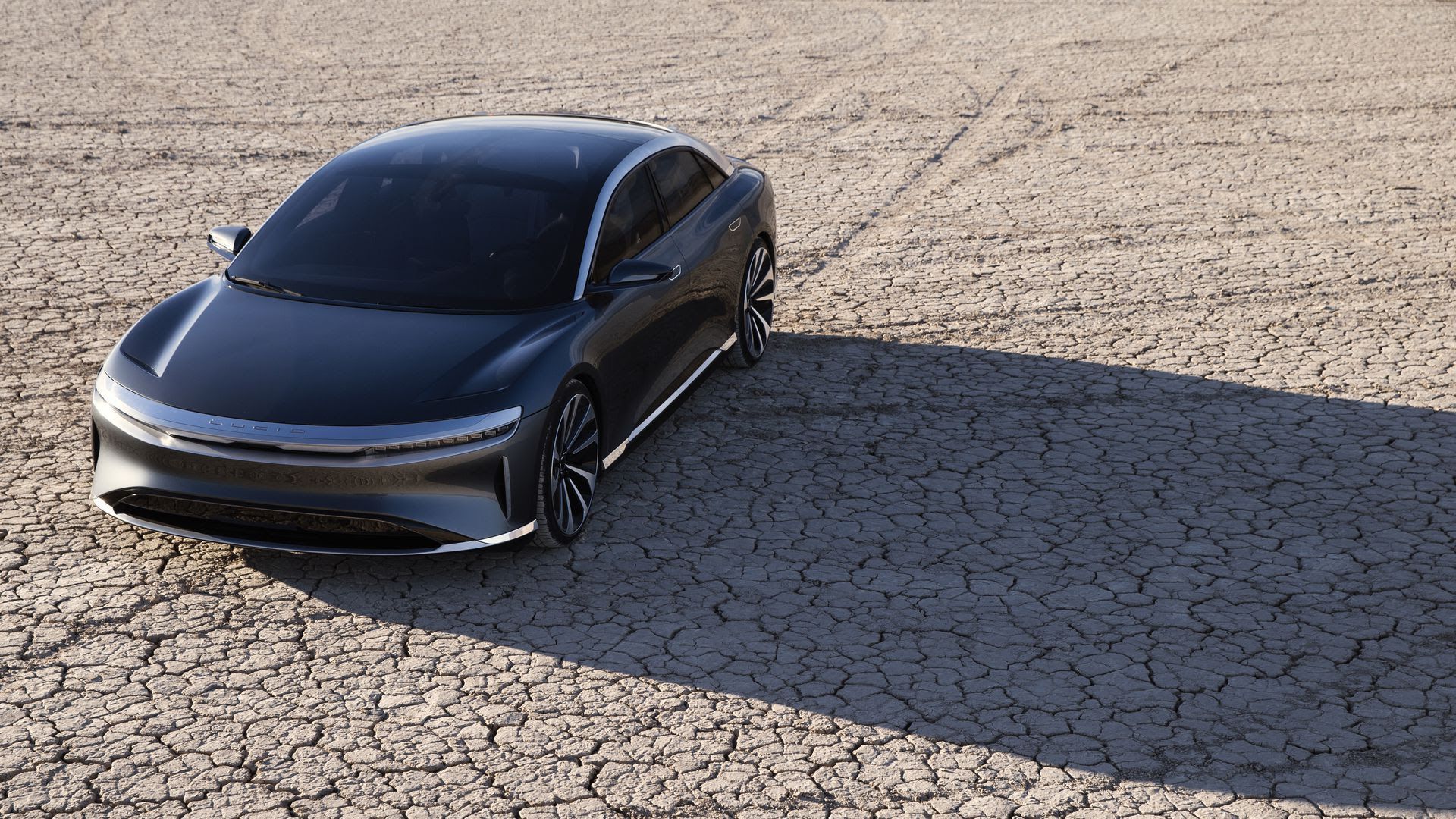
Two electric vehicle startups — Rivian and Lucid Motors — are best positioned to survive the fallout from the pandemic, industry experts tell Axios.
Why it matters: With solid funding and strong in-house technology, they've got a path to success — provided they can get back on track quickly as the economy recovers.
At least a dozen electric vehicle startups with dreams of becoming the next Tesla are suddenly in limbo, hoping they can hang on through the coronavirus pandemic for a chance to deliver on their long-shot ambitions.
The big picture: Building a car company from scratch is extraordinarily difficult, requiring billions of dollars in capital. Tesla made it, but not without a few harrowing brushes with death. Add the economic uncertainty of a global pandemic, and the stunning collapse in oil prices, and the odds of success are even lower.
IBM announced layoffs Friday to its global force of approximately 350,000 workers, as a massive pandemic-inspired worldwide recession continues to take a toll on employment.
By the numbers: IBM won't say how many employees are being given notice in the cut, which was first reported by Bloomberg, but according to the Wall Street Journal the layoffs will hit several thousand workers.
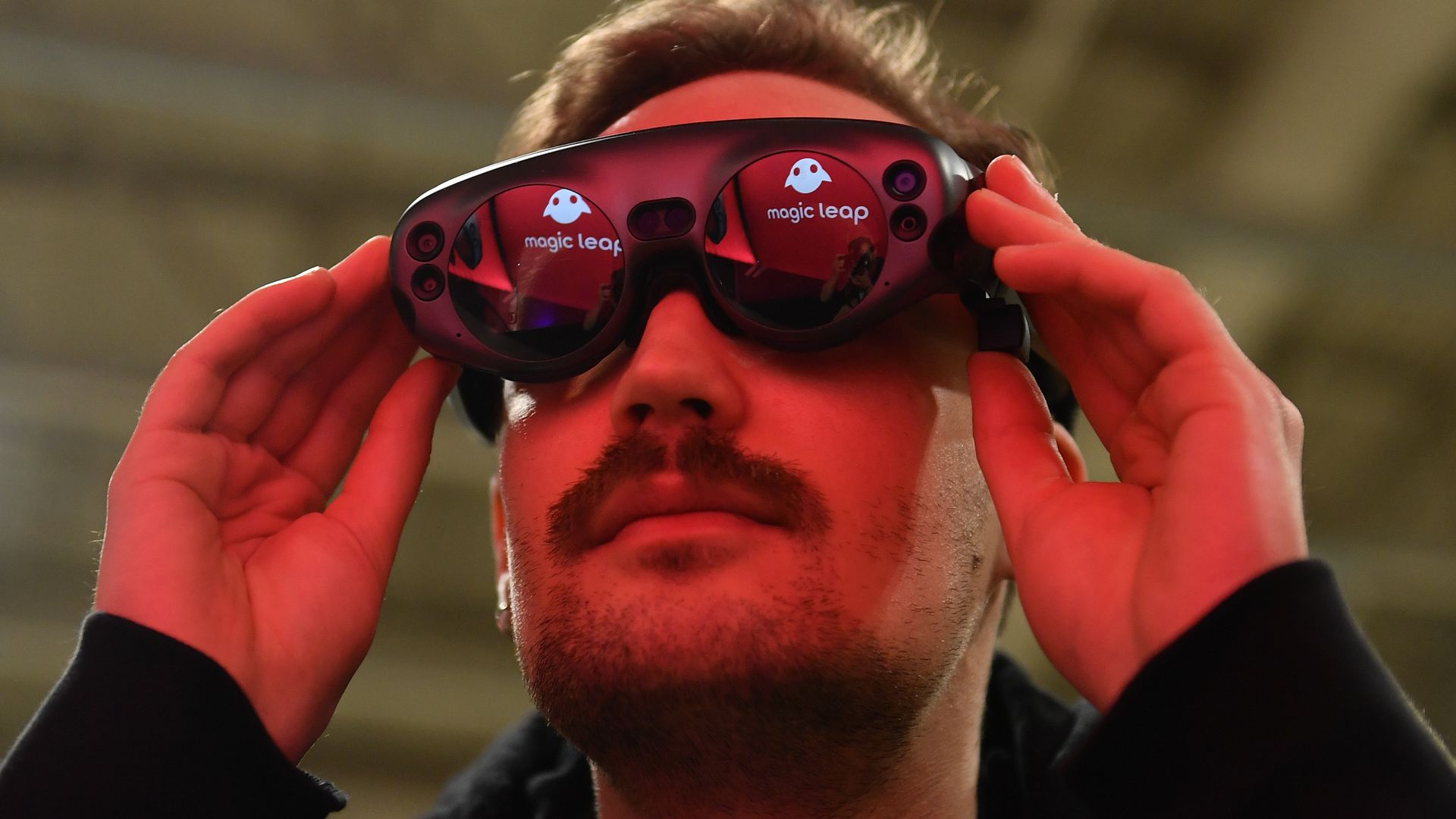
Magic Leap, a Florida-based maker of augmented reality devices, raised $350 million in new funding, according to a company memo first reported on by Business Insider.
Why it matters: It puts a whole new spin on the company's name. Magic Leap previously raised nearly $3 billion, repeatedly missed product launch targets and then, once it did launch to critical cackles, almost no one wanted to buy.
The Senate failed millions of small businesses Thursday by ending its week without passing an extension to the number of weeks that PPP loan recipients have to use their funds.
Why it matters: People may lose their jobs while politicians dither.
The National Association of City Transportation Officials has released a document, called "Streets for Pandemic Response and Recovery," to make it easier for city planners to adapt their streetscapes to the shifting pressures of the coronavirus pandemic.
Why it matters: The scope and duration of the changes could affect urban air quality, carbon emissions and could even influence post-crisis oil demand.
Pump prices are at their lowest point in years heading into the long holiday weekend, but it's hard to say how many people will take advantage of them.
Driving the news: The average U.S. price of gasoline as of early in the week was $1.88-per-gallon, per the U.S. Energy Information Administration. It's the lowest overall price since early 2016.
Before the coronavirus hit, 1.7 million jobless workers were collecting unemployment benefits, but two months later, the coronavirus pandemic has left more than 25 million workers on the unemployment rolls.
Why it matters: The number of new claims applications continues to be devastatingly high, though the pace has steadily slowed from the peak. Continued claims, which show the number of Americans on unemployment rolls after the initial application, keep climbing to new weekly records.
Investors are getting acquainted with a new class of CEOs, who are making crucial decisions about how to steer the companies that are in some cases taking the worst hit from the coronavirus crisis.
The problem: No one has experience dealing with an economy-shuttering global pandemic.