Nearly half of U.S. households have lost income since mid-March — but the suffering varies widely by state, according to survey data released Wednesday by the Census Bureau.
Why it matters: Income losses are particularly common in states that have borne the brunt of the coronavirus pandemic, like New York and New Jersey. But Southern stateslike Mississippi have experienced some of the most dire economic impacts, such as food scarcity and housing insecurity.
Sen. Amy Klobuchar (D-Minn.) joins the Axios Pro Rata Podcast to discuss her opposition to the possible tie-up between Uber and Grubhub, her concerns over Facebook's deal for Giphy, and why she hasn't signed on to Elizabeth Warren and AOC's blanket moratorium on large mergers.
Luckin Coffee (Nasdaq: LK), the Chinese coffee shop chain that recently fired its CEO and COO for falsifying sales data, yesterday received a delisting notice from Nasdaq. One source says that Luckin didn't sufficiently answer questions Nasdaq had asked.
Why it matters: This comes against the backdrop of Nasdaq tightening its listing standards for closely held companies and those that aren't sufficiently transparent about their accounting. It didn't explicitly cite Chinese issuers like Luckin, but its targets were clear.
Walmart yesterday announced plans to shutter its Jet.com e-commerce brand, less than four years after buying it for $3.3 billion.
Under the hood: Appearances can be deceiving. Not only was this deal not a failure for Walmart, but it arguably was the retail industry's most successful acquisition ever of a tech company.
Big tech companies, including Facebook and Google, have made much of their efforts to help small businesses hurting from the pandemic. But the same programs that make life easier for those businesses today could end up separating them from their customers and ultimately hand even more power over to the tech giants.
Why it matters: Lockdowns imposed to prevent the spread of the coronavirus have devastated America's small businesses, and the fate of any economic recovery following the crisis will hang on whether they can be revived.
The history of low oil prices juicing the U.S. economy was broken during the pandemic-fueled price collapse, Dallas Fed economists argue in a new commentary.
Why it matters: "[O]n balance this oil price decline has weakened rather than strengthened the U.S. economy, making this event different from past episodes of falling oil prices," they write.
New research shows retail investors are also moved to make stock purchases by ads they see on TV.
What it means: In a new paper, researchers at Cornell and Hong Kong University of Science and Technology find a "predictable, recurring, and robust pattern between investor exposure to television commercials and subsequent retail stock trading."
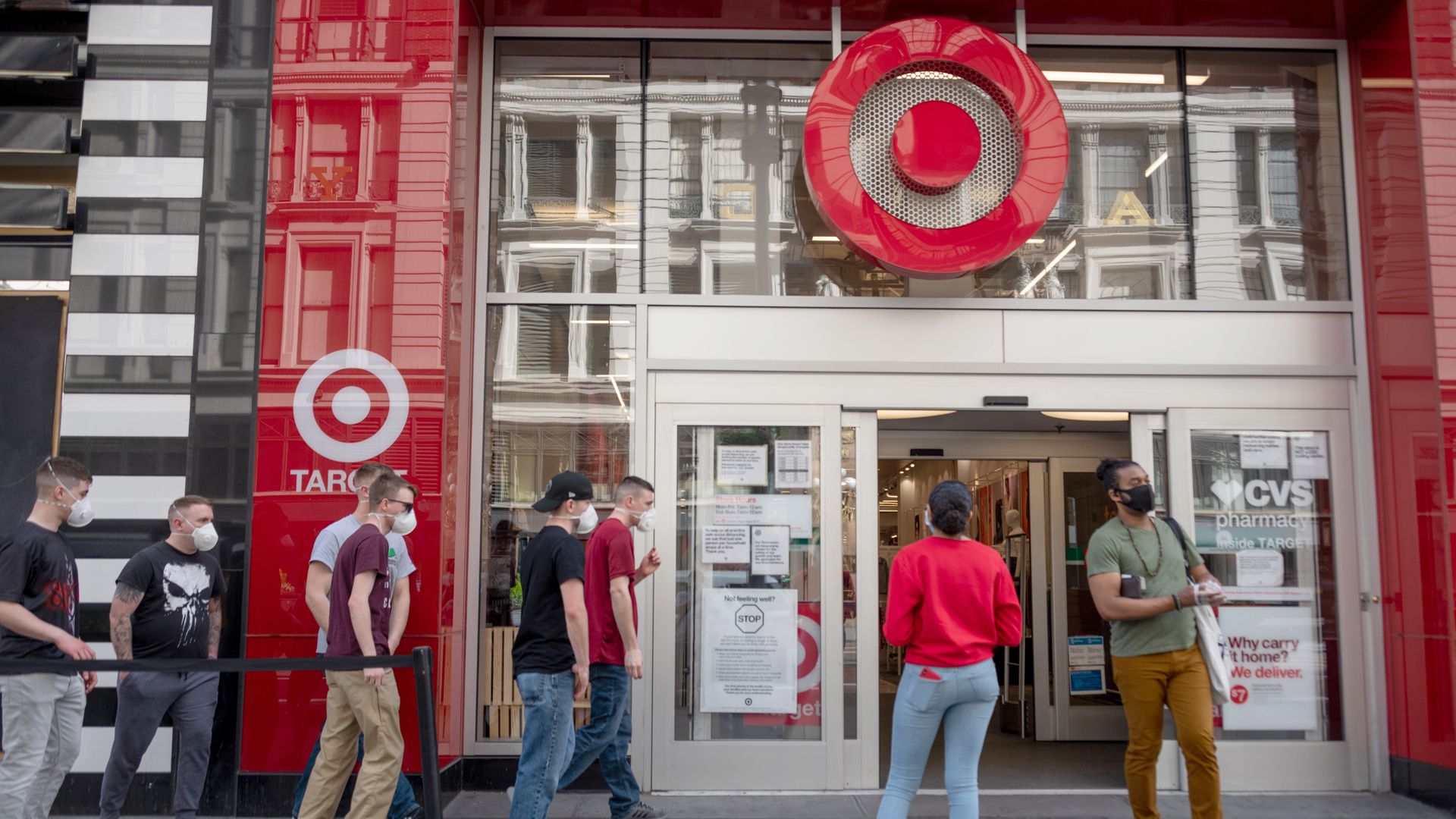
Target's digital sales jumped 141% during the first quarter as Americans upped their online shopping during the coronavirus pandemic, CNBC reports.
Yes, but: Even as digital sales increased, the pandemic still took a bite out of Target's profits, as supply chains shifted, stores increased cleaning protocols and customers moved away from higher-margin purchases in favor of staples like groceries.
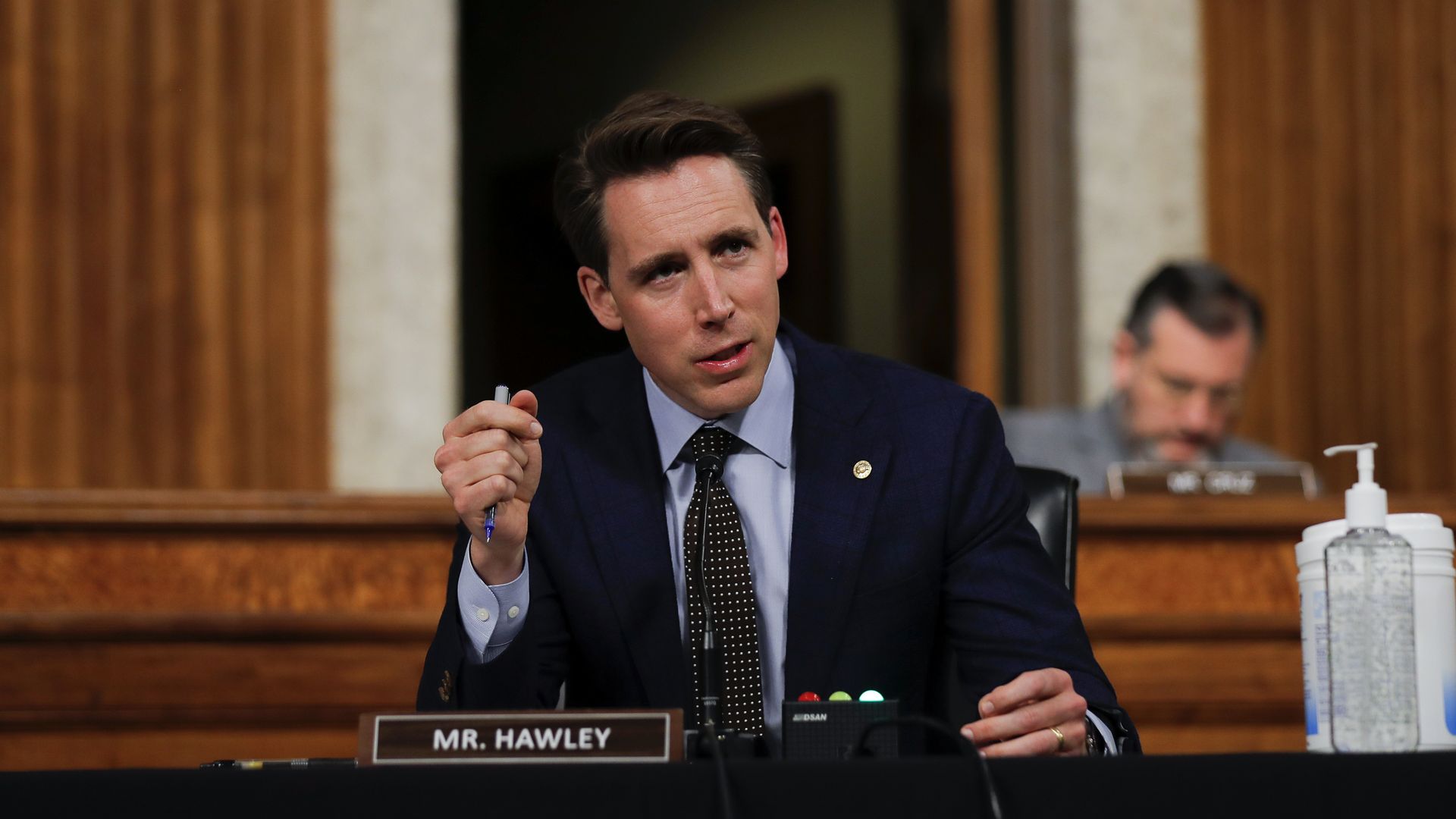
Sen. Josh Hawley (R-Mo.) will lambast China on Wednesday, arguing on the Senate floor that the existing international order must be ripped up to avert a future in which America takes “second place to the imperialists in Beijing.”
Why it matters: Hawley’s star has risen fast, and the 40-year-old freshman senator is often discussed as a 2024 presidential prospect. He’s betting that Trump’s populist nationalism and hawkishness on China aren’t passing phenomena, but the future of the Republican Party.