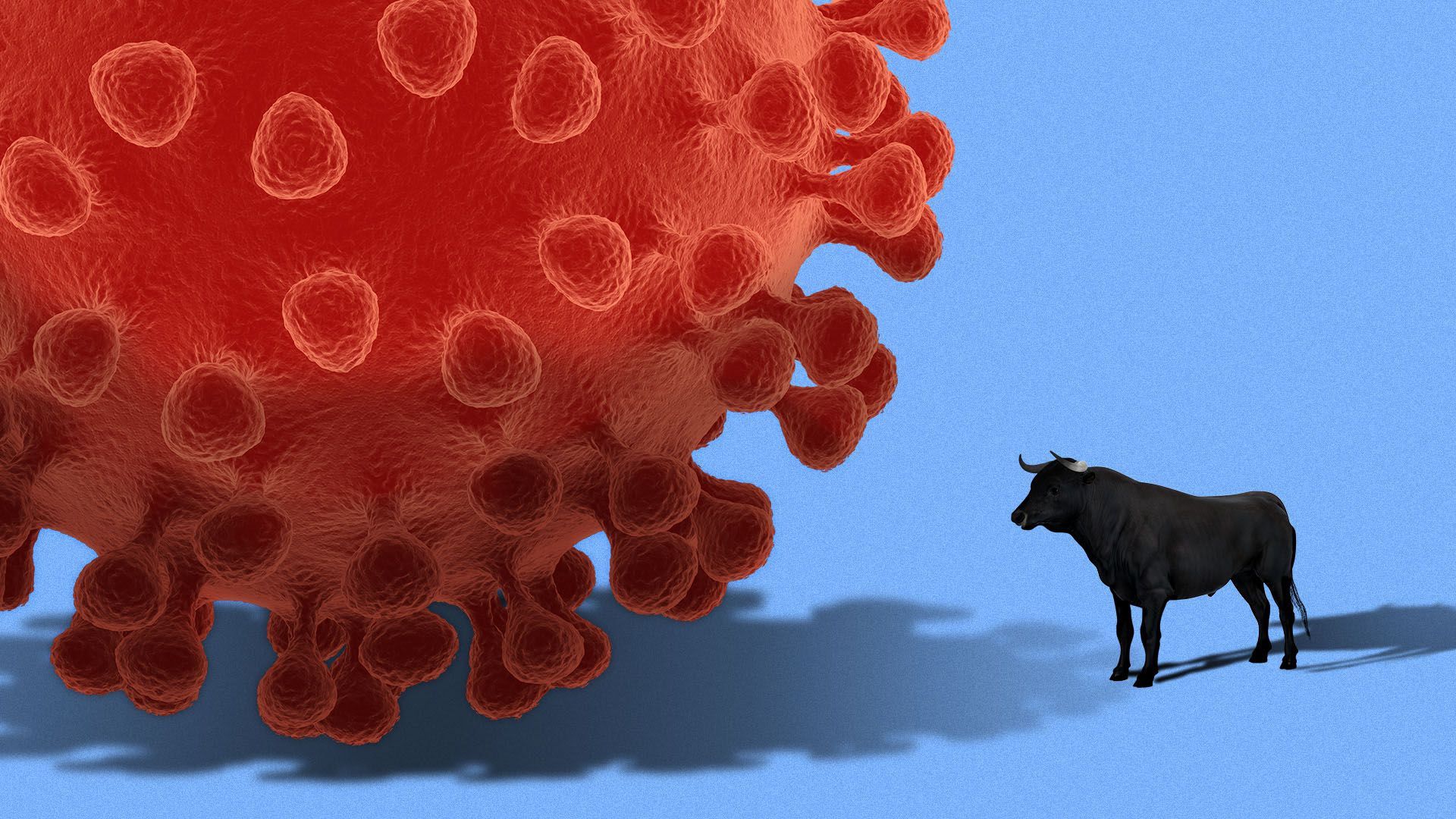
Why it matters: Market volatility isn't letting up, and fears continue to mount about the coronavirus' impact on the economy and businesses. The S&P 500's biggest decliners Thursday were cruise-lines and airlines — including Royal Caribbean, Carnival and American Airlines.
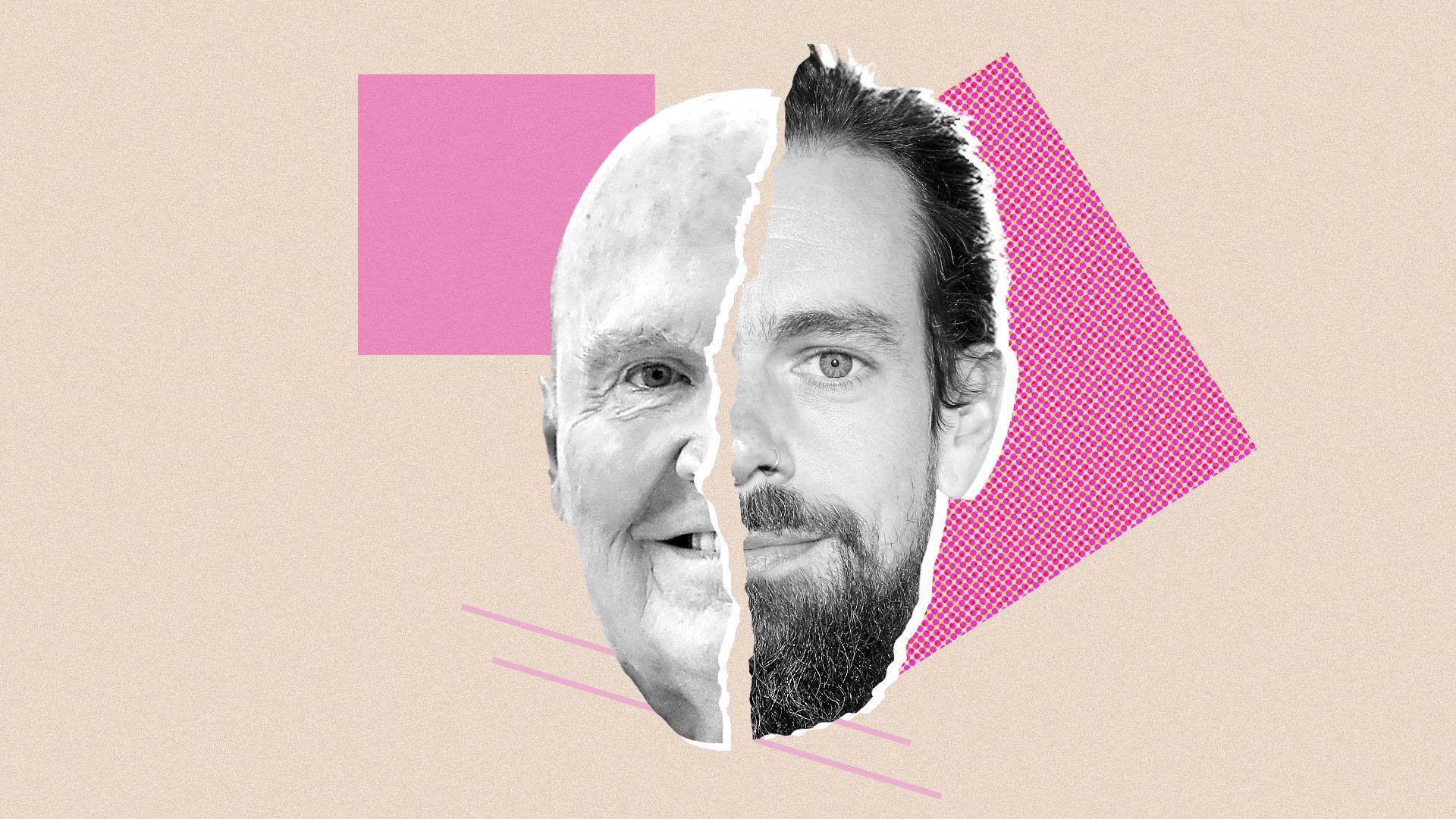
Twitter founder Jack Dorsey is, in some strange way, the modern-day version of Jack Welch.
The big picture: Dorsey, the embattled yet sensitive founder and CEO of Twitter and Square, has almost nothing in common with Welch, the corporation man who led General Electric as it became the largest company in America. Yet Dorsey exemplifies today's West Coast leaders just as Welch helped to define the celebrity CEO of the 1980s and '90s.
For anyone who gets their economic news from cable TV, we're in the craziest period of the Trump presidency so far.
Driving the news: The S&P 500 fell by 3.4% last Monday, Feb. 24. It then fell another 3% the following day, and it fell by 4.4% on Thursday Feb. 27. This week, it rose 4.6% on Monday, fell 2.8% on Tuesday, and rose 4.2% on Wednesday. It's entirely possible we'll see another 3%+ swing today.
Here's how serious coronavirus is: With the exception of the global financial crisis, the last time that the world saw a quarter of negative GDP growth was in 1982.
Flashback: Back then, China accounted for only about 1% of global GDP. Today, that number is 15%.
We're not in a financial crisis, which means we don't need the full arsenal of weaponry a financial crisis requires.
Why it matters: Humanity needs to fight a virus, not a credit crunch. Our success or failure on the epidemiological front lines will ultimately determine the medium-term path of the U.S. and global economies.
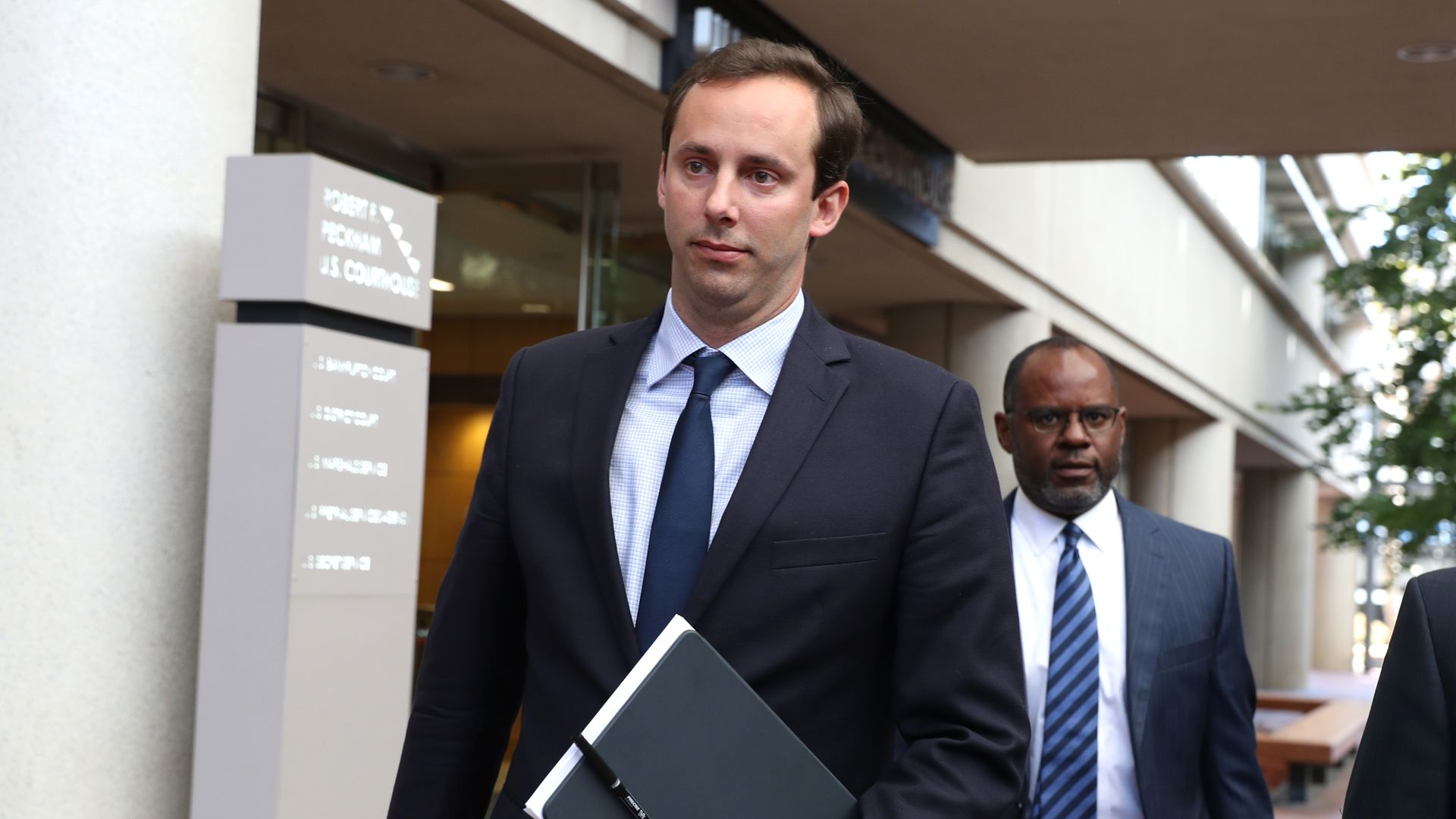
A San Francisco judge affirmed that Anthony Levandowski, the executive at the center of a 2017 lawsuit between Waymo and Uber over alleged trade secret theft, would have to pay the $179 million arbitration settlement over his departure from the Alphabet company, per Reuters.
Flashback: Waymo, which is owned by Alphabet, sued Uber three years ago, alleging Levandowski and the company conspired to steal its autonomous driving technology. After a year-long legal battle and a week of trial, the companies settled. Since then, Uber has admitted that a review of its tech concluded it would have to make significant changes or pay Waymo a licensing fee.
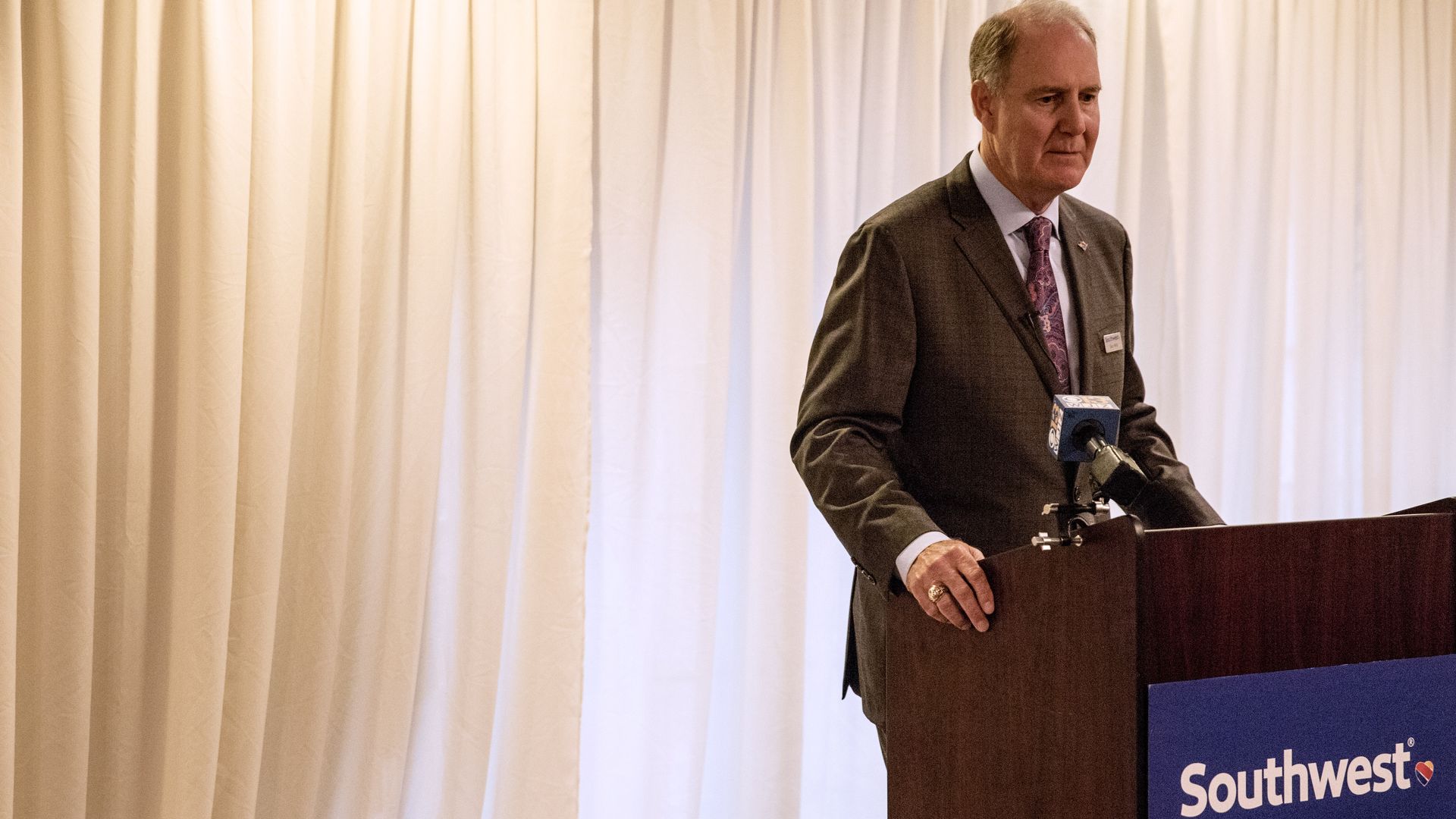
Southwest Airlines CEO Gary Kelly said on Thursday that the drop in domestic air travel amid the novel coronavirus outbreak "has a 9/11-like feel," CNBC anchor Carl Quintanilla reports.
Driving the news: The spread of COVID-19 could cost airlines up to $113 billion in lost revenue due to declines in air travel this spring and early summer, the International Air Transport Association projected earlier on Thursday.
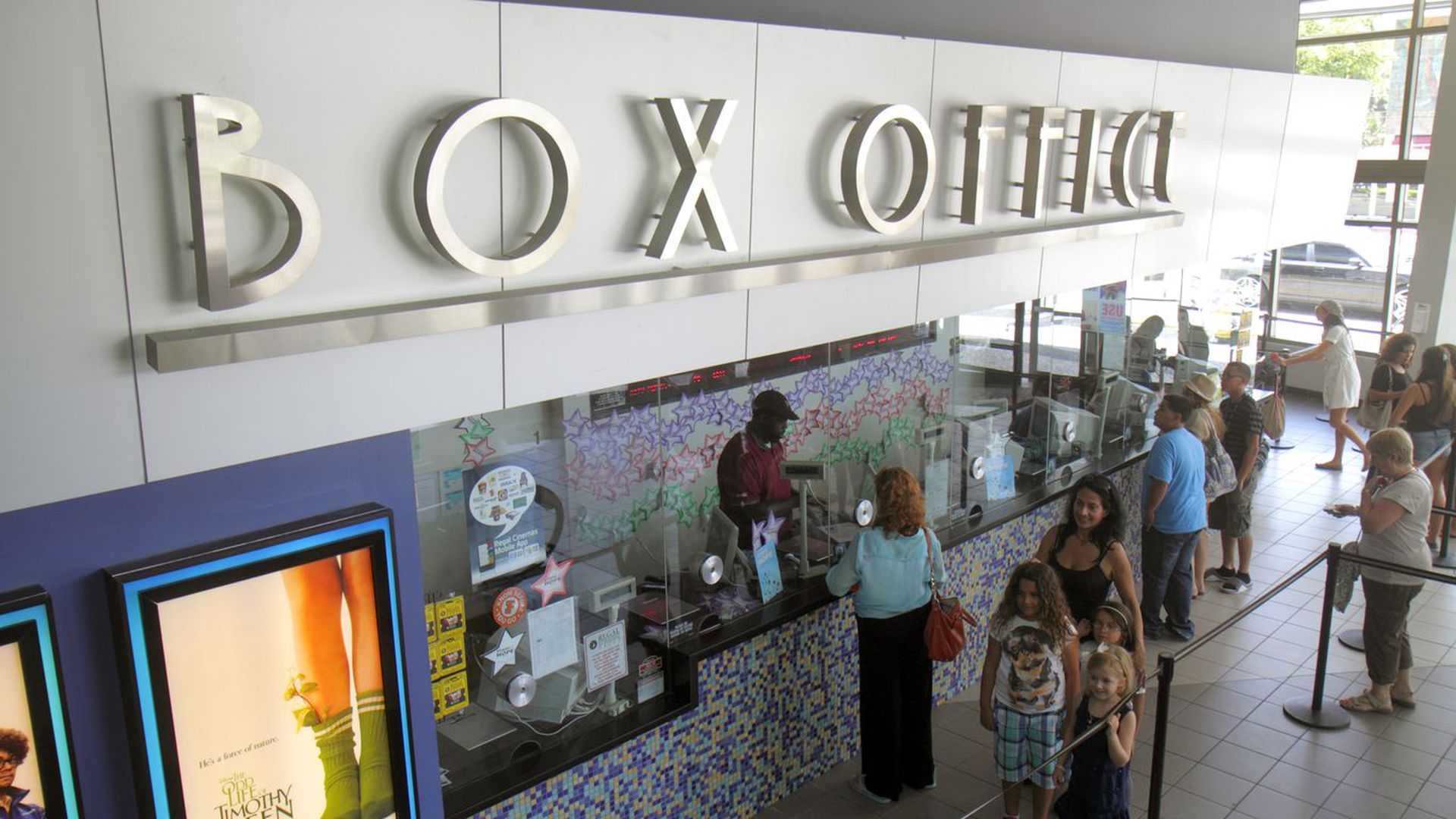
The film industry is on pace to lose billions of dollars due to the deadly coronavirus outbreak around the world, according to analysts.
Why it matters: In the U.S., the largest box office in the world, consumers who are spooked by the virus have little incentive to leave their houses to see a movie if they can stream something at home. In China, the second-largest global box office, most theaters have been temporarily closed.
A record number of female-founded startups raised venture capital in 2019, representing more than a 500% increase from 2010, based on new data from PitchBook and All Raise. Median valuations also hit all-time highs.
Background: The bump in global deal numbers comes amidst a (slow) increase in female venture capitalists, including those with actual checkbooks, and against the backdrop of increased exits for mixed-gender founding teams (+7% in 2019, compared to a 4% year-over-year decrease for all-male founding teams).
AT&T will look to cut tens of billions of dollars in costs over the next few years, including job cuts in the near term, AT&T president John Stankey said at a Morgan Stanley conference this week.
Why it matters: Critics were quick to point out that AT&T's cost-cutting plans come despite previous promises to increase investment and create jobs as part of the case for corporate tax cuts and the easing of net neutrality rules.
UBS said Thursday it will not finance new Arctic offshore oil projects, new coal mines or new oil sands projects.
The big picture: The Swiss banking giant is the latest in a string of banks to announce wider restrictions on fossil fuel finance as investor and activist pressure grows.
The coronavirus outbreak could cost airlines up to $113 billion in lost revenue from declines in air travel in the spring and early summer, the International Air Transport Association said Thursday in a press release.
Why it matters: The IATA estimates that airlines could experience a 19% loss in passenger revenues if the virus extensively spreads in countries that now have 10 or more confirmed cases as of March 2.
Campbell Soup stock jumped 10% on Wednesday as the company's CEO went on a media tour to tout the growing demand for the company's products in the face of COVID-19 fears.
What he's saying: CEO Mark Clouse told CNBC Wednesday that the company is increasing soup production in response to the coronavirus outbreak.
American low-wage workers increased their earnings significantly in 2019, seeing higher wage growth than workers at the higher end of the income spectrum. And that growth was largely fueled by increases in state minimum wages, a new study from the Economic Policy Institute shows.
Details: The left-leaning think tank's report finds that low-wage workers in the 23 states (plus Washington, D.C.) that raised their minimum wage last year saw "much faster wage growth than low-wage workers in states that did not increase their minimum wage between 2018 and 2019."
The COVID-19 outbreak began weighing on U.S. businesses even before the virus had really begun its spread in the U.S., the Fed's latest beige book shows.
Why it matters: The extent of the outbreak can't yet be quantified, but the report, a collection of anecdotes from the central bank’s business contacts around the country, suggests U.S. firms could be in for a significant slowdown in March.
Health care stocks soared Wednesday, led by double-digit percentage gains from major health insurers Anthem, Centene, Cigna, Humana and UnitedHealth Group.
The big picture: Nothing has changed with the health care industry, which is still printing money. But Joe Biden's Super Tuesday victories reassured Wall Street of his chances of beating Bernie Sanders and "Medicare for All” — and that a Biden presidency or a Trump re-election will keep the lucrative status quo in place.
Companies that make products geared toward staying at home — think peanut butter, exercise bikes and telecommunication software — are the unexpected beneficiaries of the evolving coronavirus economy.
Why it matters: There are dour forecasts for the global economy as the coronavirus runs its course. But investors are placing bets on what consumers will need as the fast-spreading outbreak worsens.
In 2018, the year the Republican tax law went into full effect, 12 of the largest pharmaceutical companies spent more money buying back their stock than they spent on drug research and development.
The big picture: When billions of dollars became available to the biggest drug companies, their main priority was to juice earnings, along with the paydays of their executives and investors — not investments in new treatments or relief for patients who can't afford their drugs.







/2020/03/05/1583423150630.gif?w=3840)