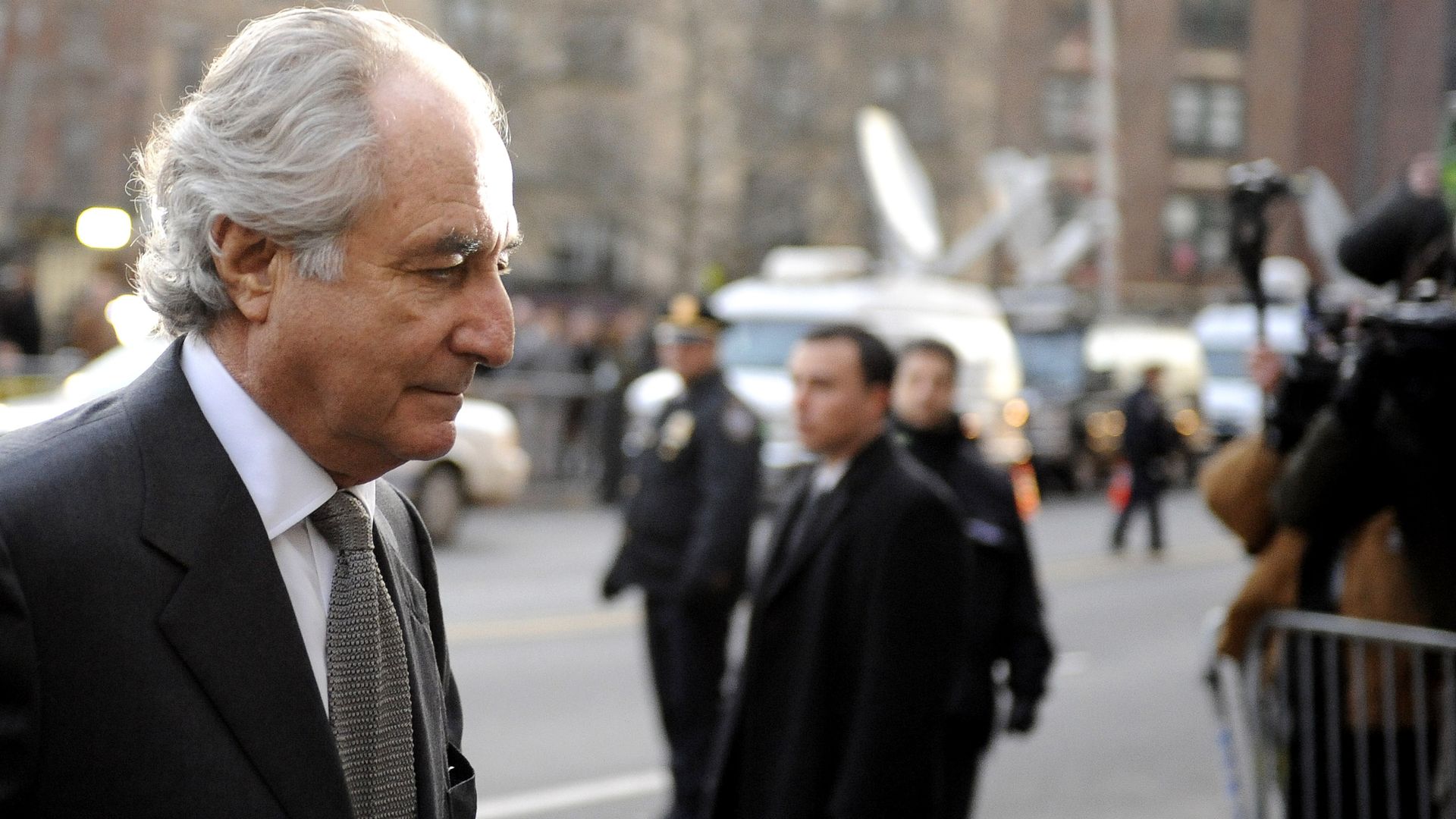
Notorious Ponzi schemer Bernie Madoff is seeking medical release from a life sentence in prison because he is in the final stages of terminal kidney disease, he told the Washington Post.
The big picture: Madoff has already served 11 years of his 150-year sentence, after pleading guilty to 11 criminal charges, including fraud and money laundering. He orchestrated the largest Ponzi scheme in modern American history.
PropertyClub, an apartment rental service, used Zillow data to calculate which cities saw the greatest percentage rent increases between 2010 and 2019.
What they found: It's not surprising that New York, Seattle and San Francisco saw sizable median rent increases — but Aurora, Colorado, and Boise City, Idaho, actually saw the biggest jumps.
One America Works, a nonprofit that helps high-growth companies find the right cities for expansion, received a $1 million grant over two years from the Richard King Mellon Foundation.
Why it matters: While the dollar amount isn't huge, it shows an increasing interest in strategically spreading economic opportunity to new places.
A majority of millennials feel behind financially and are not optimistic about their financial future, according to a new survey from Bank of America.
Why it matters: Millennials are nearly twice as likely as baby boomers to worry often about their finances. Homeownership tops the list of anxieties — 20% say not being able to afford a home is the top financial stressor.
Homelessness is on the rise in many of America's biggest and most expensive cities — but it's a growing problem in rural areas, too.
Why it matters: People experiencing homelessness are often harder to count in rural areas and they have a harder time accessing support programs in small towns with fewer resources.
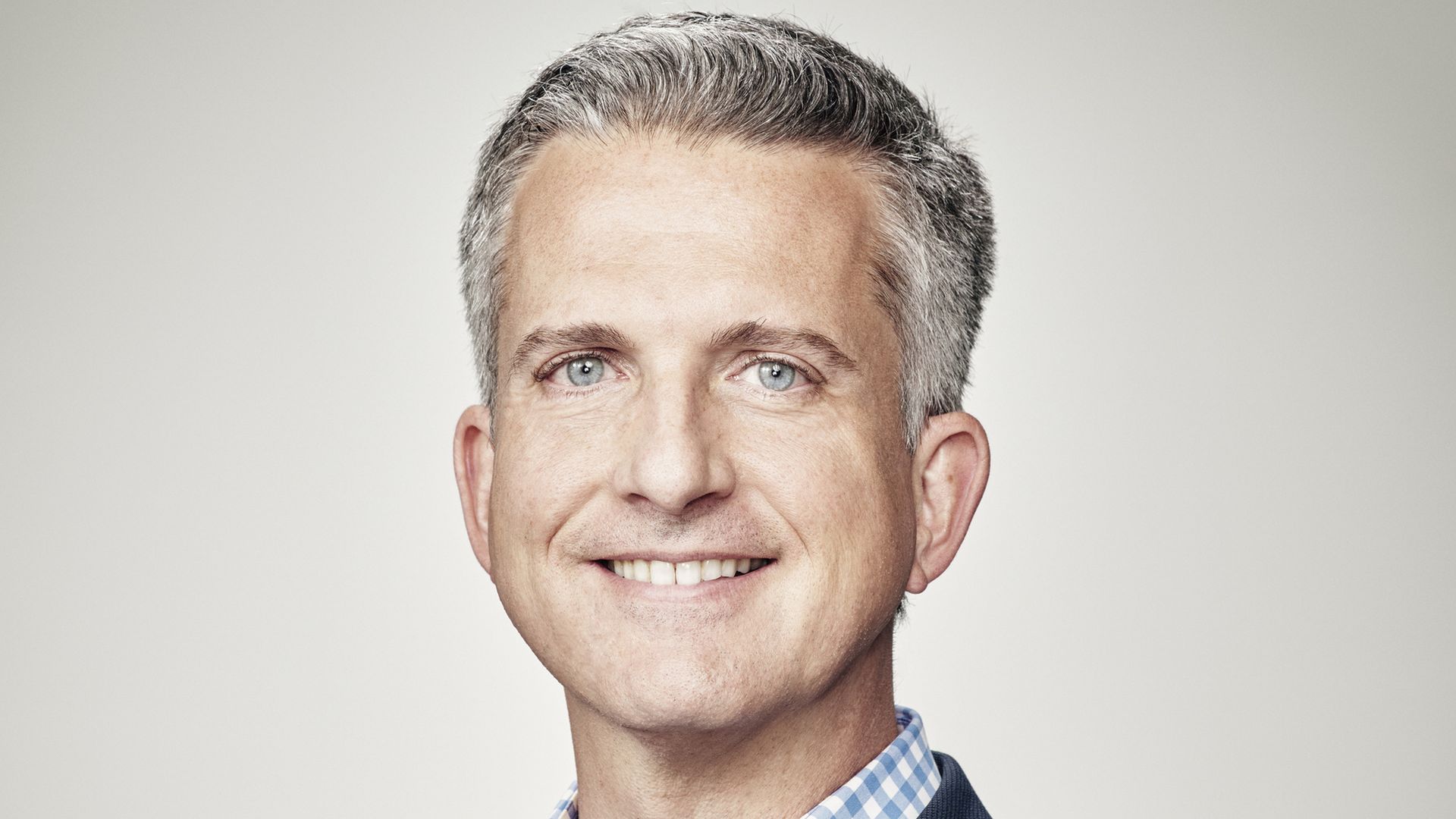
Spotify announced Wednesday plans to acquire The Ringer, a sports media company founded by former ESPN personality Bill Simmons.
Why it matters: The acquisition speaks to Spotify's massive investment in podcasting over the past year, as the company aims to expand its offering solely from music to audio including podcasts.
Iconic retailer Victoria's Secret is facing turmoil due to cultural issues both inside (e.g., reports of executive misogyny) and outside of the company (changing consumer tastes). Dan digs in with New York Times business reporter Sapna Maheshwari.
There is a 70% chance of recession within the next six months, according to a new recession indicator that examines the economy using a method previously used to analyze the resemblance of human skulls.
What it means: The new indicator comes from researchers at State Street Associates and MIT's Sloan School of Management who applied the principle of Mahalanobis distance to create a predictor of economic booms and recessions they call the KKT Index of the Business Cycle.
PT Softex, an Indonesian sanitary product maker backed by CVC Capital Partners, may postpone its local IPO because of coronavirus concerns, per Bloomberg. This comes just weeks after Atotech, a German chemicals group owned by The Carlyle Group, delayed its U.S. IPO for similar reasons.
Why it matters: The fear and supply chain challenges are real, as are the difficulties in setting up travel and meetings with prospective Chinese investors. PT Softex, which seeks to raise upwards of $400 million, also has the added challenge of a soft Jakarta stock market.
Amazon is sharing new info about its late 2019 vow to buy 100,000 electric delivery vehicles from Rivian.
Why it matters: It's among the most aggressive moves in the fleet electrification space and, if indeed it proceeds, will cement Rivian's prominence among electric vehicle startups.
Two of the most important companies on the energy beat are having very different weeks.
The big picture: Tesla's shares went bananas again Tuesday, spending much of the day well above $900 before falling at the trading close and continuing its fall early Wednesday. Meanwhile, Exxon's stock has been on a downward trajectory all year that picked up speed with Friday's disappointing earnings report — eventually reaching a decade-low.
As confirmed cases of coronavirus increase around the globe, billionaires and multinational corporations around the world are deploying their dollars to help health authorities combat the disease.
Why it matters: Investors and businesses fear that the virus if not contained could wreak havoc on the global economy by cutting into China's 2020 growth, Axios' Dion Rabouin and Joann Muller report.
The novel coronavirus outbreak has continued its global rampage, but experts are beginning to see signs of improvement in detection and treatment on the horizon.
Driving the news: S&P Global announced Tuesday it expects the crisis will "stabilize globally in April 2020, with virtually no new transmissions in May. Our worst-case projection holds that the virus stops spreading in late May, and optimistically in March."
Little has changed about the fundamentals since last week's selloff that was the worst in months, but bullish stock traders have bid back all of the the S&P 500's losses and sent the Nasdaq to a new record high.
What's happening: The market continues to bet on generous central banks providing stimulus to help the global economy recover from the novel coronavirus outbreak that has stalled supply chains, closed businesses and quarantined millions of people.
The Baltic Dry Index, a bellwether of the maritime shipping industry, continues to sink and a main component has fallen below zero to a record low, the Wall Street Journal reported.
What's happening: The Baltic Exchange’s capesize index, a component of the Baltic Dry Index that tracks the world's largest dry-bulk carriers, dug deeper into negative territory Tuesday, after going negative on Friday for the first time.