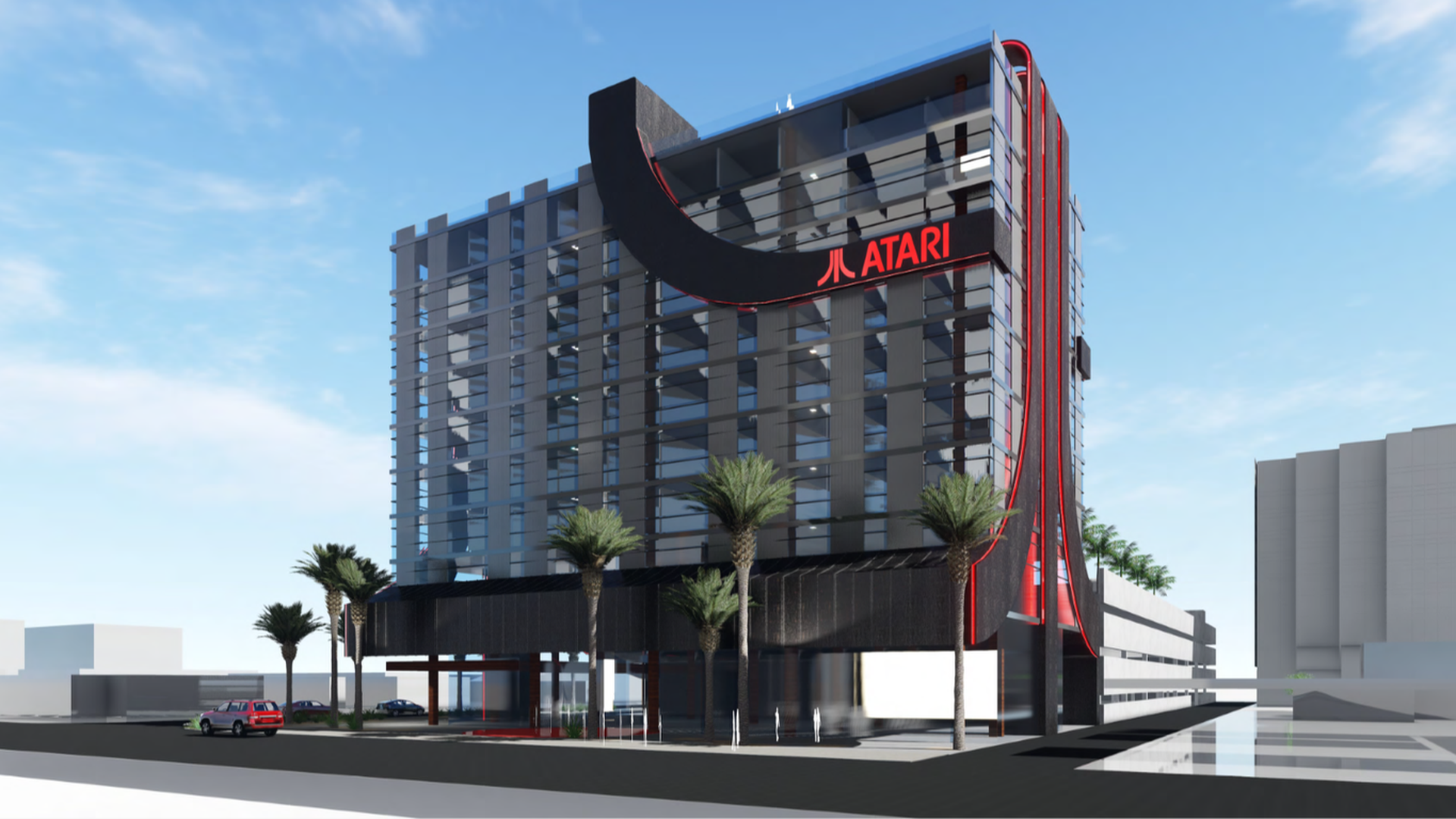
Warner Music Group, one of the largest companies in the global music industry, filed for an initial public offering on Thursday.
Details: The company's filings show it held $258 million in net income at the end of fiscal year 2019, and had $2.974 billion in total and long-term debt at that time.
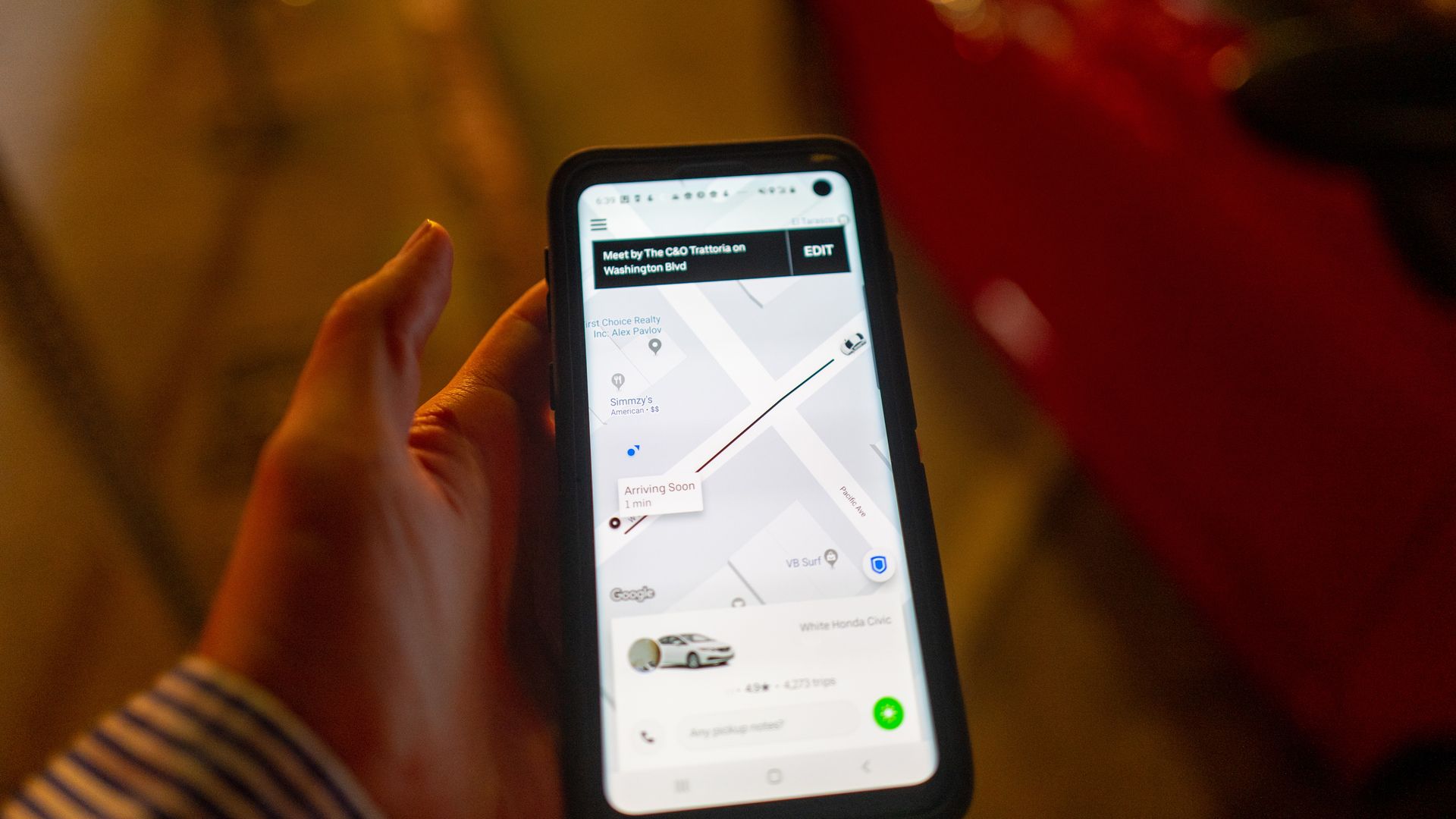
Prices and wait times have gone up for Uber passengers since the ride-hailing began making changes last month because of a new state law that makes it harder to classify workers as independent contractors, Uber CEO Dara Khorowshahi told analysts on Thursday.
Why it matters: Uber and other companies like Lyft, Postmates, Doordash have aggressively pushed back on the new law, known as AB5, as it threatens their business models.
Renting an apartment in New York is ridiculously difficult and expensive, in no small part because of the dominance of a curious tribe of people known as "rental brokers." As the NYT explains, these creatures "have near absolute control over apartment listings, viewing appointments and leases."
Driving the news: In a widely applauded yet unexpected move, New York state regulators have decreed that renters can no longer be charged broker's fees.
Uber posted its fourth quarter results on Thursday, slightly exceeding analyst expectations, giving its stock a small price bump after market close.
Why it matters: Uber has not only been under growing pressure to show it can turn a profit sooner than later, but the company is facing new regulations in California that threaten its classification of drivers as contractors, instead of employees.
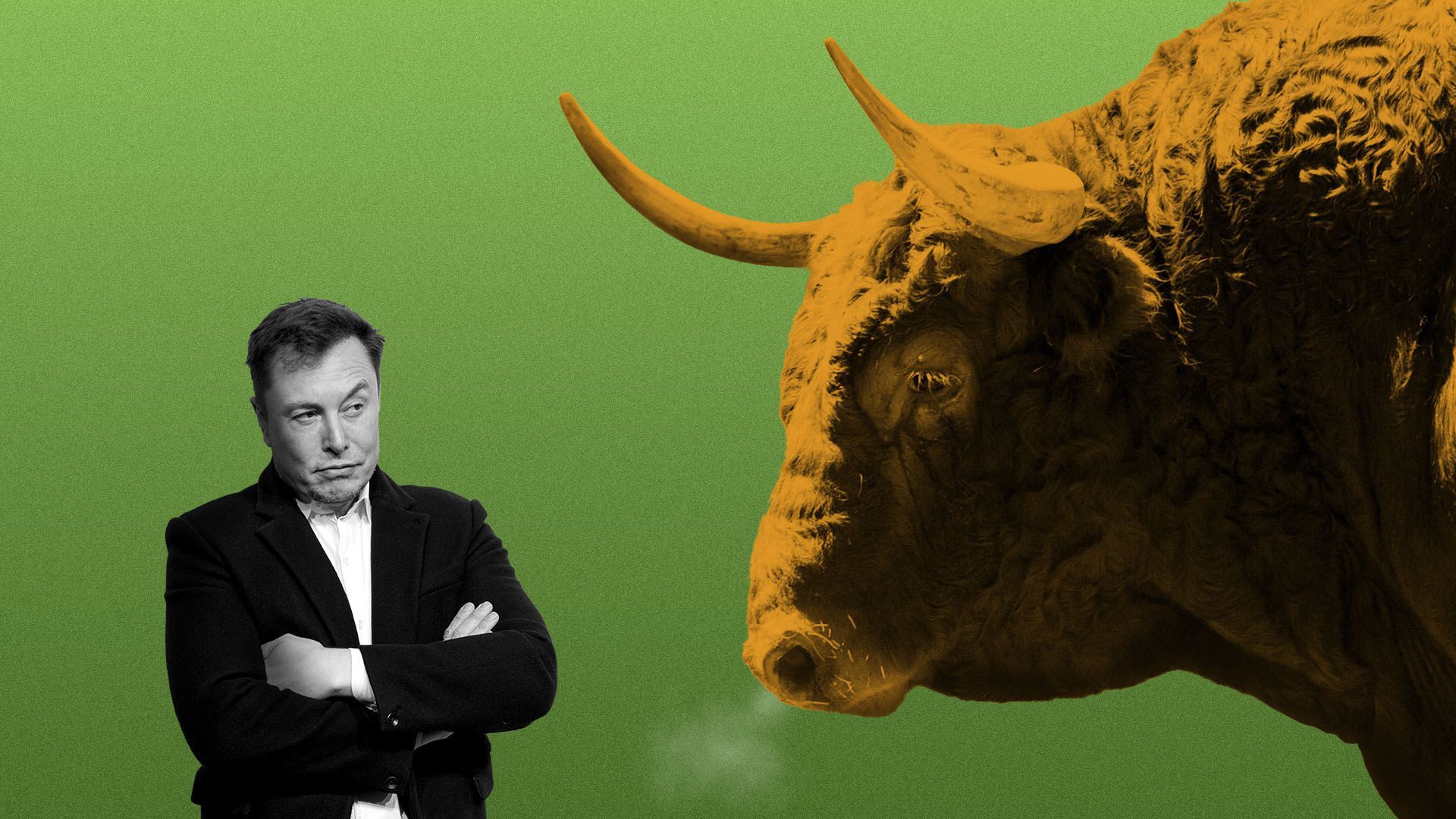
Tesla stock has been in Ludicrous Mode for the past few days. Given its bonkers gyrations, it's now easy to see why CEO Elon Musk might feel that he was right all along in wanting to take the company private back in 2018.
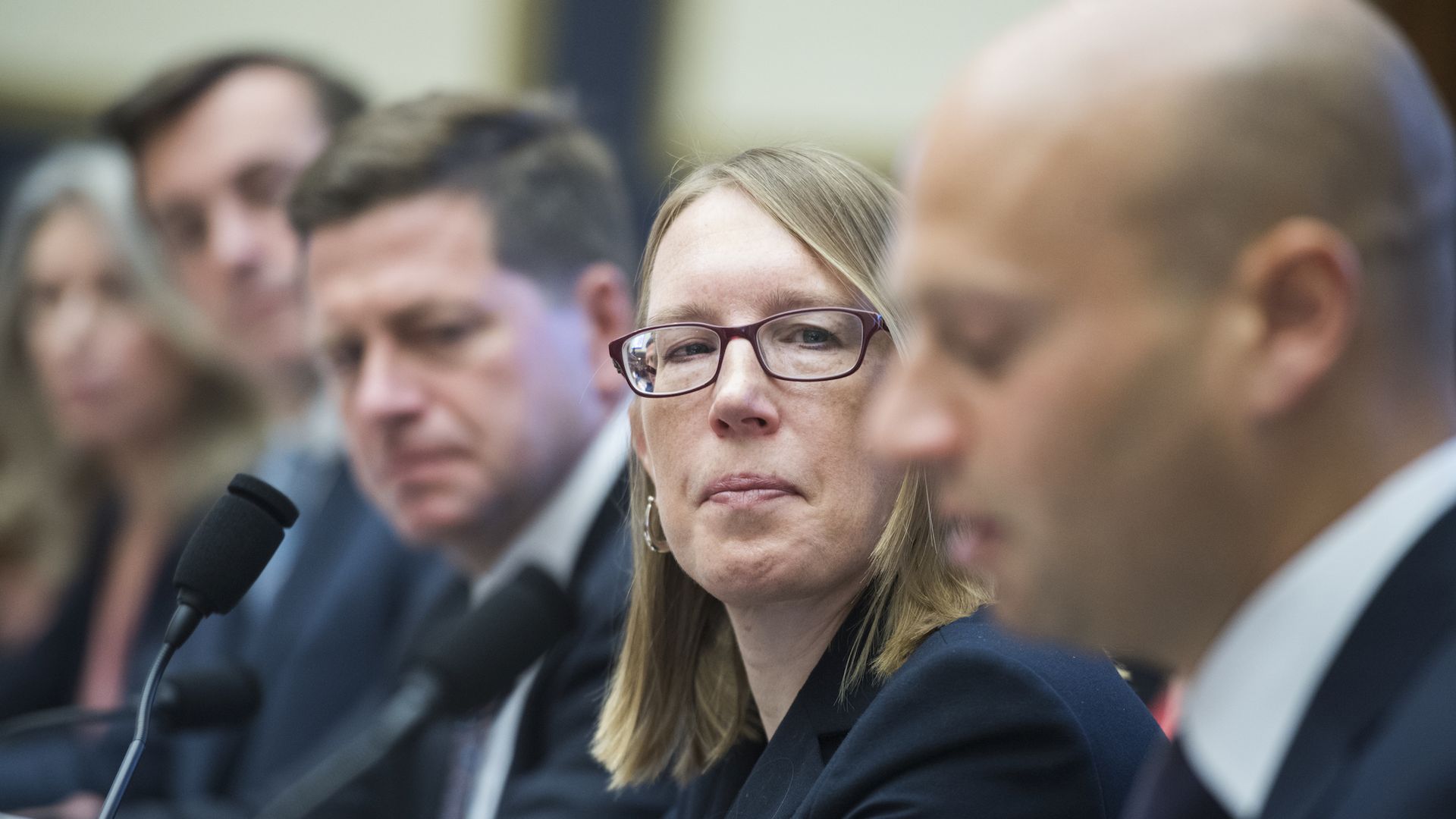
Securities and Exchange commissioner Hester Peirce unveiled on Thursday a proposal that would give digital token projects that raise funding a three-year regulatory safe harbor, per mediareports.
Why it matters: Regulators, including the SEC, have wrestled with a gray area of digital token projects that look much like securities offerings initially, but can evolve in time into decentralized networks, as Ethereum did.
Casper Sleep, the mattress retailer that was valued at more than $1 billion by venture capitalists, last night priced its IPO at the bottom of an already-slashed price range.
Reality check: Yes, this went just about as badly as most of us thought it would. No, it shouldn't be used as an avatar for the broader IPO or DTC markets.
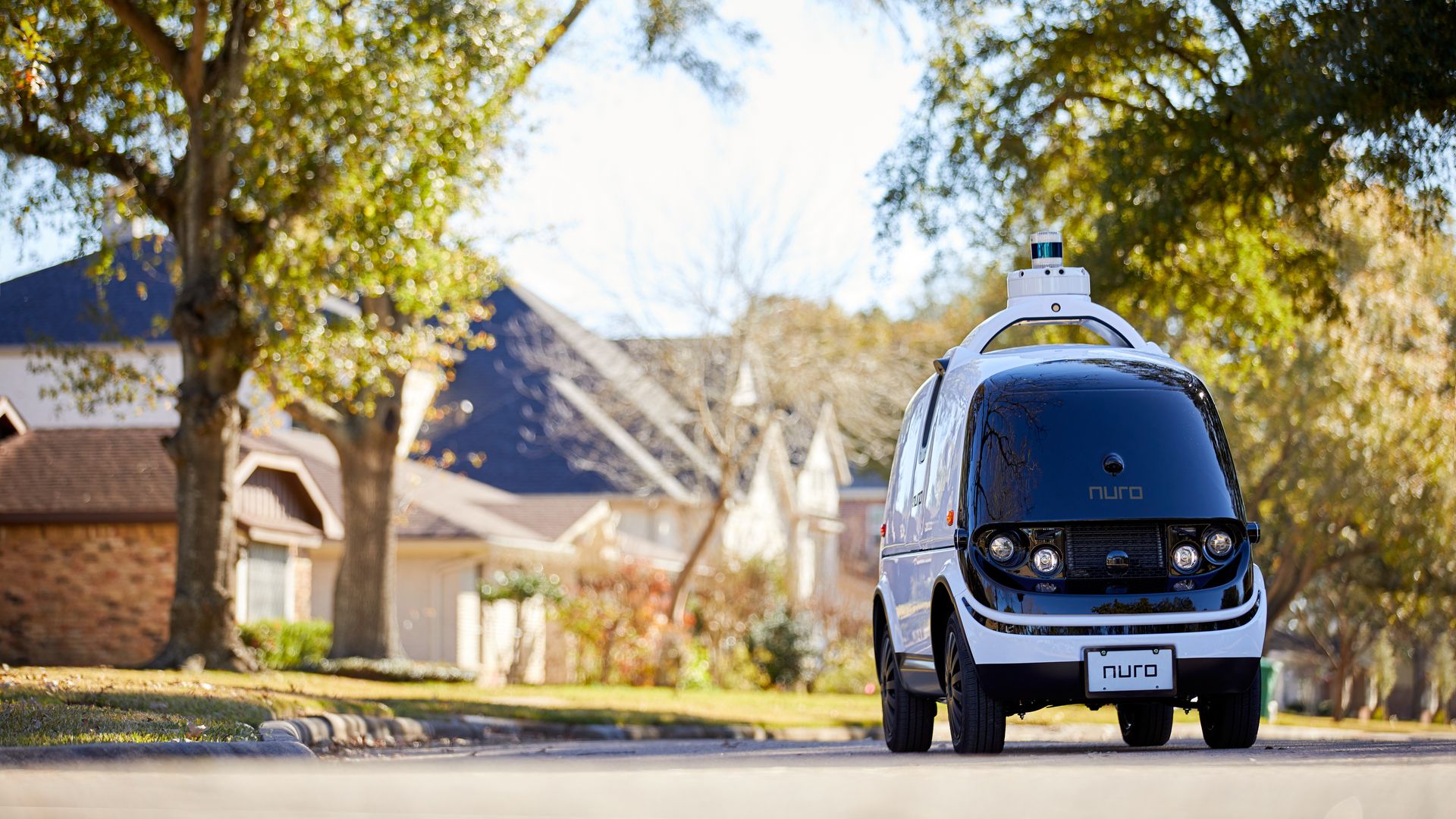
The U.S. Transportation Department is giving its regulatory blessing to the first autonomous vehicle with no steering wheel, pedals or human occupant.
Why it matters: Vehicle safety standards were written for today's cars and trucks, mostly to protect humans riding inside them. By granting an exemption to Nuro's self-driving delivery vans, the National Highway Traffic Safety Administration is beginning to pave the way for the driverless era.
The job market looks to be picking up steam and shaking off any hints of the slowdown economists predicted would happen as employers got further away from the boost of the Tax Cuts and Jobs Act of 2017.
What happened: ADP's private payrolls report showed the U.S. added 291,000 jobs in January, beating expectations by a wide margin for the second straight month. It was the report's best monthly gain since May 2015.
The Fed is developing its own real-time payments and settlement service and reviewing 200 comment letters submitted late last year about the proposal, Fed governor Lael Brainard said in a speech Wednesday.
What's happening: Central banks around the world have been working to issue digital currencies amid a decline in the use of cash and an increase in dependence on commercial banks for payments. Private companies like Facebook and its Libra cryptocurrency also have spurred central banks into action.
America's most popular chains are spending millions and hiring thousands in the battle for the growing breakfast market.
The big picture: Restaurants are betting that expanding into the morning meal could turn into a windfall. Americans ate 102 billion breakfasts last year, per the research firm NPD Group — and breakfast is the only time of day that restaurant foot traffic in the U.S. is growing.
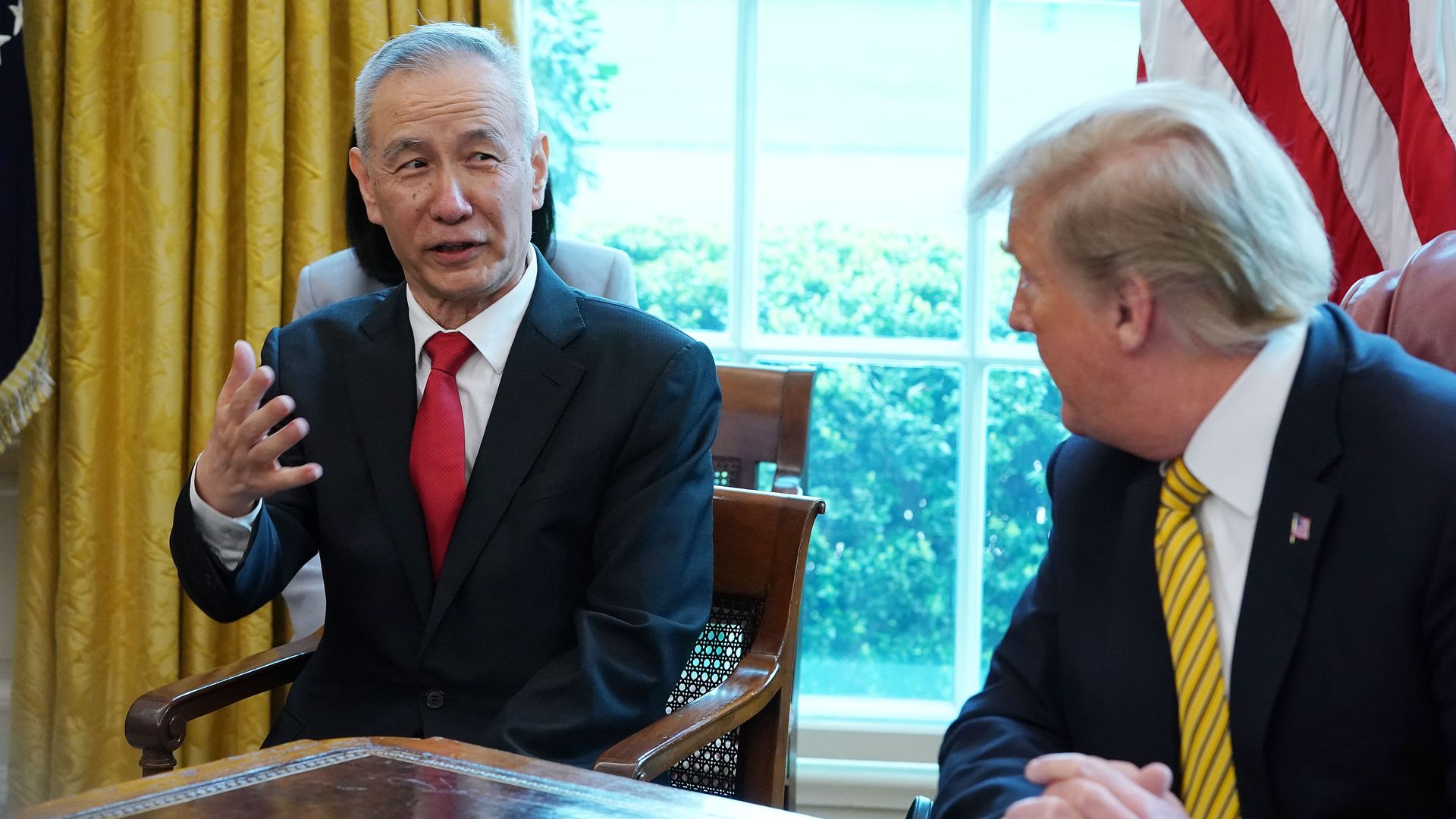
Why it matters: This is another sign of tensions easing in the prolonged trade war between the U.S. and China that's brought major uncertainty to the markets and hurt the U.S. manufacturing industry and farmers.
Much of the debate around data privacy has centered on the tech giants that are collecting consumer data, but retailers are formidable data guzzlers, too.
Why it matters: The places we shop track us in stores and online and use those troves of data to get us to spend more money. "I think it would be wise if everyone stopped thinking of retailers as retailers and started thinking of them as tech companies," Amy Webb, founder of the Future Today Institute, tells Axios.








/2020/02/06/1580992917884.gif?w=3840)