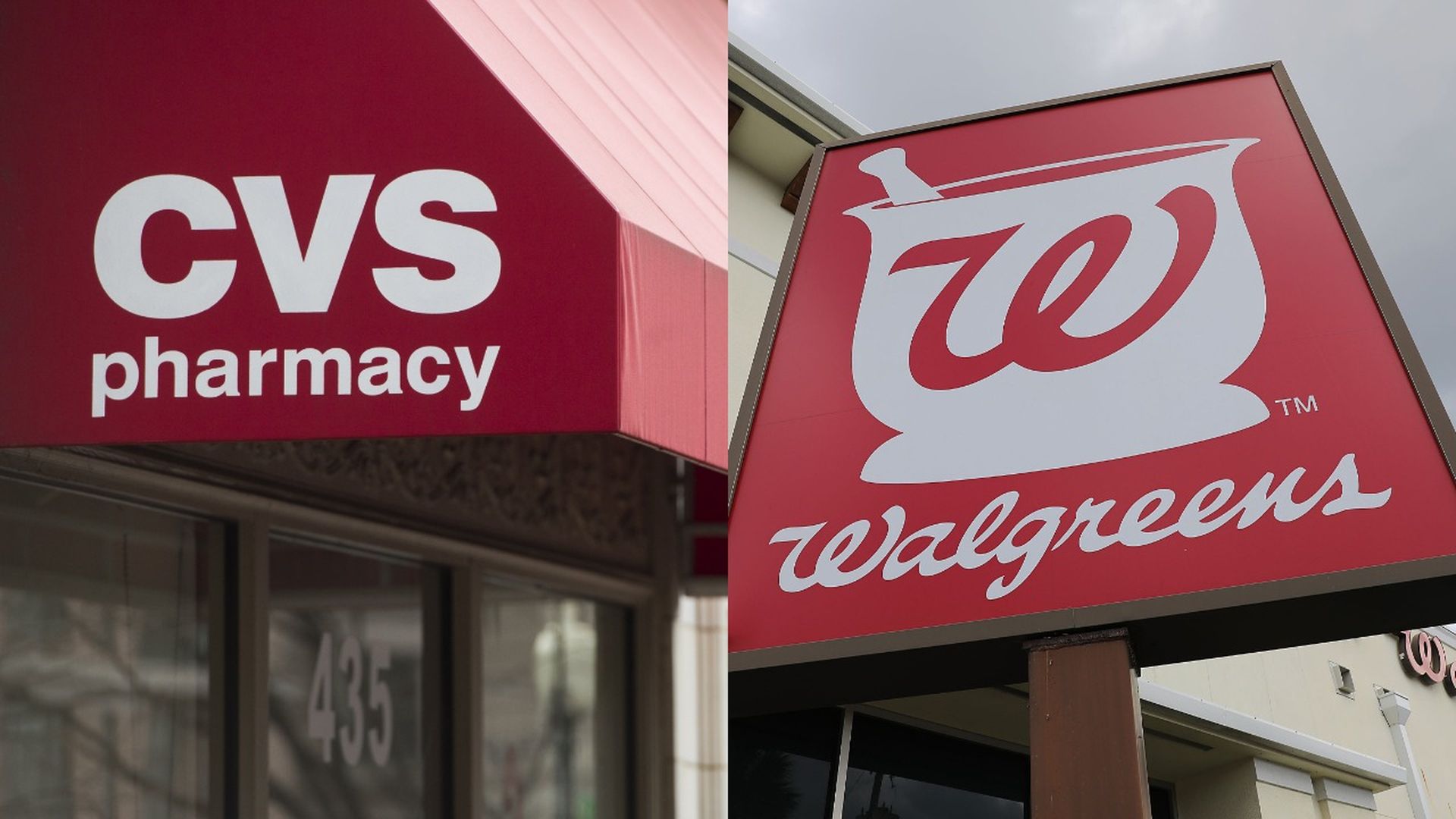
CVS and Walgreens both announced Thursday that they are asking customers to no longer openly carry firearms in their stores.
The big picture: The changes follow a mass shooting last month that killed 22 at a Walmart in El Paso, Texas. Earlier this week, Walmart ended sales of ammunition for handguns andshort-barrel rifle ammunition that can be used with military-style assault weapons. Walmart also asked customers to no longer open carry in their stores, which was followed by a similar request by Kroger earlier this week.
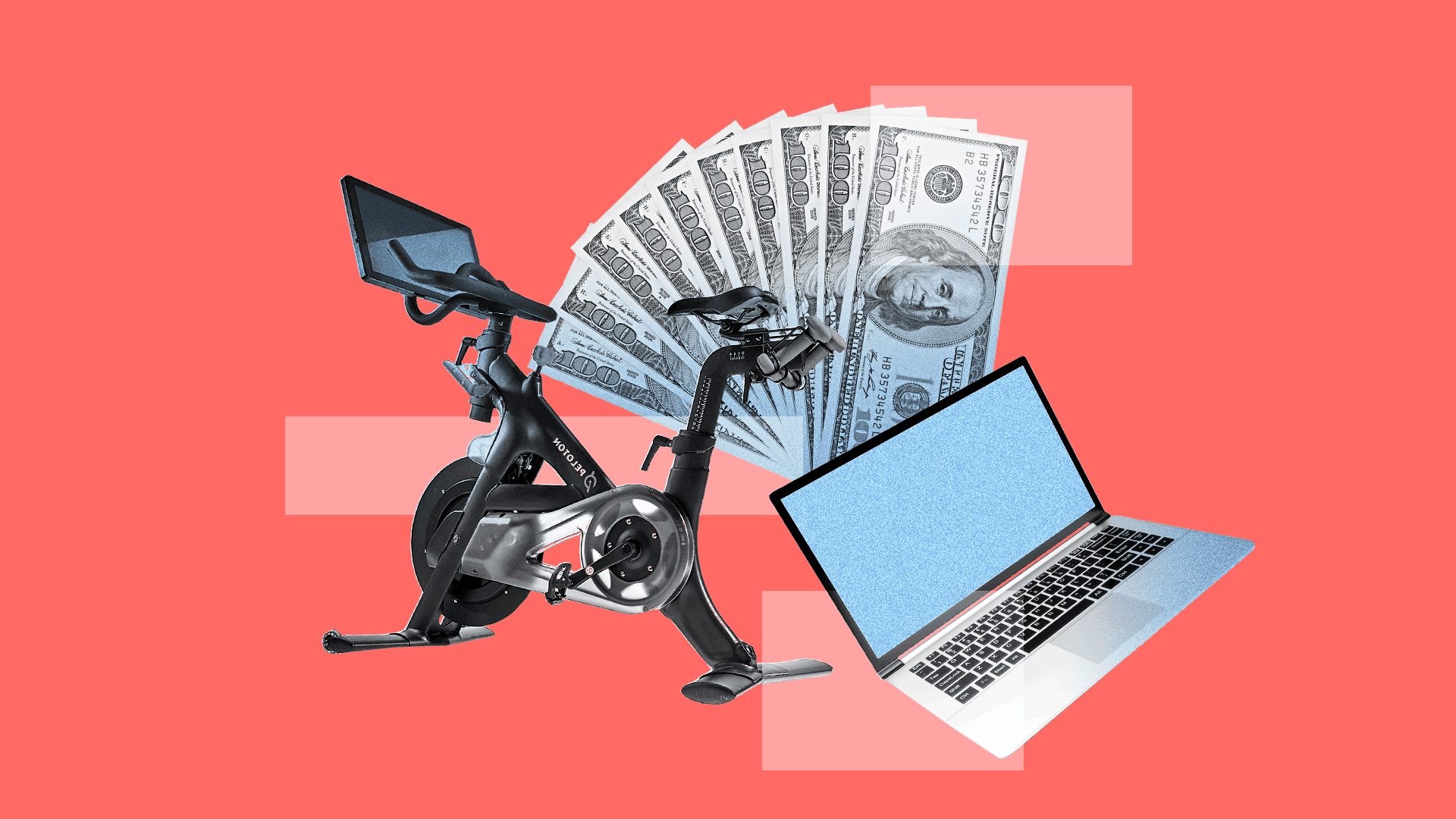
Apparently investors love to read IPO prospectuses in August, because both Peloton and WeWork unveiled their S-1 filings last month.
The big picture: The two companies are similar in that they both spend a lot of money on sales and marketing, which they then attempt to recoup over time with monthly payments from their customers.
We've all pulled out folding chairs to watch the post-Labor Day IPO parade. In particular, the floats from high-fliers like WeWork, Peloton, Cloudflare, DataDog, and SmileDirectClub.
Yes, but: Perhaps the most interesting IPO will take place 4,400 miles south of New York, in the tiny South American country of Guyana. The issuer is Pomeroon Trading, an upstart coconut and spice farm co-founded by a Stanford Business School graduate named Duncan Turnbull.
The private sector added 195,000 jobs in August, surpassing economists' expectations of 140,000 jobs, according to a report released Thursday by ADP and Moody's Analytics.
Why it matters: The labor market — largely viewed as the steadiest part of the economy — appears to remain intact. The ADP report, which doesn't include government jobs, is viewed as as a tee-up of what's to come from the official jobs release from the Bureau of Labor Statistics on Friday.
Walmart's decision earlier this week to stop all sales of handgun and short-barrel rifle ammunition — as well as prohibiting open carry in its stores — was met with positive reviews on Wall Street, where its stock climbed more than 1% on Wednesday, and data suggests it may have more room to run.
By the numbers: Research firm CivicScience's survey of 1,986 U.S. adult Walmart shoppers found that under the open carry changes, 29% are more likely to shop in Walmart stores and 22% are "much more likely" to shop there.
Fears of a global recession are scaring U.S. companies, pushing them to use excess capital to reduce debt and add to cash reserves, rather than levering up and making risky bets as they have in the past.
Why it matters: This newfound corporate responsibility, motivated largely by fear, could help insulate the economy from another damaging recession.
The majority of U.S. adults in a new poll by Edelman Intelligence would feel more favorably toward a company whose CEO backs tougher background checks for gun purchases.
Why it matters: CEOs traditionally were reluctant to wade into polarizing issues, but they face pressure from shareholders, employees and customers to show their values.
A new report funded by the American Hospital Association claims hospital mergers result in better care and savings for patients. But every other independent study shows the exact opposite — that hospital mergers lead to less competition and higher prices.
Why it matters: Hospitals represent the largest chunk of U.S. health care spending. And hospitals are acquiring more market power and commanding higher prices — bills that every American pays for in some part.
China’s Commerce Ministry said in a statement Thursday that its trade representatives will fly to Washington, D.C., in early October to resume stalled trade talks with the United States, the Washington Post reports.
Why it matters: Per Axios' Neal Rothschild, President Trump's trade war has led to bigger trade deficits with China, even though it was intended to improve the trade balance. It's dented consumer sentiment, and the International Monetary Fund has said the prolonged trade tensions were weighing down the global economy.
Walmart is exiting much of its firearms business, but entering the gun control debate. Dan digs into the collision of politics and business with Bloomberg retail reporter Sarah Halzack.
Starboard Value, an activist investor, disclosed a 7.5% stake in Box, making it the cloud content management company's third-largest shareholder.
Why it matters: Because Box had become a Silicon Valley poster child for "good" corporate governance, last year eliminating the dual-class stock structure it had gone public with in 2015. But now Box is facing the exact scenario that dual-class structures were designed to protect against.
Most business reporters didn't see the Great Recession of 2008 coming, and political media knew Hillary Clinton would win.
Why it matters: As recession signals flash once again and the 2020 election looms, they're both over-correcting — afraid of missing the world's biggest story — again.








/2019/09/04/1567629311793.gif?w=3840)