Chipotle's stock has surged by nearly 200% since Brian Niccol was announced as the company's new CEO, more than any other stock in the S&P 500.
Driving the news: Shares got another boost Tuesday after the company beat earnings expectations and rose to their highest price ever. The stock jumped 4% in after-hours trading and is now up more than 70% for the year.
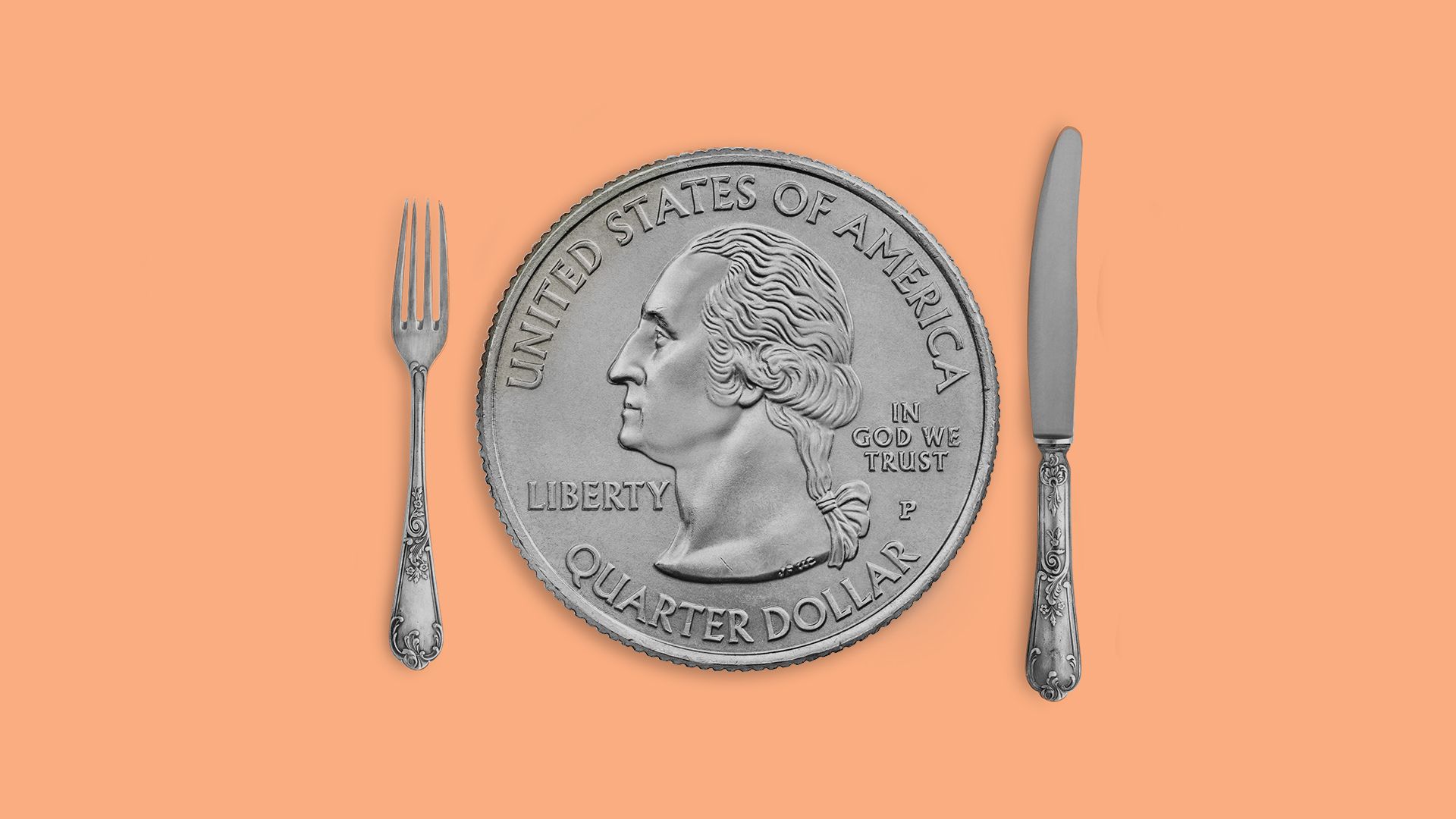
Market participants overwhelmingly expect a 25 basis-point cut from the Fed at this month's policy meeting, but positioning has varied wildly over the last 2 months.
The big picture: Comments from Fed chair Jay Powell during a speech in Paris pushed the likelihood of a 50-point cut as high as 60% in mid-July, despite strong data prints on U.S. retail sales, unemployment and industrial production. Fed fund futures prices now show investors see just a 14% chance the central bank cuts rates by 50 basis points to a range of 1.75%–2.00%, according to data provided by Deutsche Bank Securities.
The first half of the year has been weaker than expected for the global economy, and the main cause is a significant slowdown in manufacturing and trade.
What's happening: The IMF wrote down its global growth expectations for the third time this year, pointing squarely to the U.S.-China trade war that has thrown a wet blanket on cross-border trade and investment, sending manufacturing into a recession in the U.S. and in an increasing number of countries around the globe.
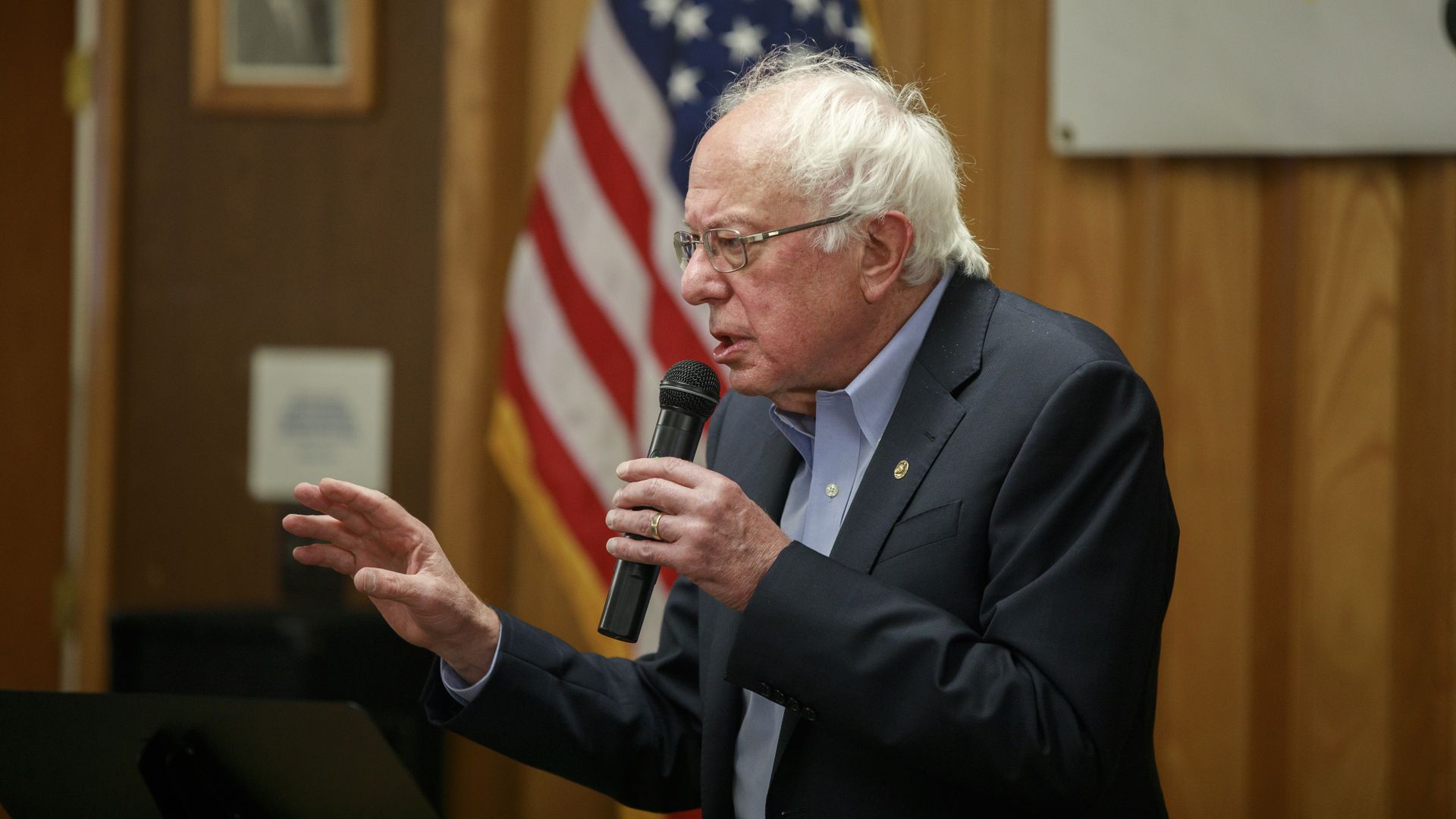
An unnamed individual in Indiana filed an unfair labor practice complaint against Sen. Bernie Sanders' 2020 campaign last week, alleging retaliation against staffers and illegal employee interrogation, Bloomberg reports.
The big picture: Sanders' campaign — which was the first in the 2020 race to unionize — reached a deal with its union on Tuesday to pay field organizers at least $15 an hour. The complaint, which could have been filed by anyone inside or outside the campaign, follows a recent Washington Post report that showed Sanders' field organizers were being paid less than $13 per hour, on average.
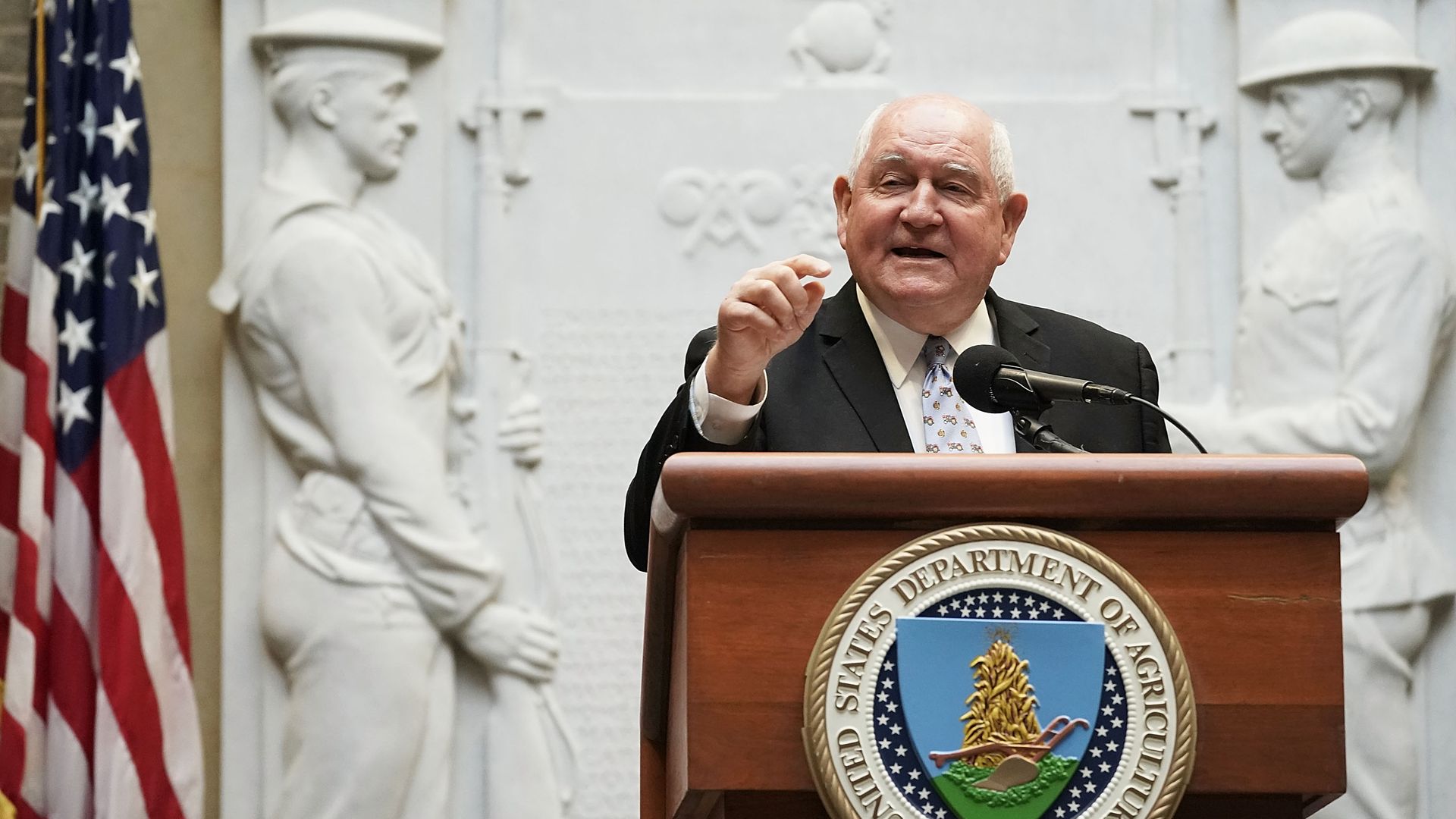
Agriculture Secretary Sonny Perdue said Tuesday the U.S. government would pay a minimum of $15 per acre in aid to farmers impacted by President Trump’s trade war with China, Reuters reports.
Why it matters: The trade war has been crippling for U.S. farmers. Illinois Soybean Association CEO Craig Ratajczyk told Reuters the $15-per-acre minimum would make agricultural lenders more comfortable and "help provide some type of stability for that type of lending institution."
The consumption habits of the modern sports fan is once again a hot topic following Northwestern coach Pat Fitzgerald's mini-rant about college football's declining attendance.
My thought bubble: Is anyone surprised that this is where we ended up? Because this was always where we were headed. For decades, schools and conferences have been making decisions that benefit the TV viewer because that's where the eyeballs are.
DoorDash is gettingrenewedheat over its pay model for delivery workers, whereby customer tips can be included in guaranteed minimum earnings. Critics argue this is consumer deception, although it's fairly similar to the "tipped wages" earned by waiters in certain states.
Why it matters: It's a reputational mess for DoorDash, as the "unicorn" tries to prove that its business model can work beyond billions of dollars in venture capital subsidies.
Patch, the hyperlocal (and profitable) digital news platform, is doubling down on digital transactions as it seeks to pull further away from advertising as a sole revenue source, Patch CEO Warren St. John tells Axios.
Why it matters: Scaling a high-margin revenue stream that's not contingent on page views (the way advertising rates often are calculated) is critical in local news, because truly local news is usually only relevant to small group of people.
The S&P 500's 19% year-to-date return this year is no reason to sell, especially in light of July's expected Fed rate cut, strategists from LPL Financial argue.
What they're saying: “Even though fundamentals may not justify the market going much above our 3,000 forecast on the S&P 500, with the Fed tailwind behind us, we’ll ride the wave for now,” LPL chief investment strategist John Lynch said in a note.
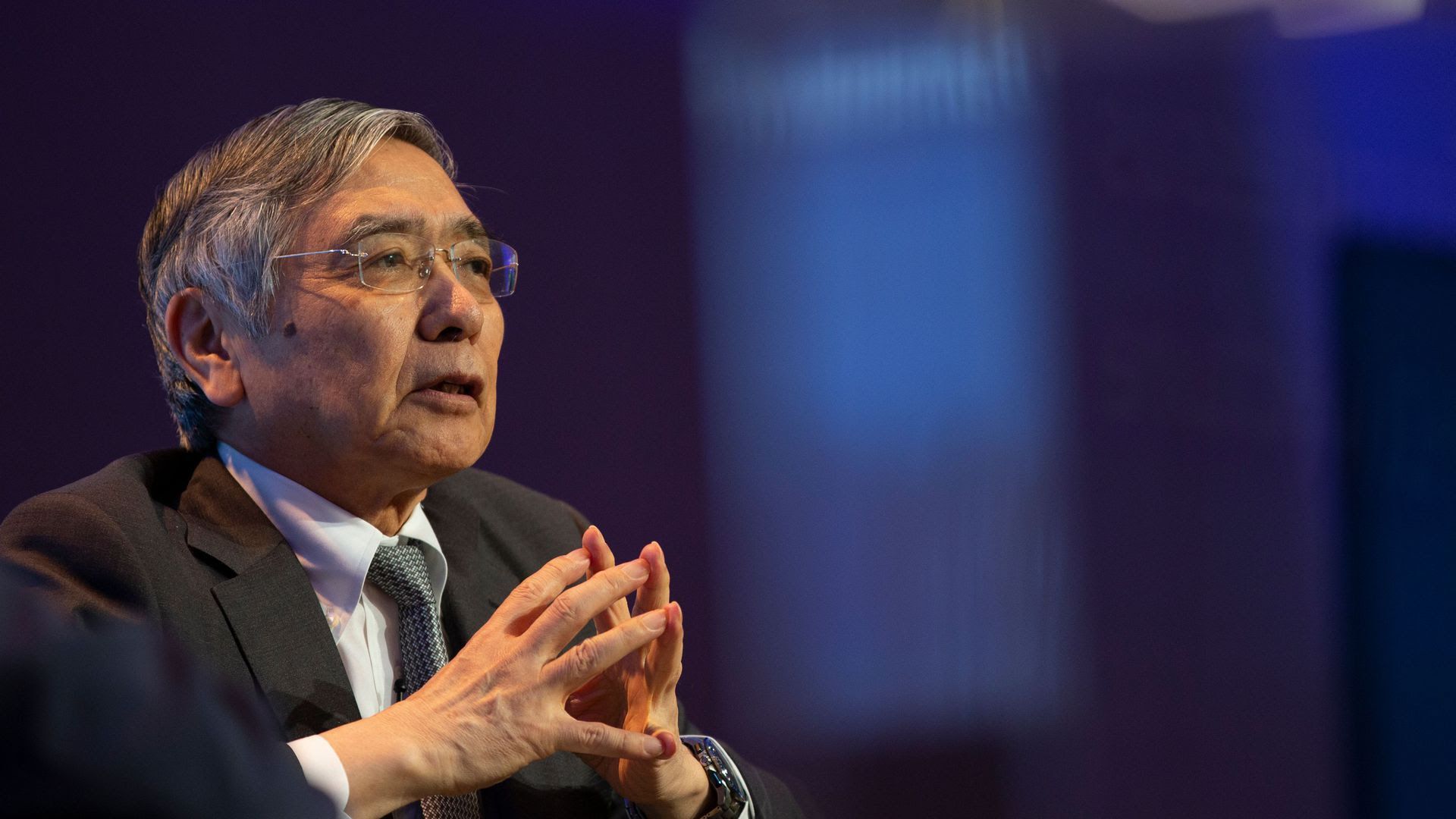
As the Fed approaches a likely rate cut at the end of the month — in the face of 50-year low unemployment, rising wages and strong consumer spending — it could not have been a better time for a visit to Washington from Bank of Japan Governor Haruhiko Kuroda.
What it means: Kuroda has instituted some of the world’s most extreme and unorthodox monetary policies, including directing the central bank to buy Japanese stocks. More analysts are starting to believe such policies will be adopted in other places, including the U.S.
Gannett Co, the largest newspaper owner by circulation in the U.S., and its rival GateHouse Media, the largest newspaper owner by number of papers in the U.S., are currently in talks to merge, The Wall Street Journal reports.
Why it matters: The combination of the two publishing powerhouses means that a single company would own 1 in every 6 newspapers in the United States.
With five months left in the year, 2019 has already set the record for the highest number of television blackouts in history, according to new data from the American Television Alliance (ATVA).
Why it matters: The programming blackouts are happening as a result of an increase in disputes between TV networks and their distributors — mainly cable and satellite companies — over how much networks should charge distributors for the right to air their content.


/2019/07/24/1563968490679.gif?w=3840)