Sinclair Broadcasting has reached a $10 billion agreement to purchase 21 regional sports networks from Walt Disney Co., according to The Wall Street Journal, with a formal announcement coming as early as tomorrow.
Why it matters: The price is only about half of what was originally sought by Disney, which needed to sell the RSNs as a condition of its recent purchase of 21st Century Fox's entertainment assets. It's also is a huge boost to Sinclair, a right-wing local broadcaster that last year was blocked from buying Tribune Media after allegedly lying to the Federal Communications Commission.
President Trump on Thursday signed the America's Cybersecurity Workforce executive order aimed at bolstering the cybersecurity labor pool.
Why it matters: While estimates vary, the growing global shortage of cybersecurity practitioners will be as much as 3 million by 2021. For the government, which cannot compete with the pay scales of the private sector, that could cause a national security problem.
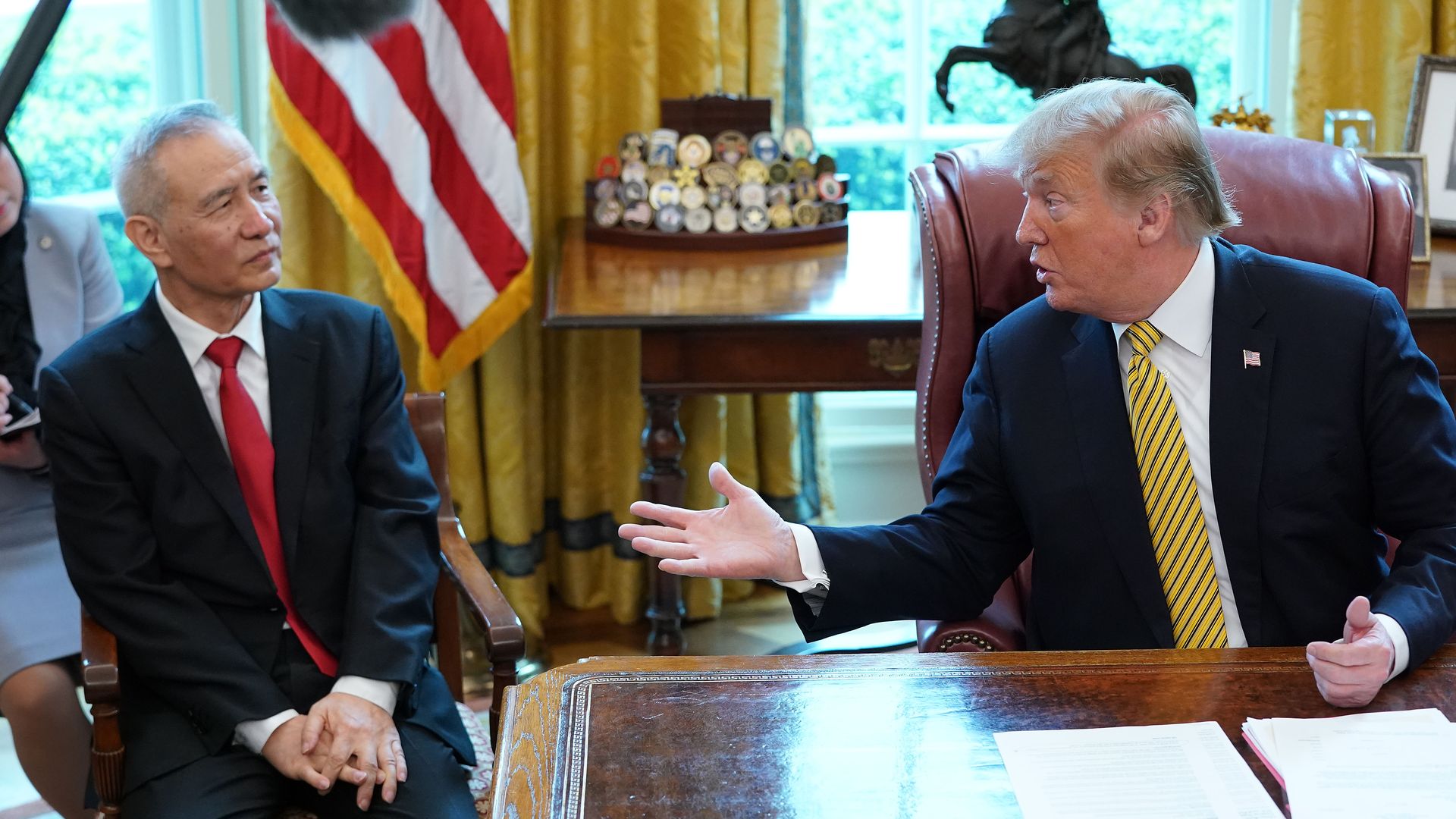
The Trump administration is dropping its trade negotiations demand that China cease hacking U.S. companies to steal intellectual property, according to the Financial Times.
Why it matters: Per the report, President Trump's team is softening its positions in order to finish a deal by the summer. But Chinese intellectual property theft is a multibillion-dollar drain on U.S. industry.
Public market investors continue to grumble over how many big new tech IPOs are designed with dual-class structures that give disproportionate voting control to founder/CEOs.
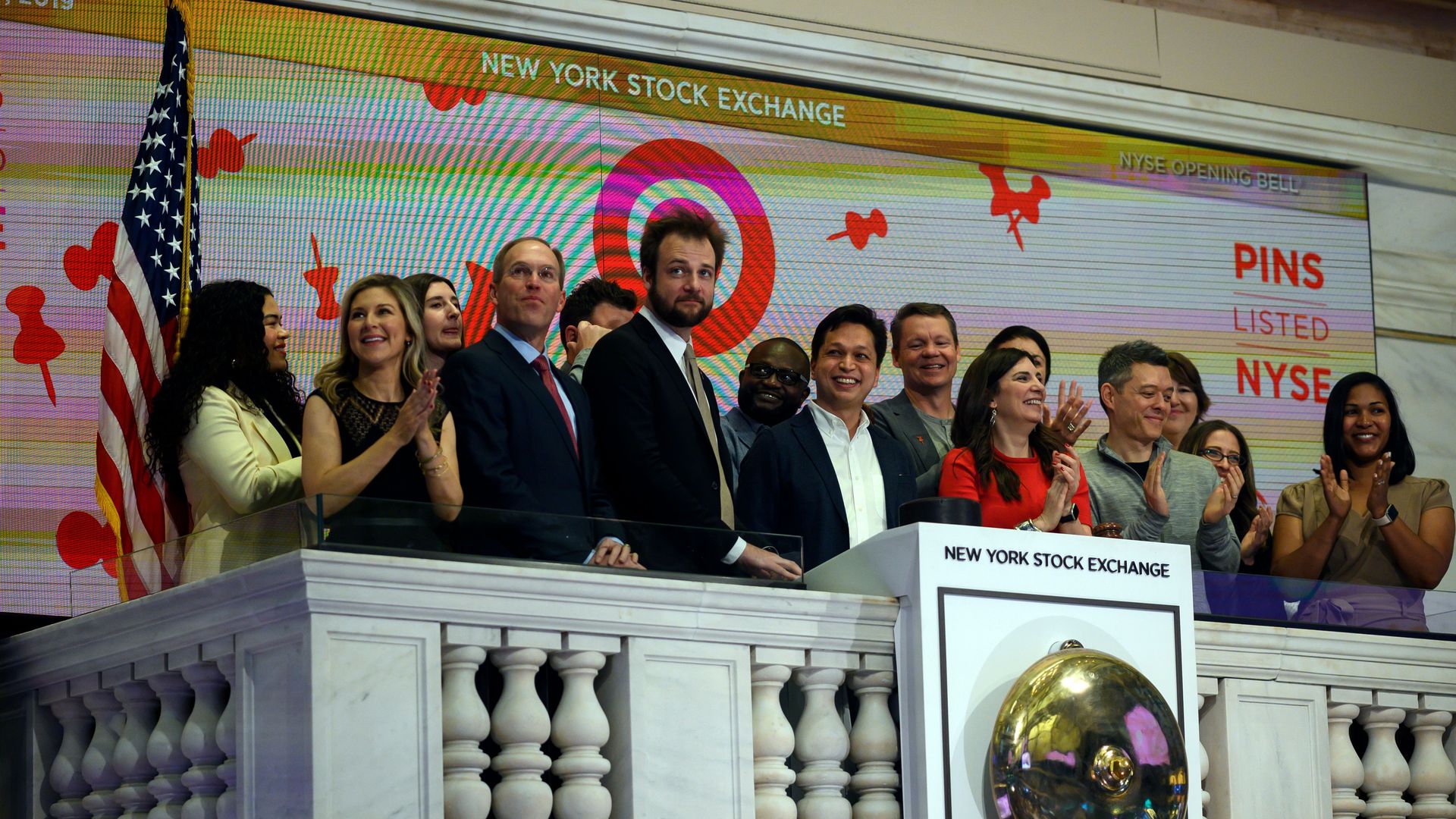
Details: Recent examples include Lyft, Pinterest, Zoom Video and Slack. Uber is using a single-class structure, in part because its founder/CEO is now its founder/ex-CEO.
The cost of U.S. mutual funds and ETFs shrank last year by the second largest amount on record, saving investors $5.5 billion, according to a new study from Morningstar.
Typically, stocks rise because investors are buying them, increasing prices. But that's not what's happening in 2019.
What's new: U.S. equity prices are soaring to record highs, with the S&P 500 up 17% and the Nasdaq up 21% in just 4 months. But not only are investors not buying, they're selling.
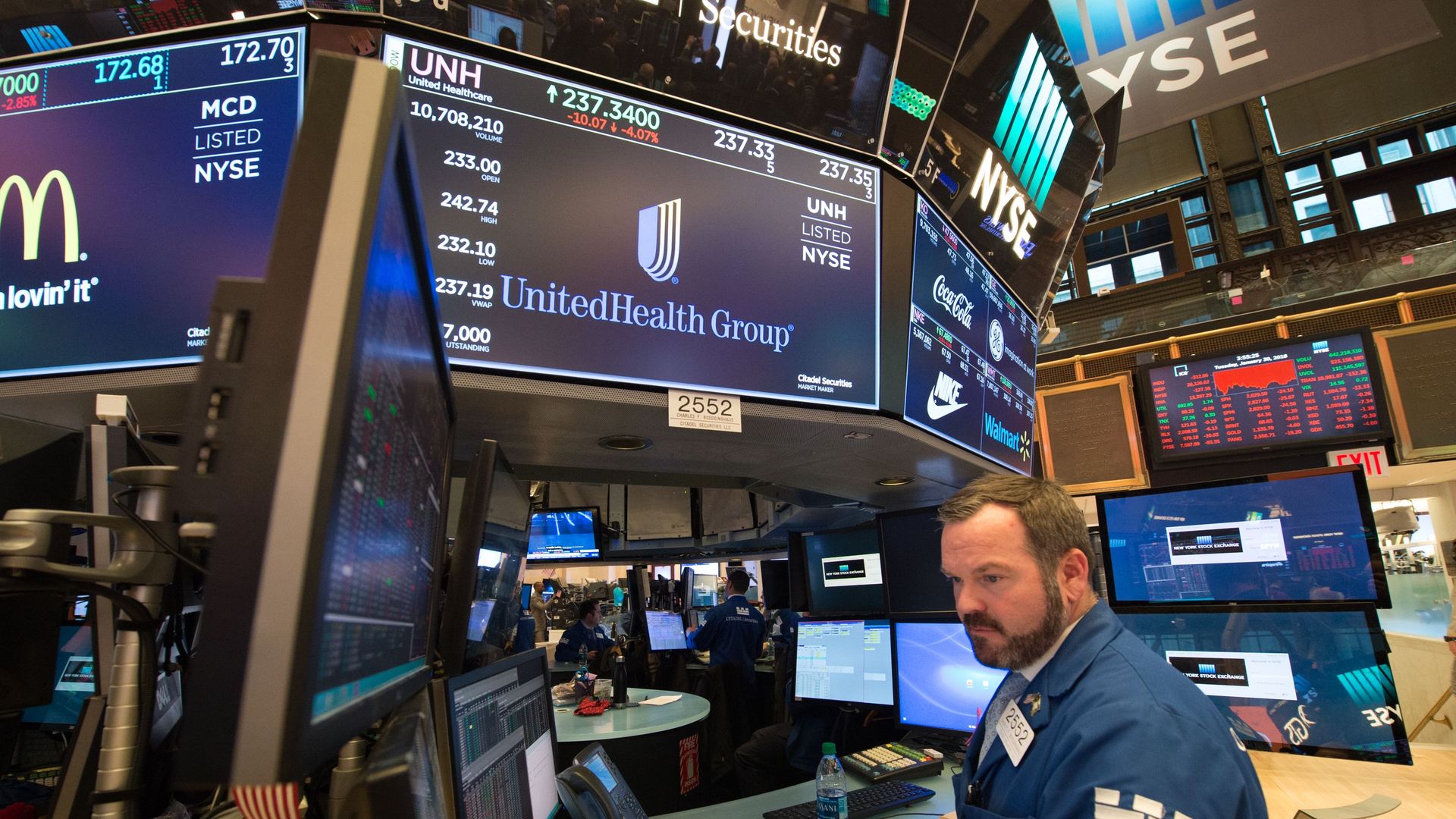
Many of the largest health care companies — including UnitedHealth Group, HCA Healthcare, Anthem and Humana — have reported blowout profits in the first quarter. And yet, the industry's stocks continue to take a pounding on Wall Street.
Between the lines: Stock prices of health care companies have consistently outperformed broader indices over the past several years, so some pullback is natural. But stock prices also are a reflection of future value, and everything from rising support of "Medicare for All" to drug pricing regulation is clouding what future profits will look like.
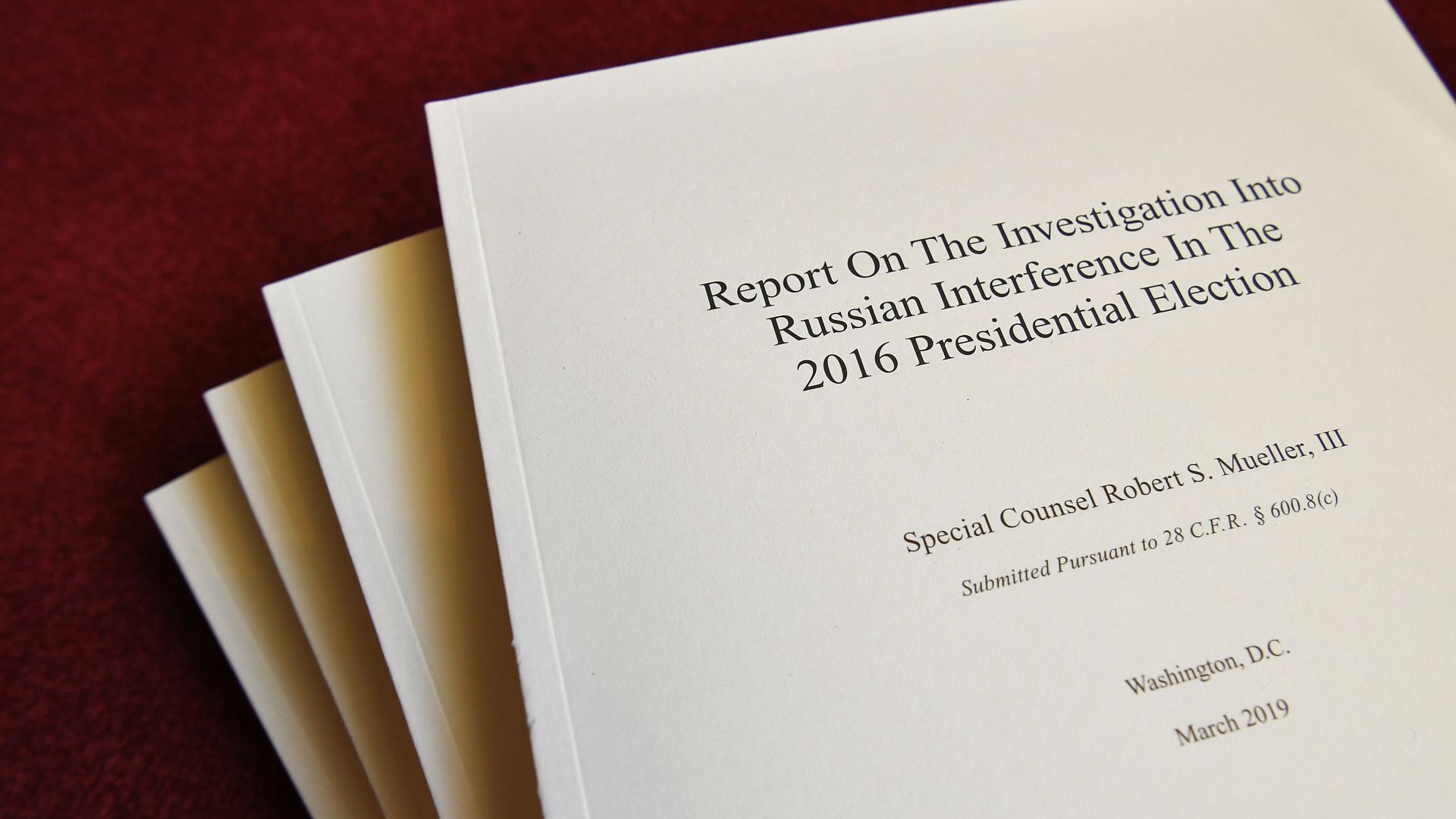
The Washington Post and Scribner's book edition of The Mueller Report, published on April 19, climbed to the top of the New York Times' Best Seller list, debuting at No. 1.
Quick take: The acknowledgement reflects sales for the week of April 22-27. Publishers were quick to distribute the redacted report, even noting it is available for free online. The print copy includes Mueller's most relevant findings, a timeline of events, a list of players wrapped up in the investigation, and Attorney General William Barr’s 4-page letter to Congress sent on March 24. Investigative reporters Rosalind S. Helderman and Matt Zapotosky — both with The Washington Post — produced an introduction based on their extensive coverage of the nearly 2-year special investigation.
Members Exchange (MEMX) will launch the previously announced stock exchange in the first half of next year, as it begins the process to secure an exchange license from the SEC "shortly," Jonathan Kellner, in his first public comments as CEO of MEMX, said at the Milken Conference.
Why it matters: There are few details about the venture so far, including how much cheaper its model will be versus the existing stock exchanges. MEMX — backed and owned by a group of major Wall Street firms— promises to be a less costly alternative to challenge the stock exchange business dominated by Nasdaq and New York Stock Exchange parent Intercontinental Exchange. "There is room for competition and there needs to be competition," Kellner said.
On Wednesday morning, Axios Executive Editor Mike Allen interviewed Anthony Scaramucci at the China Business Conference at the U.S. Chamber of Commerce about the president's next moves on China and how to make sense of Trump's behavior.
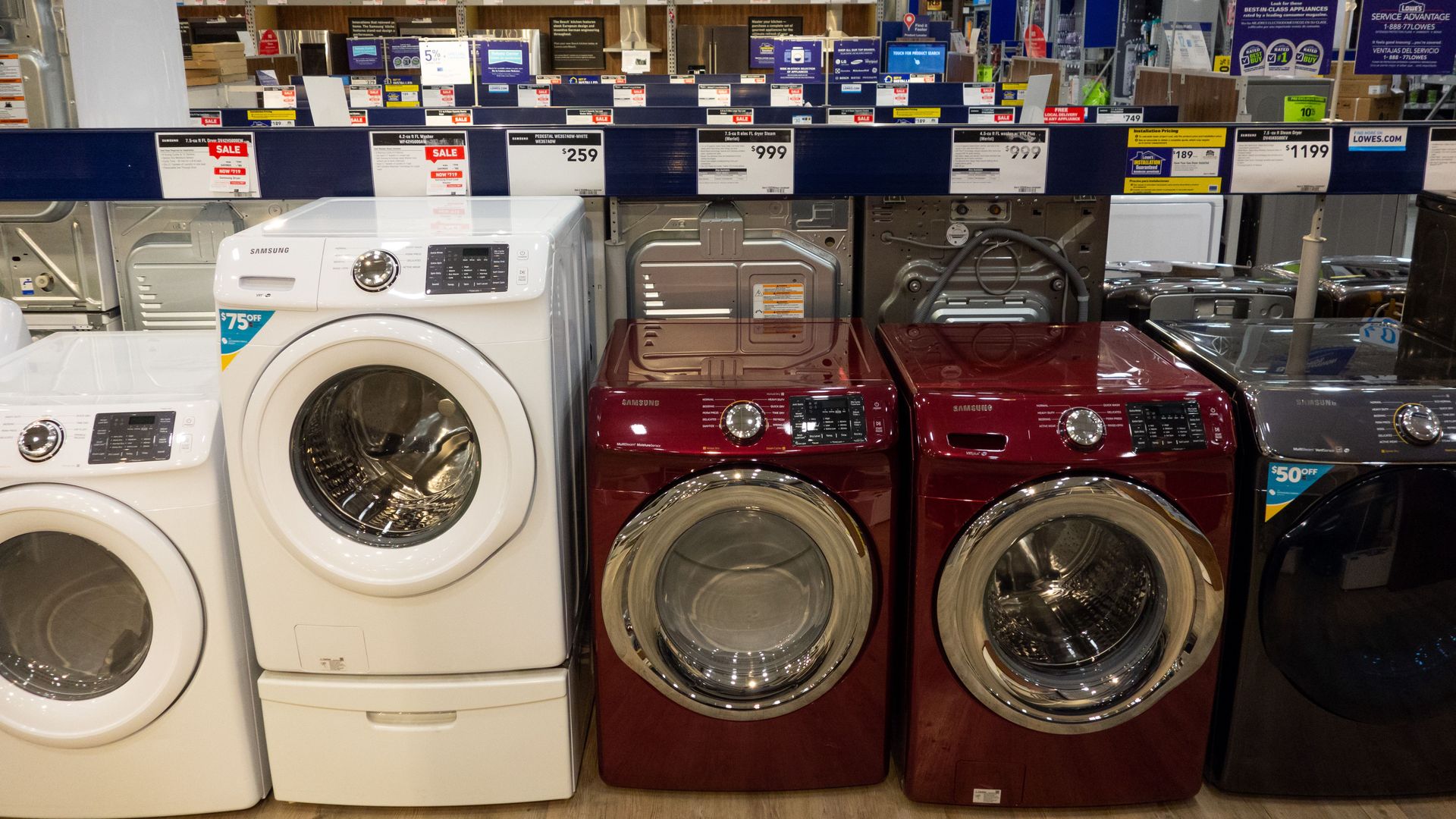
American consumers are paying more for washing machines and dryers as a result of the tariffs Trump imposed in January 2018, NBC reports.
Details: A recent study from the University of Chicago and a Federal Reserve Board governor found that washing machines cost an average of 12% more per appliance, or about $86 to $92 more, after Trump's tariffs on imported machines went into effect. That's both a result of the increased cost of imported machines and because domestic manufacturers like Whirlpool are raising prices.
Meal prep company Blue Apron noted a profit in its first quarter earnings report yesterday, but it wasn't enough for investors who sold the stock after the report.
The big picture: It looks to be too little, too late, the Wall Street Journal's Elizabeth Winkler reports, "As the company has struggled, many employees — including all three of its founders — have left. The company’s market value of around $220 million is just one-tenth of what it was worth when it went public in June 2017."
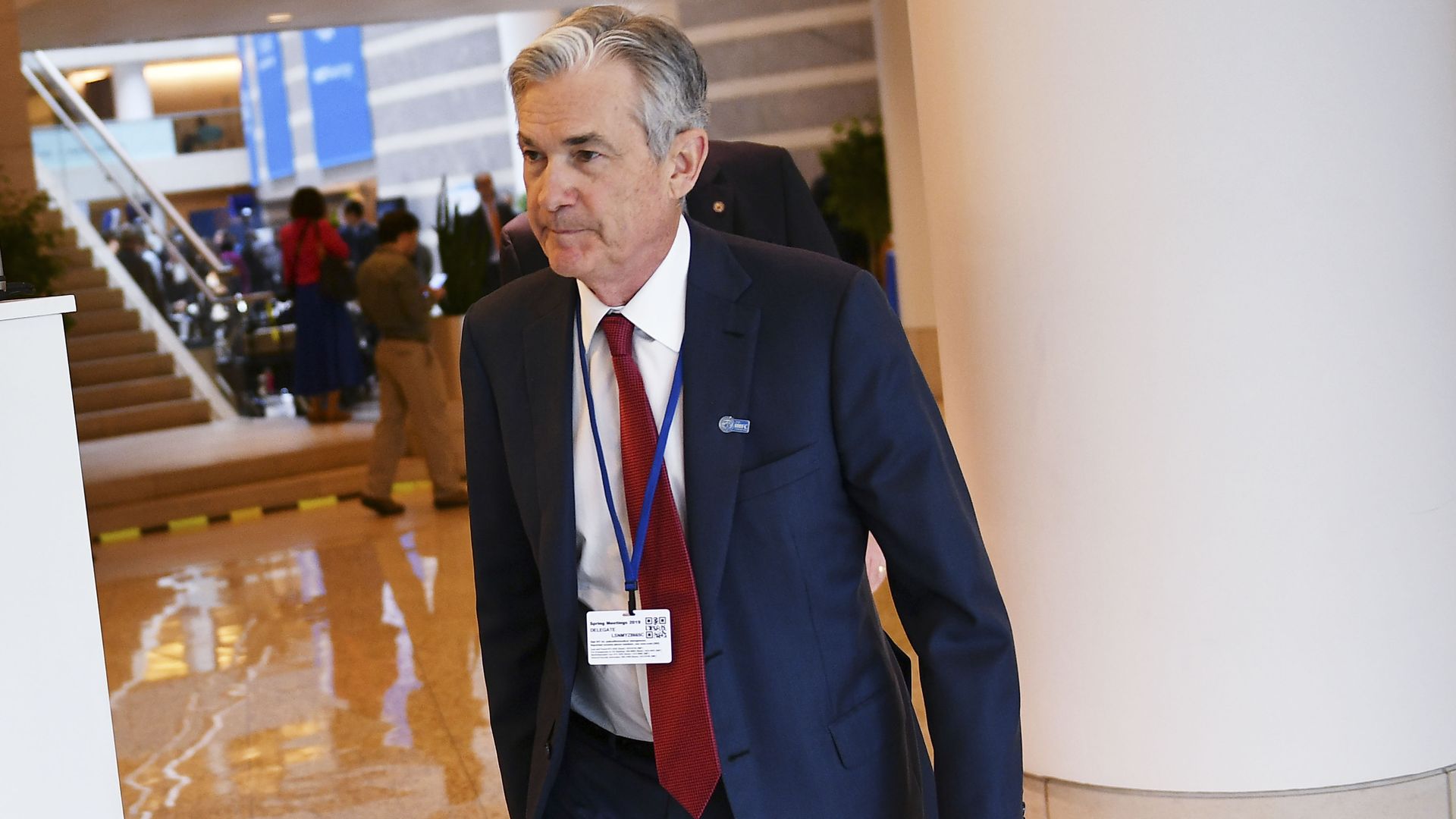
Investors are raising their expectations that the Federal Reserve will cut rates at least once this year, ahead of today's Fed policy meeting.
Driving the news: Fed funds futures prices show traders see a 65% chance the Fed cuts rates at least once this year and a greater than 20% chance of 2 rate cuts, according to CME Group's FedWatch tool. Bets on more than 1 rate hike have picked up notably over the past month.
The New York Times, in an editorial sparked by an "appalling" cartoon that ran last week in the paper's international edition, warns of numbness to the creep of anti-Semitism — "to the insidious way this ancient, enduring prejudice is once again working itself into public view and common conversation."
What they're saying: "This is also a period of rising criticism of Israel, much of it directed at the rightward drift of its own government. ... A particularly frightening, and also historically resonant, aspect of the rise of anti-Semitism in recent years is that it has come from both the right and left sides of the political spectrum."