Details: Moonves had $47 million in CBS stock before the allegations of misconduct hit, according to Variety. He was paid $4.6 million in 2018, which includes his salary, a retirement pension and part of his 2017 bonus.
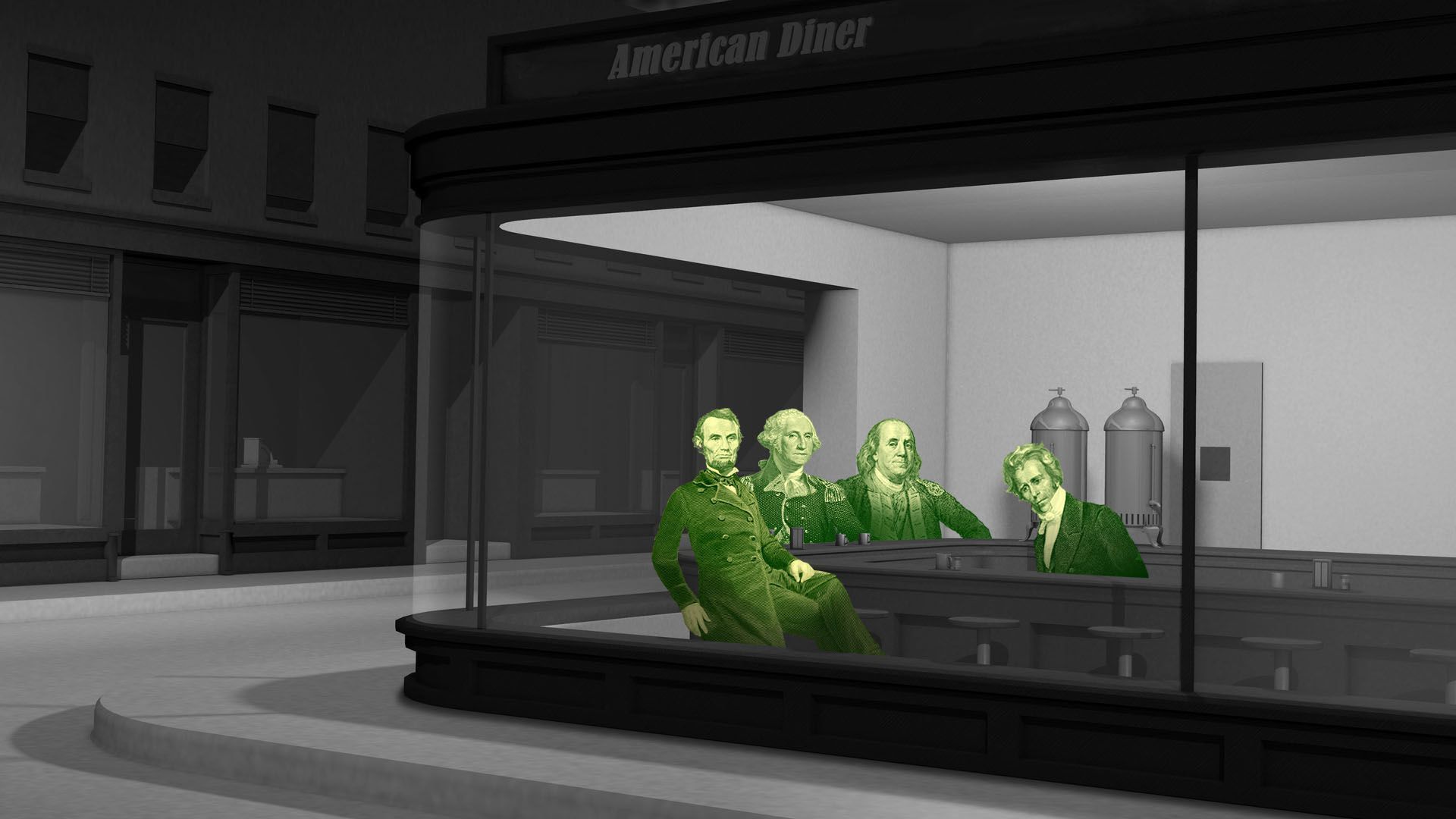
While Big Tech is increasingly on board with helping Americans emulate the rest of the world on cashless payments, there's a growing backlash at home against stores that don't take cash.
What's happening: The push against cashless is reaching companies.
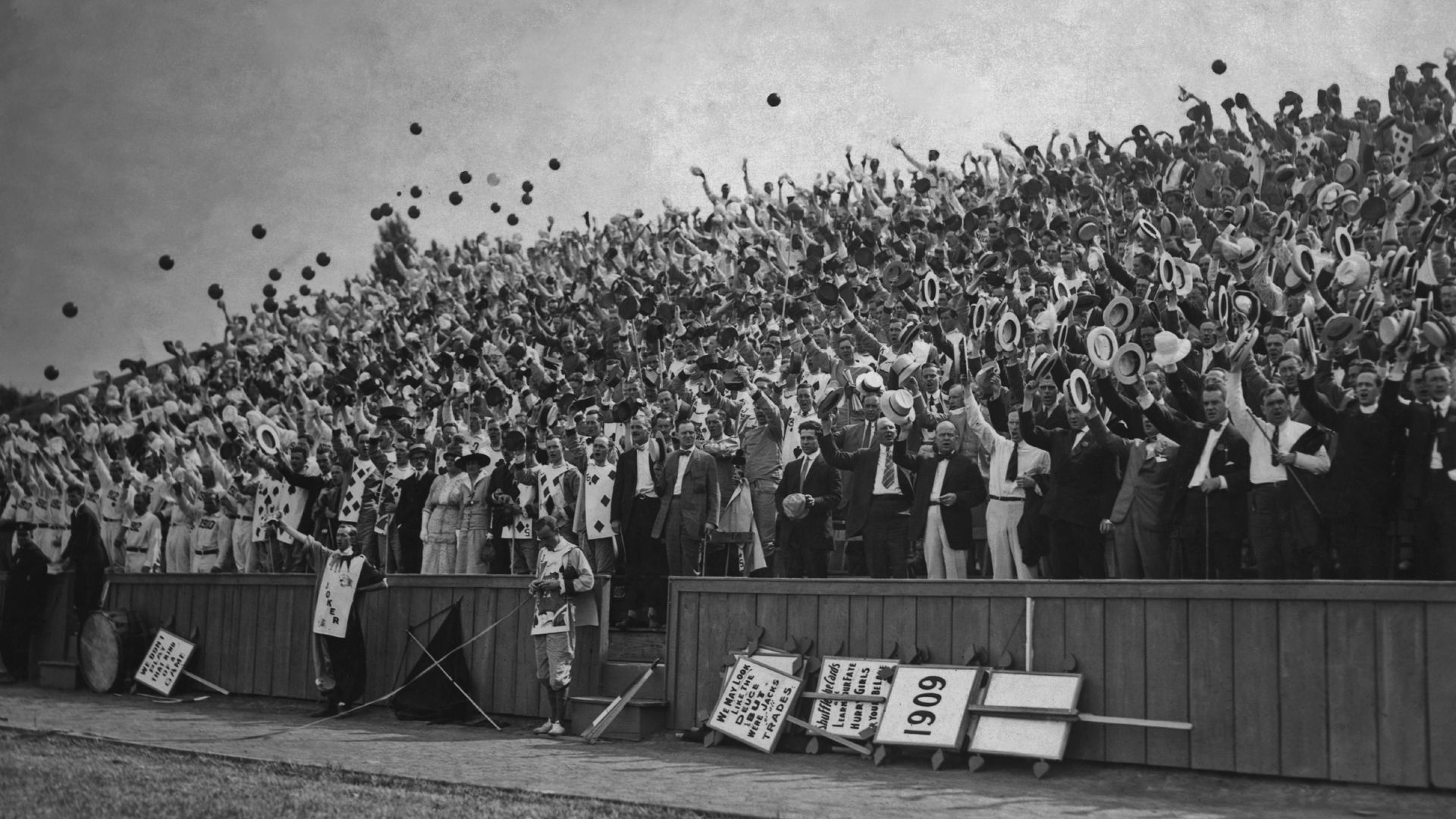
In 1869, at Harvard, Charles Eliot invented the college major as we know it — each student would be channeled into a specialized area of study, and move on to a stable, lifelong job.
The big picture: A century and a half later,American colleges pump out some 4.5 million new bachelor's degrees every year, but the context — the present and future of work — has changed entirely.
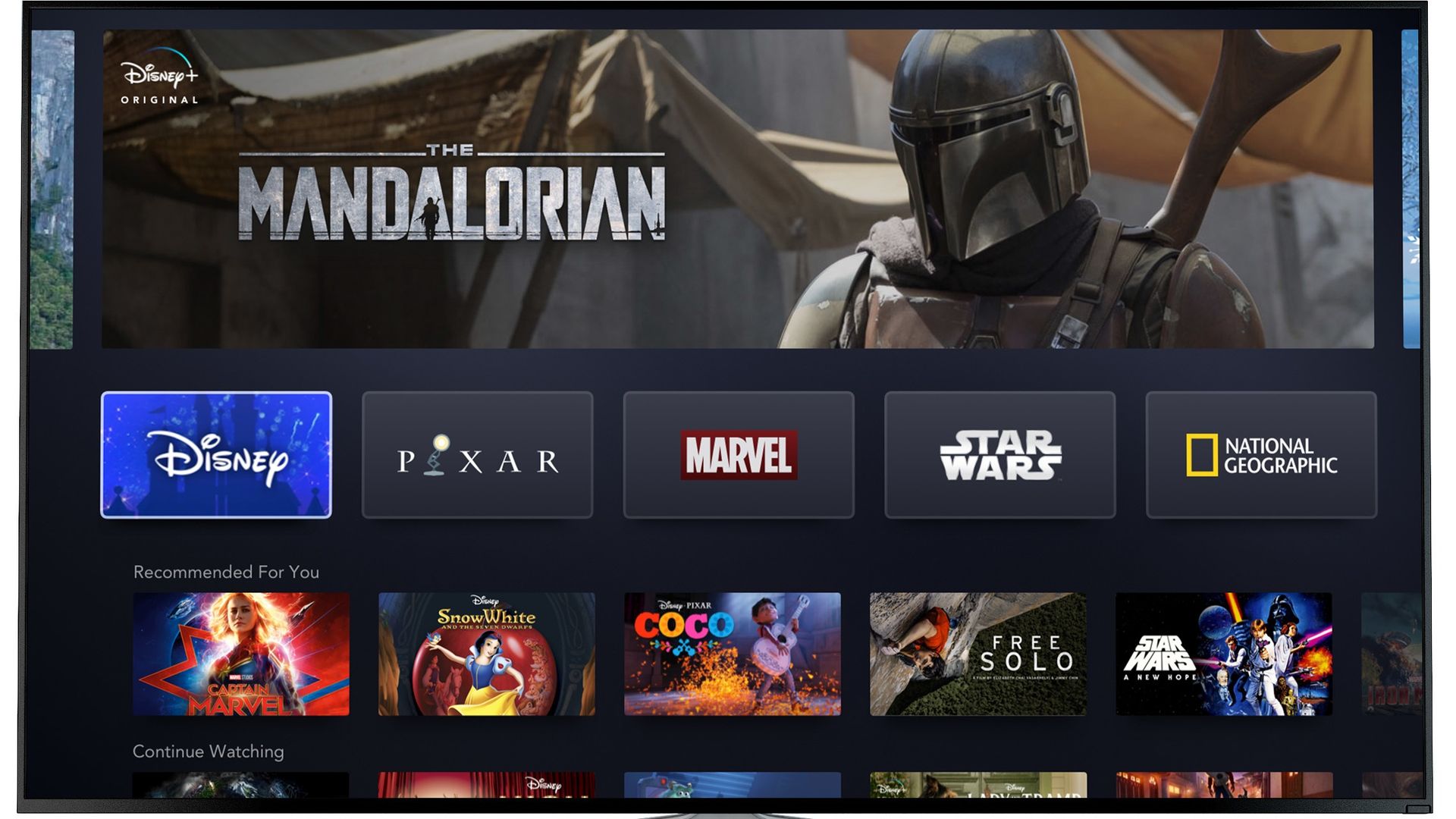
We now know what Disney's highly anticipated family streaming service, Disney+, will look like. On Thursday, executives touted an array of new and old programming that will be available exclusively on the app, as well as its plans to launch the service.
Bottom line: Disney is banking on its streaming plans to compete with tech giants like Netflix and Amazon for the world's attention and entertainment budgets.
Among the thorniest questions hanging over experts puzzling out the future of work is what kind of new jobs will be enabled by AI and robotics — and how many there will be, relative to the work that is likely to disappear due to automation.
The big picture: Some predict wild, new jobs, like "cyber calamity forecasters." But in the near term, one likely outcome — already beginning to play out — is that people will be asked to do work that was previously done by 2 or 3 people with very different skills.
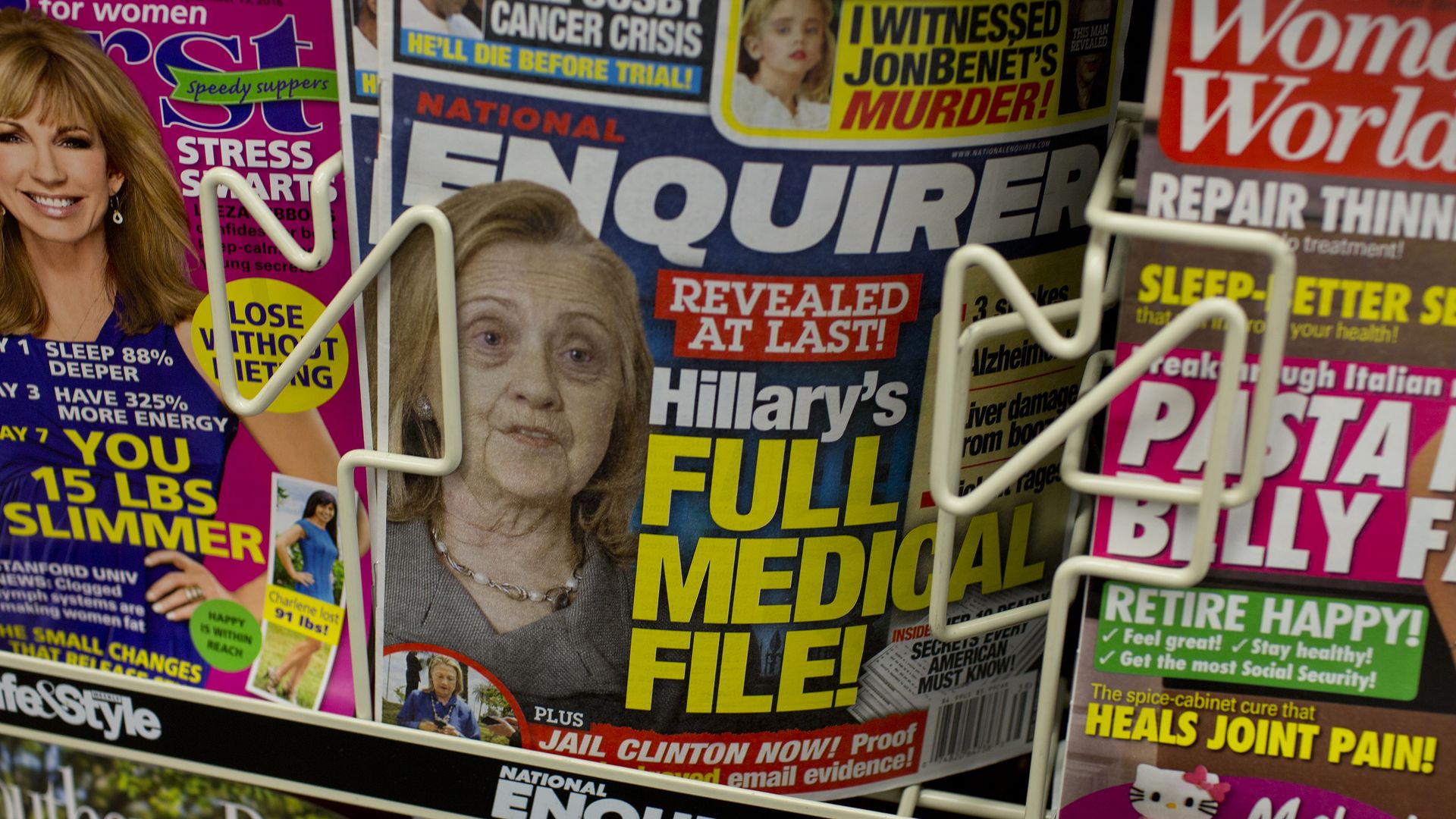
Background: While it has been reported that AMI is "disgusted" with the Enquirer's reporting methods, the company has also been dealing with financial difficulty after refinancing $425 million in bonds, according to Forbes. AMI's CEO David Pecker is also close friends with President Trump, and has been accused of using the Enquirer in 2016 to favor then-candidate Trump, per the Washington Post.
The gap between how many U.S. farms were profitable and those that weren't widened in 2017, according to the U.S. Department of Agriculture's first census since 2012, released Thursday.
Why it matters: The most in-depth government survey of the agricultural economy shows a downturn in conditions for farmers even before the start of President Trump's tit-for-tat trade war began, which has resulted in lower Chinese demand for U.S. commodities.
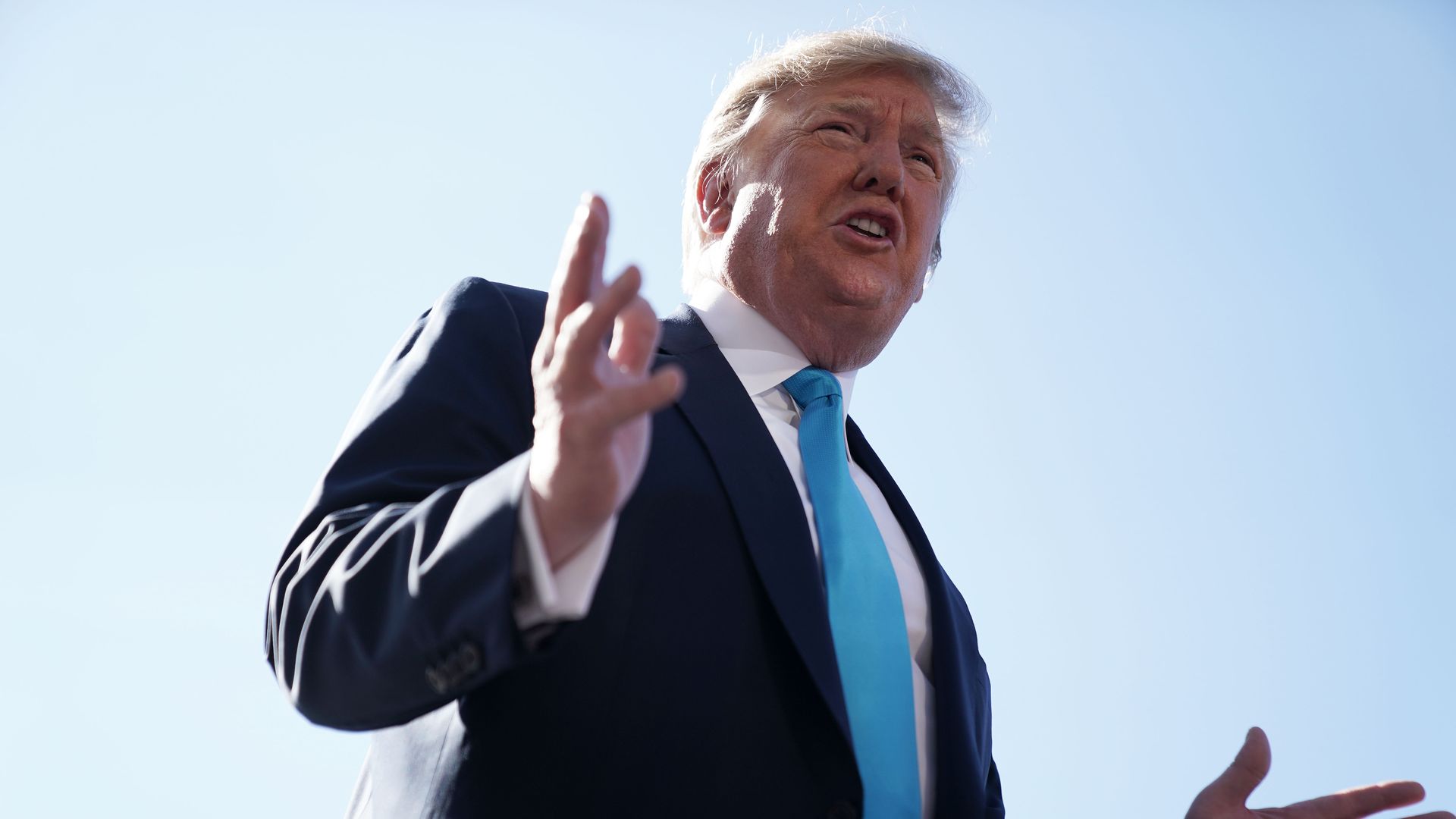
President Trump tweeted a screenshot of his approval rating Thursday morning from a segment on Fox Business' "Lou Dobbs Tonight" that incorrectly presented polling numbers from Georgetown's Institute of Politics & Public Service, New York Magazine reports.
Details: Georgetown found that 43% of voters approve of Trump and that 58% approve of the economy. Fox Business displayed the correct economy figure but incorrectly stated that Trump's approval rating is 55%. The executive director of Georgetown’s Institute of Politics and Public Service clarified that the 55% figure is actually Trump's disapproval rating.
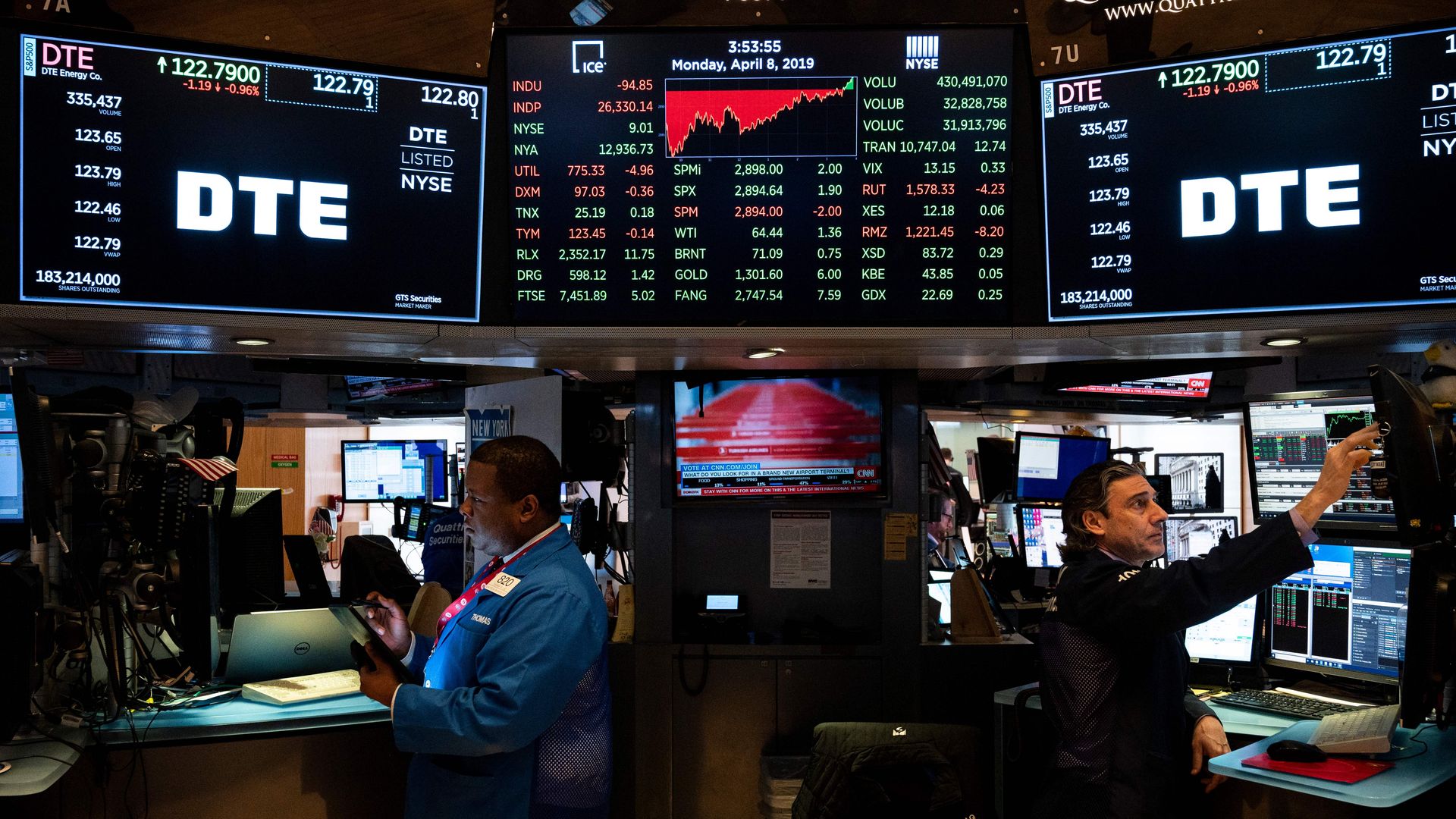
The ratio of U.S. companies that S&P Global has downgraded to the number it has upgraded this quarter is the highest on an annualized basis since 2016, the ratings agency reported this week.
The big picture: "While 2018 generally showed benign rating activity, 2019 has already seen pronounced downgrades, especially at speculative-grade rating categories, while downgrades among higher-rated issuers remain muted," said Diane Vazza, head of S&P Global Fixed Income Research, in a press release.
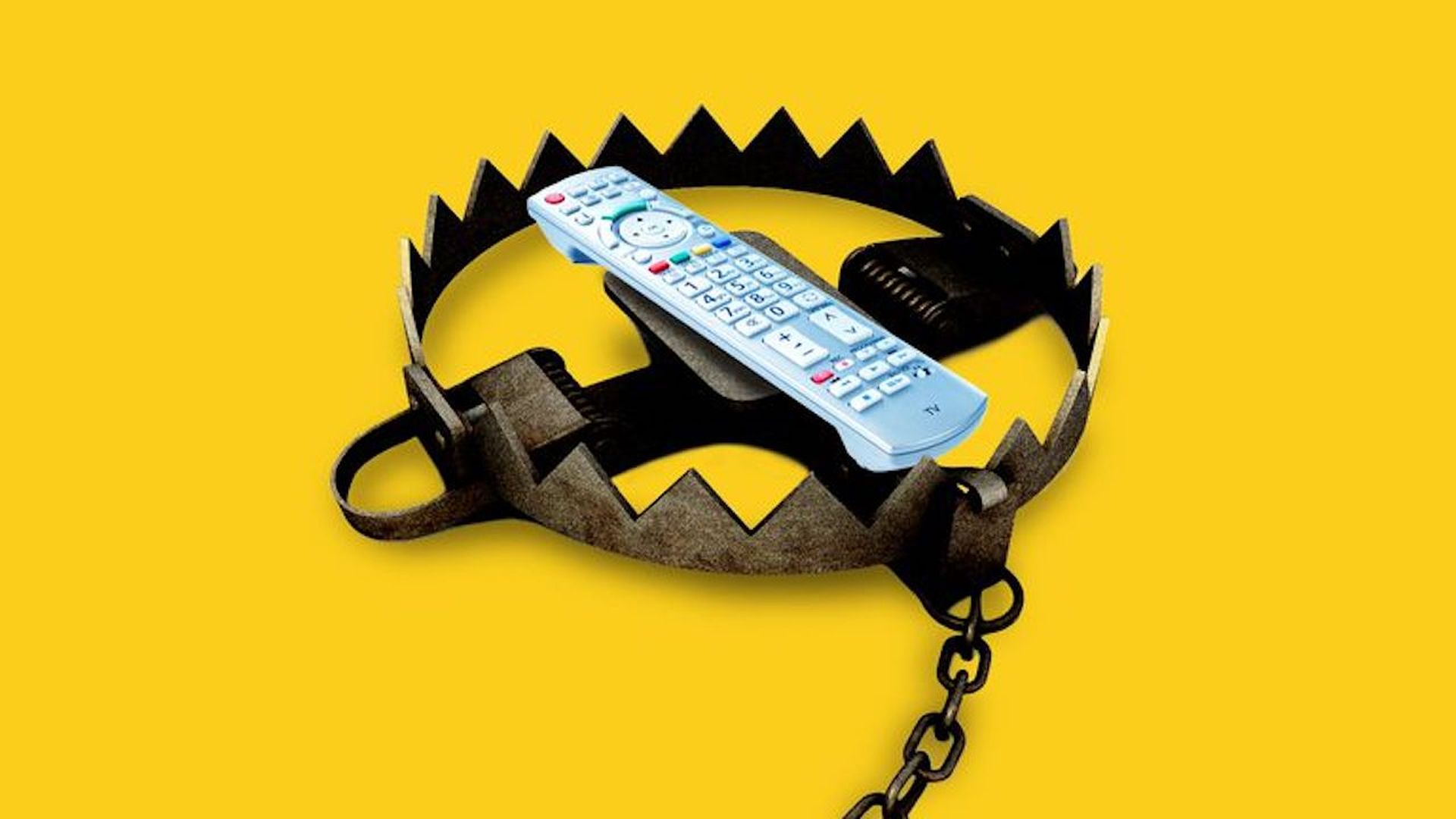
The cheap, digital live TV packages that Americans embraced in place of expensive cable packages are slowly becoming less of a bargain. Many of the popular "skinny bundle" live TV services, like Hulu with Live TV, YouTube TV and DirecTV Now, have increased their package prices this year.
Why it matters: The price hikes, which usually occur when skinny bundle packages add more channels, show that it's difficult for smaller digital TV packages to compete with the bloated and expensive pay TV packages that they sought to displace.
A primary complaint about the current U.S. economy has been the hollowing out of "middle-skill jobs" — the type of work that people with high school educations and substantial training could do and earn a "middle wage."
Be smart: But even if such jobs were restored,it would not mean a revival of America's battered middle class. That's becausemiddle-wage jobs largely do not pay a middle-class salary.