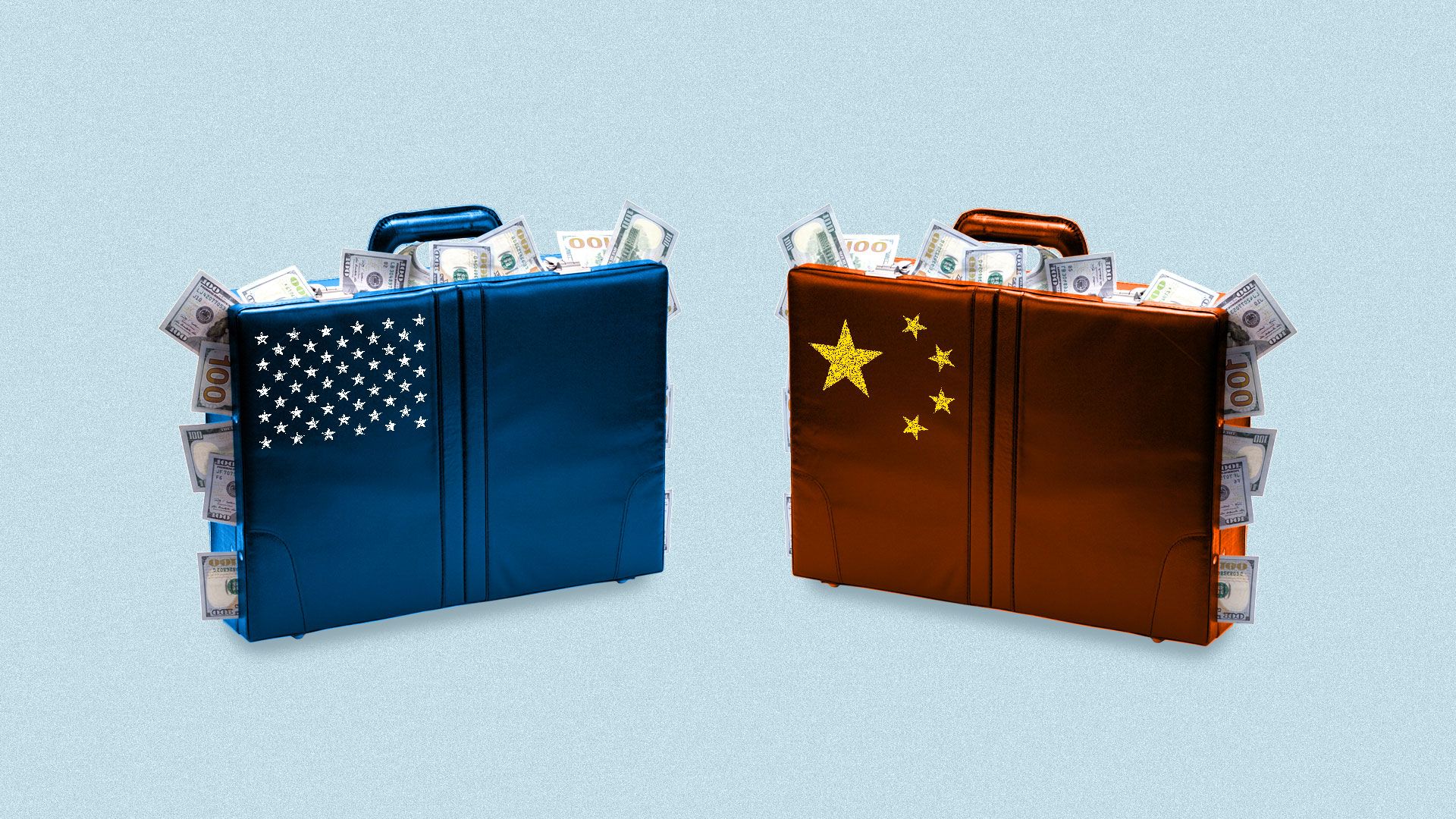
Upcoming meetings of the WTO, G20, APEC, OECD and other ad hoc coalitions could offer the U.S. an opportunity to secure a broader base of international support for meaningful and durable Chinese economic reforms.
Why it matters: U.S. negotiators have made notable progress on the most pressing trade issues with China, especially around intellectual property rights, forced technology transfers and industrial subsidies. But the Trump administration's parallel use of unilateral tariffs under Section 232 of the Trade Expansion Act has rankled longtime U.S. partners.
Sony shares jumped 8% after Reuters' Svea Herbst-Bayliss and Liana Baker reported that activist investor Daniel Loeb’s hedge fund Third Point was building a stake in the company to push for changes that include shedding some businesses.
The big picture: It's the second time in 6 years Third Point has targeted the Japanese electronics maker, Reuters notes, buying as much as 7% of Sony in 2013, after a weak couple of years for the stock. It then pushed it to spin off its entertainment business but was rejected. (Third Point sold its shares at a 20% profit.)
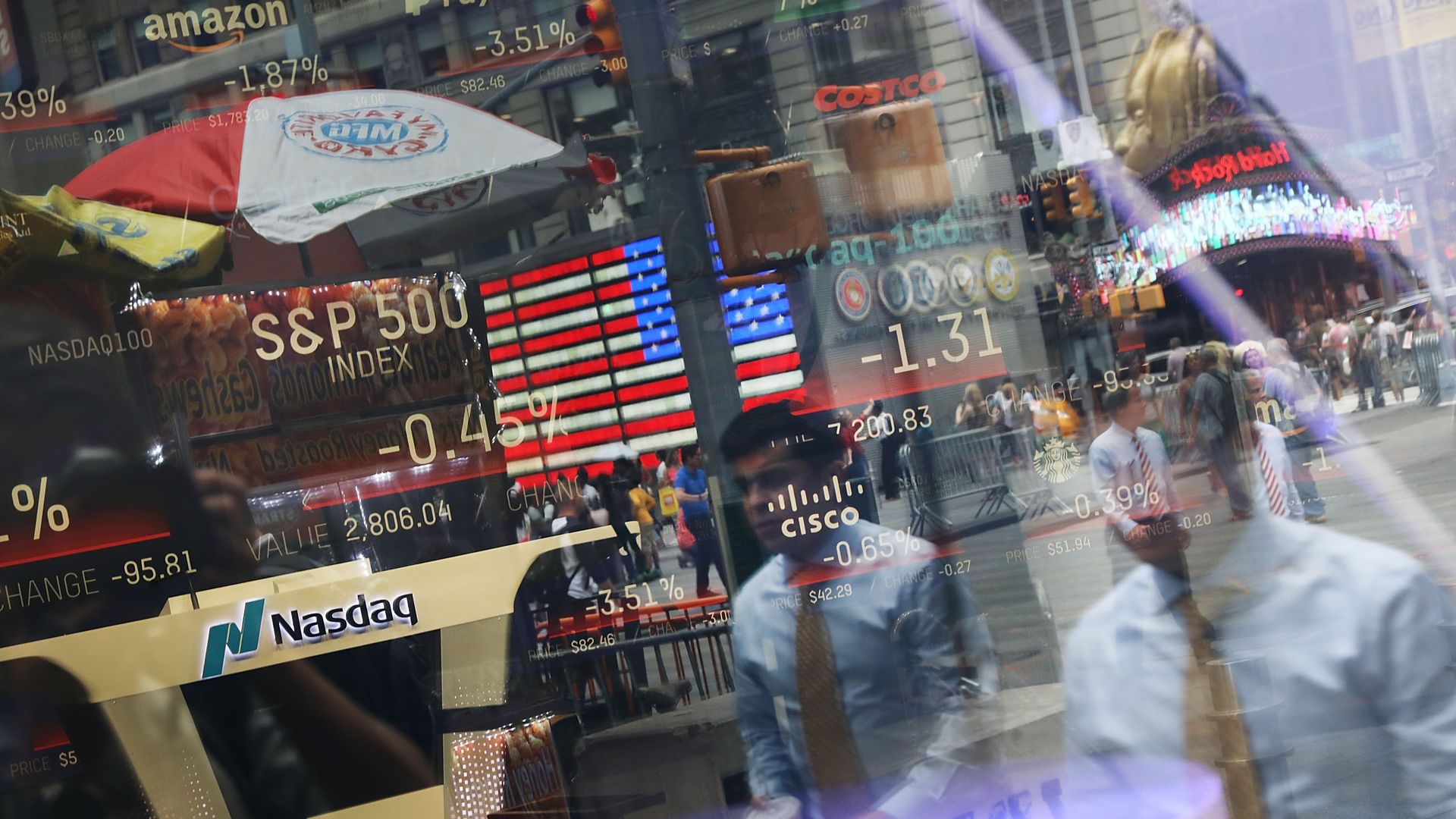
The Nasdaq is recommending regulatory changes to the SEC, including a change to rules that could impact smaller public companies, investors' access to market data and the cost of trading — all of which, the exchange says, could spur more innovation.
Why it matters: It's the latest attempt by a stock exchange to shift current rules in a way that it says will benefit investors.
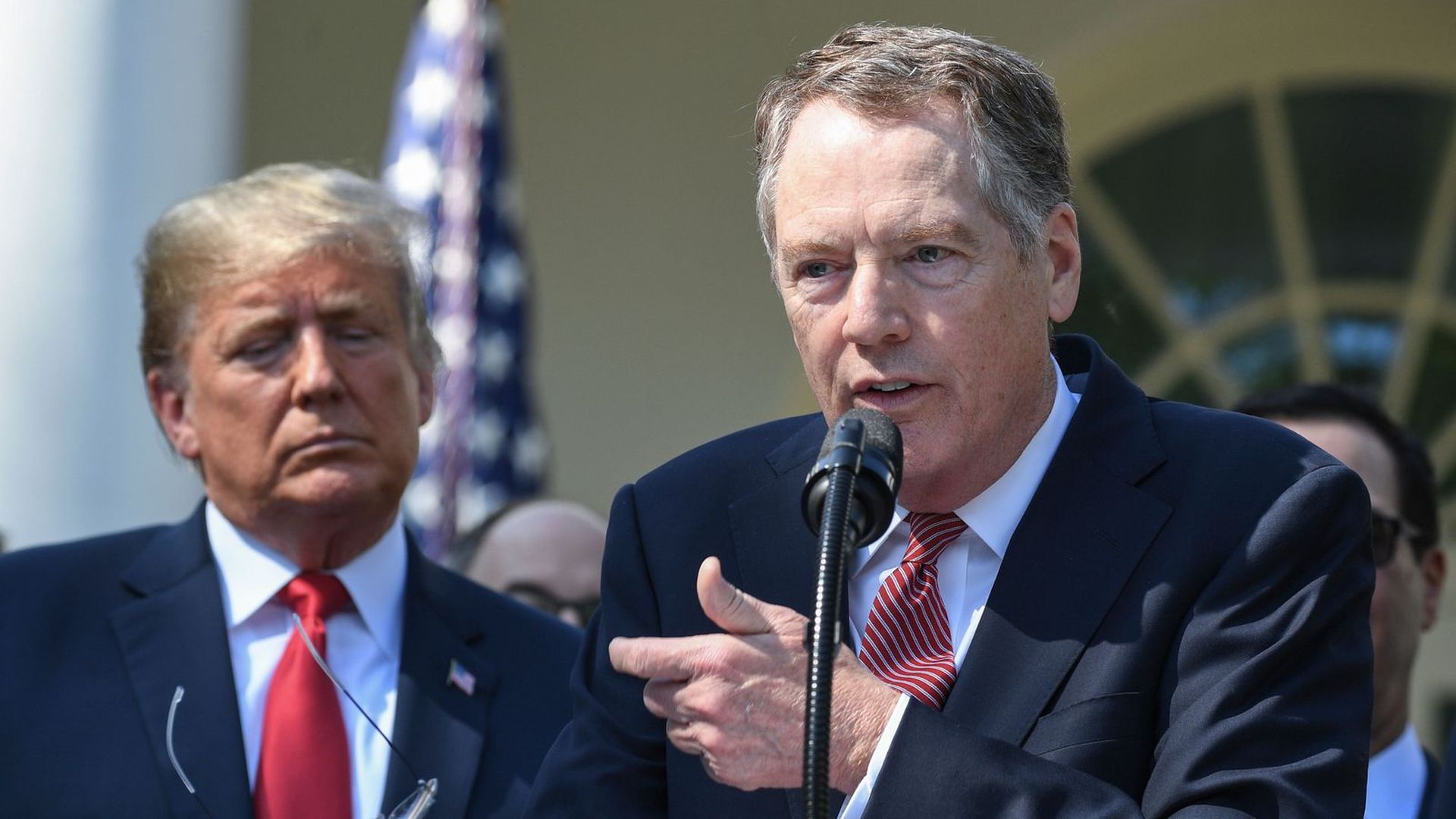
U.S. Trade Representative Robert Lighthizer on Monday threatened the EU with $11 billion in trade tariffs — targeting products including large commercial aircraft and some wines and cheese — in response to European subsidies for Boeing's rival Airbus.
The other side: A European Commission spokesperson said Tuesday it was "starting preparations so that the EU can promptly take action based on the arbitrator’s decision on retaliation rights in this case."
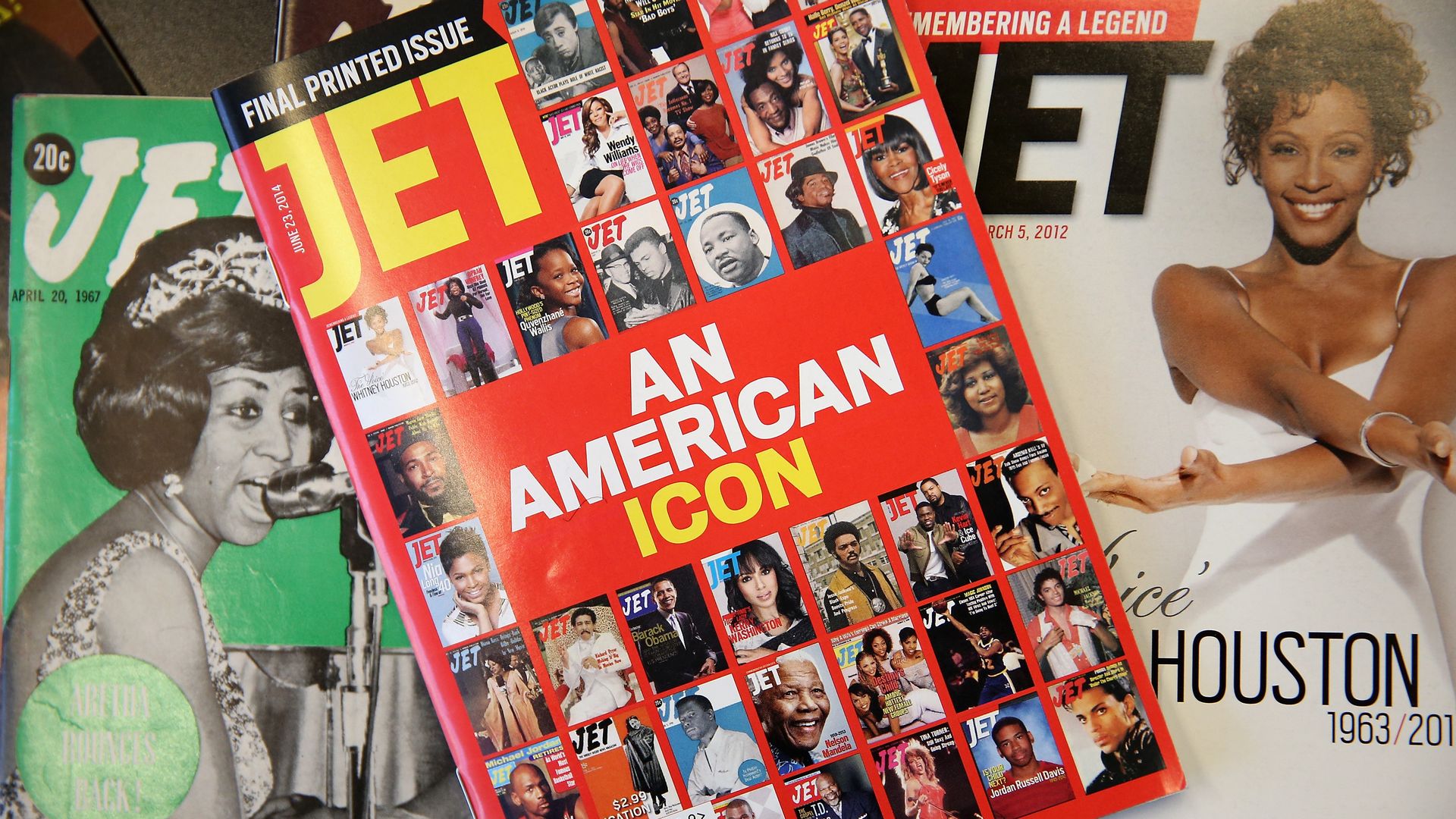
Johnson Publishing Co., the Chicago-based former owner of Ebony and Jet magazines, announced Tuesday it has filed for Chapter 7 bankruptcy protection and plans to sell its assets, adding that there’s "a confluence of adverse events and factors outside of the company’s control led to this decision."
"This decision was not easy, nor should it have been. Johnson Publishing Company is an iconic part of American and African American history since our founding in 1942, and the company’s impact on society cannot be overstated."
— Johnson Publishing Co., said in a statement.
Why it matters: The business was founded in 1942 by Johnson H. Johnson, who died in 2005, and became an iconic black-owned media organization. It currently has "an extensive archive of about 4 million images and 10,000 video assets from its former magazines and a cosmetics business, Fashion Fair Cosmetics," according to CNN. Johnson Publishing sold Ebony and Jet, its two hallmark magazines, to a private equity firm in 2016 to reduce its debt.
The International Monetary Fund cut its expectations for global growth from 3.5% to 3.3% — the third downgrade since October, as Reuters points out — and said major risks to the world economy like the U.S.-China trade war and Brexit are skewed to the downside.
Why it matters: The IMF's economic downgrade is broad based. Per its latest outlook, the group dialed down growth expectations across the eurozone, Latin America, the U.S., the U.K. and Australia. Its more optimistic projections for next year's economic growth — at 3.6%— "relies on an expected rebound in growth in Argentina and Turkey" as well as other "stressed developing economies, and is therefore subject to considerable uncertainty," the report says.
The Athletic, a subscription-based digital sports media company, is launching a multi-million dollar podcasting business. Over 20 exclusive, ad-free podcasts will debut behind the company's subscription paywall on its app and website on Tuesday. The podcasts will be produced in-house by a team of 12 new hires.
Why it matters: The sports podcasting space has become more crowded over the past few years, with digital upstarts like Barstool Sports, The Ringer and SB Nation, in addition to TV sports giants like Fox Sports and ESPN, all launching new podcasts. The Athletic is hoping to differentiate itself by focusing on quality, hyper-localized podcasts that live only behind a paywall.
The world’s biggest tech companies are spending billions of dollars on projects to get more people around the world connected to the internet.
Why it matters: Tech companies historically have specialized in services like social media or payments that ride on top of internet connections, rather than building the networks themselves. But their businesses can't grow without quick expansion of the web, and owning the broadband pipes is becoming just as important as owning the content that runs through them.