Among the thorniest questions hanging over experts puzzling out the future of work is what kind of new jobs will be enabled by AI and robotics — and how many there will be, relative to the work that is likely to disappear due to automation.
The big picture: Some predict wild, new jobs, like "cyber calamity forecasters." But in the near term, one likely outcome — already beginning to play out — is that people will be asked to do work that was previously done by 2 or 3 people with very different skills.
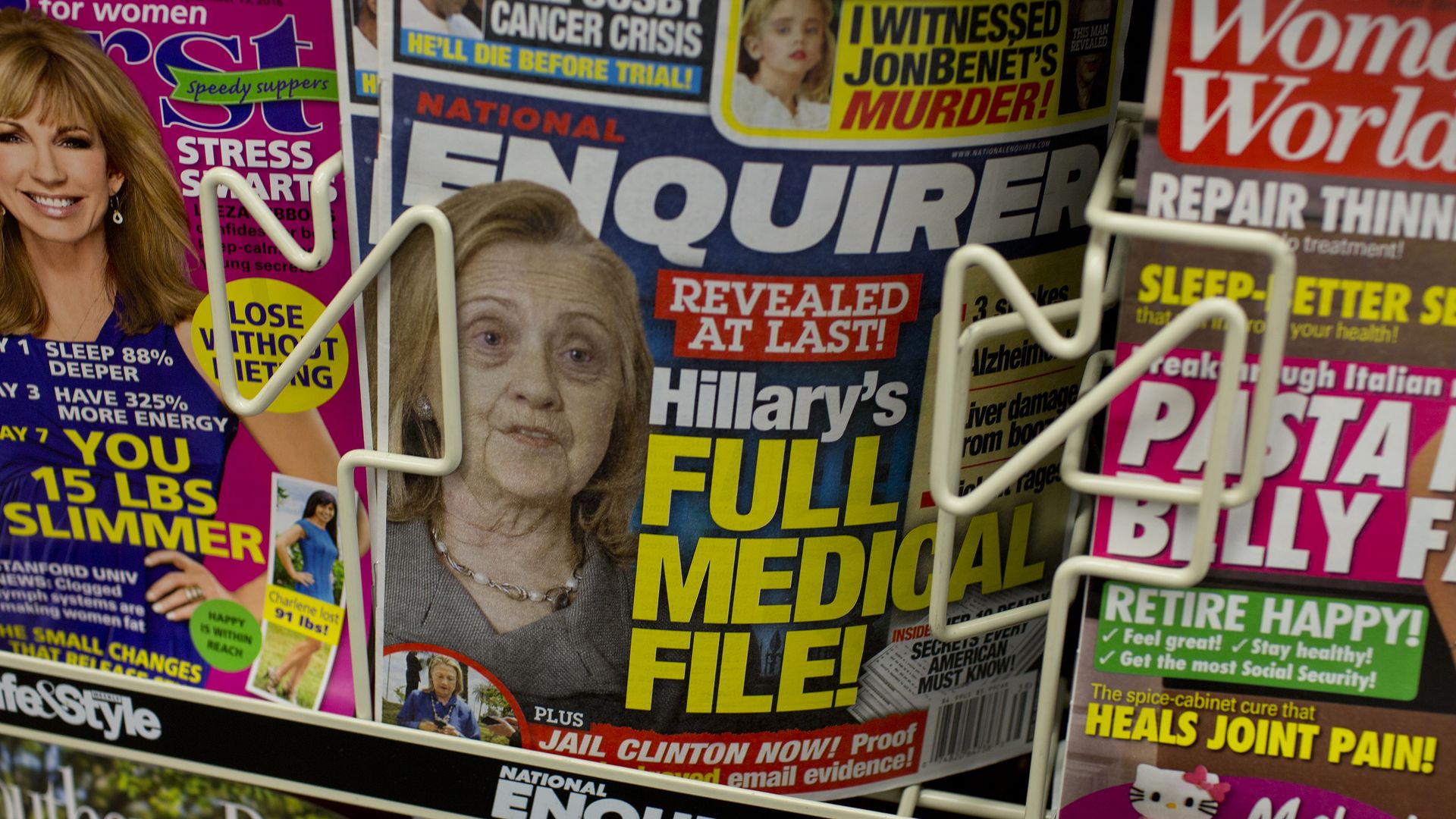
Background: While it has been reported that AMI is "disgusted" with the Enquirer's reporting methods, the company has also been dealing with financial difficulty after refinancing $425 million in bonds, according to Forbes. AMI's CEO David Pecker is also close friends with President Trump, and has been accused of using the Enquirer in 2016 to favor then-candidate Trump, per the Washington Post.
The gap between how many U.S. farms were profitable and those that weren't widened in 2017, according to the U.S. Department of Agriculture's first census since 2012, released Thursday.
Why it matters: The most in-depth government survey of the agricultural economy shows a downturn in conditions for farmers even before the start of President Trump's tit-for-tat trade war began, which has resulted in lower Chinese demand for U.S. commodities.
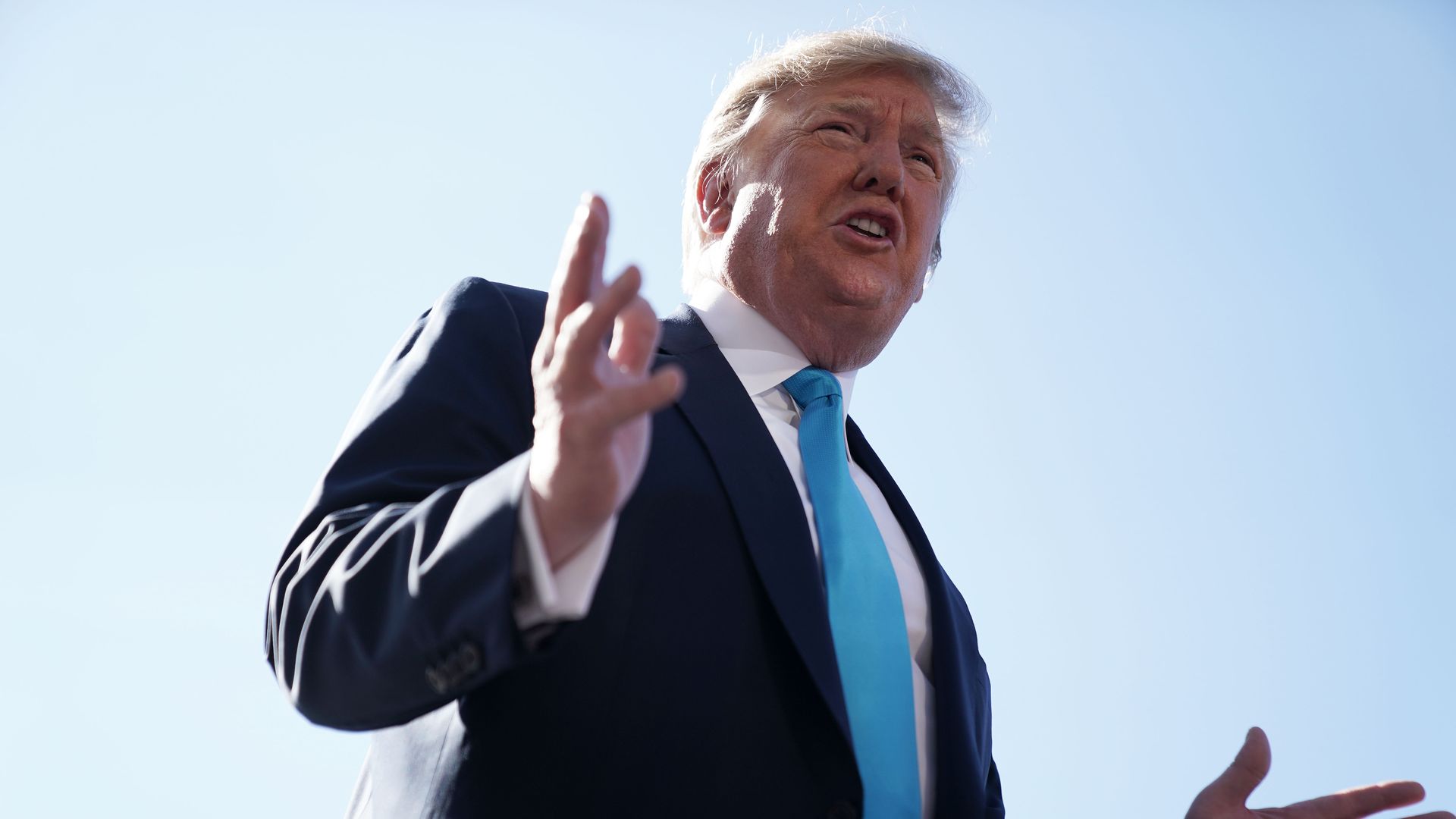
President Trump tweeted a screenshot of his approval rating Thursday morning from a segment on Fox Business' "Lou Dobbs Tonight" that incorrectly presented polling numbers from Georgetown's Institute of Politics & Public Service, New York Magazine reports.
Details: Georgetown found that 43% of voters approve of Trump and that 58% approve of the economy. Fox Business displayed the correct economy figure but incorrectly stated that Trump's approval rating is 55%. The executive director of Georgetown’s Institute of Politics and Public Service clarified that the 55% figure is actually Trump's disapproval rating.
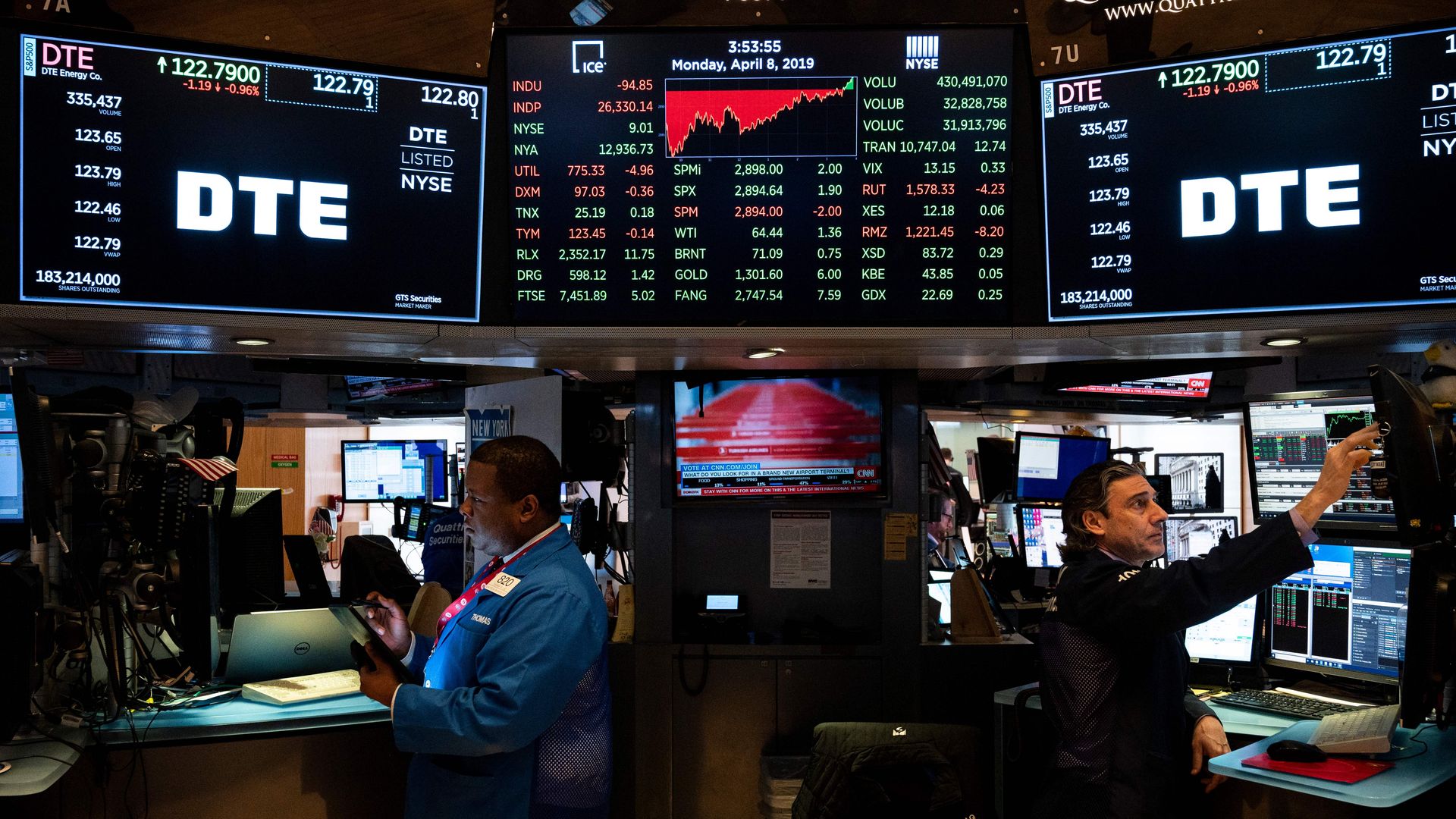
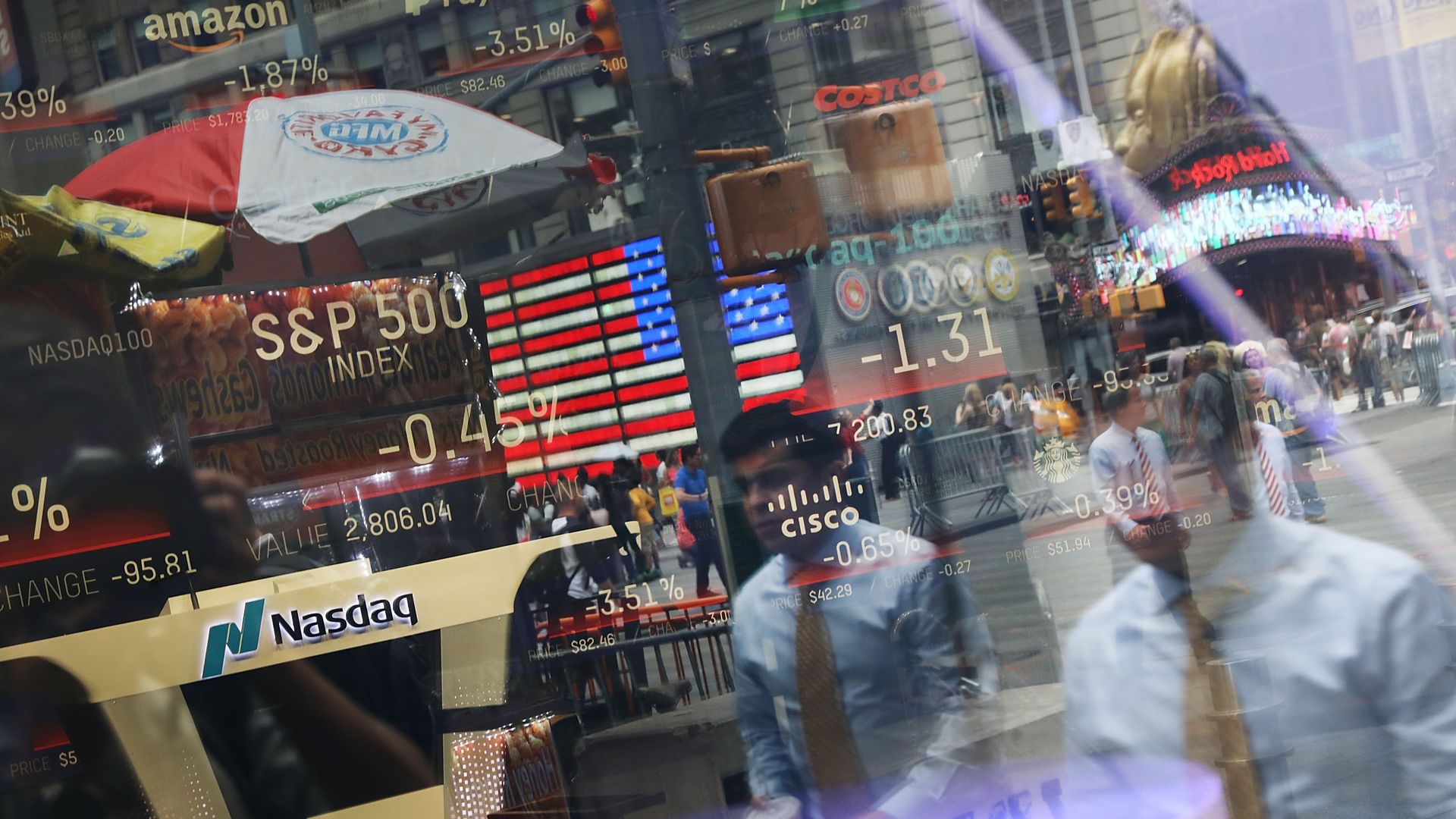
The ratio of U.S. companies that S&P Global has downgraded to the number it has upgraded this quarter is the highest on an annualized basis since 2016, the ratings agency reported this week.
The big picture: "While 2018 generally showed benign rating activity, 2019 has already seen pronounced downgrades, especially at speculative-grade rating categories, while downgrades among higher-rated issuers remain muted," said Diane Vazza, head of S&P Global Fixed Income Research, in a press release.
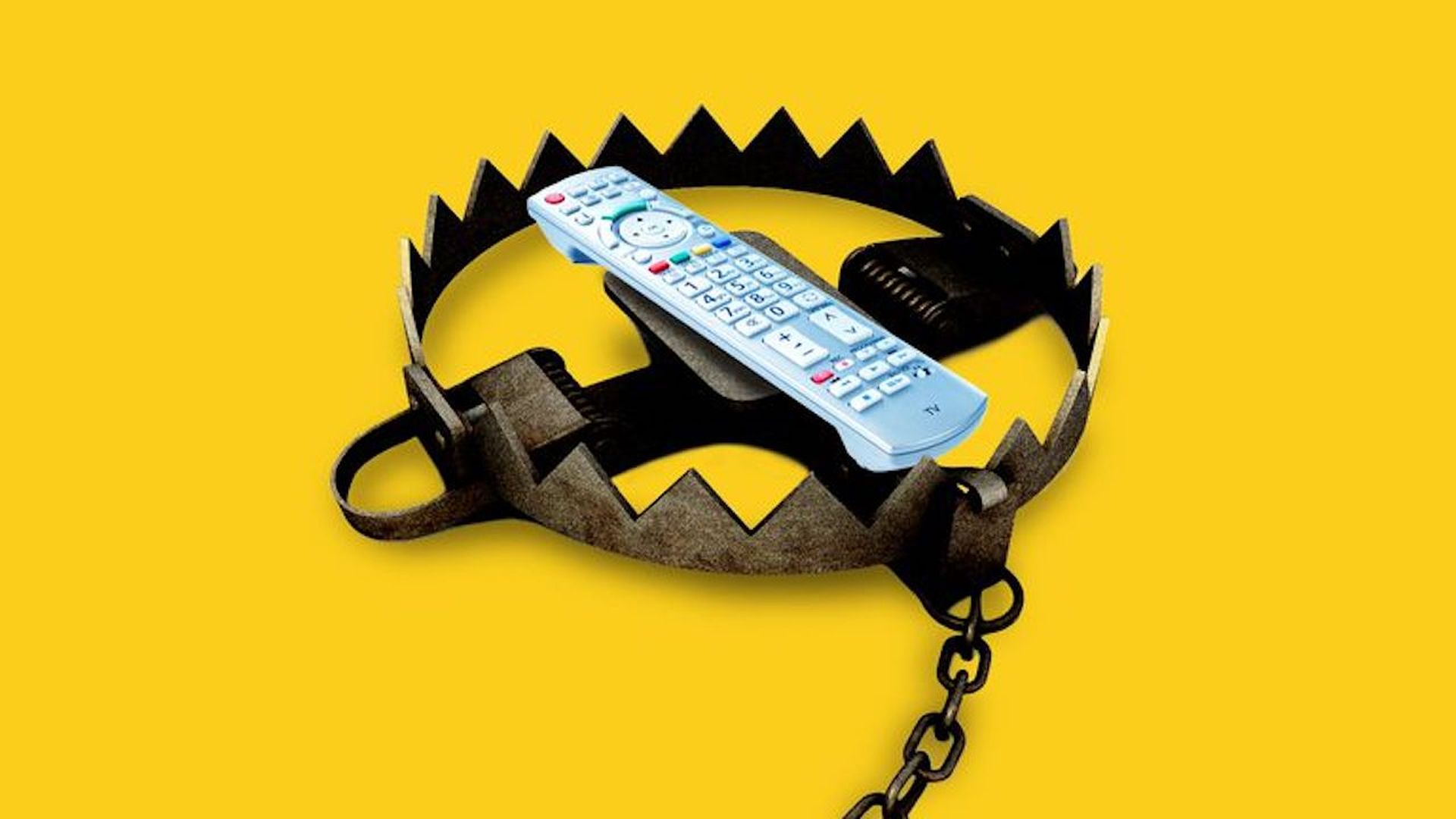
The cheap, digital live TV packages that Americans embraced in place of expensive cable packages are slowly becoming less of a bargain. Many of the popular "skinny bundle" live TV services, like Hulu with Live TV, YouTube TV and DirecTV Now, have increased their package prices this year.
Why it matters: The price hikes, which usually occur when skinny bundle packages add more channels, show that it's difficult for smaller digital TV packages to compete with the bloated and expensive pay TV packages that they sought to displace.
A primary complaint about the current U.S. economy has been the hollowing out of "middle-skill jobs" — the type of work that people with high school educations and substantial training could do and earn a "middle wage."
Be smart: But even if such jobs were restored,it would not mean a revival of America's battered middle class. That's becausemiddle-wage jobs largely do not pay a middle-class salary.
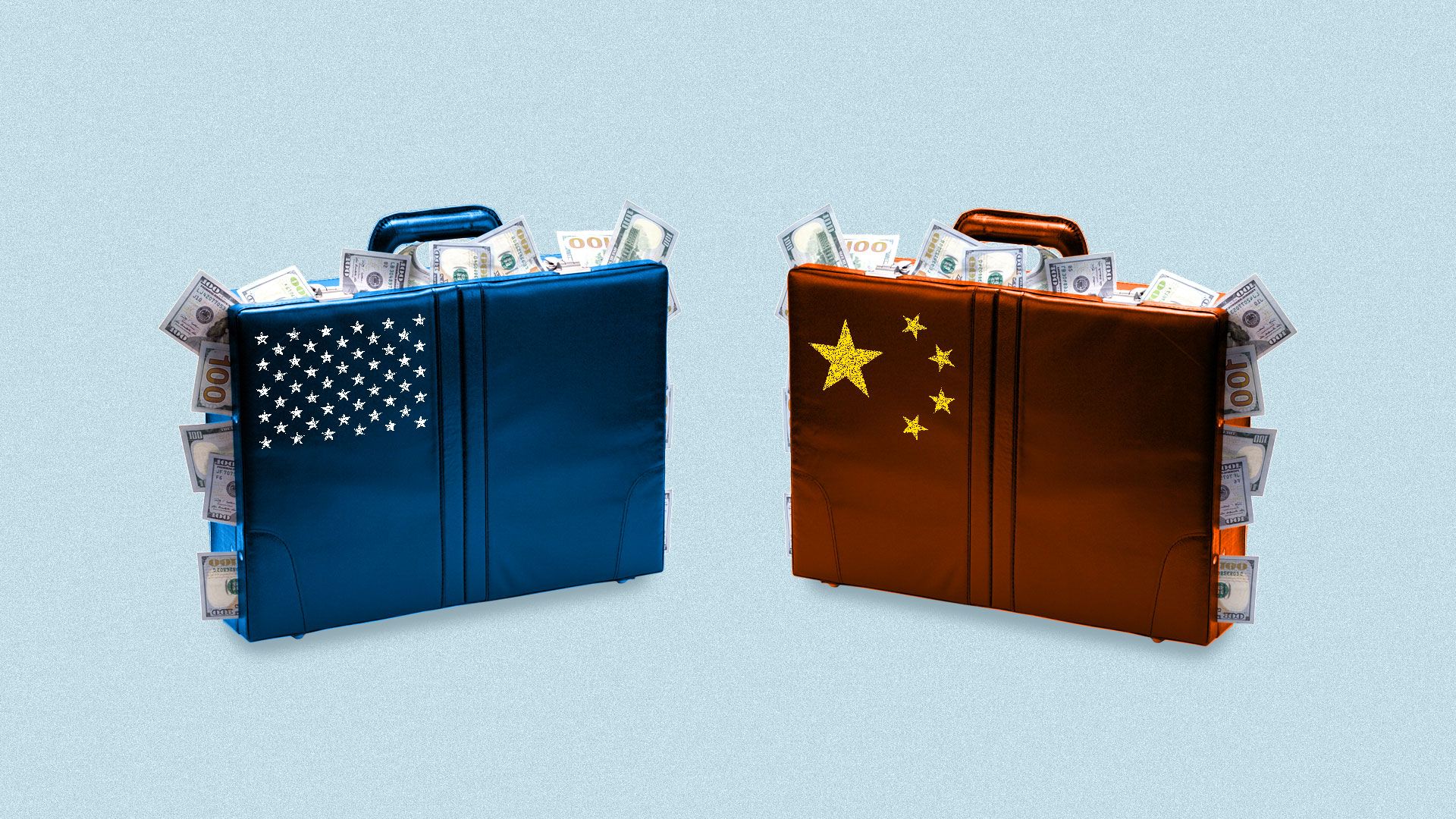
Upcoming meetings of the WTO, G20, APEC, OECD and other ad hoc coalitions could offer the U.S. an opportunity to secure a broader base of international support for meaningful and durable Chinese economic reforms.
Why it matters: U.S. negotiators have made notable progress on the most pressing trade issues with China, especially around intellectual property rights, forced technology transfers and industrial subsidies. But the Trump administration's parallel use of unilateral tariffs under Section 232 of the Trade Expansion Act has rankled longtime U.S. partners.
Sony shares jumped 8% after Reuters' Svea Herbst-Bayliss and Liana Baker reported that activist investor Daniel Loeb’s hedge fund Third Point was building a stake in the company to push for changes that include shedding some businesses.
The big picture: It's the second time in 6 years Third Point has targeted the Japanese electronics maker, Reuters notes, buying as much as 7% of Sony in 2013, after a weak couple of years for the stock. It then pushed it to spin off its entertainment business but was rejected. (Third Point sold its shares at a 20% profit.)
The Nasdaq is recommending regulatory changes to the SEC, including a change to rules that could impact smaller public companies, investors' access to market data and the cost of trading — all of which, the exchange says, could spur more innovation.
Why it matters: It's the latest attempt by a stock exchange to shift current rules in a way that it says will benefit investors.
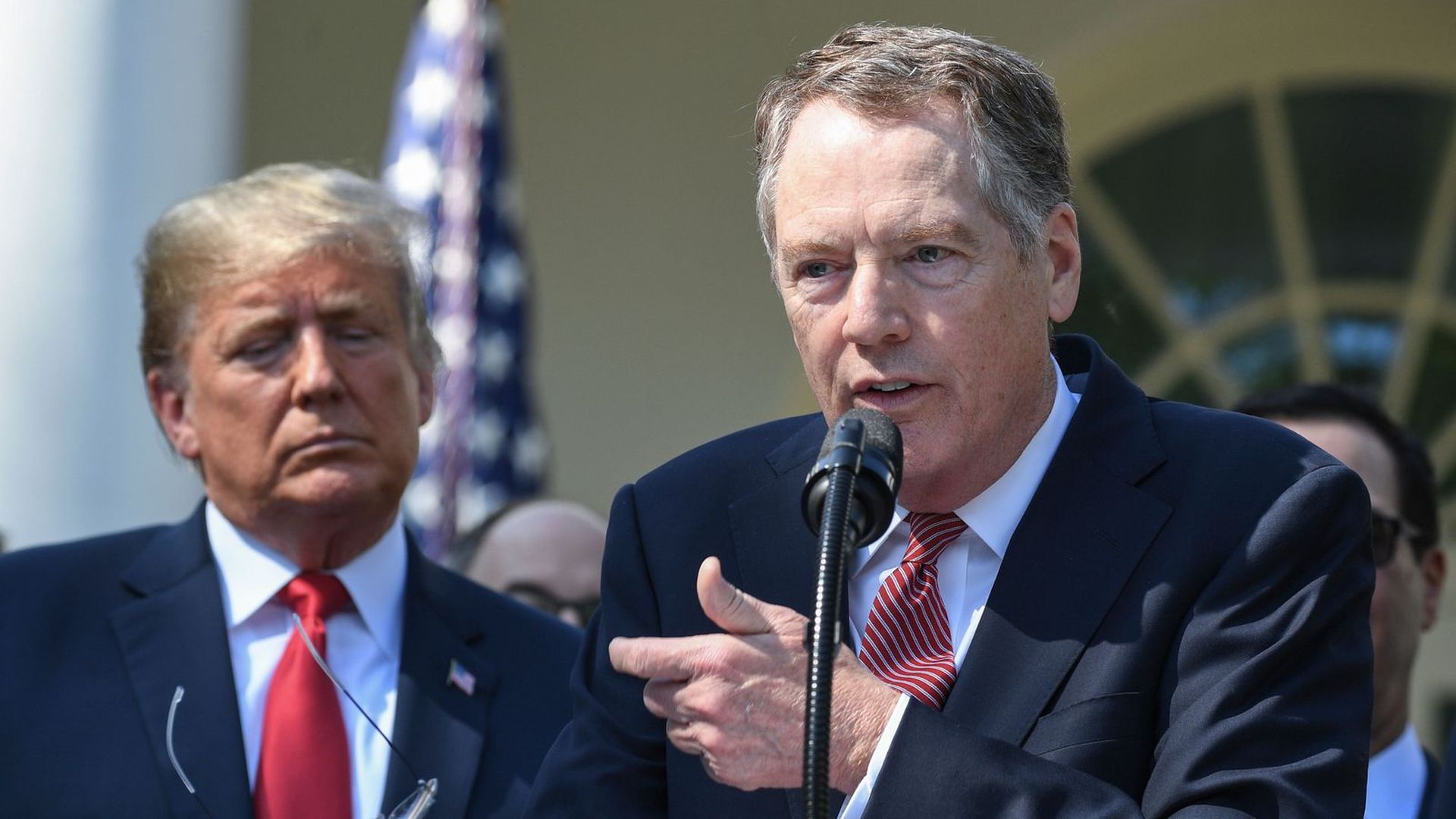
U.S. Trade Representative Robert Lighthizer on Monday threatened the EU with $11 billion in trade tariffs — targeting products including large commercial aircraft and some wines and cheese — in response to European subsidies for Boeing's rival Airbus.
The other side: A European Commission spokesperson said Tuesday it was "starting preparations so that the EU can promptly take action based on the arbitrator’s decision on retaliation rights in this case."