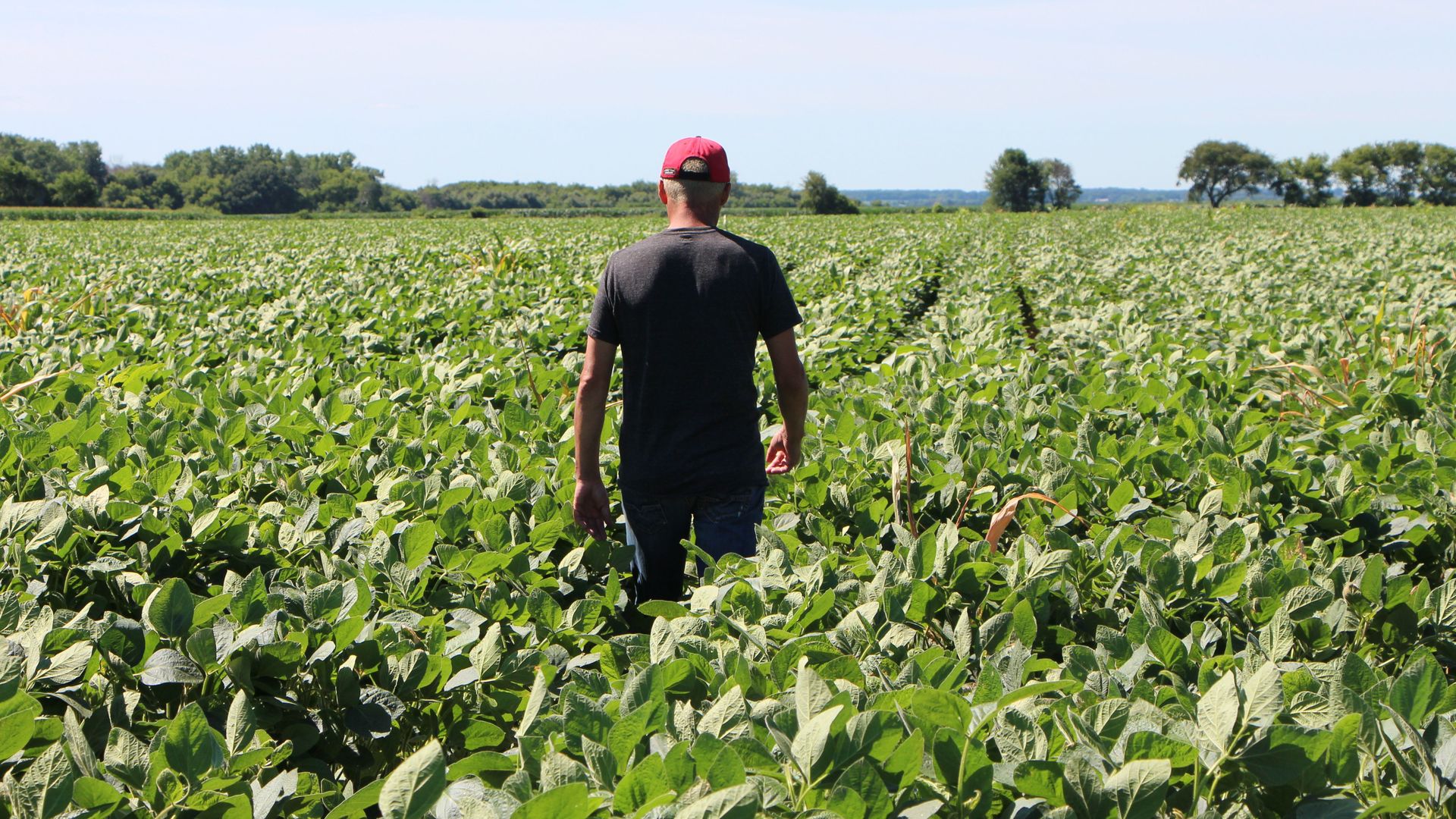
U.S. farmers in the Midwest are filing for bankruptcy at levels the U.S. hasn’t seen for approximately a decade, the Wall Street Journal reports.
What's happening: Low commodity prices have been gouging U.S. farmers’ bottom lines for years now, exacerbated by increasing agricultural competition from Russia and Brazil. President Trump’s trade disputes, meanwhile, are adding salt to the wounds, as tariffs drive down prices and decrease profit for farmers.
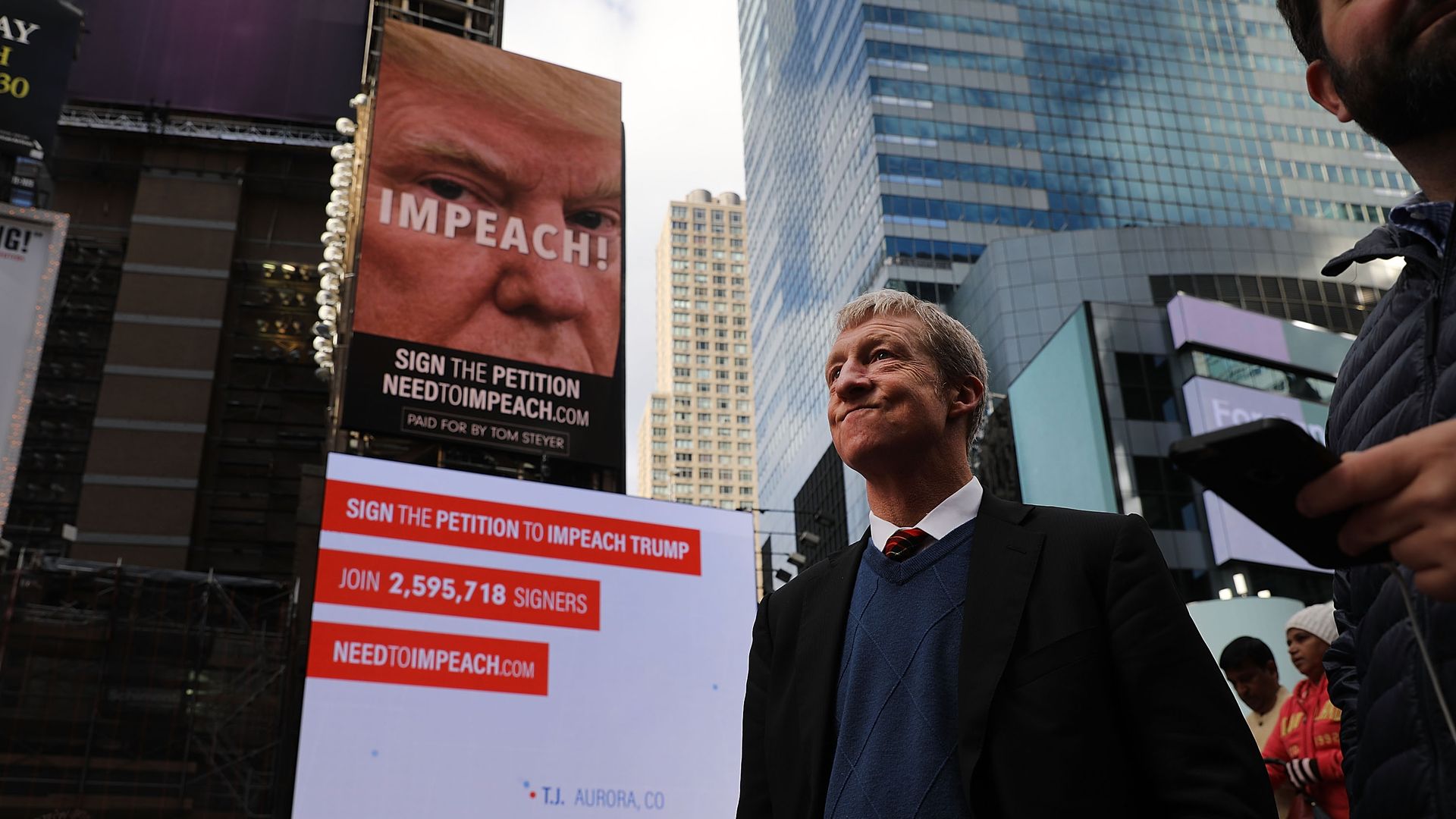
Billionaire activist Tom Steyer added $100,000 worth of digital ads to his local impeachment campaign against President Trump today in Democratic Rep. Richard Neal's district in Massachusetts, Axios has learned. This is in addition to the six-figure TV ad campaign targeting Neal.
Details: The TV and digital ads focuson Neal's ability, as chair of the House Ways and Means committee, to subpoena Trump's tax returns and they pressure him to move forward on impeachment. "It's time to release Trump's tax returns. Demand Rep. Neal investigate Trump," reads one ad obtained by Axios.
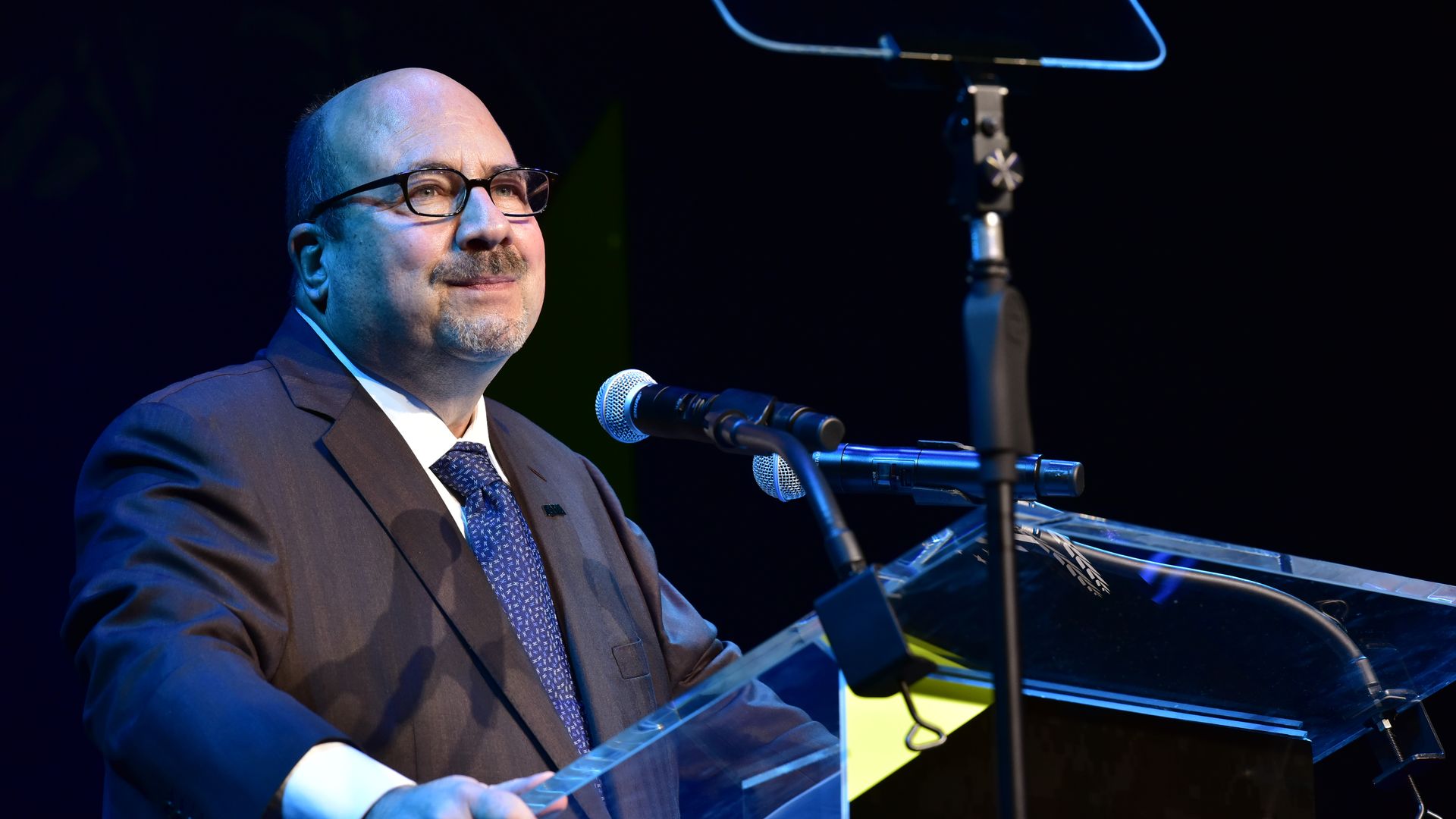
Craigslist founder Craig Newmark is investing $15 million into two separate efforts to boost efforts to strengthen journalism ethics for the digital age.
Why it matters: The media industry, once reliant on mostly advertising, has struggled to find a sustainable business model during the Internet age. Publishers have had to embrace new business models like events, sponsorships, and social publishing, but some of those efforts are harder to approach with full editorial independence.
Last week's triple-digit layoffs at BuzzFeed and Vice were blamed, in many digital media quarters, on unrealistic growth expectations by those companies' venture capitalists. Kind of like what we heard after Mic shut down, except louder.
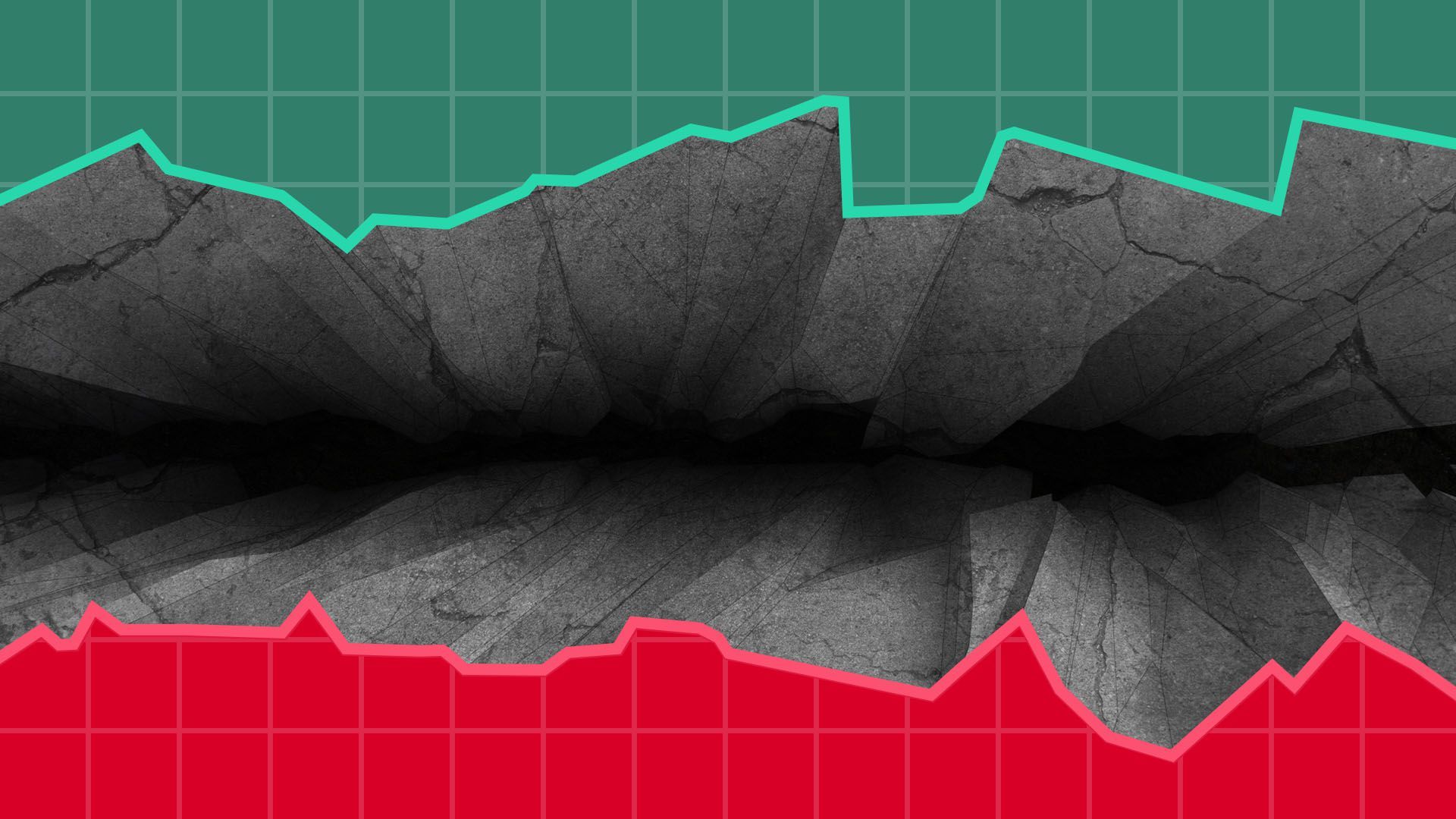
Measures of sentiment, like January's consumer confidence survey, continue to show negative expectations for the economy, even as actual economic trackers, like the monthly U.S. jobs report, keep coming in strong.
Between the lines: Economists say when that happens it usually signals a downturn is coming.
The New York Times will announce today that more than 3 million U.S. students now receive free access to nytimes.com, thanks to more than 30,000 contributions from its readers.
Why it matters: It's the company's way of investing in the next generation of NYT readers, which it thinks will help it retain current subscribers. "We already have high retention, but I think this could make it almost bullet proof," says Hannah Yang, head of subscription growth.
Low-income workers are significantly less likely to receive health insurance through their employer than wealthier people, according to the Kaiser Family Foundation. Only 28% of full-time workers below the federal poverty level have employer insurance.
Between the lines: Lower-income jobs are less likely to offer health benefits, and health care costs are also rising significantly faster than wages. "Employer health coverage is a part of compensation for workers, and low-wage workers just can’t command that level of compensation," Kaiser's Larry Levitt said.