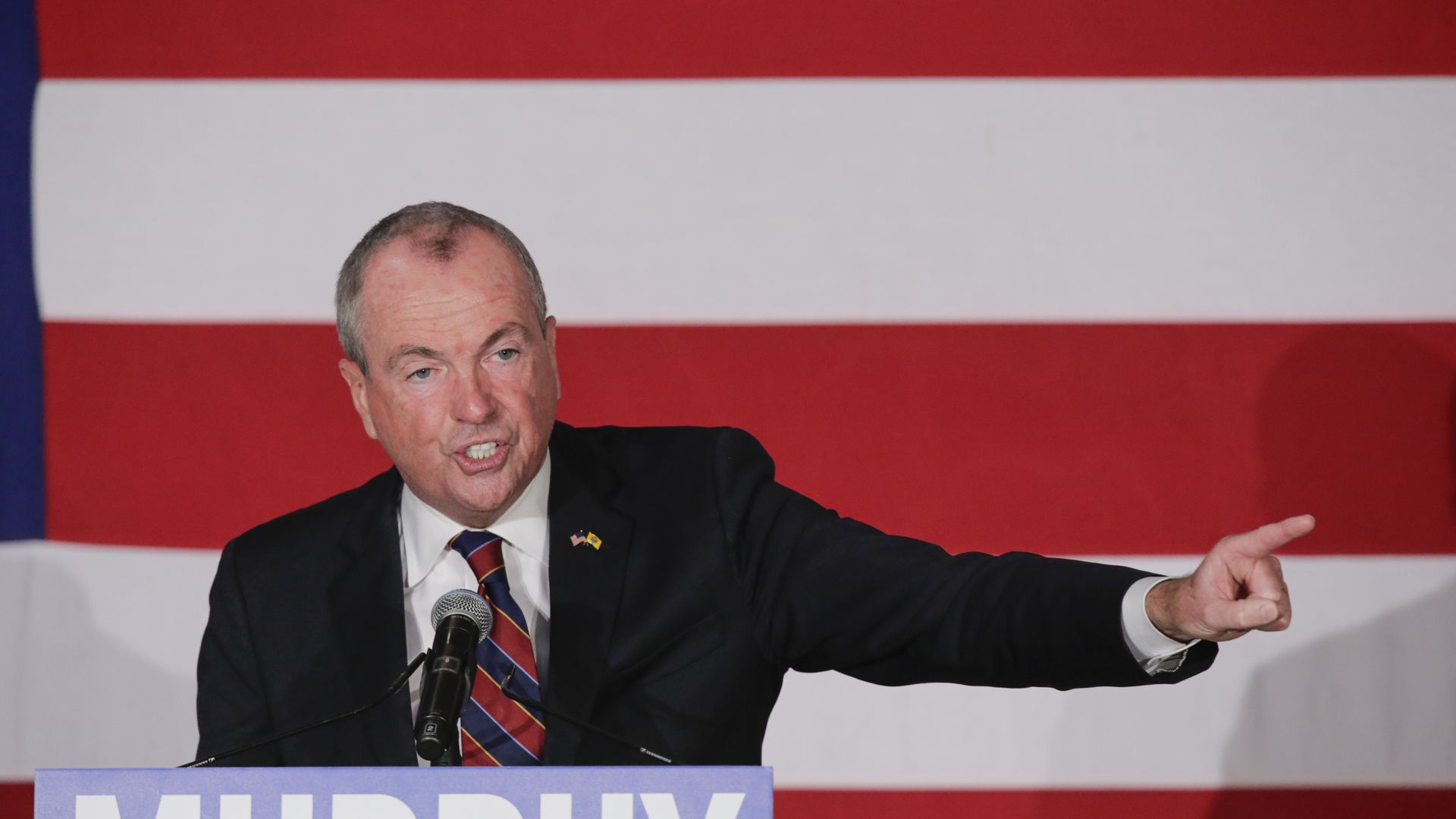
Democratic Gov. Phil Murphy signed legislation on Monday raising the hourly minimum wage from $8.85 to $15 by 2024, making it the fourth state in the country to phase in the higher rates.
Why now: New Jersey joins California, Massachusetts, New York and the District of Columbia in incrementally increasing the minimum pay for entry-level and low-skill jobs. The increase is a long-desired policy goal for Democrats nationwide, and a key campaign promise of Murphy's. The minimum wage is expected to rise in 20 states and more than 20 cities around the country this year.
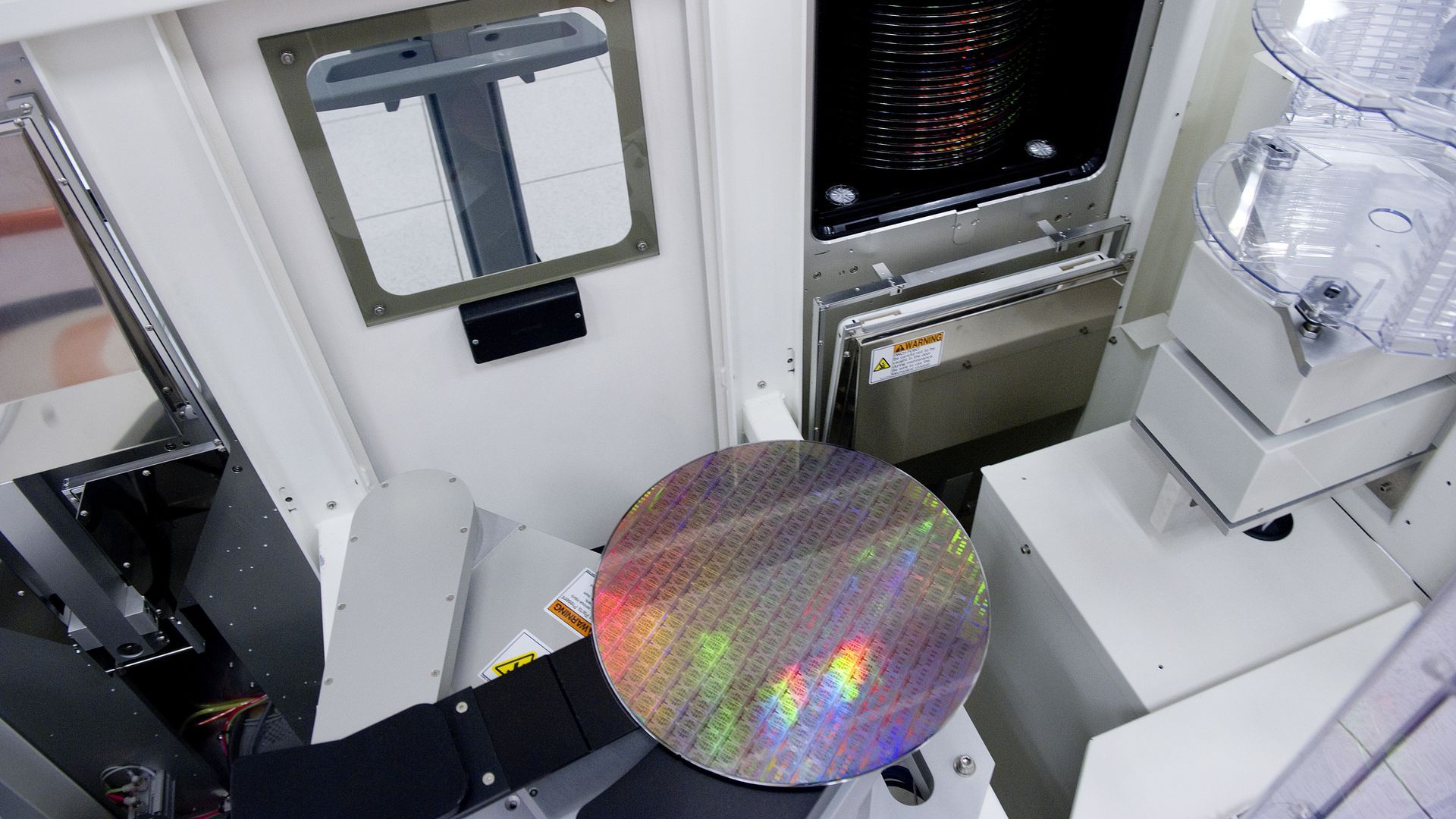
Global chip sales rose nearly 14% last year to a record $468.8 billion, according to new numbers from the Semiconductor Industry Association. However, growth slowed significantly in the second half as the industry enters what appears to be a period of slower growth.
Why it matters: Chips are at the heart of all manner of electronics, from phones and PCs to broader markets like cars and appliances. Plus, unlike the gear they end up in, a significant number of semiconductors are not only designed in the U.S. but also manufactured here.
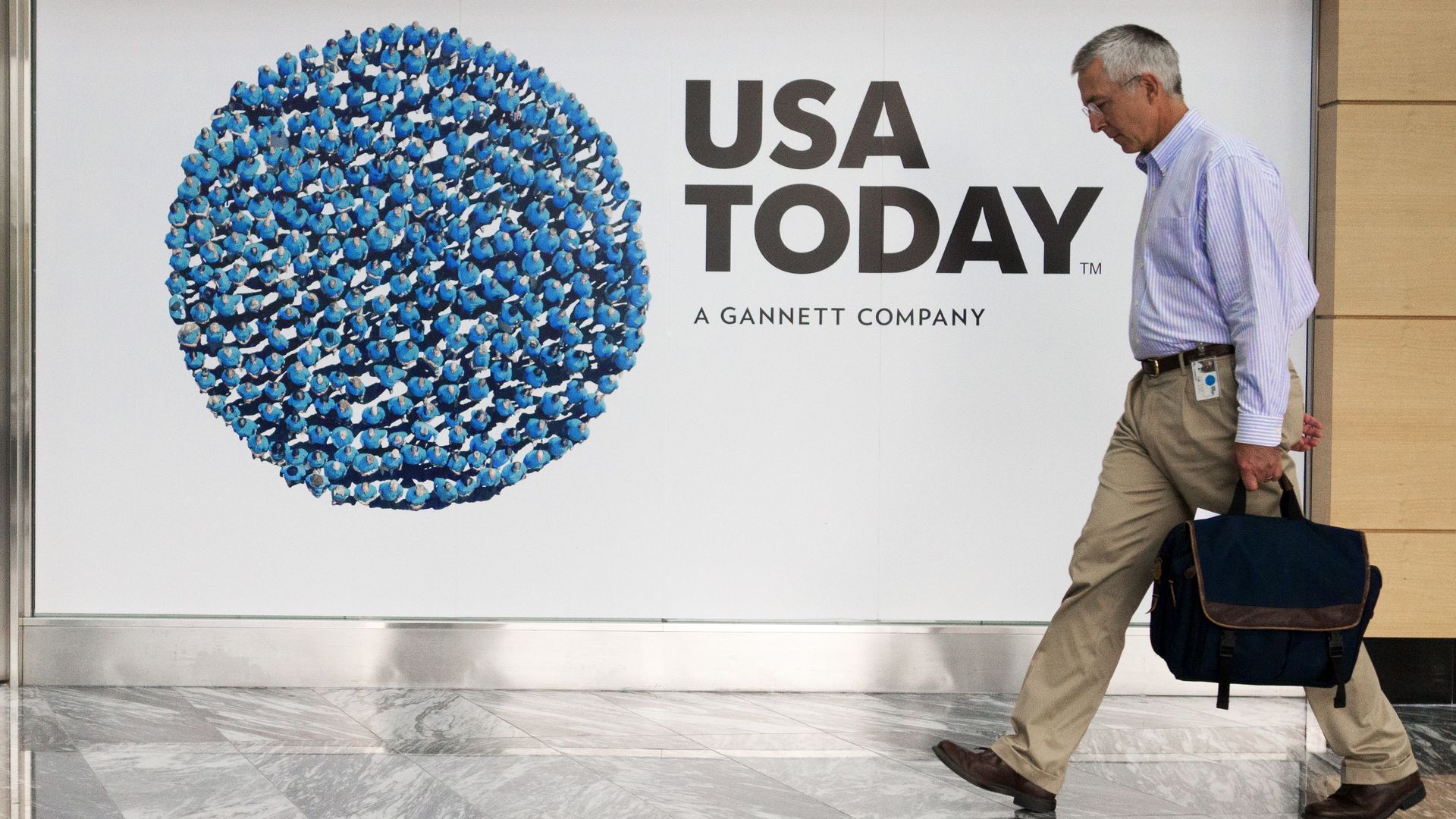
Local media conglomerate Gannett Co. rejected a takeover bid from MNG Enterprises, which does business as Digital First Media, on Monday, saying in a statement that the proposal undervalues the company and "is not credible."
Details: In January, Digital First Media offered to buy Gannett for $12 a share in cash, a 23% premium above its most recent closing price at the time. At the time, experts worried the deal could have throttled an already dwindling quality of local news in the U.S. MNG blasted Gannett's decision, saying it has "no credible plan to attain a $12 per share valuation on its own" while Gannett said it is still open to selective acquisitions that "appropriately [value]" the company.
The U.S. government's blowout January jobs report had the lowest response rate in a decade.
Why it matters: Economists suspect that the 60.7% hit rate on the establishment survey from the 142,000 businesses and government agencies typically surveyed could mean a downward revision to the whopping 304,000 new jobs added in January.
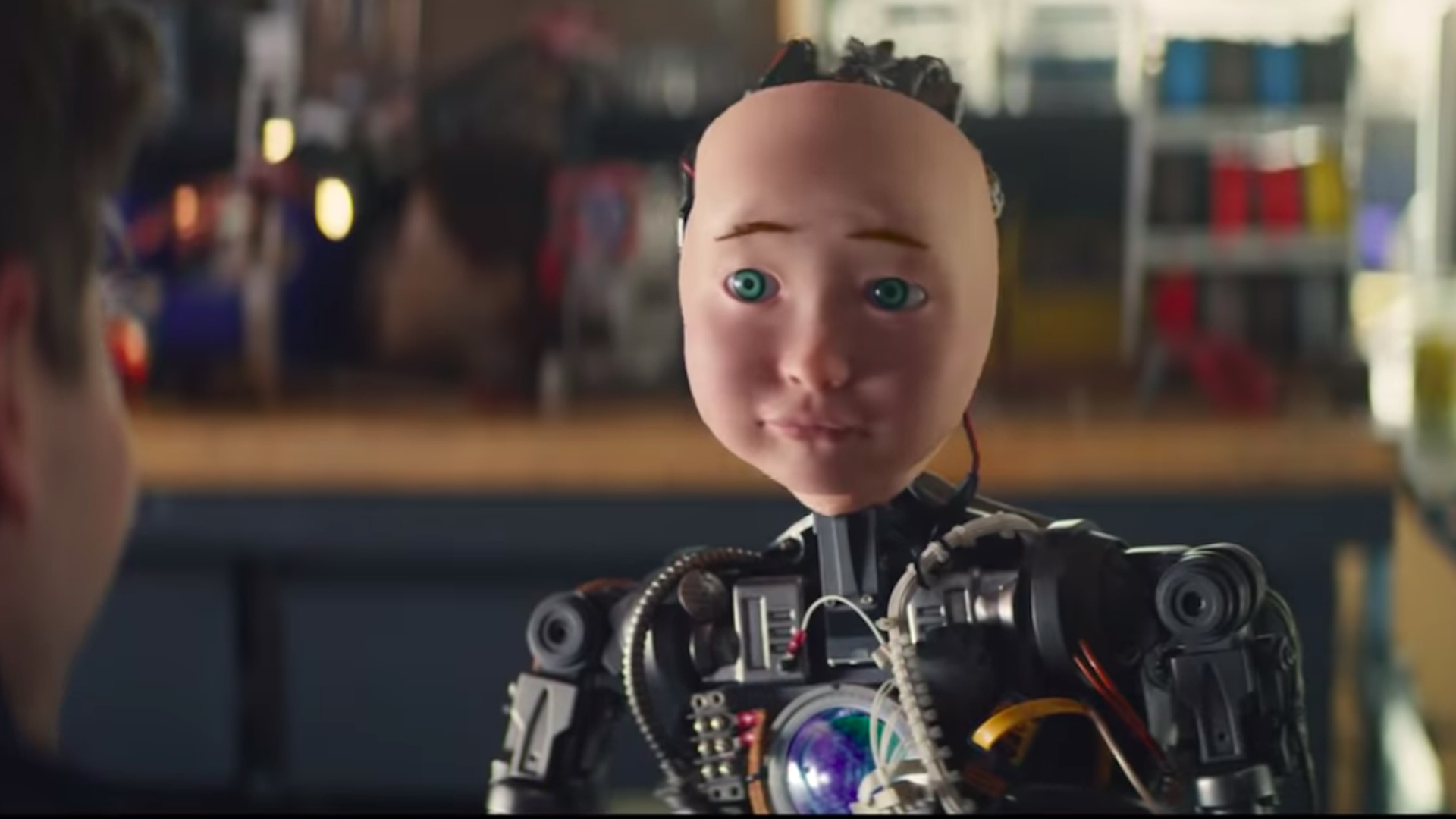
This year's Super Bowl ads highlighted how torn society is over the promise of Big Tech. Some spots showed dystopian fears surrounding robots and automation, while others highlighted ways new technologies can improve health care, employment and connectivity.
Why it matters: The conflicting messages underscore the debate happening right now about whether automation and artificial intelligence will displace humanity or save it.