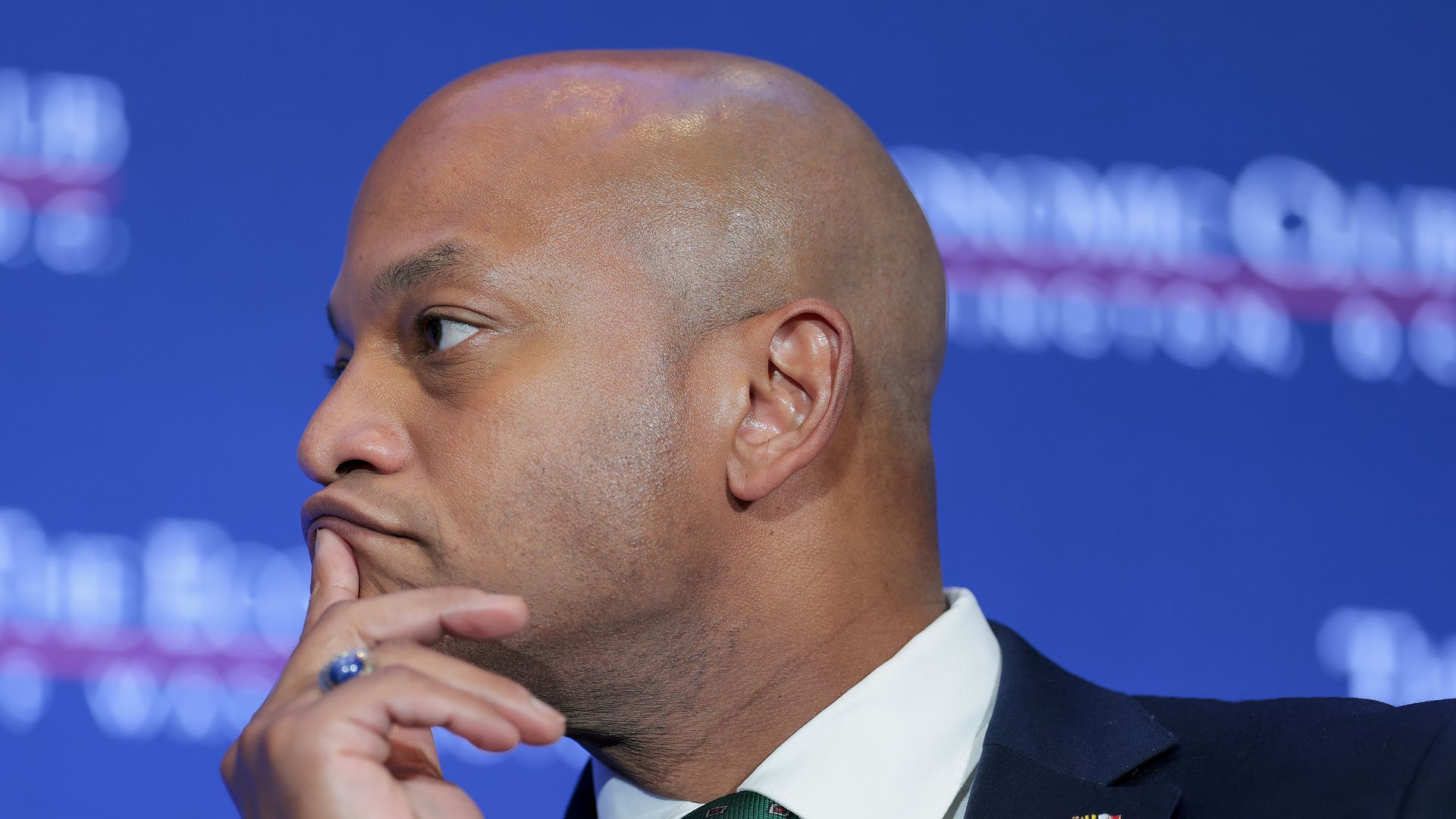
Maryland Gov. Wes Moore will host AI executives from Microsoft and other tech companies for dinner at his official mansion in Annapolis on Monday to discuss how to protect the state from cyberattacks in the "Mythos era," Axios has learned.
Why it matters: The private conversation offers a glimpse into how state officials are scrambling to deal with the benefits and threats of rapidly evolving AI, as the Trump administration takes a laissez-faire approach to regulating it.
Some red state lawmakers are floating legislation that would make it easier to use gold and silver as currency and to establish gold stockpiles.
Why it matters: Lawmakers say that the commodities are a good option for dealing with the burden of rising inflation because the value of gold and silver has increased, while the dollar has not.
The world's largest data center project — backed by Trump allies and bearing his name — is stalled by delays and logistical hurdles that could stop it before it even starts.
The latest sign of trouble emerged Friday: CEO Toby Neugebauer abruptly departed. That sent the company's shares, which already shed 75% in the last six months, plummeting in aftermarket trading.
While consumer subscriptions surge across internet platforms, Big Tech companies are also seeing strong momentum selling enterprise subscriptions around their new AI products.
Why it matters: Subscriptions offer more reliable, recurring revenue than advertising, which can be cyclical and impacted by macroeconomic events.
There's been a huge shift in the ownership structures of some of the biggest consumer tech companies in the past year, as more firms try to restructure their businesses to be competitive in the agentic world.
Why it matters: The changes raise questions about the independence and ownership of some of the world's most popular consumer apps.
Tech giants like Meta, Apple and Google are shifting their hardware bets from bulkier, mixed reality headsets and glasses to lighter, AI-powered wearables that can scale.
Why it matters: Wall Street is pressuring companies to prove that new hardware devices can be viable businesses.
More U.S. home sellers are becoming what Zillow calls "accidental landlords" — 2.3% of rental listings on its platform in October were previously for sale, according to the real estate site.
Why it matters: That's the highest level since late 2022, when mortgage rates topped 7%. As buyers gain leverage and homes take longer to sell, a growing share of homeowners are renting their properties out instead.
The competitive landscape for U.S. airlines is confronting seismic turbulence as energy price spikes wreak havoc on the industry.
Why it matters: Rising fuel and labor costs are squeezing airlines — and pushing higher fares and fees onto travelers already facing economic uncertainty.
One of the beauty industry's biggest headaches today isn't split ends or bad blending: It's the influx of bridal parties and other clients seeking 'dos from an AI fantasy.
Why it matters: AI-generated content has inundated digital platforms and social media, often leaving makeup artists, hair stylists and others in client-facing roles to serve as the industry's reality checkers.