GM Energy plans to offer a leasing program for its home energy management system to make it easier for EV owners to power their house with their car.
Why it matters: Having a reliable source of backup power when the grid is down sounds appealing — but it requires thousands of dollars in extra hardware to enable that two-way flow of energy from the car to the home.
The challenge: AI has quickly entered the legal space — but most general-purpose tools struggle to reliably produce legal work that holds up under legal scrutiny.
Why it's important: Law firms operate at a high speed with even higher stakes. Outcomes affect lives, livelihoods and businesses.
Researchers hailed Kalshi's prediction market data in a new Federal Reserve paper, delivering a significant vote of confidence in the emerging platform as it weaves its way into the economic mainstream.
Why it matters: It's a credibility win for Kalshi and the broader prediction market industry — and a setback for state regulators, gambling groups and critics who argue these platforms are little more than speculative betting.
Walmart's growth streak continued in John Furner's first earnings report as CEO, with investors Thursday weighing strong results against a cautious outlook for the year.
Why it matters: As the nation's largest retailer, Walmart is widely viewed as a real-time gauge of U.S. consumer health — and its results suggest shoppers are still prioritizing price and convenience amid economic uncertainty.
The pricingand affordability debate is heating up, and it's likely to get even more politicized ahead of the 2026 midterms.
Why it matters: Rising costs remain a vulnerability for the Trump administration and the Republican Party, and the president can blame the "Biden economy" for only so long.
A Border Patrol agent slipping on ice in Minneapolis wasn't just a meme. It became a symbol of how viral videos are reshaping public perceptions of ICE and Border Patrol.
Why it matters: The clips — agents falling on frozen pavement, failing to catch suspects and retreating in vehicles with flat tires as crowds jeer — are being used online to question the training, preparedness and legitimacy of federal immigration enforcement amid a mass deportation plan.
The Supreme Court could rule on the legality of President Trump's tariffs as soon as Friday, and a raft of analysis will surely follow as economists and Wall Street researchers parse the fallout.
Why it matters: Yet figuring out what to make of that research may prove complicated, as Trump has Wall Street analysts already on edge with his often fiery condemnations of their work.
AI's rise could soon make new TVs harder to find — or more expensive.
Why it matters: The AI boom is making RAM and memory chips pricier and less available. While often tied to PCs and gaming consoles, the squeeze could also delay or raise the cost of many consumer products like televisions.
This week's AI summit in India has become a showcase for U.S. tech companies announcing deals in the region.
Why it matters: The summit began as a global forum focused on AI safety. Now it's a venue for governments to strike deals with major AI companies, most of them U.S.-based.
China's unrelenting efforts to catch the U.S. in AI may have claimed its first significant casualty — Hollywood.
Why it matters: Technology good enough to scare even the most seasoned filmmakers is prompting a legal fight that's only the opening salvo in a broader war over intellectual property and market dominance.
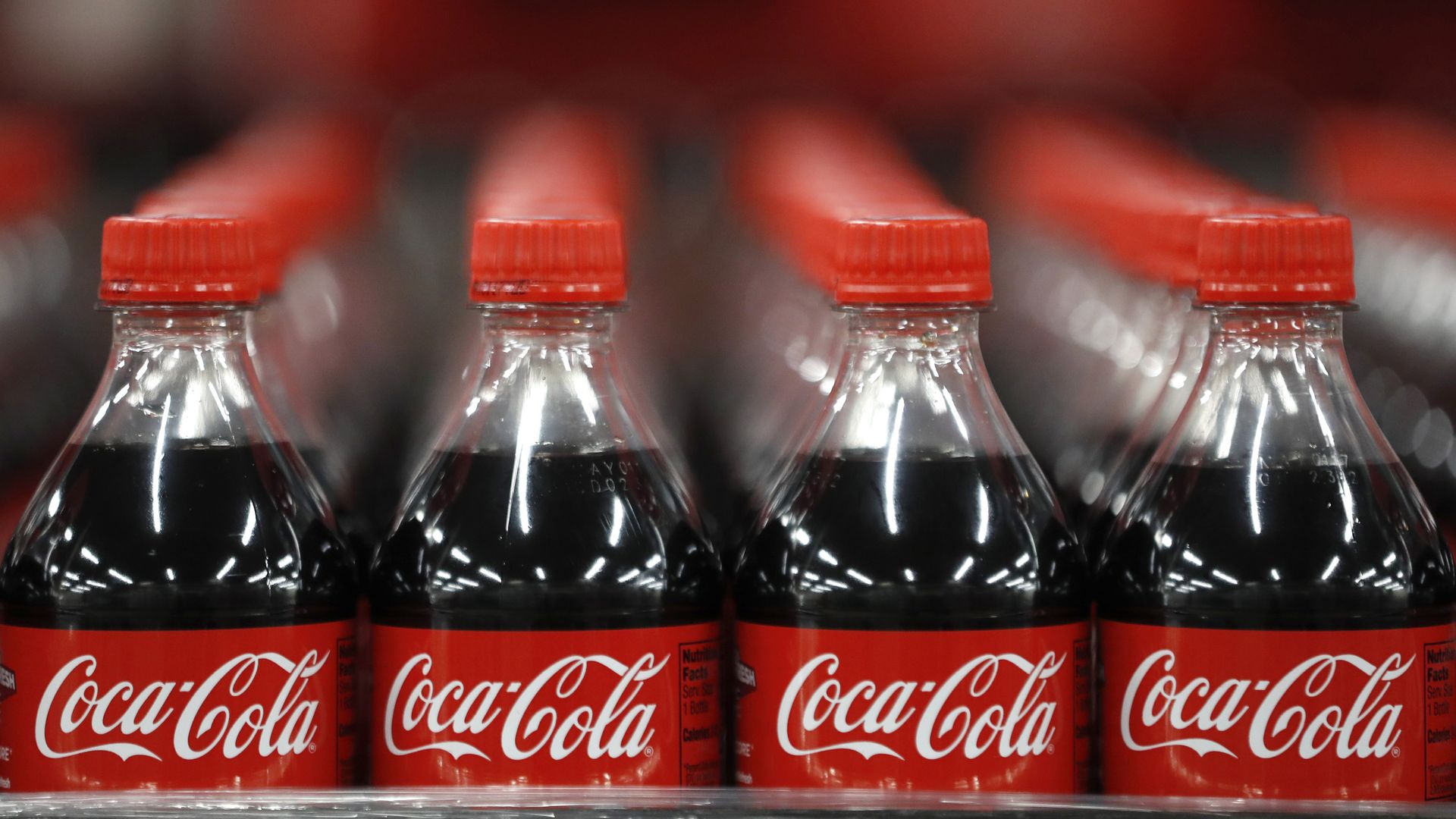
A Coca-Cola distributor and bottler is being sued for alleged sexual discrimination over a corporate networking event that excluded men, announced the U.S. Equal Employment Opportunity Commission, which filed the lawsuit, Wednesday.
Why it matters: This is the first lawsuit related to workplace diversity that the federal agency in charge of enforcing anti-discrimination laws at work has filed during President Trump's second term.