The fault line in a Tuesday House hearing on modernizing payments largely fell around how far laws should go to prevent crime covering its tracks on blockchains.
The big picture: The particular kind of modernization that lawmakers focused on was stablecoins, tokens designed to serve as U.S. dollars in the crypto world. Dealing with them has been the first order of business as Congress considers how to write the digital assets industry into U.S. law.
AI is no longer just for large corporations with dedicated tech teams.
Nearly 89% of small business owners indicated that someone at their business currently uses AI tools, according to a new report from the Initiative for a Competitive Inner City (ICIC), supported by Intuit.
Ontario's energy minister said Tuesday that electricity tariffs on the U.S. were meant to signal that the country is ready to respond in full force if the U.S. continues its trade war.
Why it matters: The 25% tariffs that the Canadian province slapped on the U.S. — which it later agreed to suspend — cover an extremely tiny fraction of the electricity actually used by Minnesota, Michigan and New York.
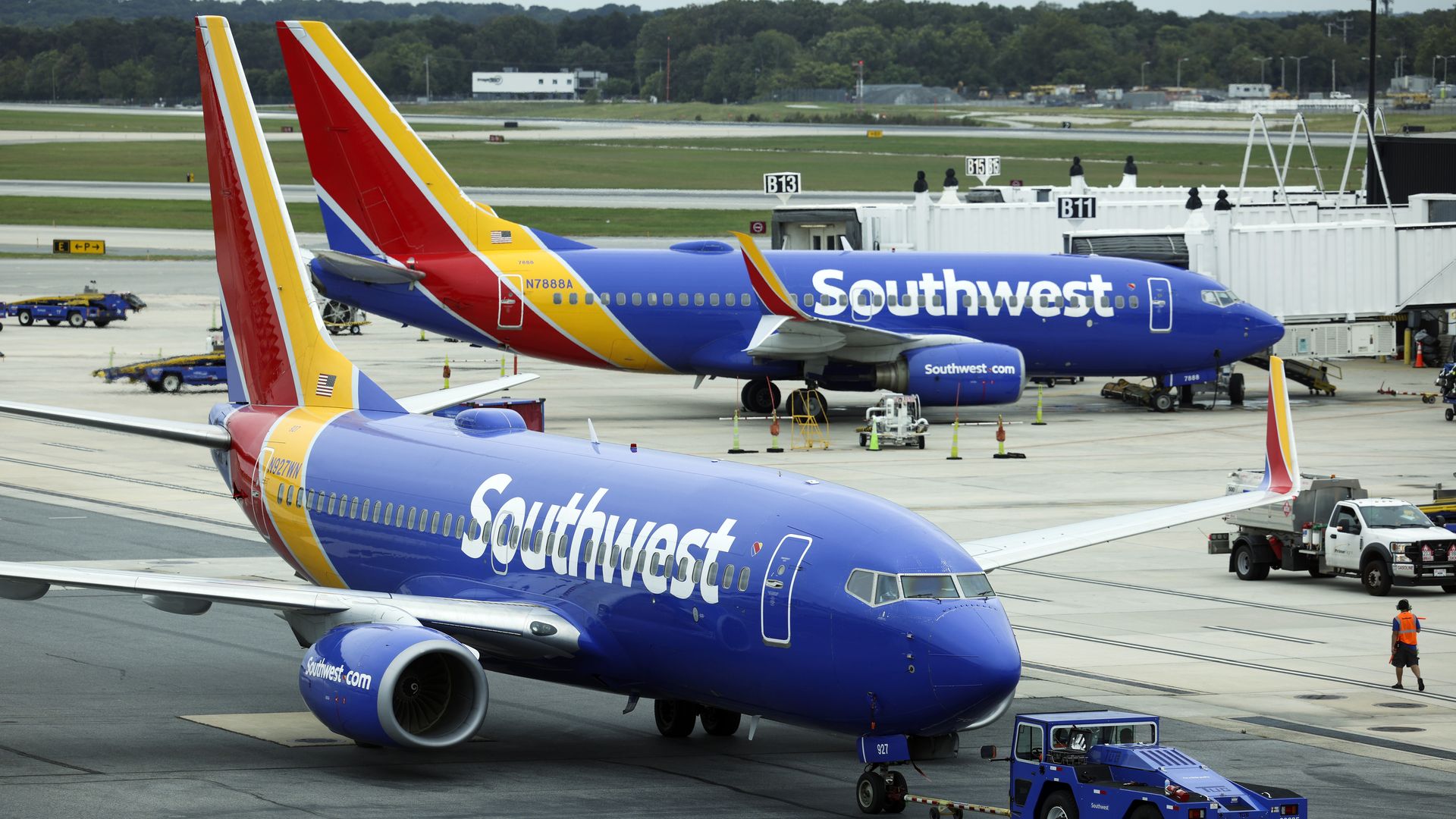
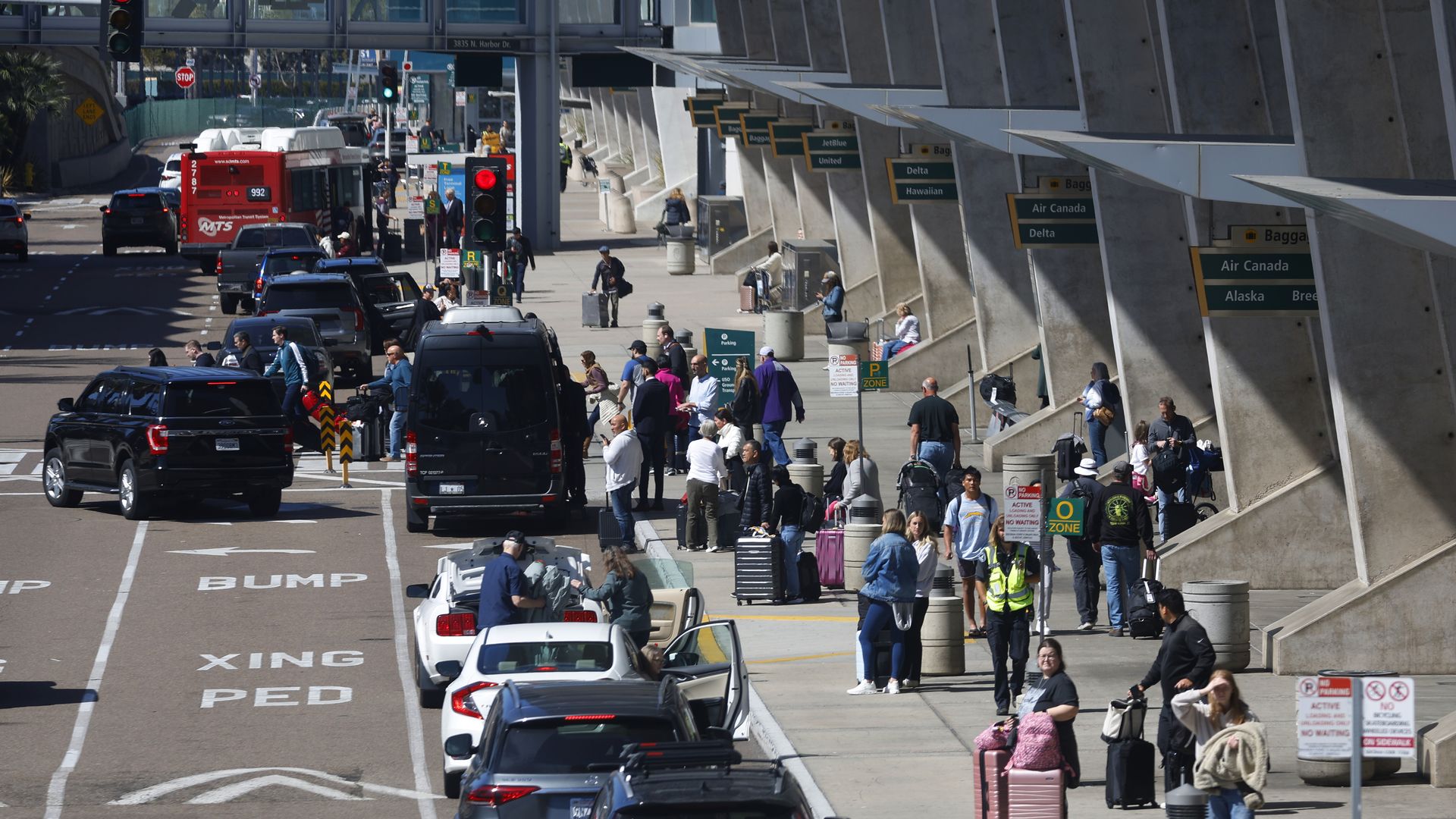
Dallas-based Southwest Airlines announced Tuesday that it would soon end its free checked bags policy.
Why it matters: Southwest, a major airline at Hobby Airport, has long touted that "bags fly flee," a calling card for the company throughout its 54-year history.
The National Transportation Safety Board "urgently recommended" Tuesday that the Federal Aviation Administration permanently prohibit helicopter traffic near Reagan National Airport when two runways are in use following the deadliest aviation disaster in the U.S. in decades.
The big picture: Reagan National Airport has the nation's busiest runway, while commercial planes and choppers, often carrying top officials, share the nearby airspace. The midair collision that left 67 dead amplified long-held concerns about congestion in the busy skies around DCA.
President Trump's new FTC chair Andrew Ferguson told a group of big business CEOs on Tuesday that he wouldn't let proposed deals "die on the vine," but warned them not to expect automatic approval for big mergers.
Why it matters: Ferguson is explaining the Trump administration's approach to M&A, giving fresh guidance to the group it will need to help bolster the economy and usher in a new age of prosperity.
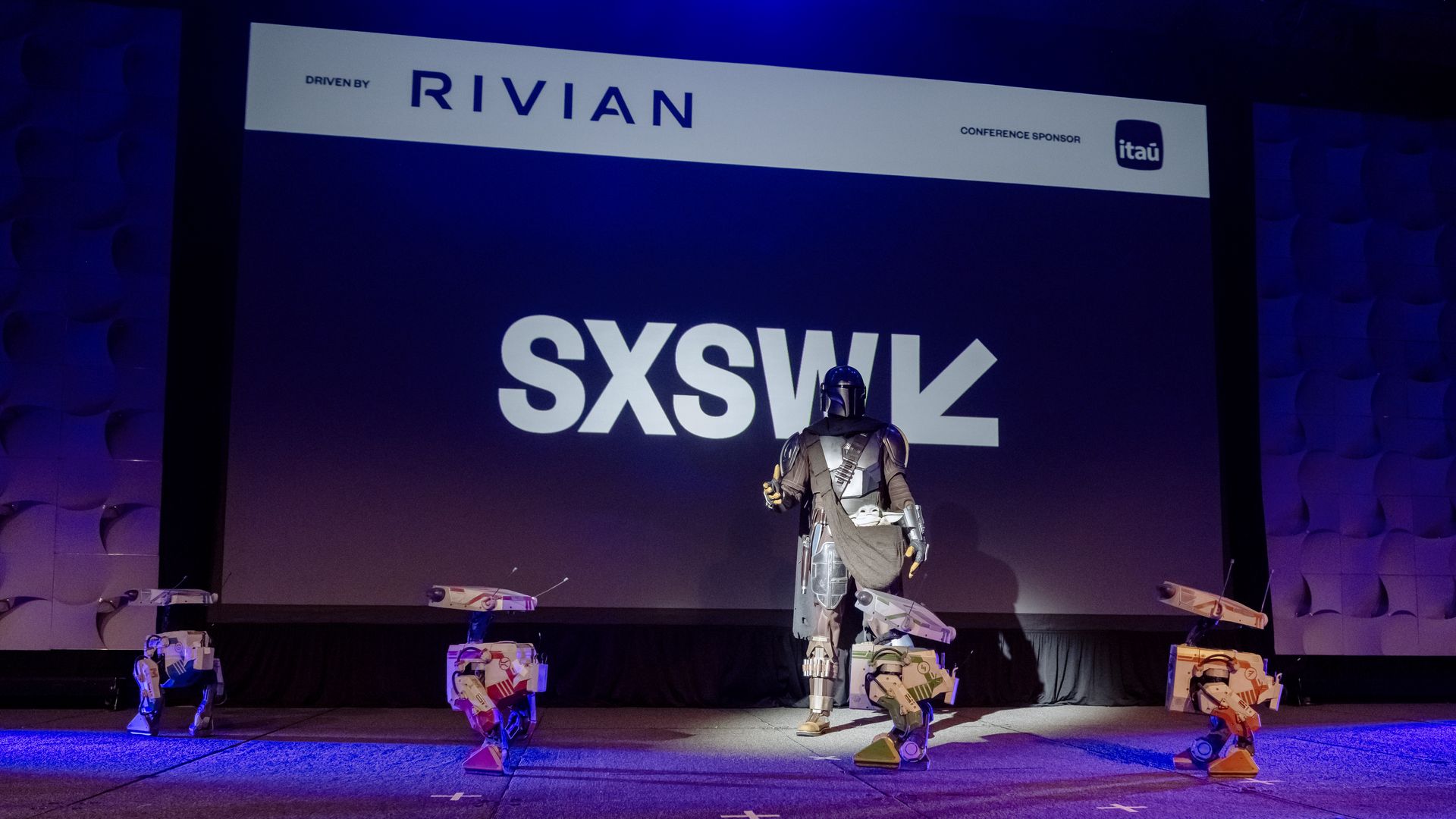
Disney's $1.5 billioninvestment in Epic Games last year is part of a broader push to amplify its franchise flywheel with new tech, Disney Experiences chair Josh D'Amaro and Disney Entertainment co-chair Alan Bergman told Axios in an interview from SXSW.
Why it matters: "From an investor point of view, the combination of strong IP and ambitious investment leads to returns," D'Amaro said.
Last week we wrote than an economic downturn could create upside for venture capital and private equity, particularly as a forcing mechanism on revaluations.
While waiting for that to play out, another thought: Boy, did private market investors blow it.
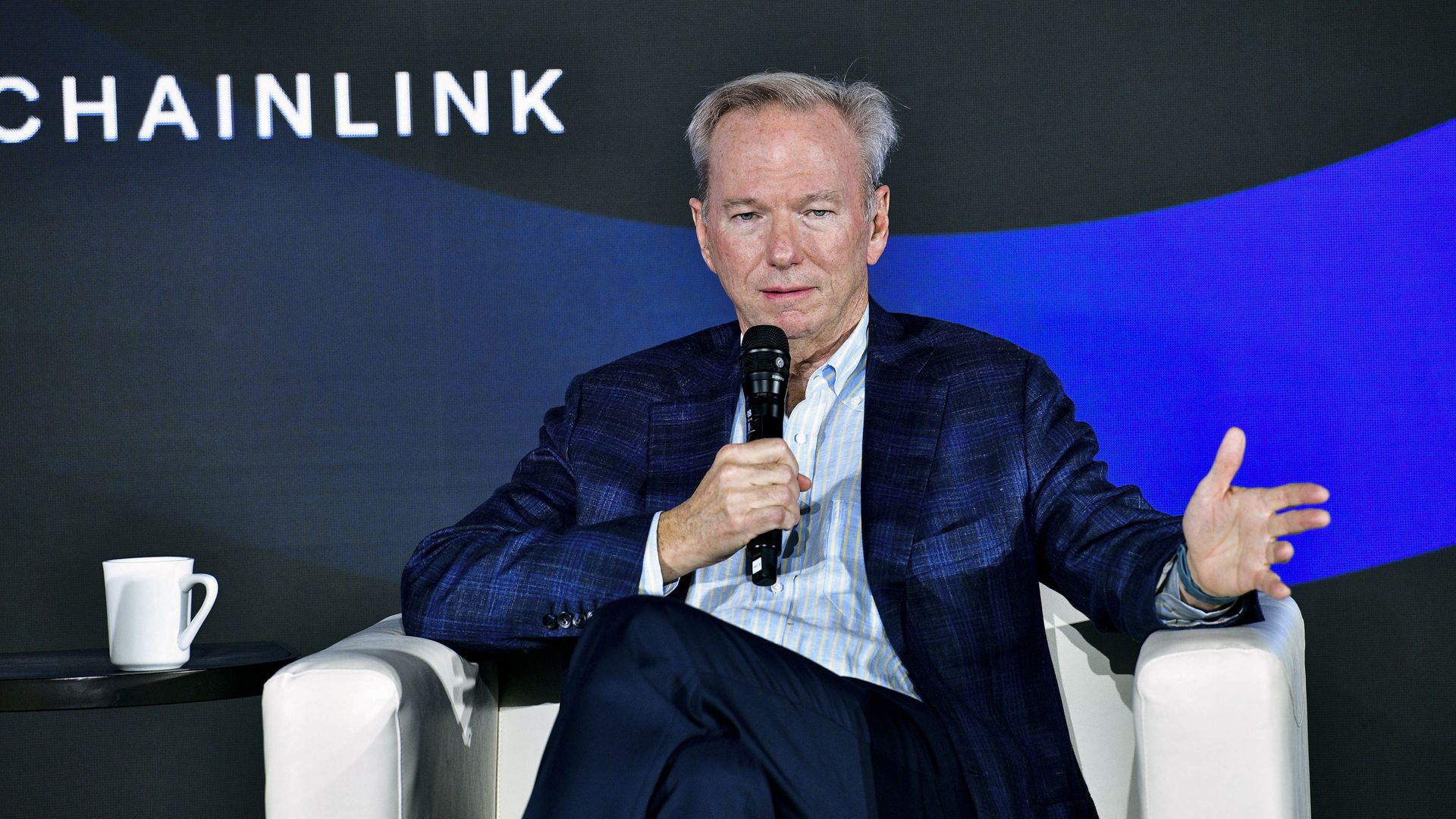
Eric Schmidt has acquired a control stake in Relativity Space, a Long Beach, Calif.-based rocket maker, and taken over as CEO.
Why it matters: This will be Schmidt's first CEO job since leaving Google's top post more than 14 years ago, and is a reminder of how fast the space industry can burn venture capital.
Adam Neumann's media company The Flow Trip is profitable with 13,000 paid subscribers, the billionaire businessman and WeWork founder told Axios in an interview.
Why it matters: It's part of Neumann's residential real estate startup, Flow, which was valued at over $1 billion after a16z invested $350 million in the company in 2022.
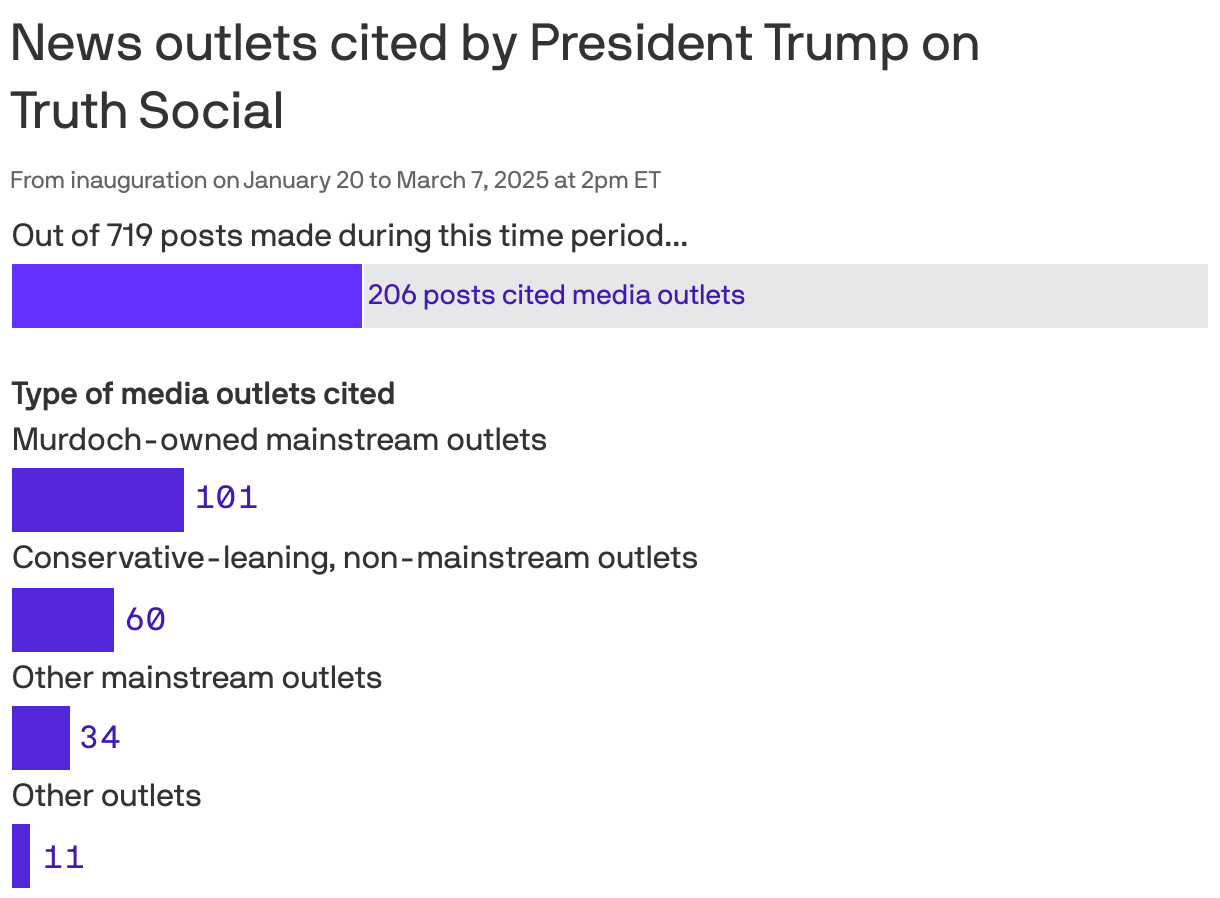
Data: Axios analysis of Truth Social data; Chart: Jacque Schrag/Axios Visuals Note: Other mainstream outlets include CBS, CNN, New York Times, Washington Post, Newsweek, Daily Mail, CNBC, AP, Reuters, Arizona Republic, and USA Today. Murdoch-owned outlets cited include Fox News, Fox Business, New York Post, Wall Street Journal and Times UK. Conservative media that's not mainstream include Daily Caller, RSBN, OANN, Newsmax, Gateway Pundit, Townhall, Daily Signal, Breitbart, and Daily Wire.
Nearly half (49%) of the media companies cited by President Trump in his Truth Social posts since his inauguration are Murdoch-owned, according to an Axios analysis. Around 17% are mainstream outlets, including ones he's suing or has banned.
Why it matters: While Trump relies heavily on MAGA-affiliated influencers and media to reach his base, his Truth Social activity shows how much he still cites mainstream outlets for credibility and reach.
Three of the largest U.S. airlines have cut their revenue or earnings forecasts since Monday's market close, with all citing weakening consumer demand.
Why it matters: Indications are piling up, almost by the hour, that consumers — the engine of the U.S. economy — are losing their nerve amid tariff uncertainty and rising recession fears.
The still-low unemployment rate hides the bleak new reality for employees: rising fears of layoffs, uncertainty about the health of employers' business, and plummeting hope of finding other work.
Why it matters: High inflation crushed optimism in the Biden era. Now concern about the labor market and the economy is helping sink sentiment, a result of President Trump's fast-moving policy, including federal cutbacks.
Seven weeks into the second Trump administration, one thing has become clear: It's better to be a trader than an investor.
Why it matters: Donald Trump is by far the most unpredictable president in living memory, which means he's by far the most likely to do something unexpected that moves markets.
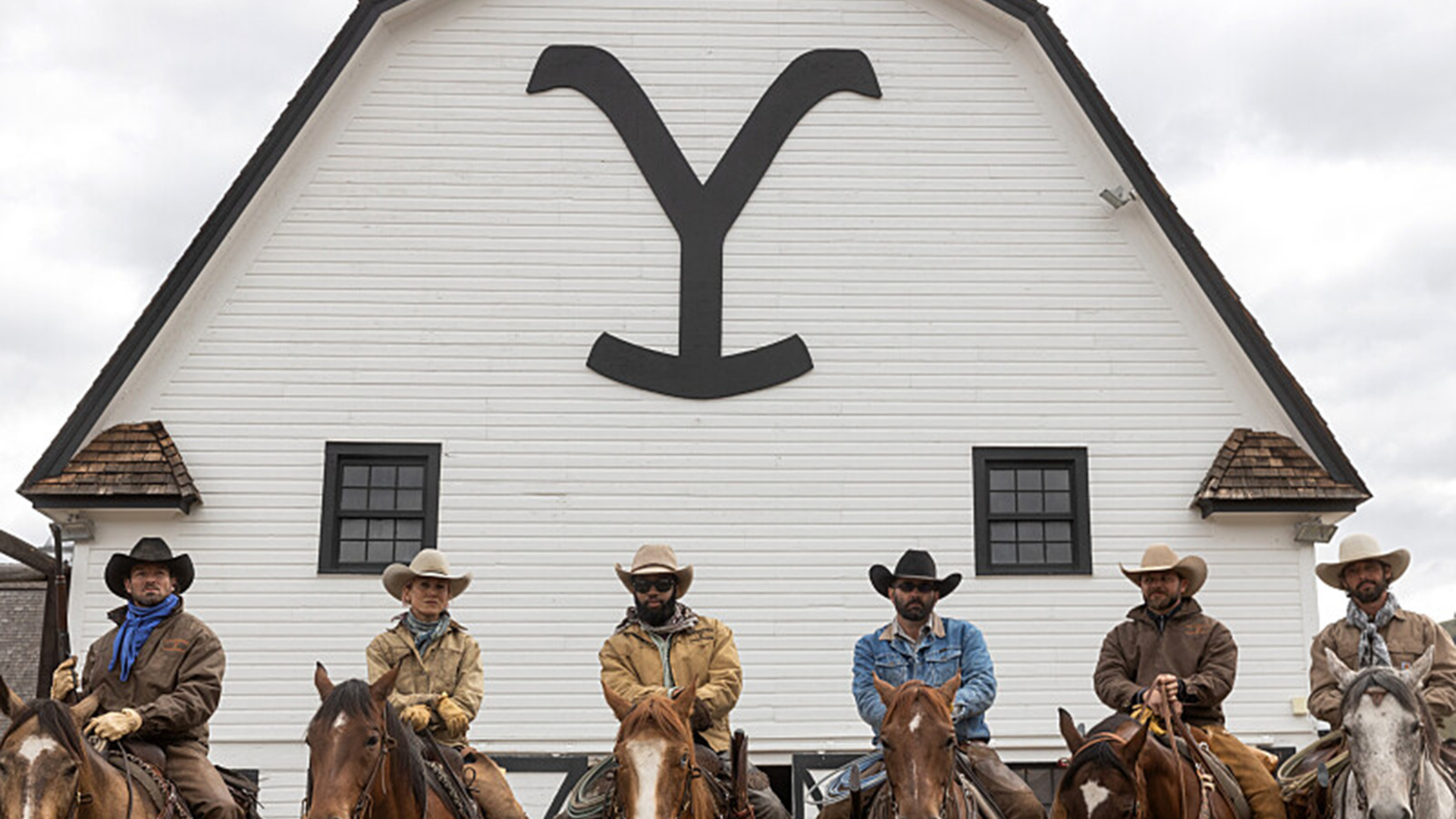
"Yellowstone" was the most-searched title in the U.S. during the first six months of the COVID pandemic, according to data from Roku.
The big picture: Viewers in Arkansas, Kansas, Missouri, Montana, Nebraska, Oklahoma and Wyoming were more likely to search for the neo-Western drama than the average U.S. household.
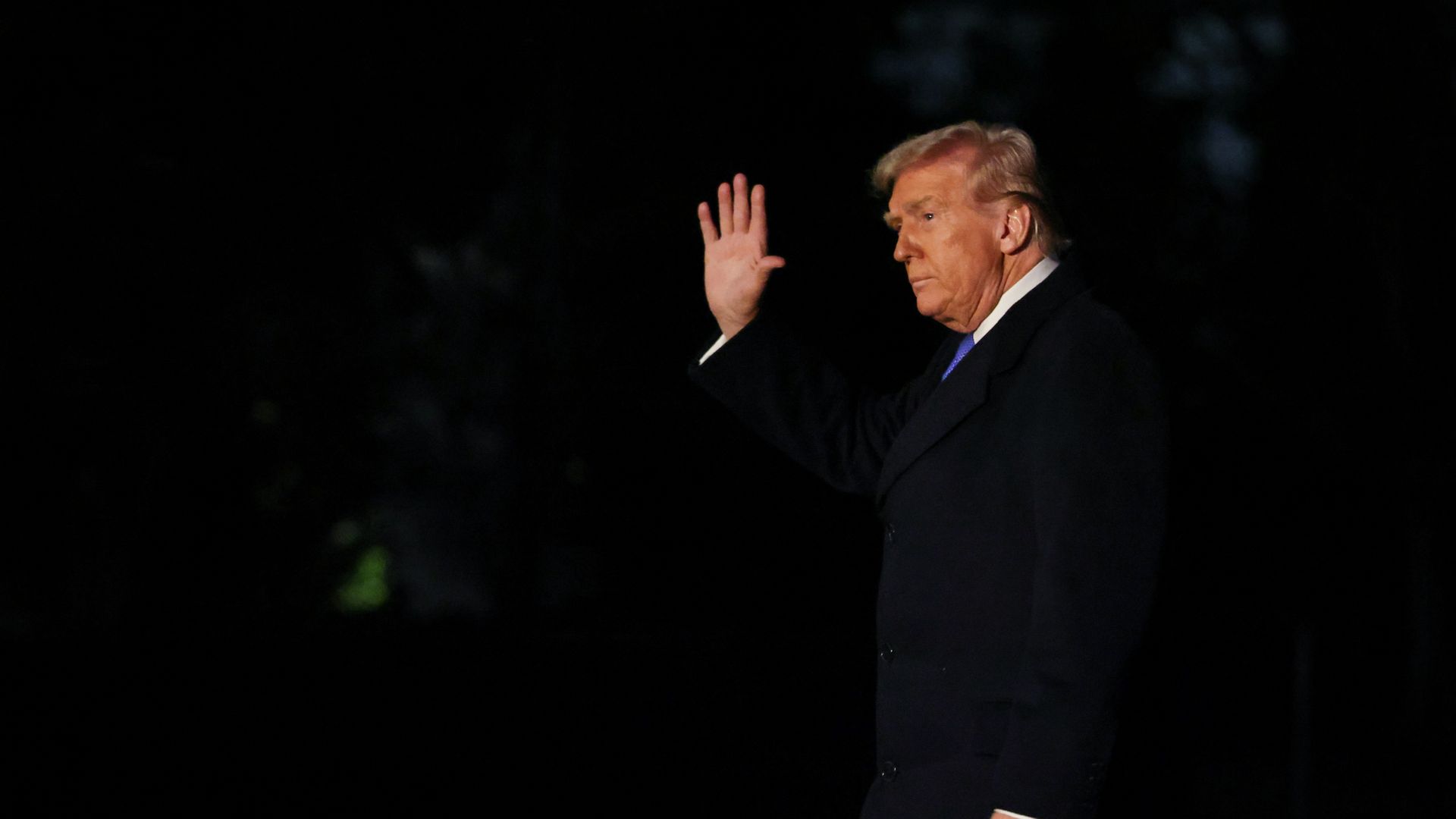
President Trump said Monday he will "lead the charge" to oust Rep. Thomas Massie (R-Ky.) for his refusal to support Republicans' government funding bill.
Why it matters: A doctrinaire libertarian, Massie has been a persistent thorn in the side for both Trump and House Speaker Mike Johnson (R-La.) by defecting on key votes and imperiling major GOP legislation.