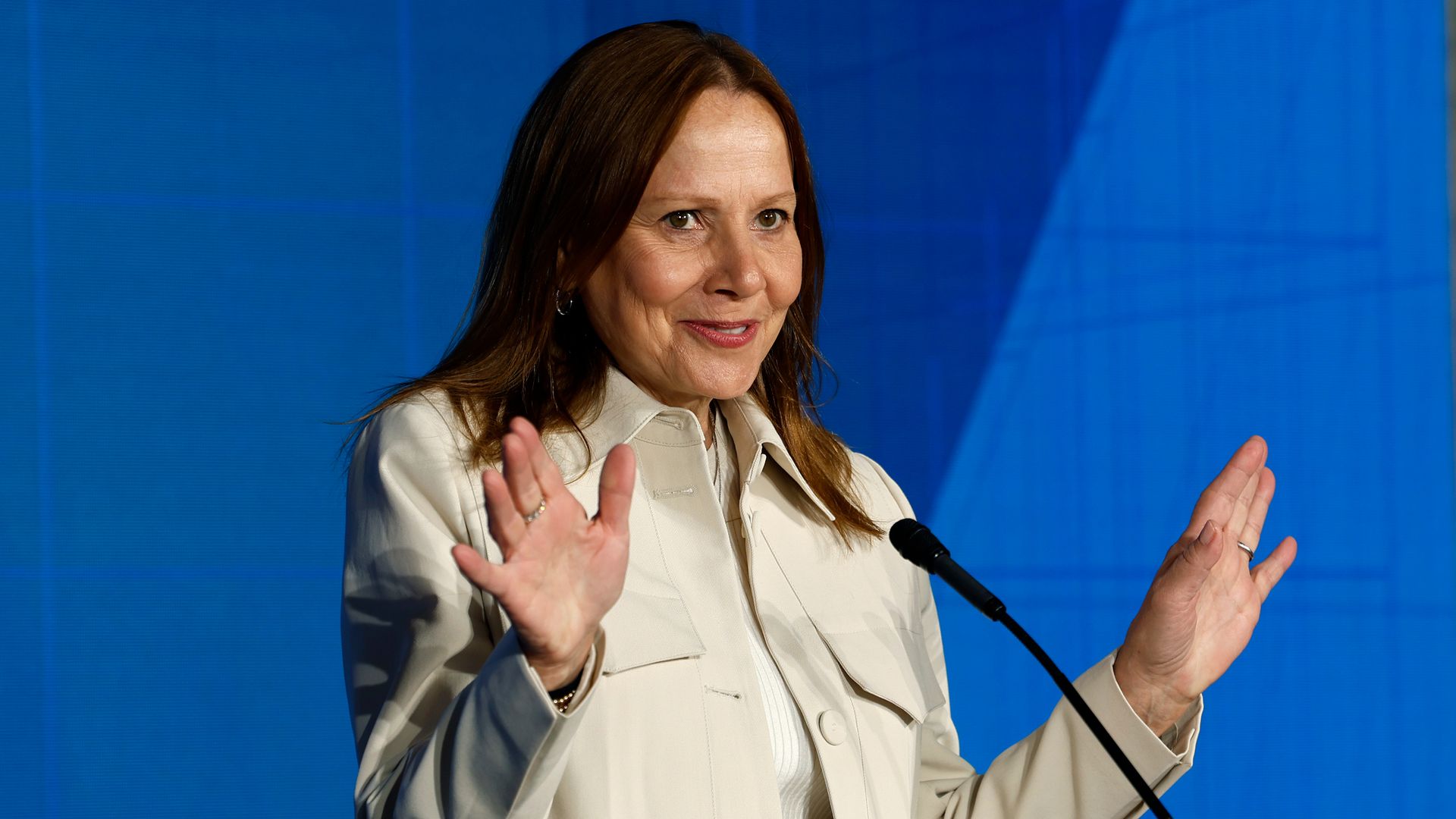
General Motors CEO Mary Barra said Wednesday the automaker is aligned with President-elect Trump's goal of boosting American manufacturing, despite tensions with him when he was first in the White House.
Why it matters: Trump is expected to pursue a wide range of policies that would directly affect the auto industry.
In the AI chips race, Nvidia is No. 1. But it's Lisa Su — CEO of Nvidia's biggest competitor, AMD — who is Time's business leader of the year.
What they're saying: AMD "really is one of the great turnaround stories of modern American business history," Chris Miller, a semiconductor industry historian, tells Time.
The big picture: The stock has grown from $3 to $140 over the past decade of her leadership.
That astronomical growth is a reflection of Su's redesign of the company's processor products, repairing of customer relationships, and strategic steering of AMD through industry changes, including the rise in demand for AI computing power.
In the past year, AMD's projected revenue from specialized AI chip sales has grown from essentially zero to $5 billion, Time notes.
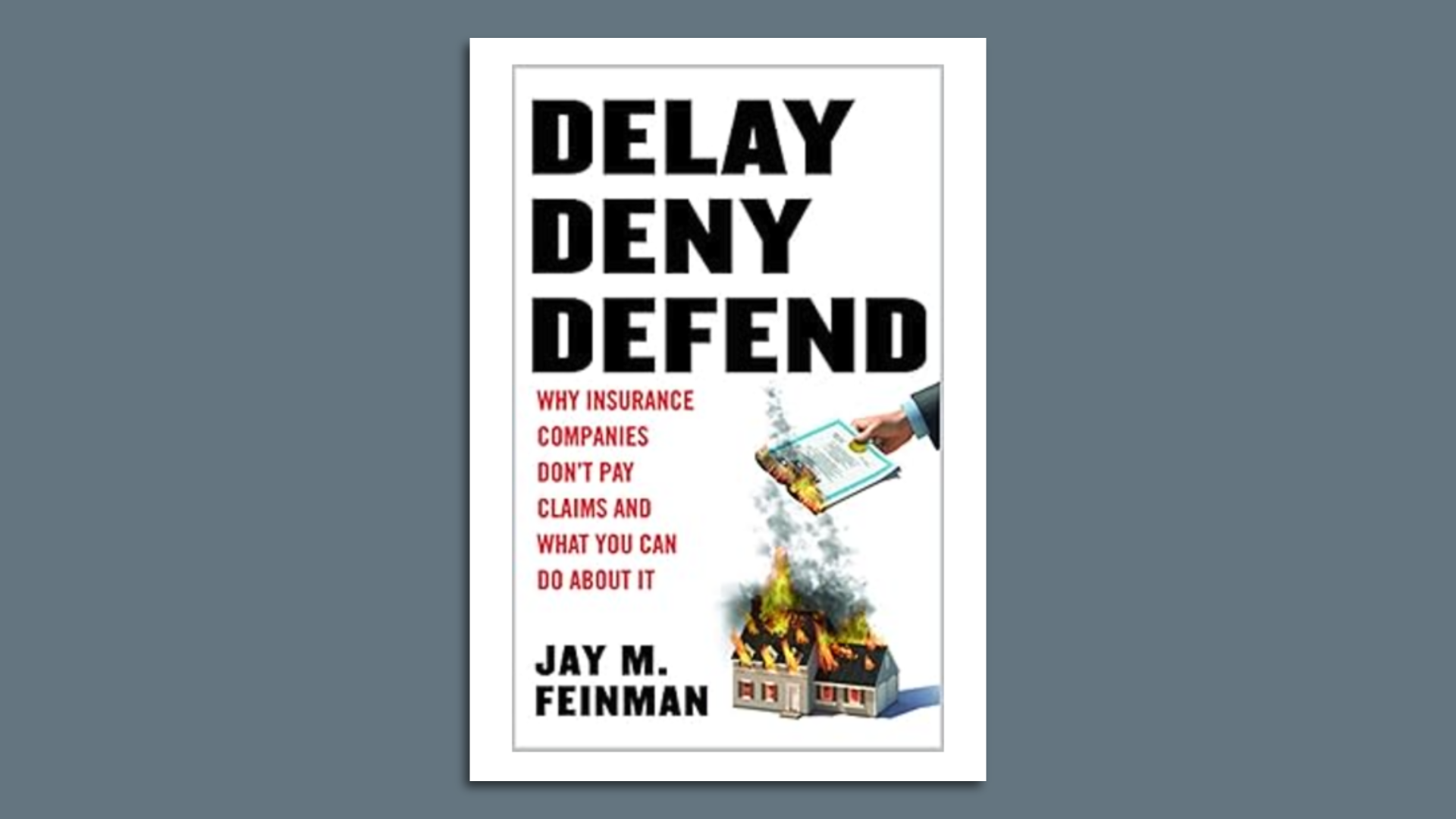
A week after the shooting death of UnitedHealthcare CEO Brian Thompson, a book criticizing the U.S. health care industry skyrocketed to the top of an Amazon bestseller list.
The big picture: Author Jay Feinman's "Delay, Deny, Defend: Why Insurance Companies Don't Pay Claims and What You Can Do About It" is second on the site's nonfiction bestseller list Wednesday. The words "delay," "deny" and "depose" were found etched on bullet casings at the site of the CEO's killing.
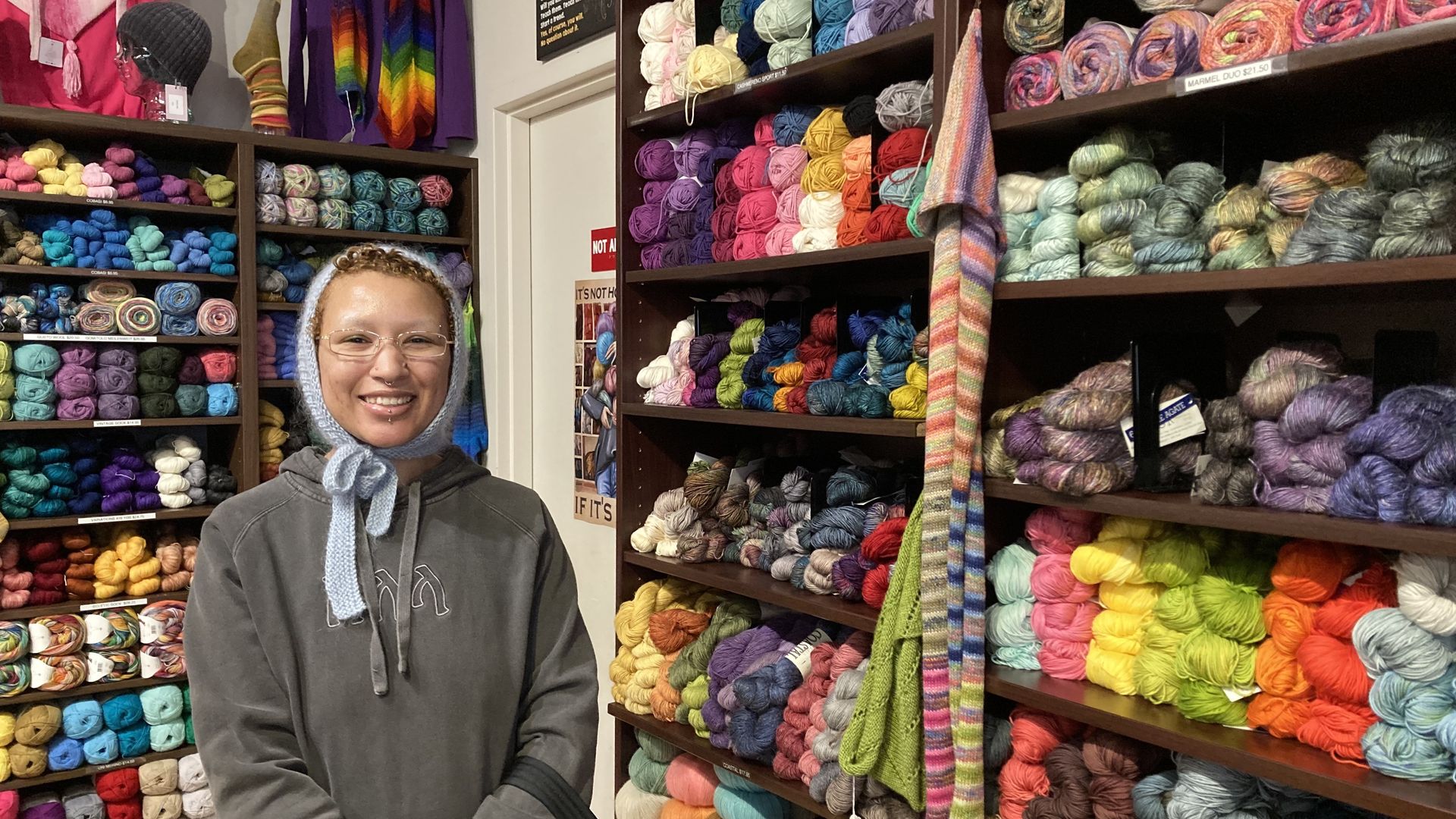
Hobbies like knitting, sewing and quilting are helping Seattleites of all ages rediscover textile crafts, build new skills and invest time creating clothing that will last.
The big picture: Gardening and homesteading, needlepoint, crochet — all of these activities typically enjoyed by boomers are taking off with younger generations, according to TikTok.
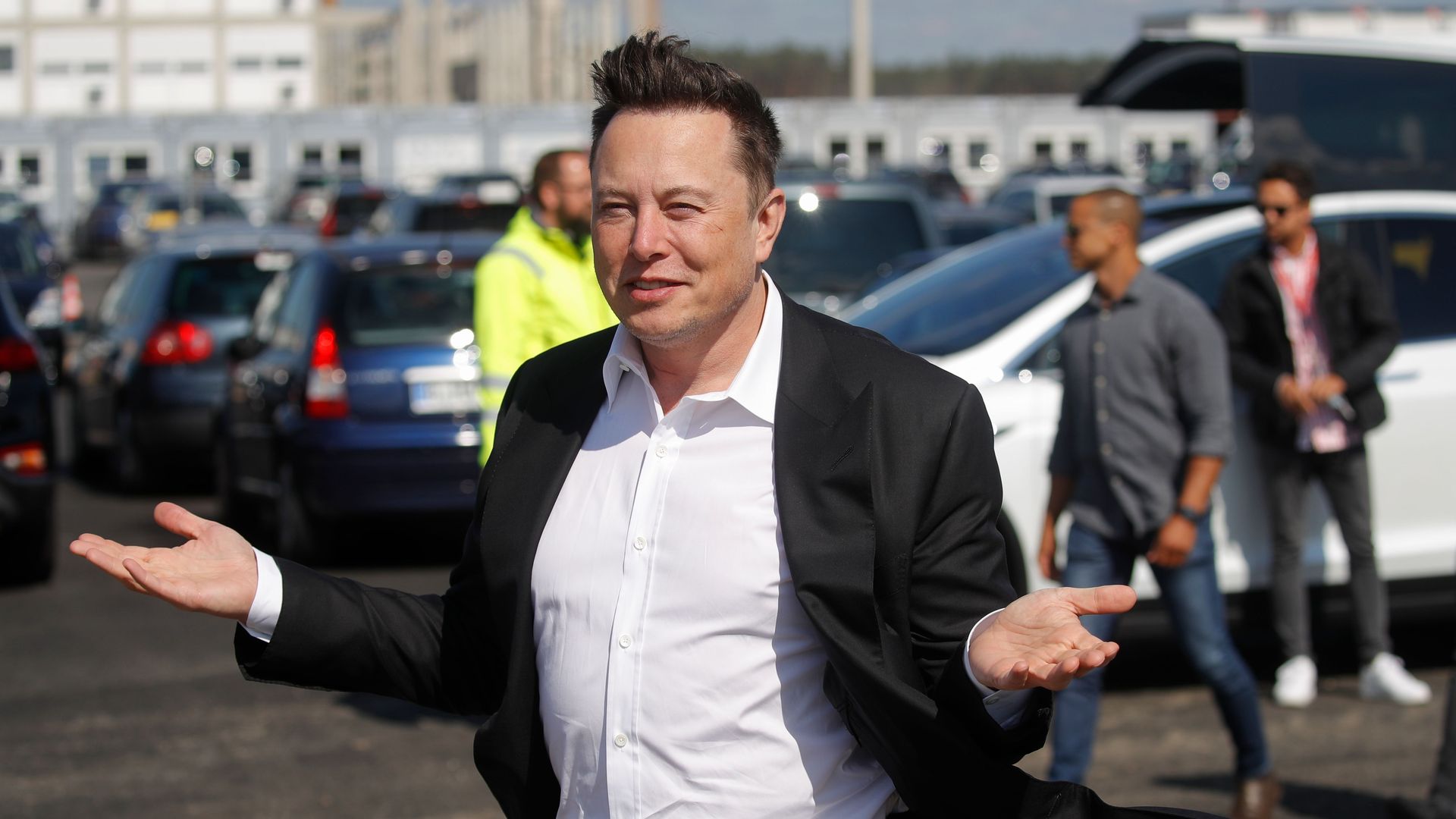
Teslas make a statement, now literally — a growing number of owners are using bumper stickers to disassociate themselves from billionaire CEO Elon Musk as he deepens his alliance with President-elect Trump.
Why it matters: Matthew Hiller, an Etsy vendor selling anti-Musk bumper stickers, said he's experienced a surge in business since Musk started campaigning with Trump, The New York Times reports.
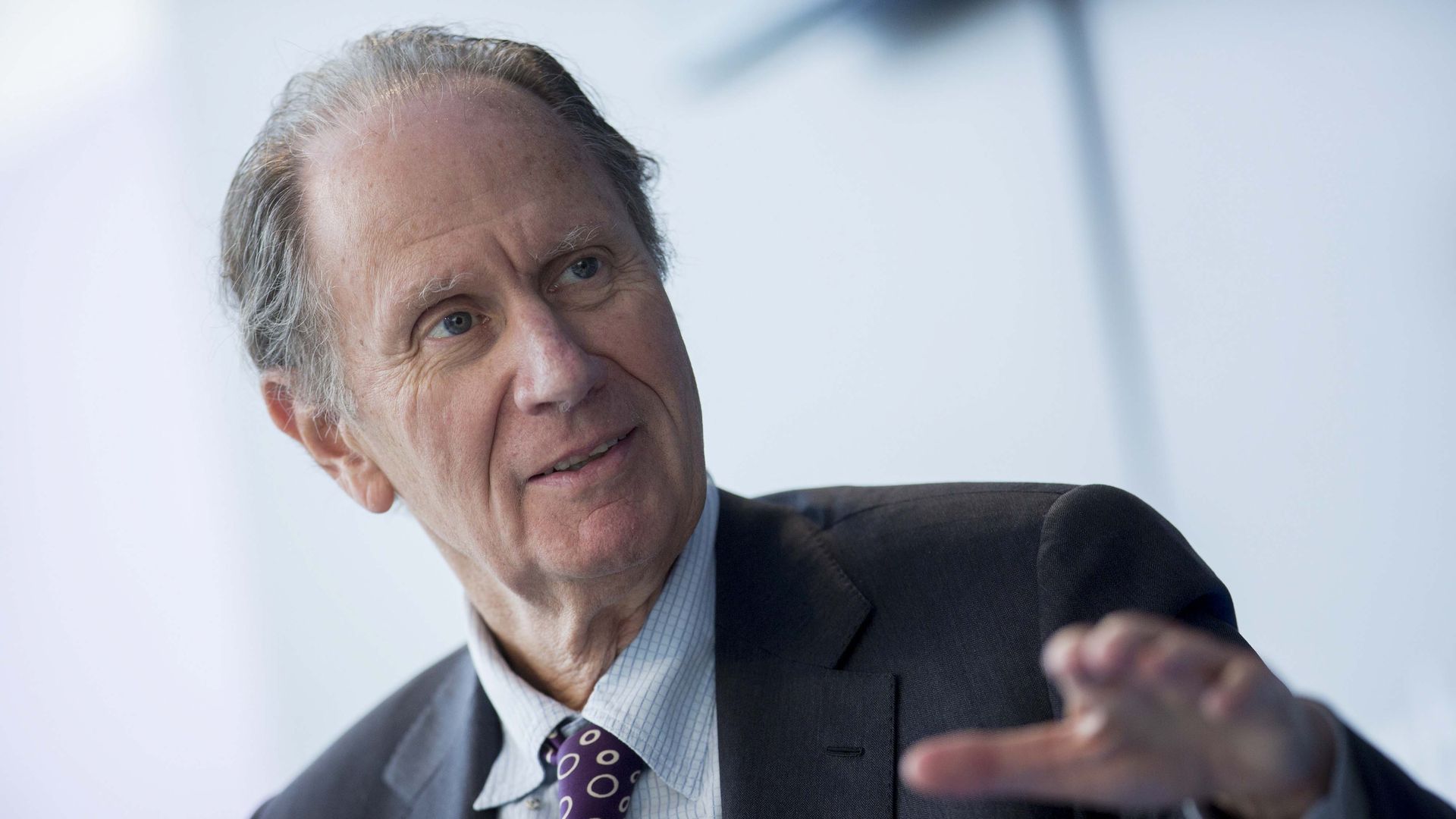
David Bonderman, the co-founder of private equity firm TPG and owner of the NHL's Seattle Kraken, died on Wednesday at the age of 82.
The big picture: Bonderman was one of the most powerful and influential private equity investors ever, helping push the cottage industry into the mainstream.
The Buffalo Bills and Miami Dolphins each have agreed to sell minority ownership stakes to private equity, the first such deals in National Football League history.
Why it matters: The NFL had been the last major U.S. sports league to allow institutional investors to hold stakes in teams, approving new rules back in August.
The Consumer Price Index rose 2.7% in the 12 months through November — a bigger increase than the prior month — while the core measure that excludes energy and food prices rose 3.3%, the Labor Department said on Wednesday.
Why it matters: Inflation has plunged since the height of the crisis, but progress on cooling it further stalled out again last month.
Did a group of Democratic politicians, principal among them Elizabeth Warren, deliberately cripple the crypto industry by forcing banks to "debank" those companies and their executives? There's a short answer and a long answer to that question.
The defense world was buzzing over the weekend as the U.S. Air Force punted a decision on its futuristic fighter into the new year and into the hands of an administration that could doom it.
Why it matters: A shape-shifting, multibillion-dollar military endeavor feels like an easy target for an administration obsessed with government bloat.
The public trusts Anthony Fauci more than President-elect Trump and his incoming health team as a source of medical information, according to the latest Axios-Ipsos American Health Index.
But Robert F. Kennedy Jr.'s focus on safe food and nutrition clearly resonates with many Americans, who see chemicals and unsafe additives as a bigger health risk than climate change or infectious diseases.
A group of Donald Trump's MAGA allies is seizing on his election to push a new ETF focused on investing in companies that reject diversity, equity and inclusion (DEI) initiatives, which Trump has railed against.
Why it matters: The fund — pitched to potential investors last week during a meeting at Mar-a-Lago — is the latest example of a Trump-inspired backlash to corporations and retailers that some conservatives see as promoting overly progressive social agendas.
Zoom in: Trump's team says the president-elect isn't involved with the ETF, which is dubbed the Azoria Meritocracy fund.
But the fund's CEO and co-founder James Fishback is a friend of Trump ally Vivek Ramaswamy. And last week, Trump himself popped into the meeting of potential investors, who included Cathie Wood, founder of Ark Invest.
Fishback says the new fund will mirror the S&P 500 index — but will exclude three dozen companies that it sees as using DEI quotas in hiring or promotions. They include:
Starbucks, which has said it wants to "achieve racial and ethnic diversity of at least 30% at all corporate levels and 40% of all retail and manufacturing roles by 2025." (Starbucks, in a statement to the Financial Times, said its diversity goals had expired and were not renewed.)
Best Buy, which aims for "1 in 3 new corporate salaried positions to be filled by BIPOC," or Black, Indigenous, and people of color.
The United Rentals equipment company, which wants 40% "gender and ethnic diverse representation" in U.S. sales and management roles.
What they're saying: "When great companies ... throw hiring standards out the window as they race to 'out-woke' one another, the inevitable result is mediocrity and underperformance," Fishback said.
Fishback noted that if the excluded companies change their hiring practices they could be added back into the actively managed fund, which launches early next year.
Trump supporters see the fund as an opportunistic reflection of Trump winning the election and following through on his promises to resist DEI initiatives.
"What makes the promise of those elections actually be fulfilled is the starting of new institutions," said Kevin Roberts, president of the Heritage Foundation.
The big picture: A growing crowd of conservative players are putting their names or money behind similar efforts.
Rather than join his father's administration, Trump's son Don Jr. joined the 1789 Capital venture firm, which invests in a "parallel economy" of companies and products with conservative values. He also joined the board of the MAGA-friendly shopping platform PublicSquare, causing shares of its stock to jump.
Ramaswamy's Strive Asset Management is known as an anti-ESG firm, meaning it rejects companies' environmental, social and governance policies that Strive says conflict with investors' interests.
Vice President-elect JD Vance and mega-investor Peter Thiel are among the most prominent backers of Strive, which has more than $1 billion in assets across several ETFs. One of its funds, in a seeming echo of Trump's "Drill baby, drill," slogan, invests heavily in oil and gas companies and operates under the ticker DRLL.
Between the lines: Trump's election and pressure from conservative activists are leading some of the biggest players in corporate America and higher education to drop or trim their DEI policies.
Such programs have been designed to counter decades of bias and underrepresentation affecting minorities, women and LGBTQ+ people.
They've also been shown to reduce employee attrition and increase motivation. But Trump and his allies have cast the programs as creating bias, particularly against white people.
Walmart rolled back its DEI programs last month, announcing it would notrenew a racial equity center or participate in the Human Rights Campaign's annual benchmark index that measures workplace inclusion for LGBTQ+ employees.
Conservatives also are reviving an effort to push for "fair access" rules aimed at ensuring that politically controversial businesses such as gun manufacturers and fossil fuel companies can't be blocked from banking services.
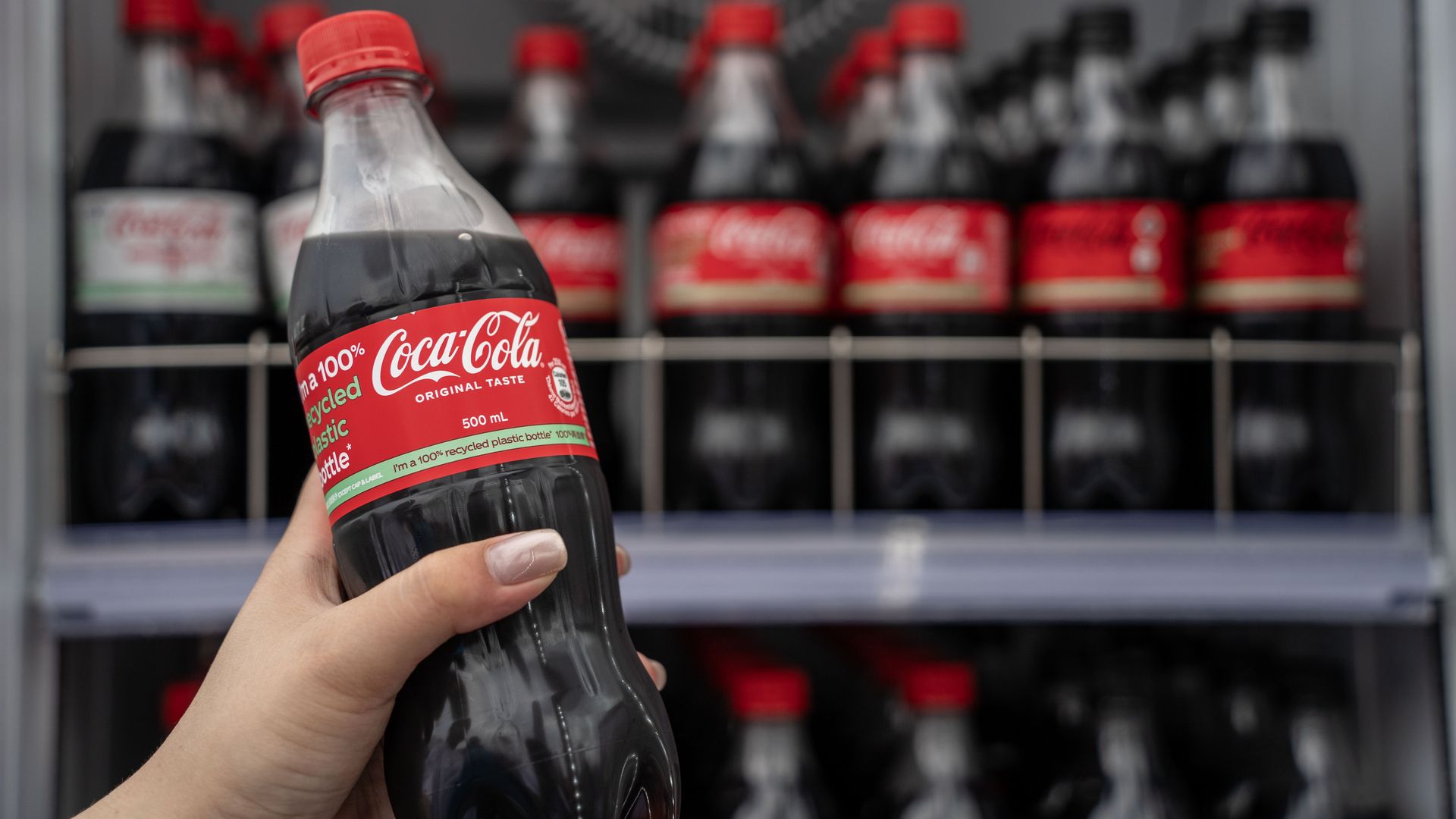
Coca-Cola and 10 other major food companies are accused in a lawsuit from a Pennsylvania teenager of "engineering" ultra-processed products to be addictive, marketing the items towards children and allegedly causing chronic disease in kids.
The big picture: Bryce Martinez alleges in the "first-of-its kind" lawsuit the actions of the firms that also include Kraft Heinz, Mars and PepsiCo "caused him to develop Type 2 Diabetes and Non-Alcoholic Fatty Liver Disease by age 16," per a statement from Morgan & Morgan, the major national personal injury attorneys representing the teen in the case.