JPMorgan Chase wants to replenish banking deserts — areas with very low branch access in the U.S. — by opening nearly 100 new locations in low-income areas, WSJ reports.
Why it matters: The pandemic accelerated the trend of bank branch closures, which have disproportionately impacted communities with high concentrations of lower-income, Asian, Black and disabled residents, many of whom still prefer to bank in person.
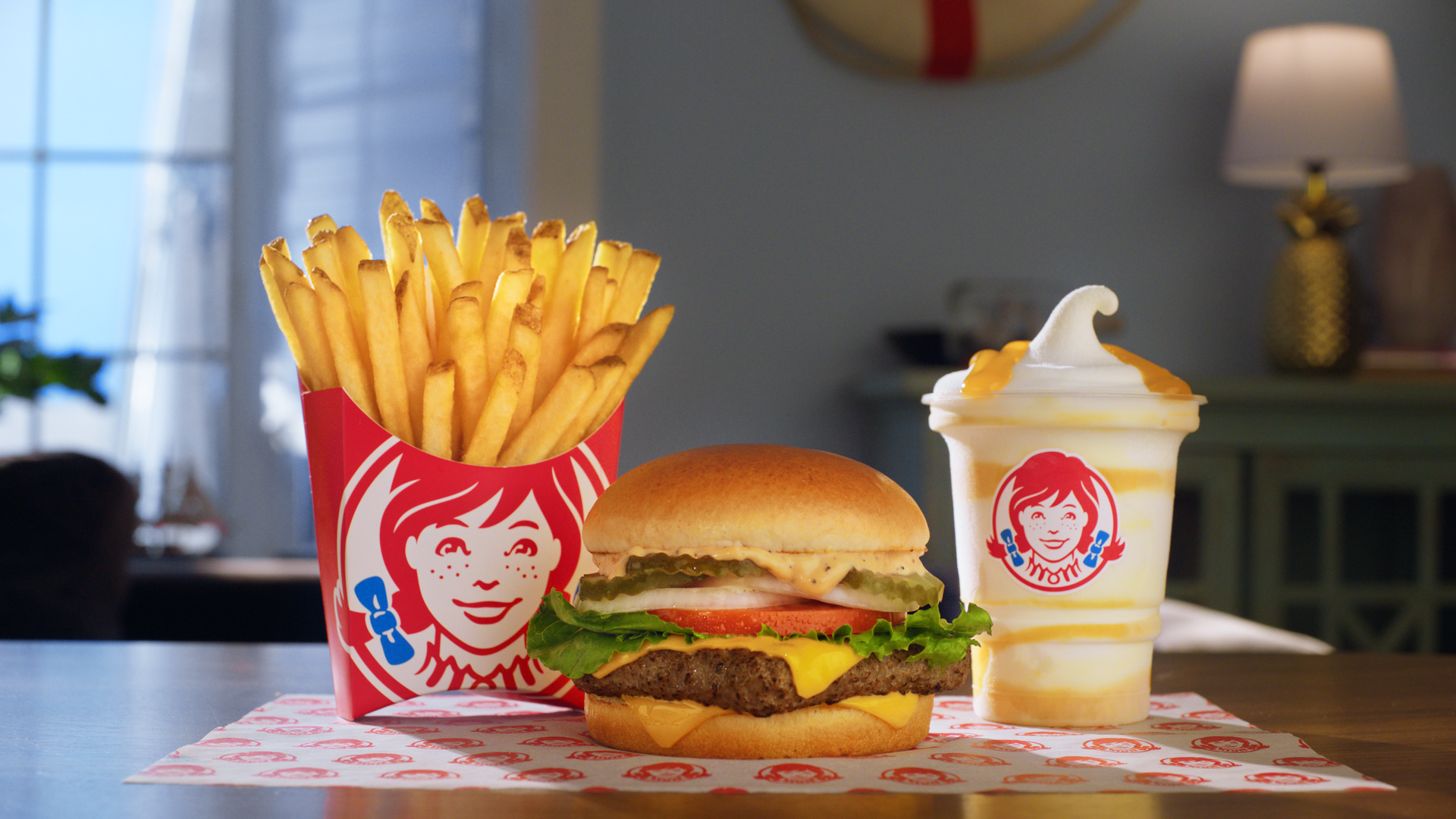
Wendy's is celebrating the 25th anniversary of SpongeBob SquarePants with "Krabby Patty" cheeseburgers and a new "Pineapple Under the Sea" Frosty.
The big picture: The fast-food chain, known for its square-shaped burgers, is the latest to lean into nostalgia with its limited-time menu items that launch Oct. 8.
The prediction market startup Kalshi is clear, for now, to offer markets on which party will control each house of Congress after the next election.
Why it matters: Smaller markets offering bets on elections have existed for a long time and, per a federal appeals court ruling Wednesday, regulators objecting to Kalshi's markets were not able to show compelling evidence that those markets caused real harm to the public interest.
OpenAI announced on Wednesday it has completed its long-anticipated funding round, raising $6.6 billion in the largest venture capital deal of all time, which values the company at $157 billion.
The intrigue: OpenAI is planning to shift to a for-profit structure and investors can ask for their money back if it hasn't completed those changes in two years, Axios has learned.
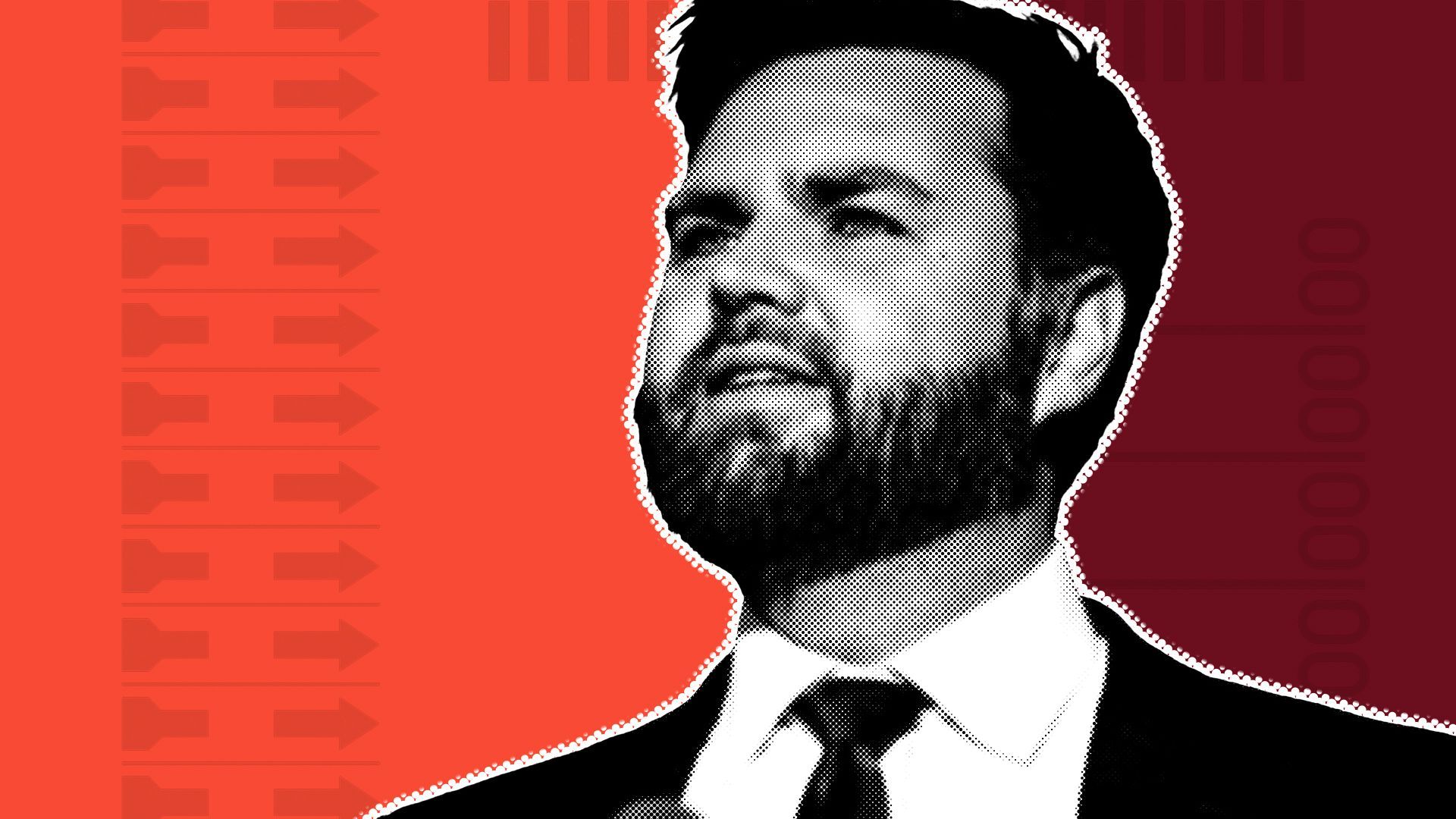
A former venture capitalist was on the national debate stage last night, but you wouldn't have known it by watching.
The big picture: JD Vance didn't once mention his business background during the tranquil tussle with Tim Walz — a notable omission, given that Vance, spent more time as a VC than he did as a soldier, lawyer, or politician.
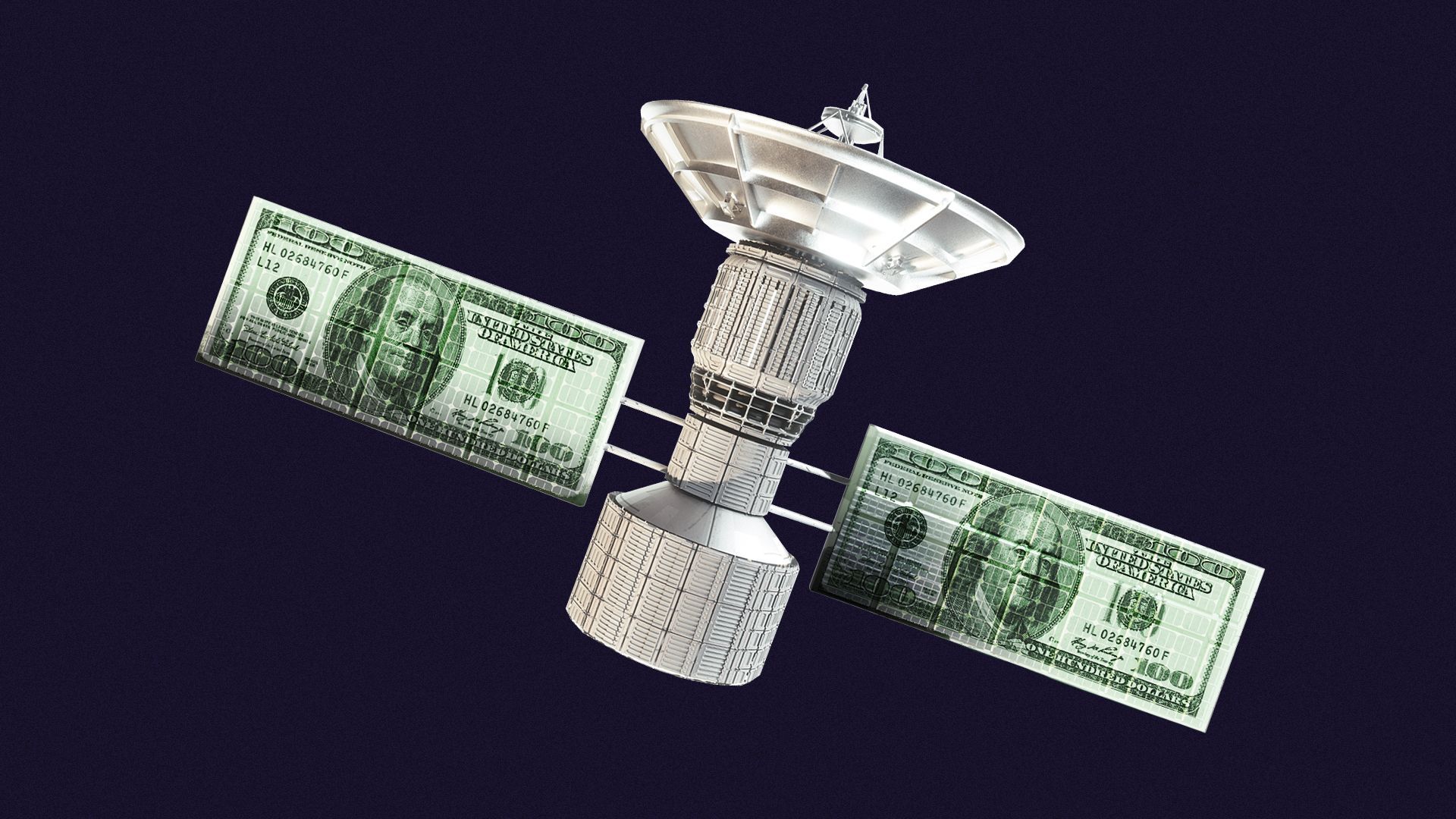
Impulse Space, a California-based developer of orbital transfer vehicles, raised $150 million in Series B funding led by Founders Fund.
Why it matters: Impulse is led by the first employee at SpaceX, Tom Mueller, and intends to serve as a last-mile logistics provider for the satellite and payload boom that SpaceX helped enable.
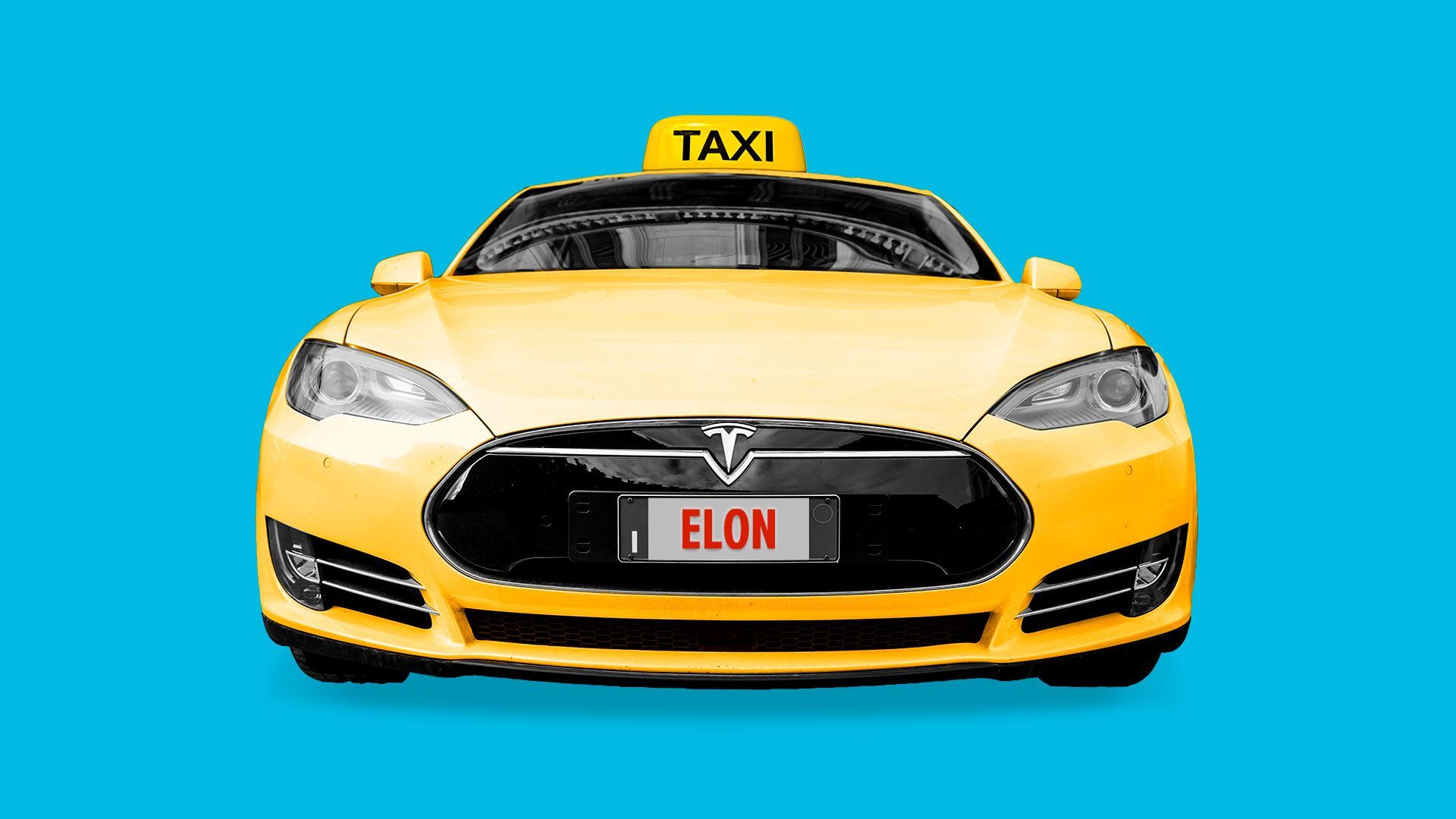
Tesla CEO Elon Musk has been promising self-driving taxis for years. Skeptics and true believers will find out soon whether he can deliver.
Why it matters: With new competitors eating into Tesla's electric vehicle market share, Musk is now betting the company on artificial intelligence, including robotaxis.
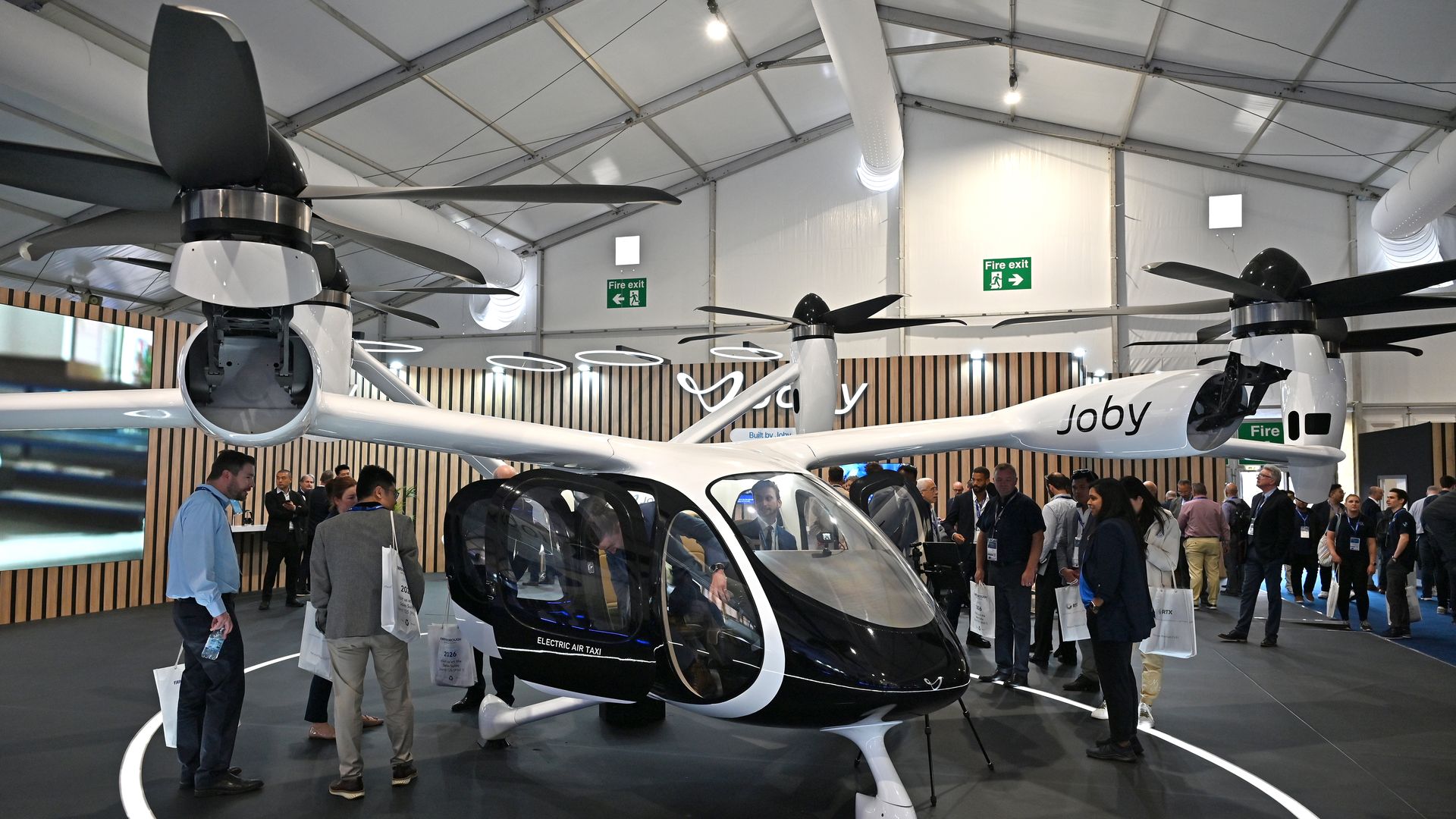
Electric air taxi startup Joby Aviation has landed a $500 million investment from Toyota in a deal that will also involve further collaboration on manufacturing.
Why it matters: The deal is further validation of Joby's vision for commercializing electric vertical takeoff and landing (eVTOL) aircraft.
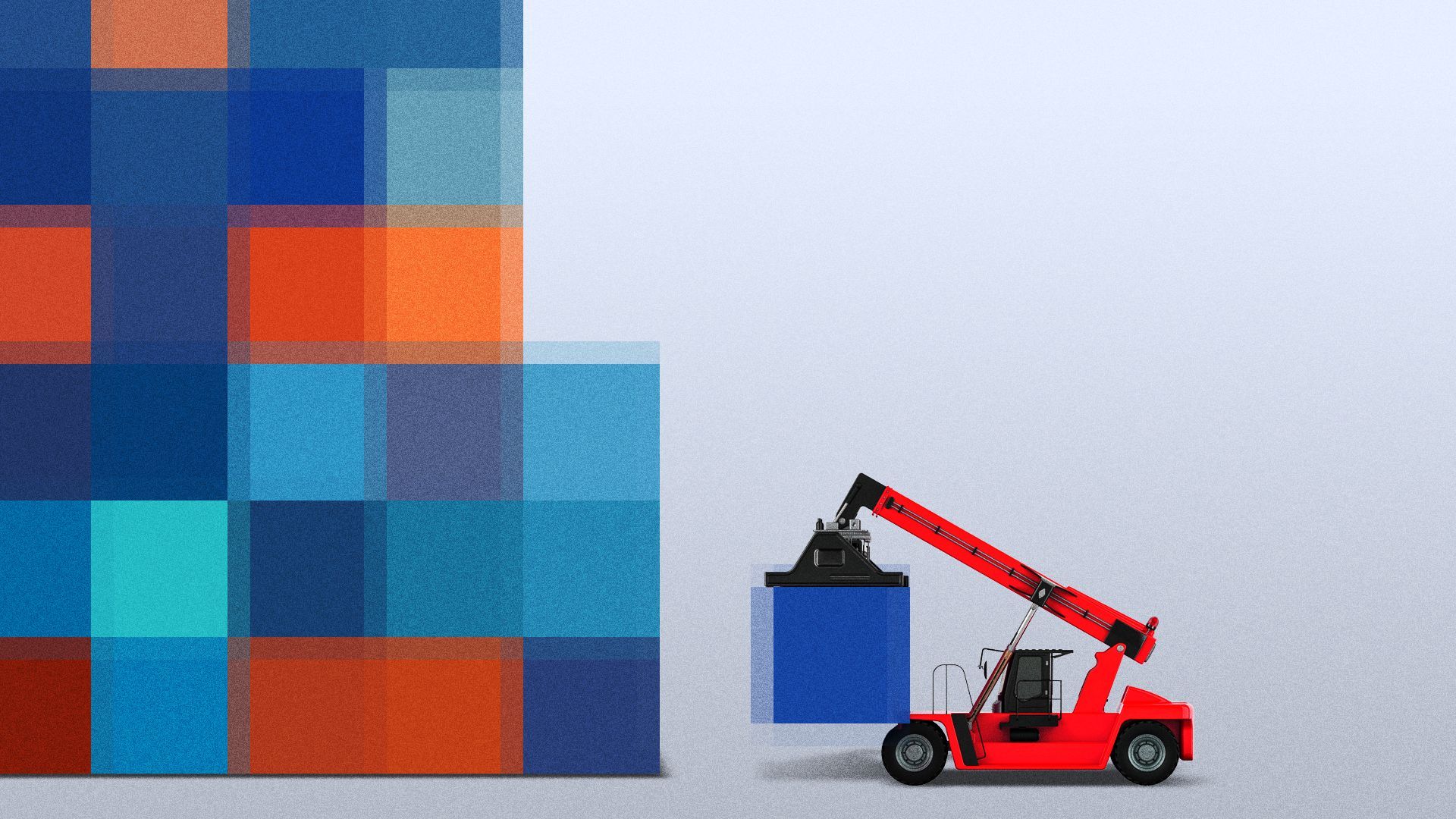
Striking dockworkers are trying to keep the robots from taking their jobs — demanding that any new contract forbid automation at the East and Gulf Coast ports.
Why it matters: The future is tough to fend off forever. The ports responsible for moving goods around the world have used tech to get more efficient and productive for decades.
The Steward Health debacle may be nearing an end, but critics worry some of the arrangements in place to keep the chain's hospitals and 5,000-person doctors group up and running could trigger another fiasco.
Why it matters: Almost everyone agrees that Steward's management had a big hand driving the system into bankruptcy. But some argue there were also systemic problems related to private equity ownership and risky sale-leasebacks of properties that still loom over the surviving entities.

/2024/10/02/1727899053594.gif?w=3840)



/2024/10/02/1727885243433.gif?w=3840)