Eli Lilly unleashed a flurry of lawsuits against wellness centers, medical spas and others the pharmaceutical company accused of illegally hocking treatments that mimic its popular weight-loss drugs.
Why it matters: The emergence of GLP-1 medications — including Lilly's Mounjaro and Zepbound — and widespread shortages have created tremendous financial opportunity for legitimate and illegitimate players.
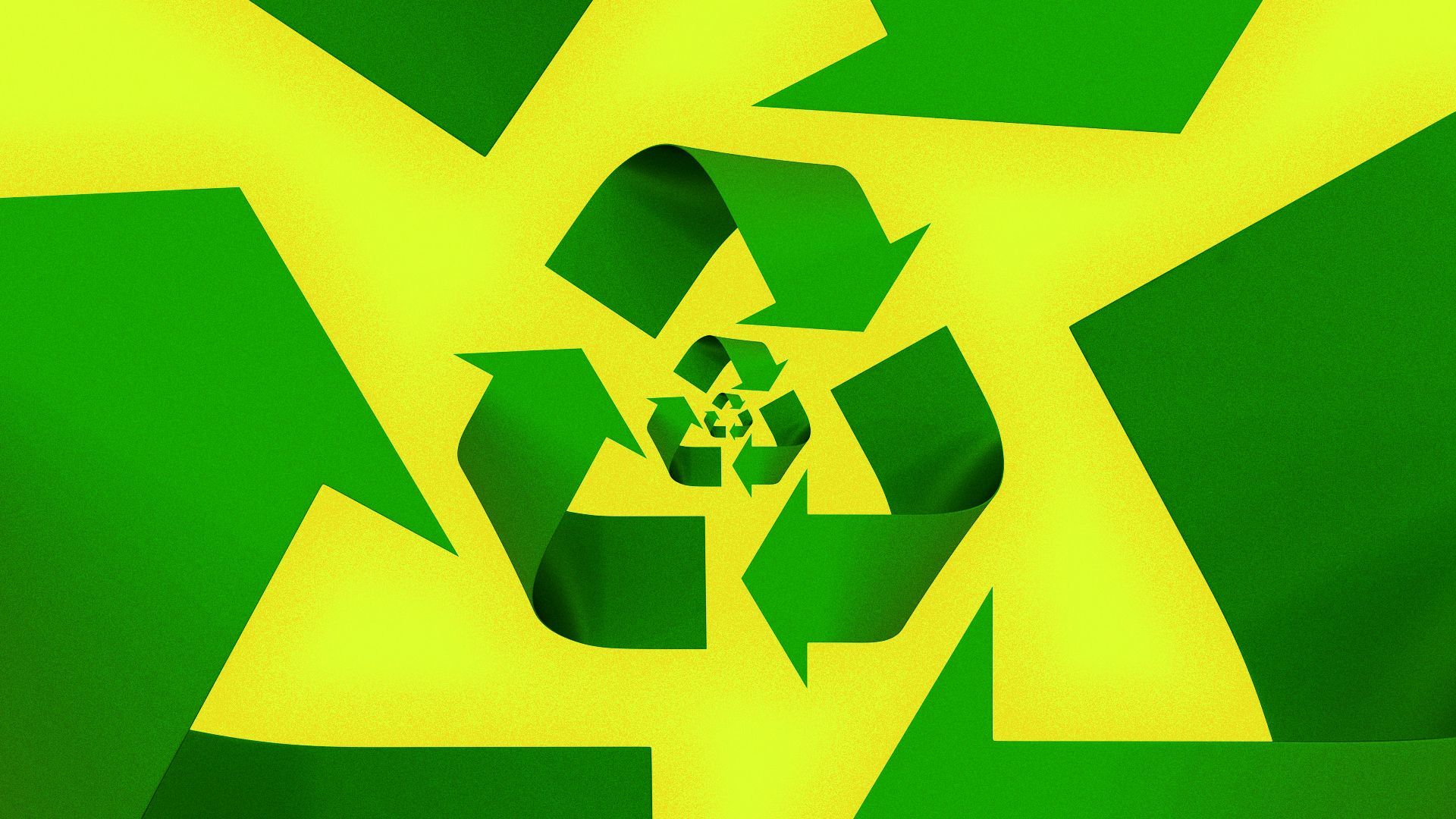
Get a new hobby if you enjoy popping plastic air pillows from your Amazon packages because the company is aiming to trash the box fillers in North America for good by year-end.
Why it matters: The move, Amazon says today, will remove 15 billion plastic cushions annually from its shipping process — and from oceans and landfills.
Here's what's new on Netflix, Max, Prime Video, Hulu, PBS and Acorn TV.
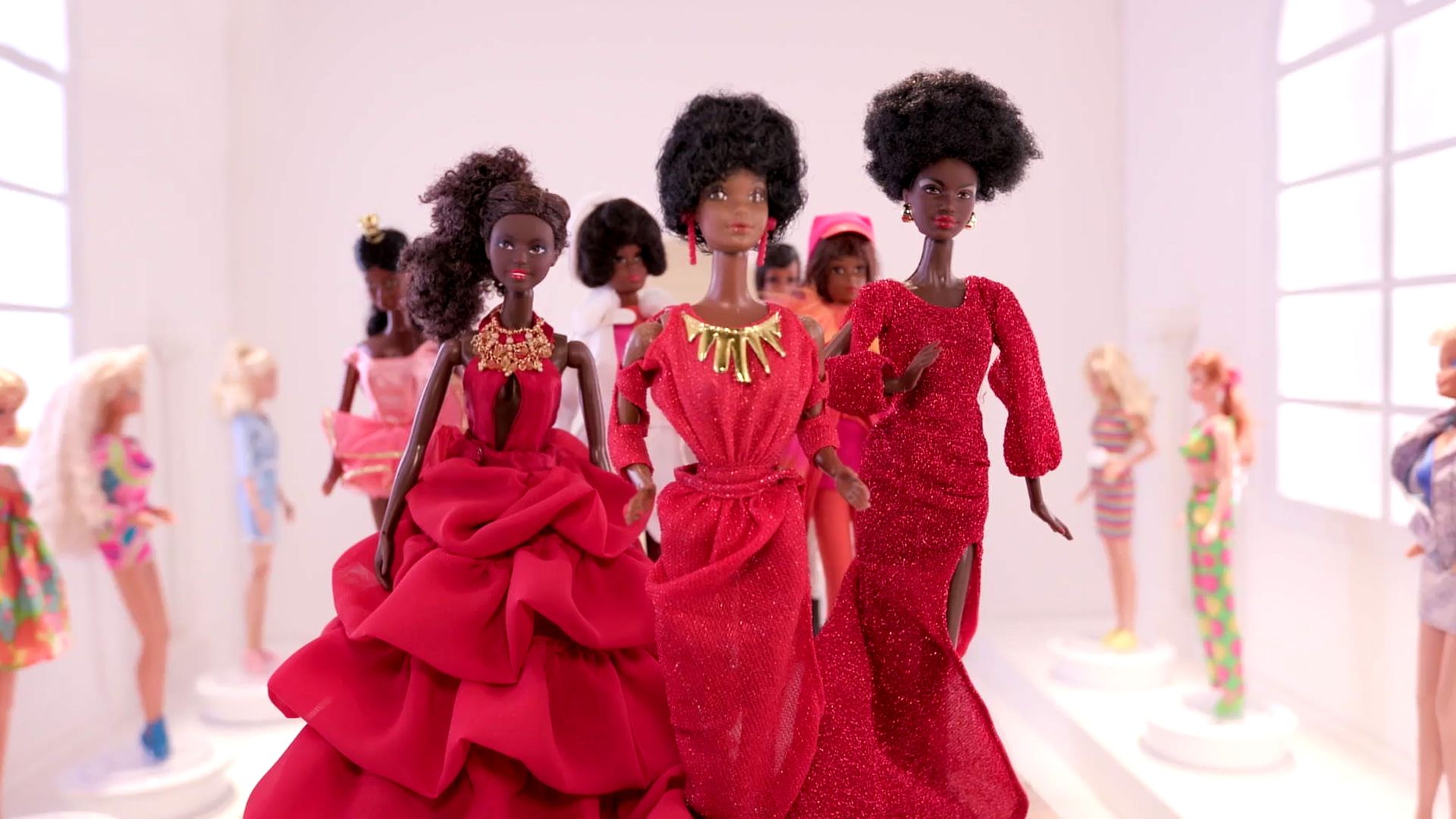
What we're watching: New documentaries shed light on the first Black Barbie dolls, the creation of "Slave Play" and how Dallas Cowboys cheerleaders are chosen.
David Maraniss — a Washington Post legend who has written bestselling biographies of former President Obama, former President Clinton and Vince Lombardi — called for leadership changes at the paper where he rose to fame, and where he remains an associate editor.
CANNES, France — Notable athletes like Blake Griffin, Ashlyn Harris, Flau'jae Johnson, Lando Norris and the Kelce brothers all made the voyage to Cannes this year.
Why it matters: There's a lot of money in sports — especially as big brands flock to invest in live sports, teams and athletes.
CANNES, France — Chatter along the Croisette is that big brands and production companies are coming together to create the next iteration of branded content.
Why it matters: If you want people to care about something, you have to entertain them.
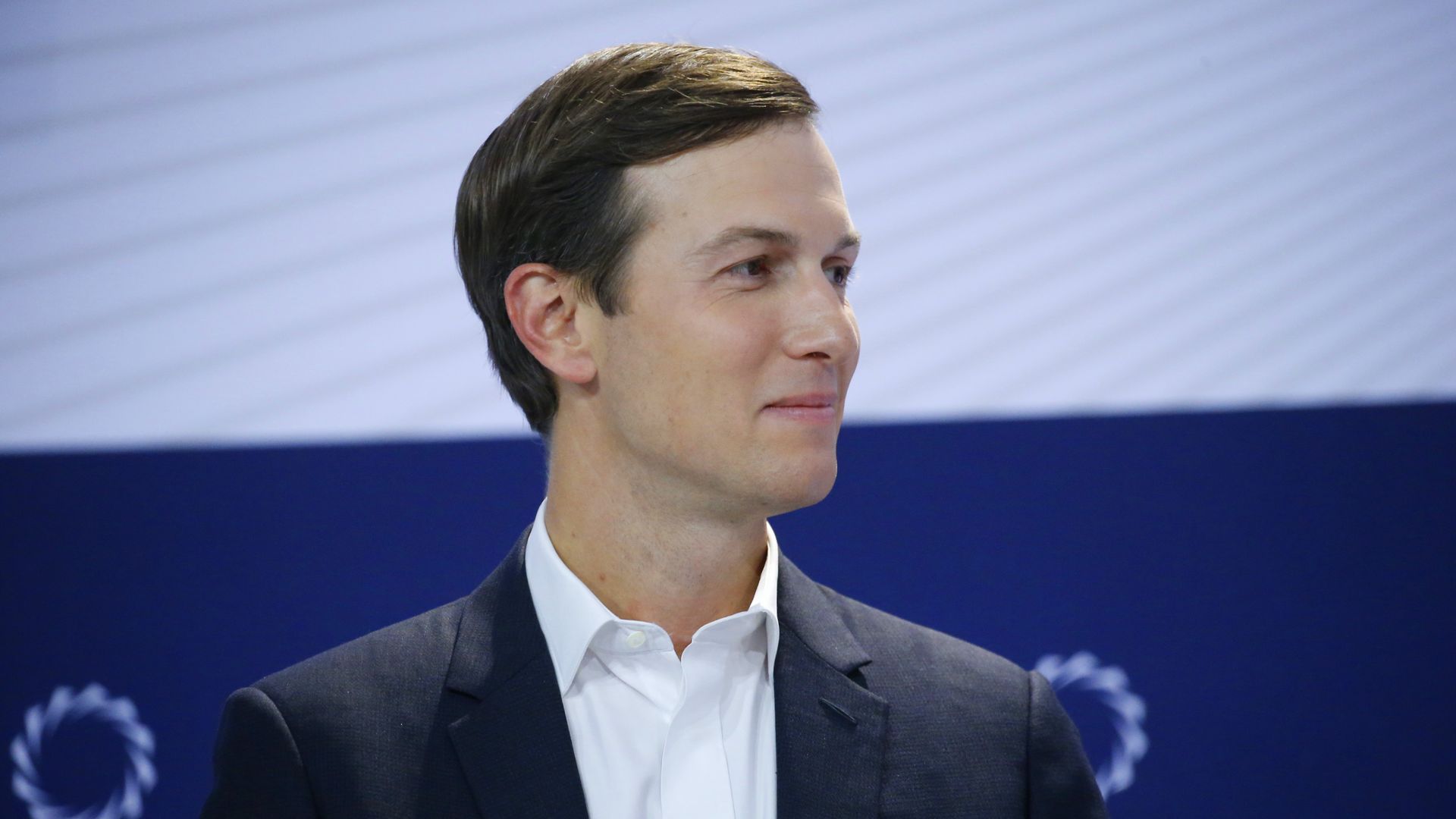
Sen. Ron Wyden (D-Ore.) this month launched an investigation into Affinity Partners, the Saudi-backed private equity firm led by Jared Kushner.
Why it matters: Wyden is chair of the Senate Finance Committee, and as a member of the majority could get enough votes to subpoena documents that House Democrats have unsuccessfully sought.
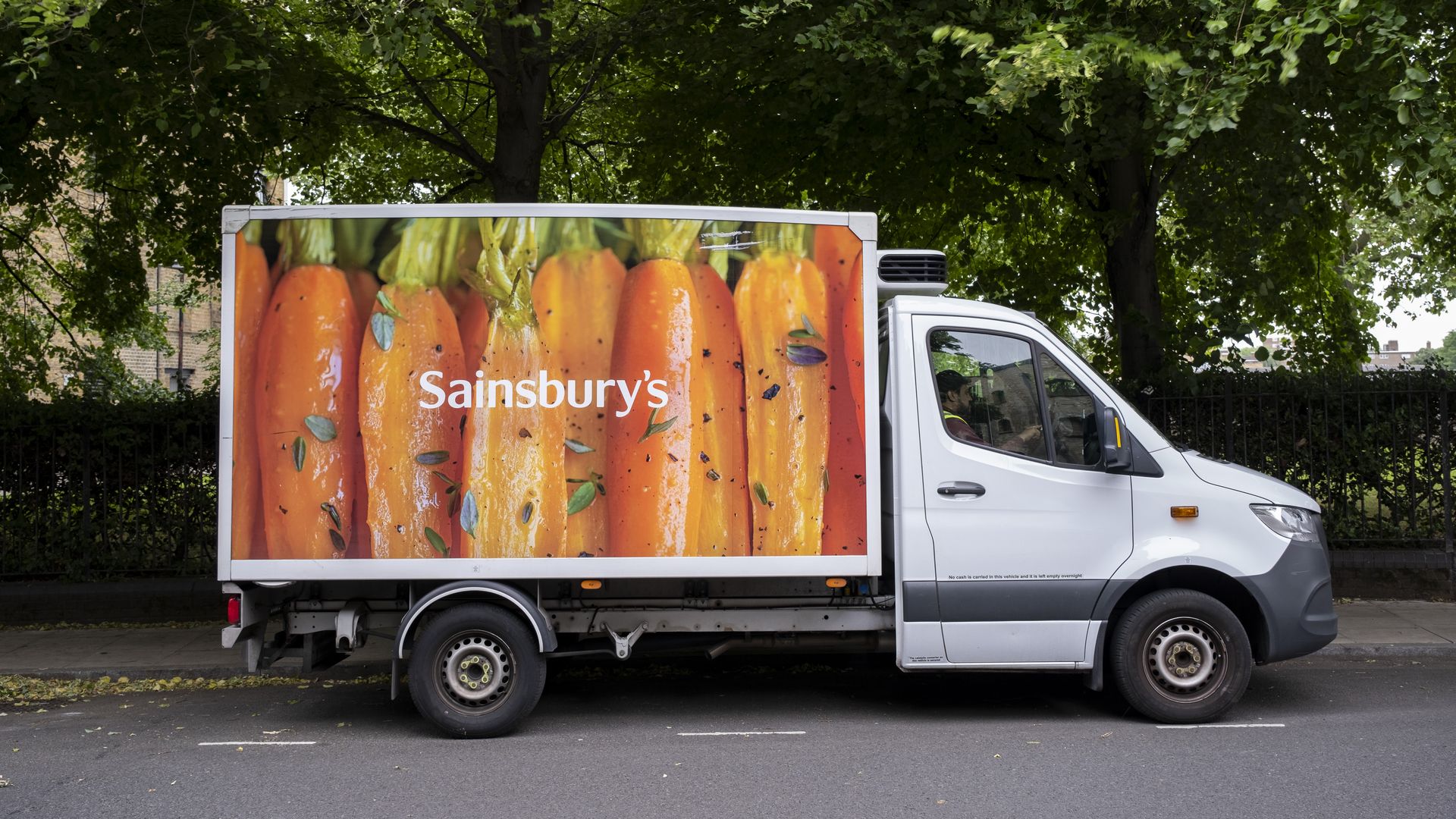
Sainsbury's, the British grocery giant, agreed to sell its banking business to lender NatWest, which will receive both the customer assets and £125 million in cash.
Why it matters Sainsbury's becomes the latest retailer to reverse course on offering financial services to customers, deciding that the competitive challenges were larger than the customer loyalty rewards.
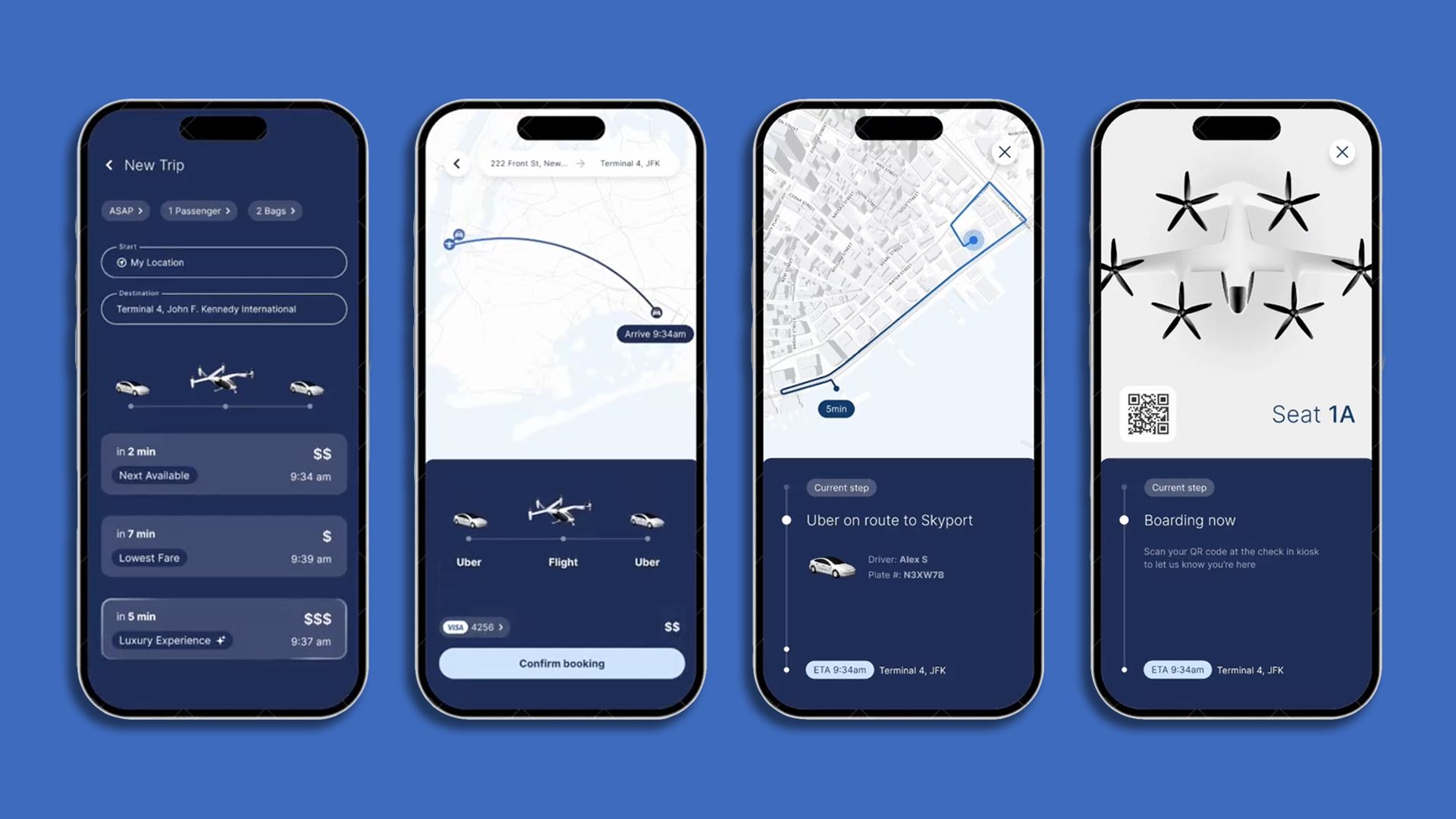
One day you'll be able to use a mobile app to summon an air taxi as easily as you hail an Uber, following the Federal Aviation Administration's approval of proprietary software from Joby Aviation.
Why it matters: So-called "flying taxis" seem dauntingly futuristic, but the here-and-now approval for a system that'll let you book one makes it clear they're becoming a reality.
The iPhone has become a platform for thousands of financial services companies, including buy now, pay later providers. The one guaranteed winner is Apple, which has ensured it takes no risk itself.
Why it matters: An iPhone doesn't just act as a metaphorical wallet, it's also the store where the money is spent. That means Apple can just collect fees on every transaction, rather than finance them.
Workers are voting to join unions at the highest rate in 15 years, finds an analysis out this morning from the progressive Center for American Progress.
Why it matters: It's a reflection of increased grassroots momentum behind organizing — helped along by a strongly pro-worker National Labor Relations Board, under Biden appointee Jennifer Abruzzo.
Zendesk has set up a venture arm to invest in early-stage AI startups.
Why it matters: The customer support software company is joining the growing number of B2B tech firms looking to stay on top of the latest AI trends and grow their own business ecosystem by backing startups.
Target is banking on a new generative artificial intelligence tool to help employees do their jobs and improve the shopping experience.
Why it matters: The Minneapolis-based company is the latest retailer to bet on AI for increased efficiency amid rising labor costs and underwhelming sales.
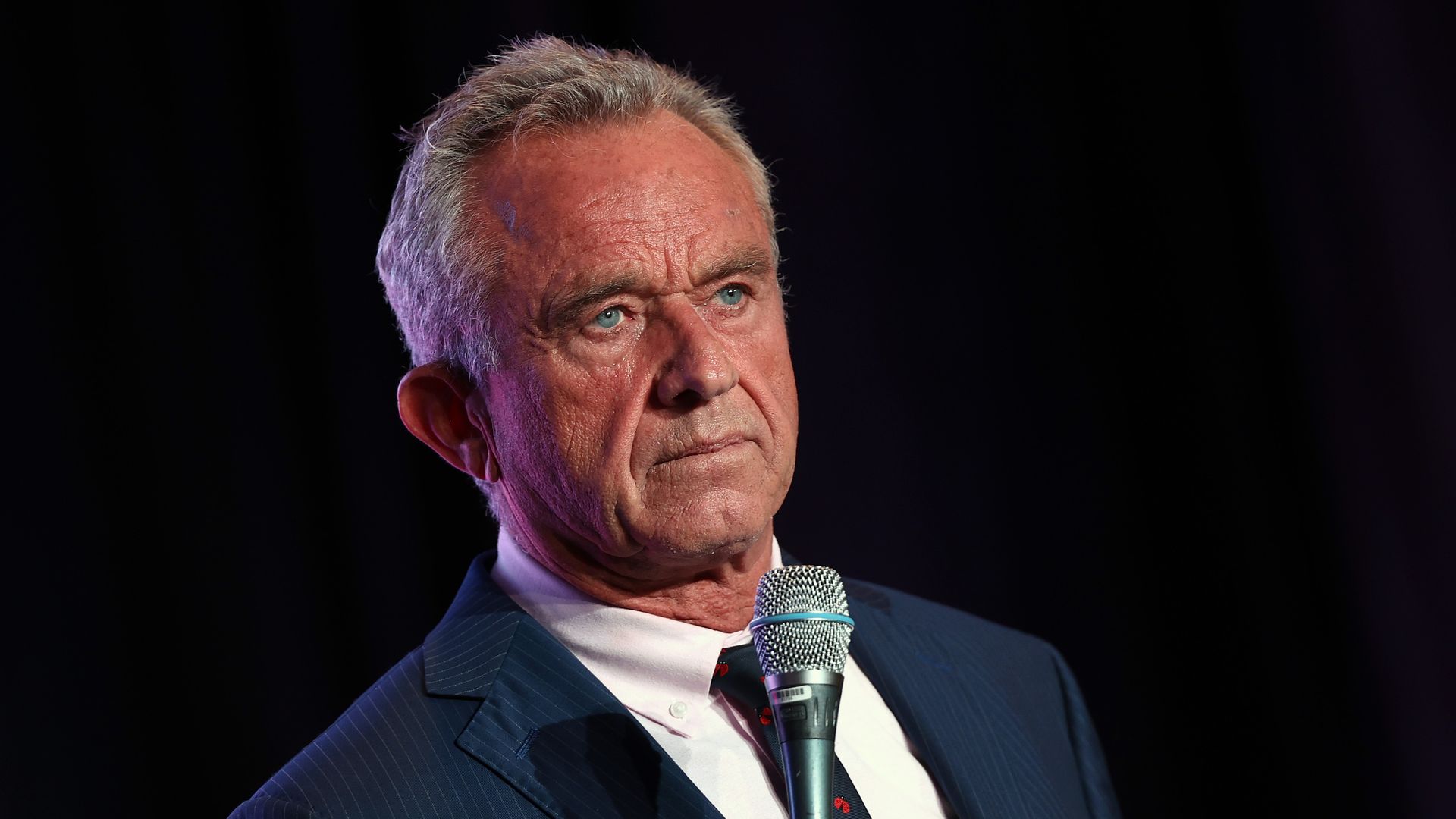
Robert F. Kennedy Jr.'s presidential campaign raised $2.6 million in May and ended the month with $6.4 million cash on hand, per Federal Election Commission filings published Wednesday.
Why it matters: The figures are significantly lower than the previous month as Kennedy burns through money fast as he aims to sustain his campaign through November.













/2024/06/19/1718816367811.gif?w=3840)