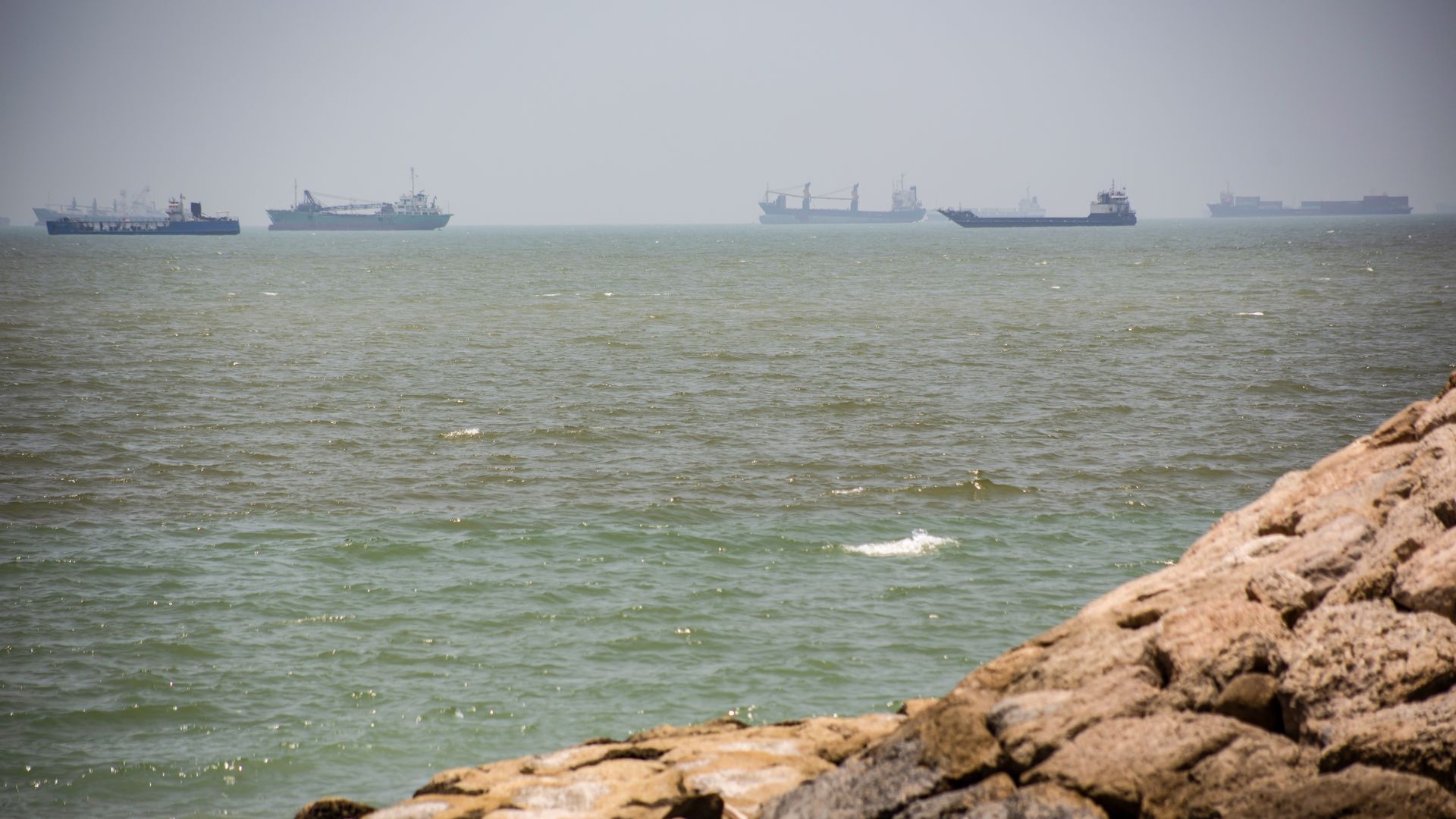
U.S. and Iranian negotiators are in Doha for talks focusing primarily on the Strait of Hormuz, with the Trump administration making the case that Iran stands to gain much more from a nuclear deal than it could generate from tolls in the strait.
Why it matters: The parties gave themselves 60 days to reach a comprehensive nuclear deal, but two weeks into that window they're still arguing over the terms of the memorandum of understanding they already signed. Currently, the collapse of that initial deal looks more likely than agreement on a final one.
The value of Japan's currency just hit its weakest level against the dollar since 1986.
Why it matters: A few market forces are colliding here: higher energy prices from the Iran war, concerns that Japan's central bank is behind the curve on raising interest rates and pressure from a stronger U.S. dollar.
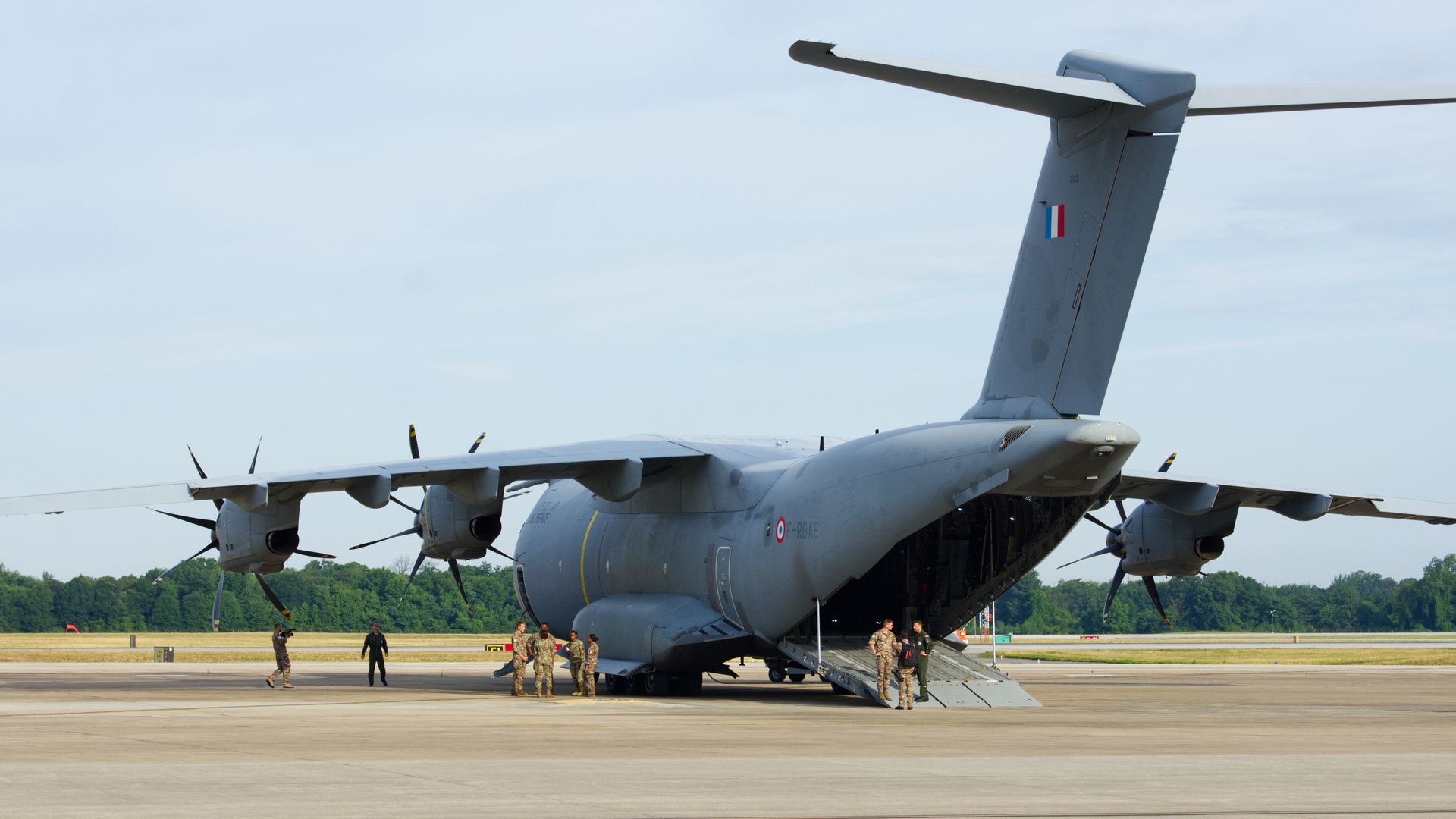
Somewhere over Pittsburgh, the ramp of a French A400M yawned open, revealing the landscape below. Nearby flew an American C-17, which moments prior had banked hard left then hard right.
The ramp hung open for a few minutes, wind gusting in, before clattering closed. The allied airlifters and their crews had completed a simulated airdrop thousands of feet off the ground.
"We want to train as we're going to do it in real operations," Capt. Brice, the A400M pilot, told Axios after landing. (He declined to share his full name.)
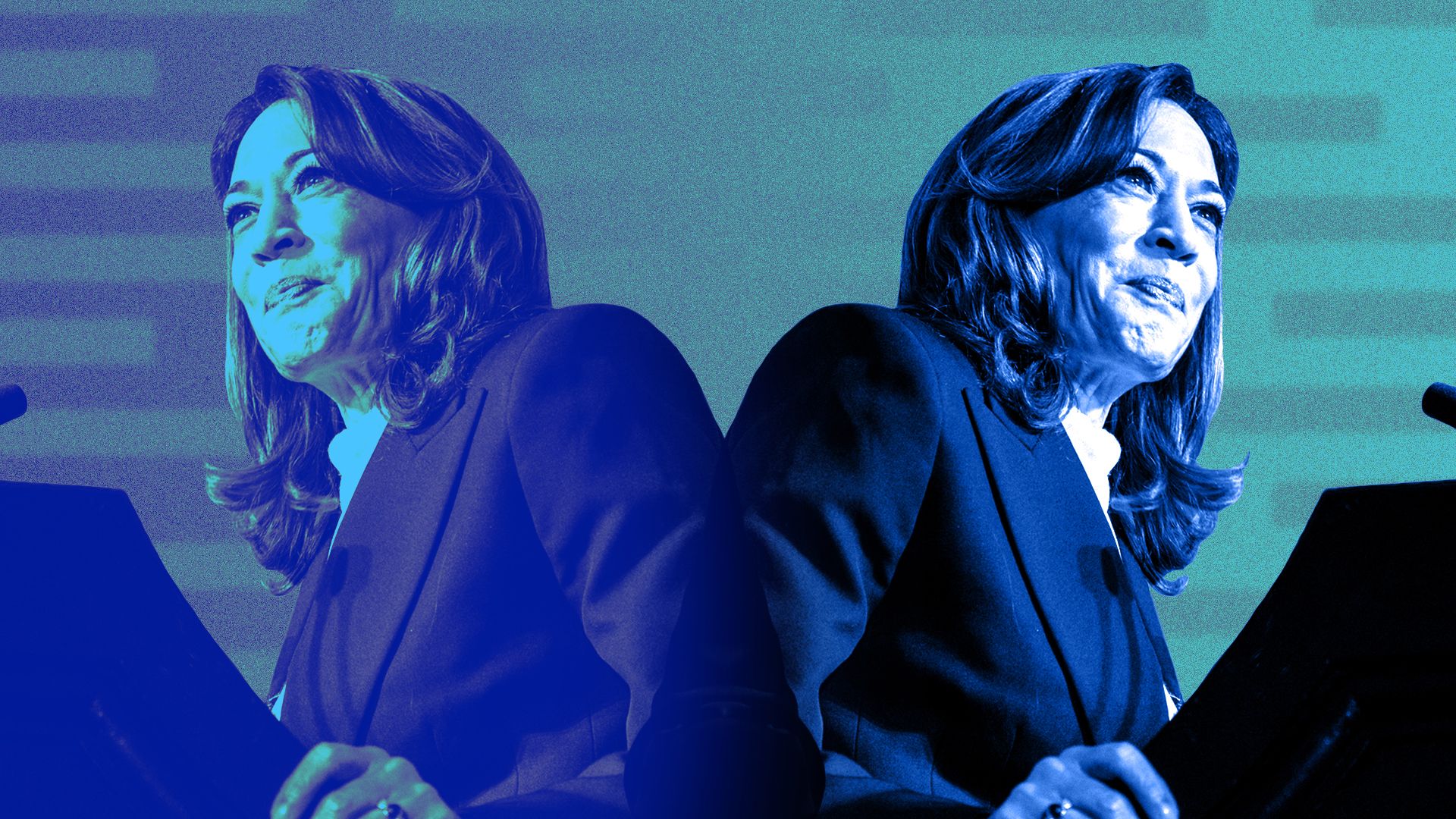
Kamala Harris privately called New York City Mayor Zohran Mamdani last week and has been holding lengthy, closed-door meetings with other prominent progressives —including pro-Palestinian activists.
Why it matters: It's the latest sign the former vice president is laying the groundwork for a potential White House run in 2028 — and looking to strengthen or repair her relationships with left-wing Democrats.
It's been just over a year since Japan's Nippon Steel bought U.S. Steel, after agreeing to invest $11 billion into the Pittsburgh-based icon by the end of 2028.
Thus far, almost all of that money remains a promise.
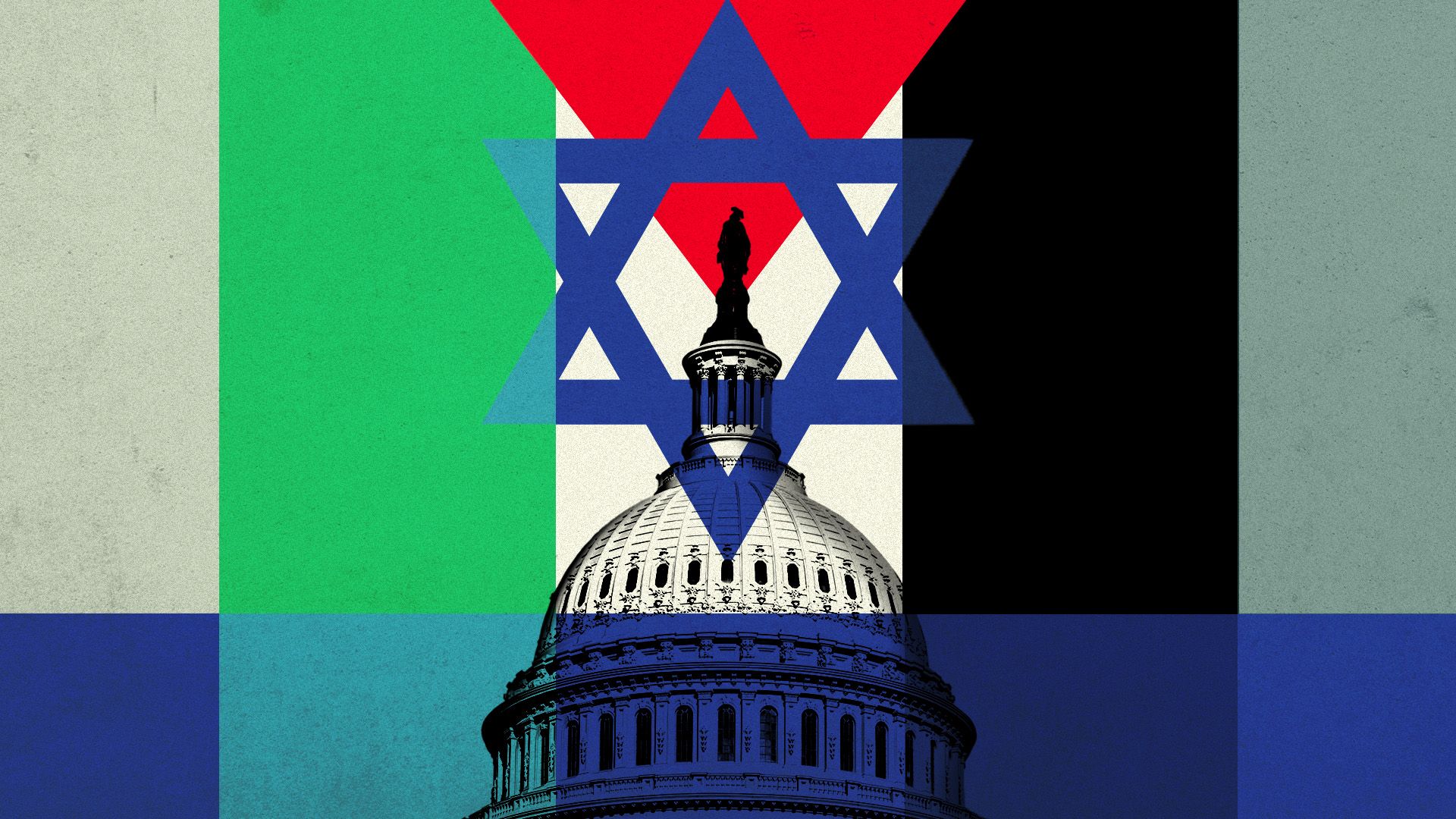
House Democrats grappled privately Tuesday morning with a vote to pare back U.S. aid to Israel in what one senior lawmakers described as an "intense" meeting.
Why it matters: Many lawmakers are caught between substantive concerns about the measure and fear of intense backlash from their base if they oppose it.
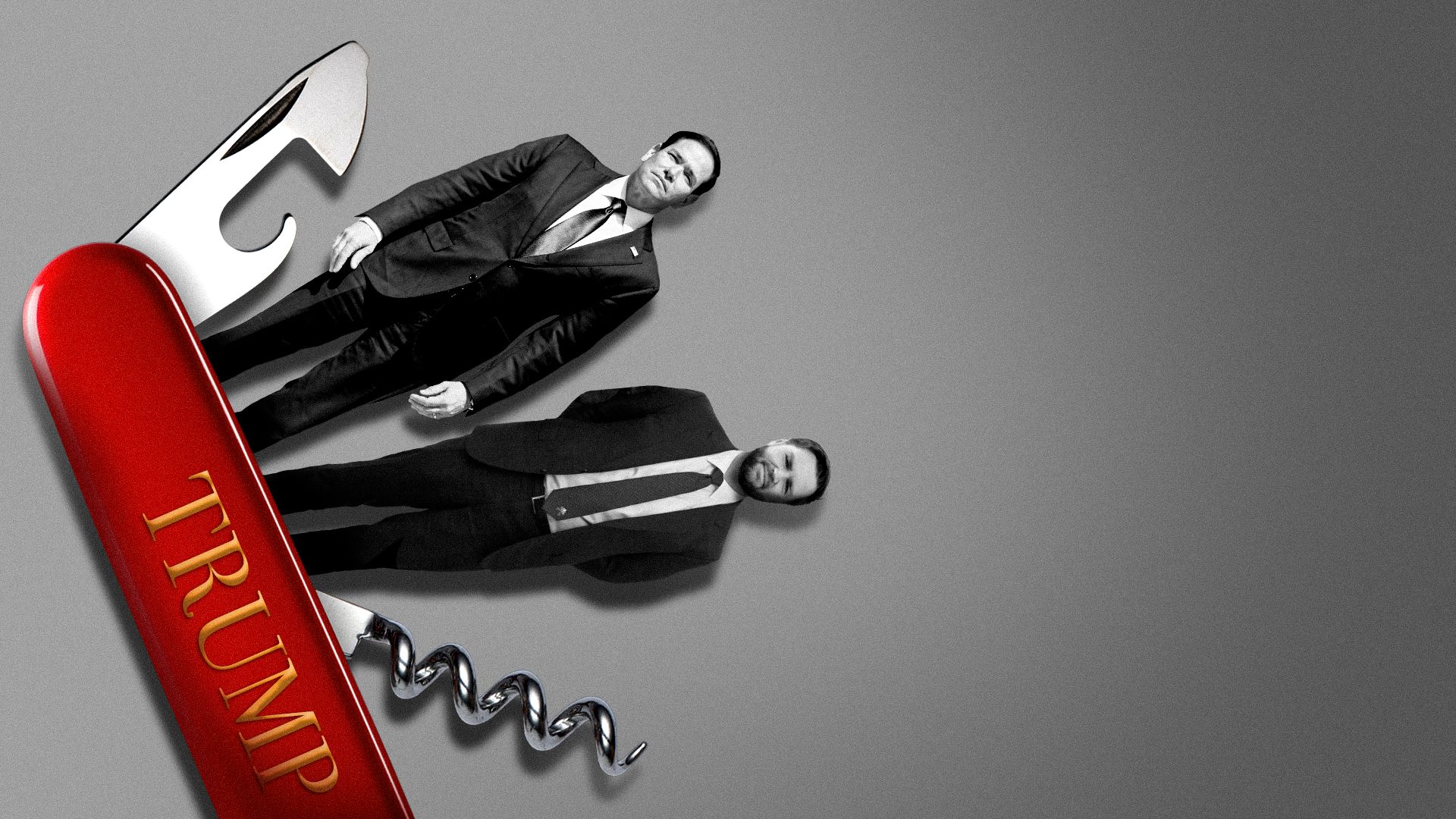
As he tries to hammer out a peace deal with Iran, President Trump has a dovish adviser in Vice President Vance perched on one figurative shoulder — and a hawkish Secretary of State Marco Rubio on the other.
Why it matters: The success of the talks — and therefore the health of global oil markets — greatly depends on how well Trump deploys each man to balance competing interests in Iran, Israel and Lebanon.