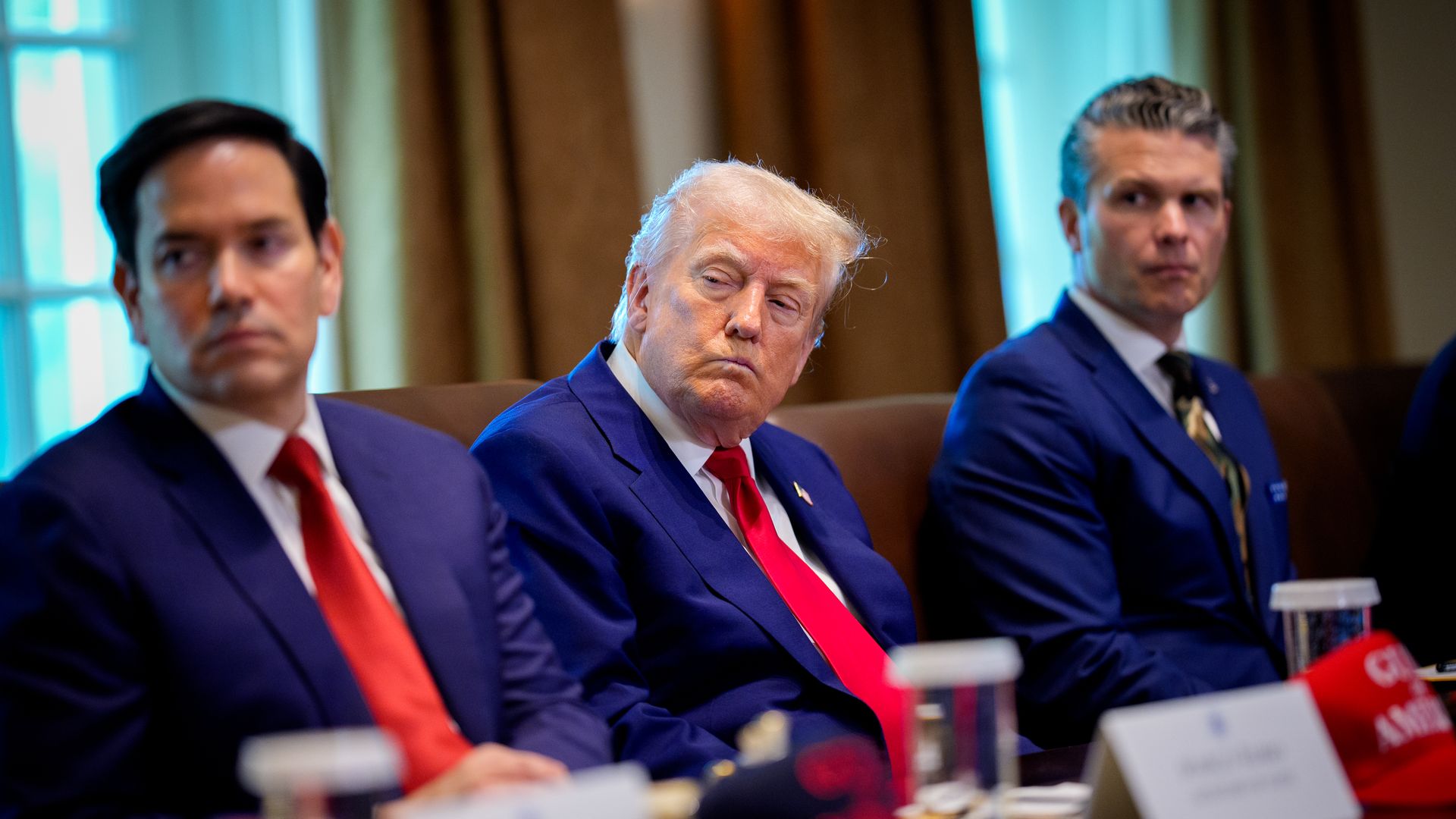
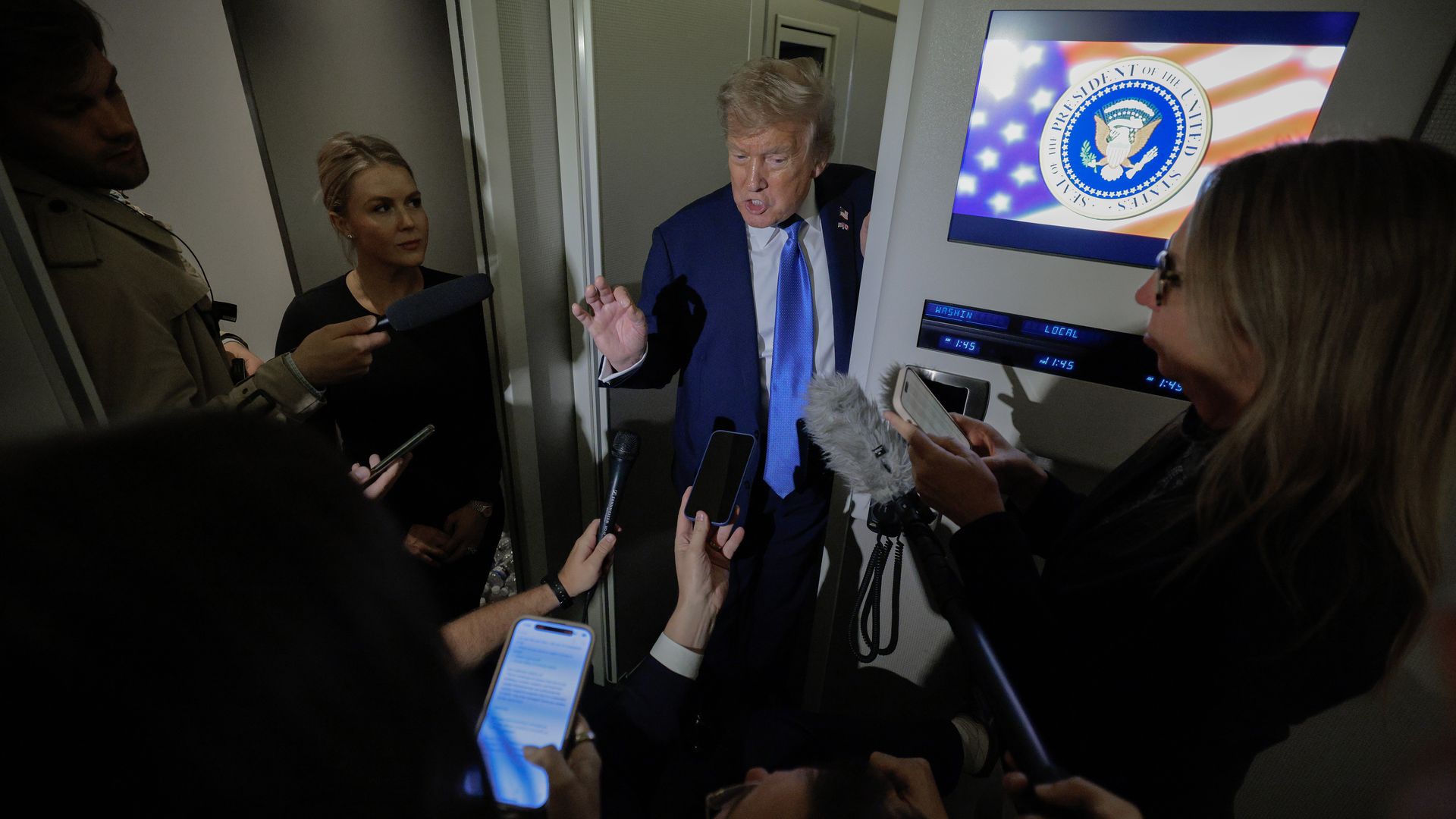
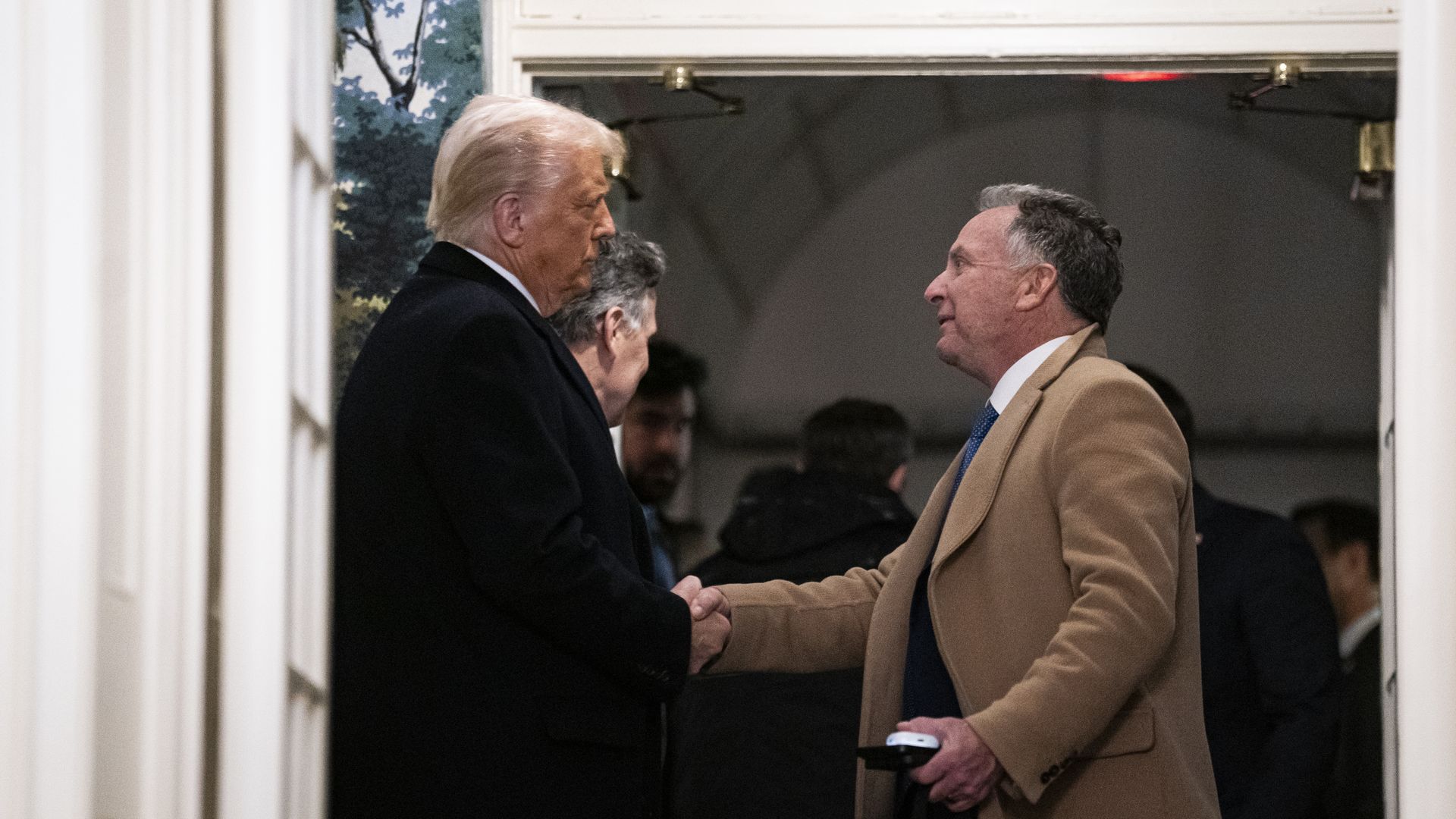
President Trump spoke with Israeli Prime Minister Benjamin Netanyahu on Tuesday evening after meeting with his national security team about the escalating war between Israel and Iran, an Israeli official told Axios.
Why it matters: Ahead of the meeting, three U.S. officials said Trump was seriously considering joining the war and launching a U.S. strike against Iran's nuclear facilities, especially its underground uranium enrichment facility in Fordow.
U.S. adults are divided over the use of local law enforcement for President Trump's mass deportation efforts, but a majority are opposed to raids on workplaces, a new Pew Research Center survey finds.
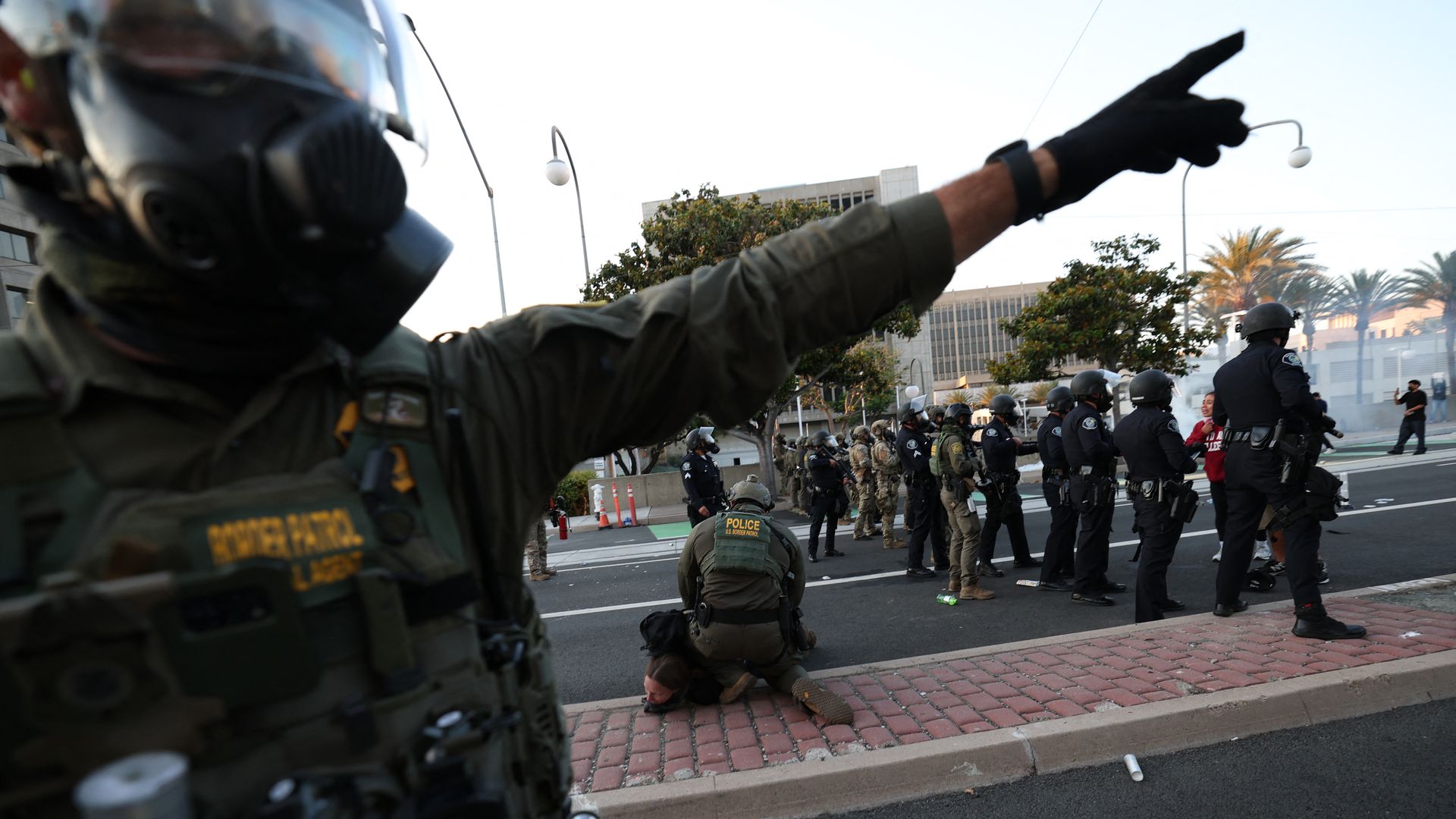
Why it matters: The survey was conducted amid Immigration and Customs Enforcement's ongoing raids in Southern California that sparked nationwide protests and as Trump flip-flopped on pausing some immigration operations.
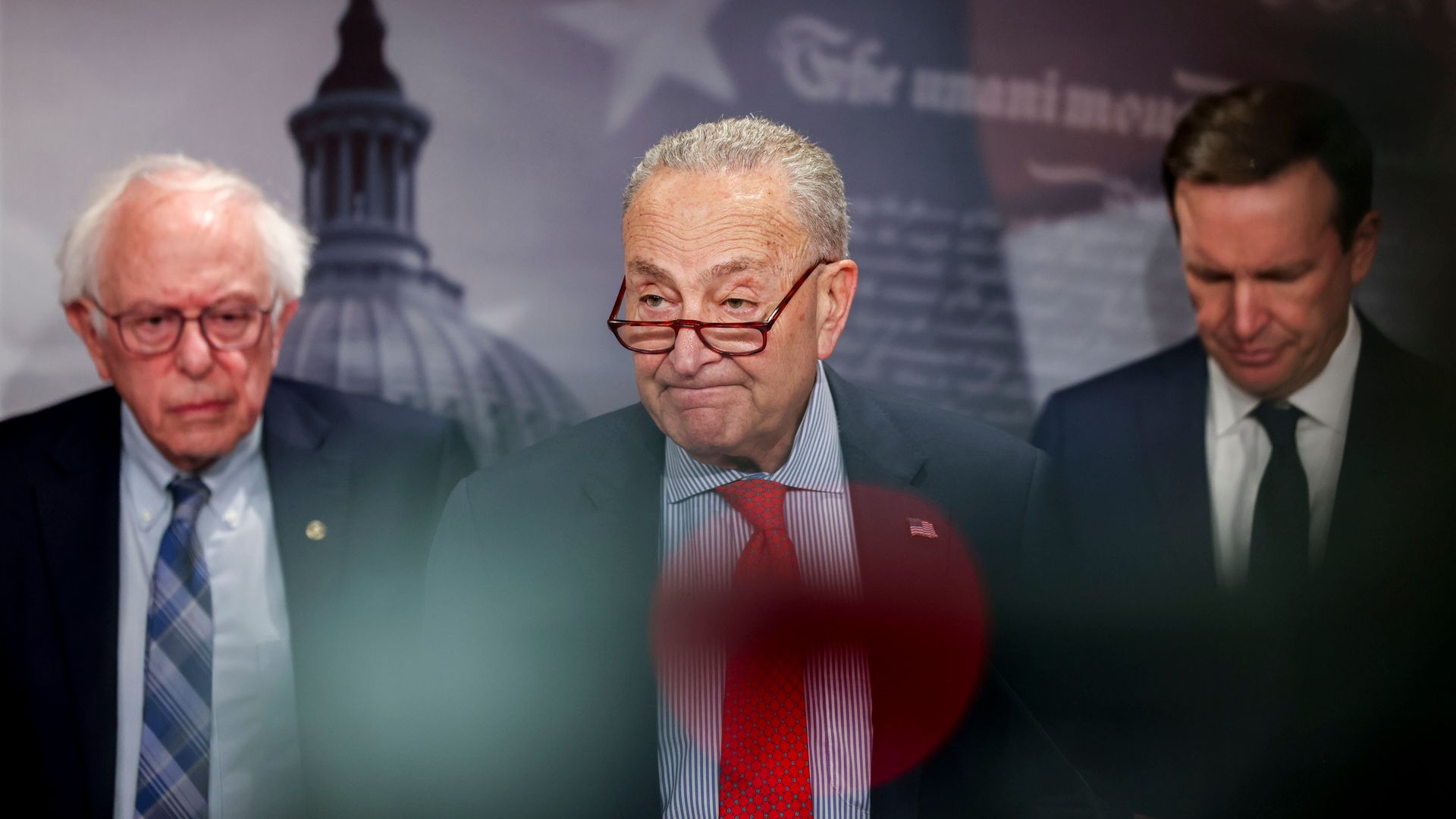
A small group of Senate Democrats is scrambling to keep President Trump from unilaterally involving the U.S. in the escalating conflict between Israel and Iran.
Why it matters: The caucus is fractured over the quickly unfolding situation, with just a handful blaring the alarm while the party's leadership — at least for now — watches and waits,
As Israel and Iran exchange airstrikes, cybersecurity experts are warning that a quieter, but still destructive, digital conflict is unfolding behind the scenes.
And U.S. companies could soon find themselves in the blast radius.
Why it matters: Iran and Israel are home to some of the world's most skilled hackers. Escalating tensions between the two could spill over into cyberspace, potentially disrupting critical infrastructure, commercial networks and global supply chains.
President Trump on Tuesday said Iran was "very close" to having a nuclear weapon, despite March testimony from Director of National Intelligence Tulsi Gabbard that Tehran was not building one.
The big picture: His comments, which critics see as shirking his DNI's own assessment, came after he sent shockwaves through the Middle East with a Monday Truth Social post calling for the evacuation of Tehran.
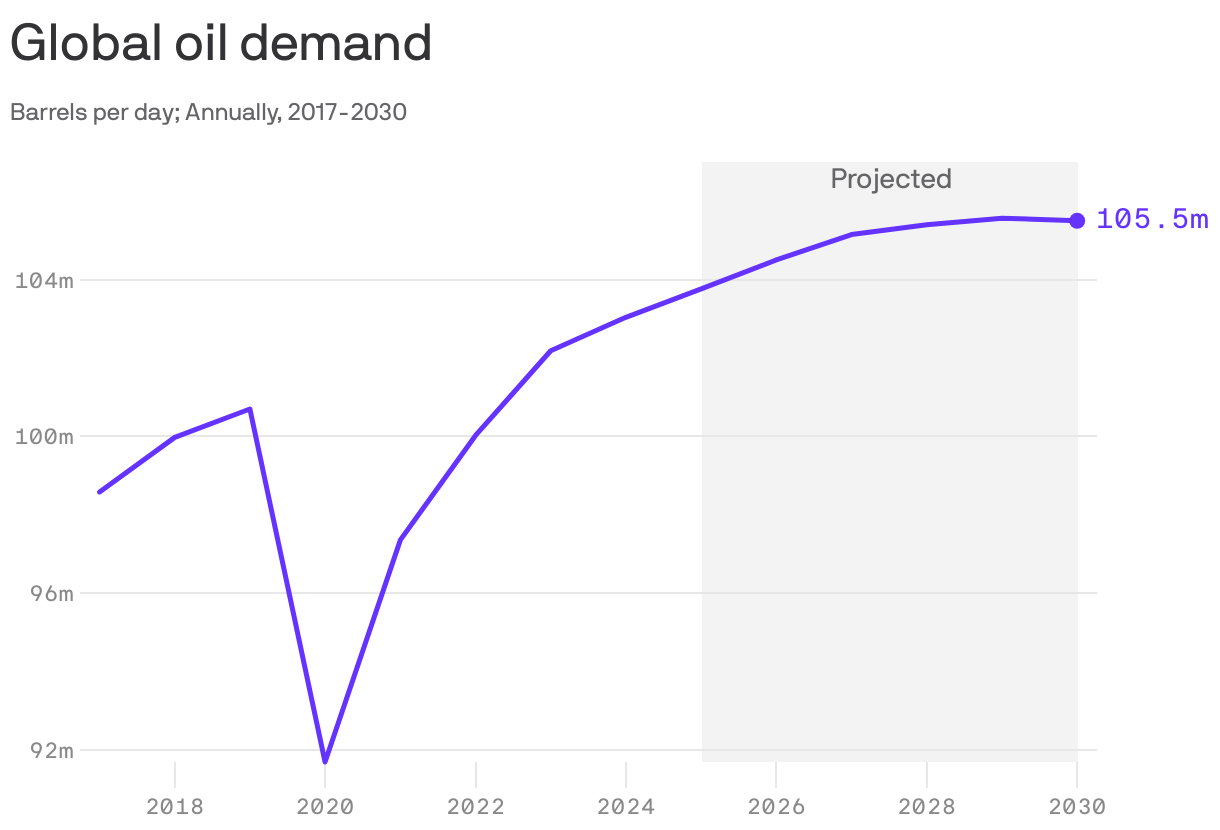
The International Energy Agency is sticking by its controversial view that global oil demand growth will end this decade, even dipping slightly in 2030.
Why it matters: The timing of a peak — and more importantly, the slope of any decline — affects everything from emissions to investment strategies.
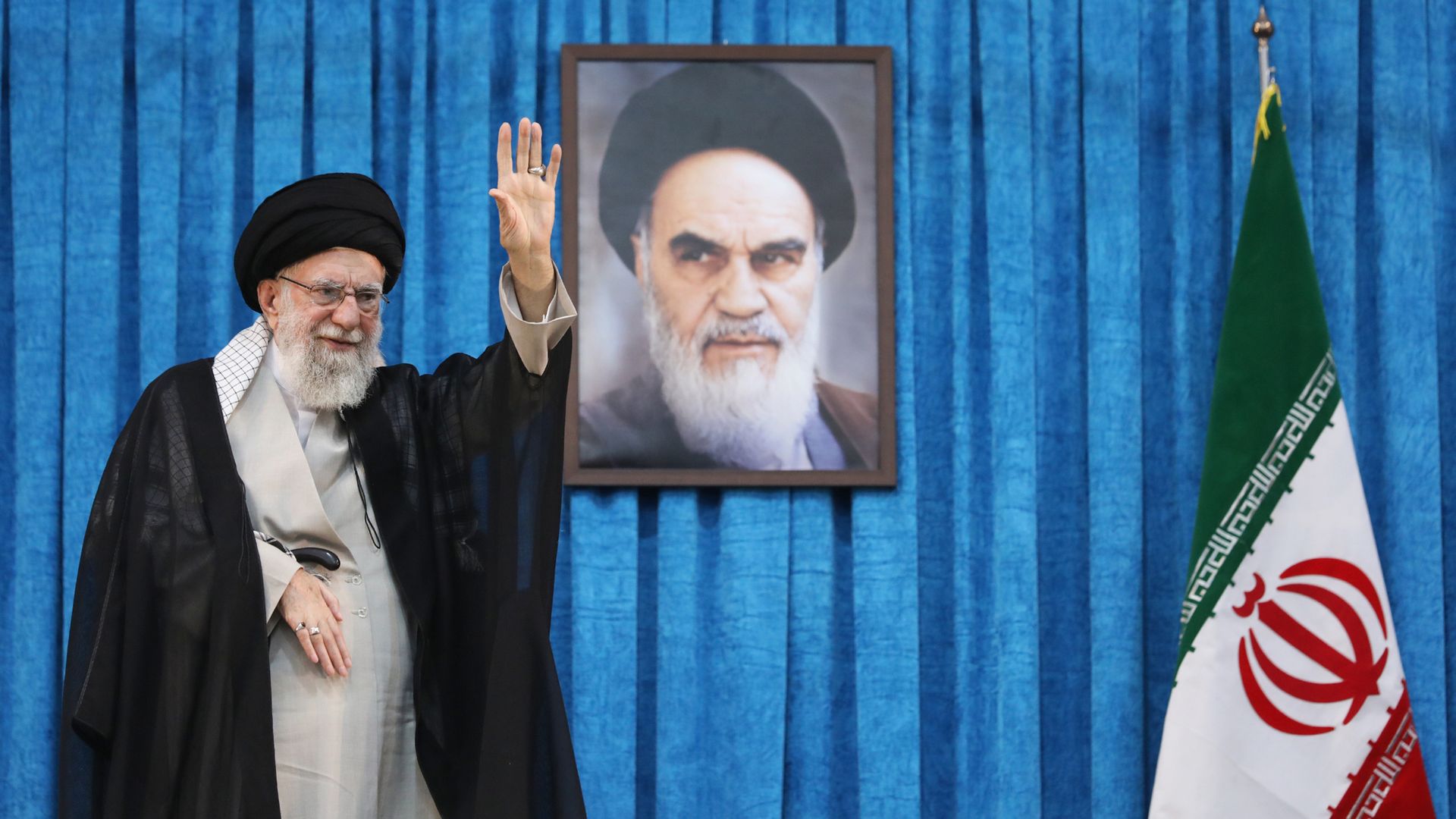
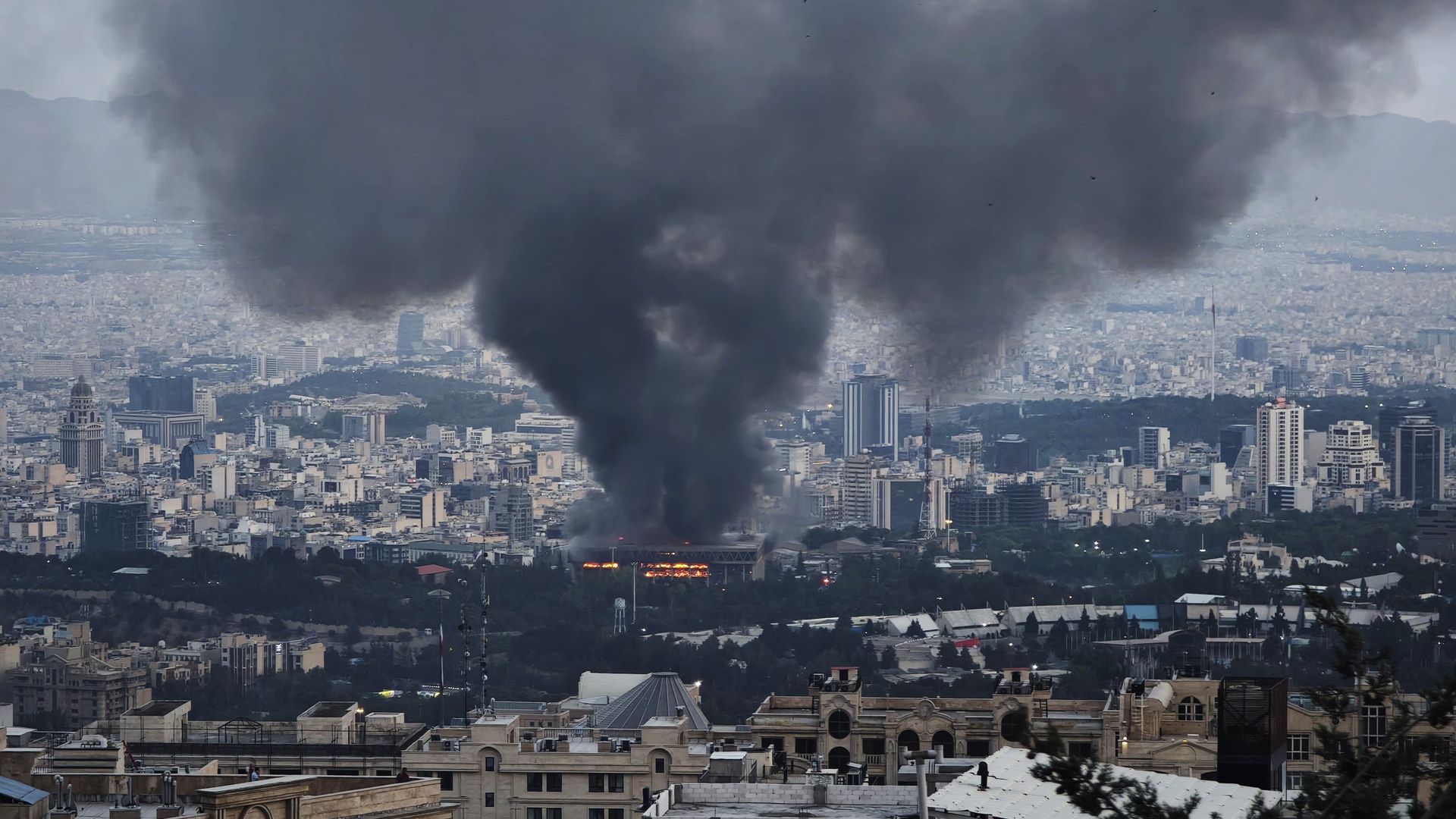
The staggering success of the first phase of Israel's war in Iran has left its air force in total control of the skies over Tehran, and its leaders contemplating regime change in the Islamic Republic.
The big picture: Prime Minister Benjamin Netanyahu has effectively endorsed the idea in a string of media appearances in the last 48 hours. But President Trump has remained unconvinced, at least so far, U.S. officials say.
The White House is discussing with Iran the possibility of a meeting this week between U.S. envoy Steve Witkoff and Iranian Foreign Minister Abbas Araghchi, according to four sources briefed on the issue.
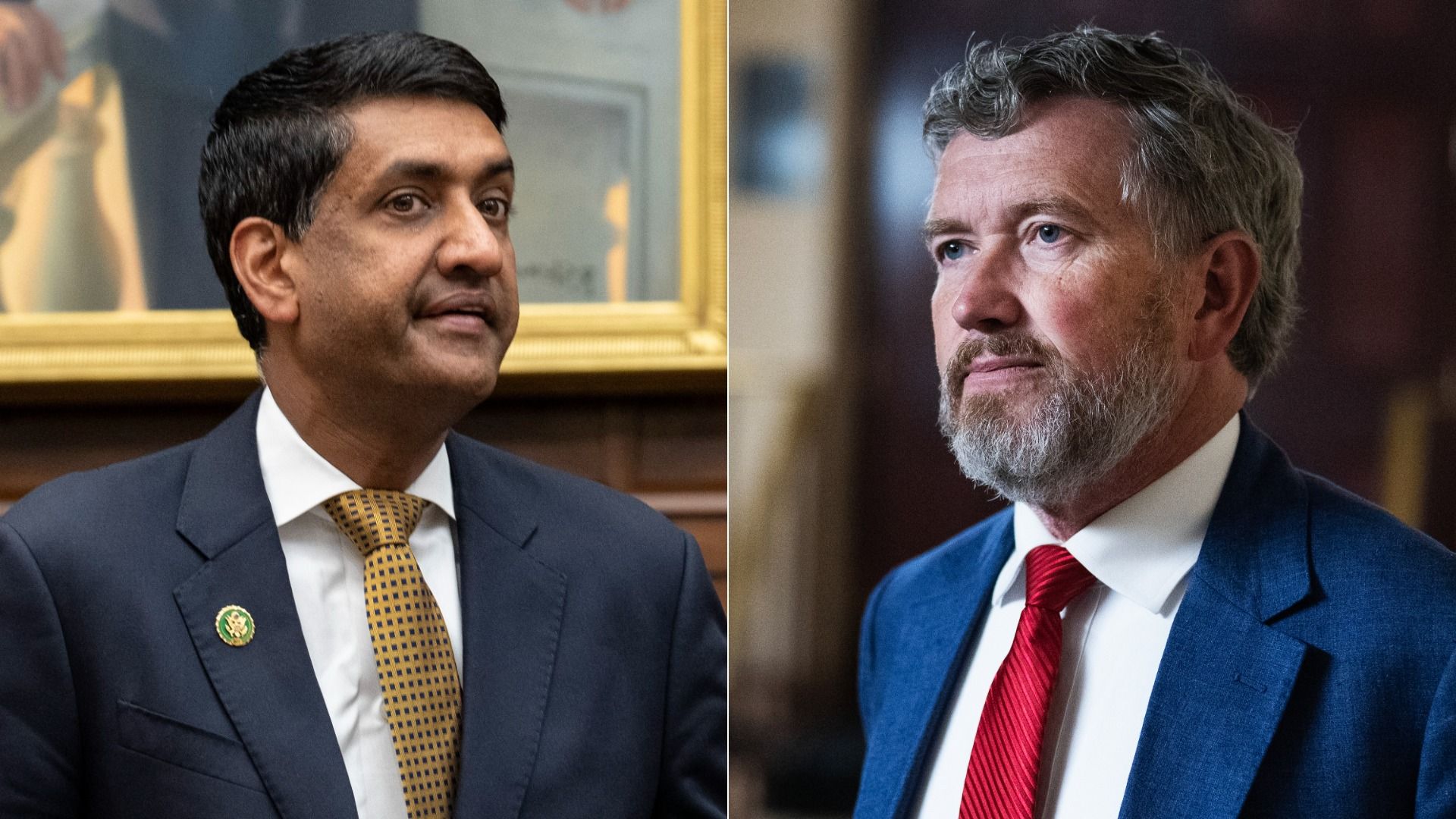
Reps. Thomas Massie (R-Ky.) and Ro Khanna (D-Calif.) plan to introduce a measure that would force President Trump to get approval to Congress to enter Israel's conflict with Iran.
Why it matters: The rare bipartisan effort reflects long-running frustration among lawmakers in both parties with the executive branch's growing power to wage war unilaterally.
President Trump called on Iranian civilians to "immediately evacuate Tehran" on Monday evening, shortly after which the White House announced he would be departing the G7 summit early to "attend to many important matters."
Why it matters: It's not immediately clear what triggered Trump's dramatic post on Truth Social or his early return from Canada. Israel has been conducting strikes in Tehran since Thursday night, but the U.S. has so far declined to join the operation.