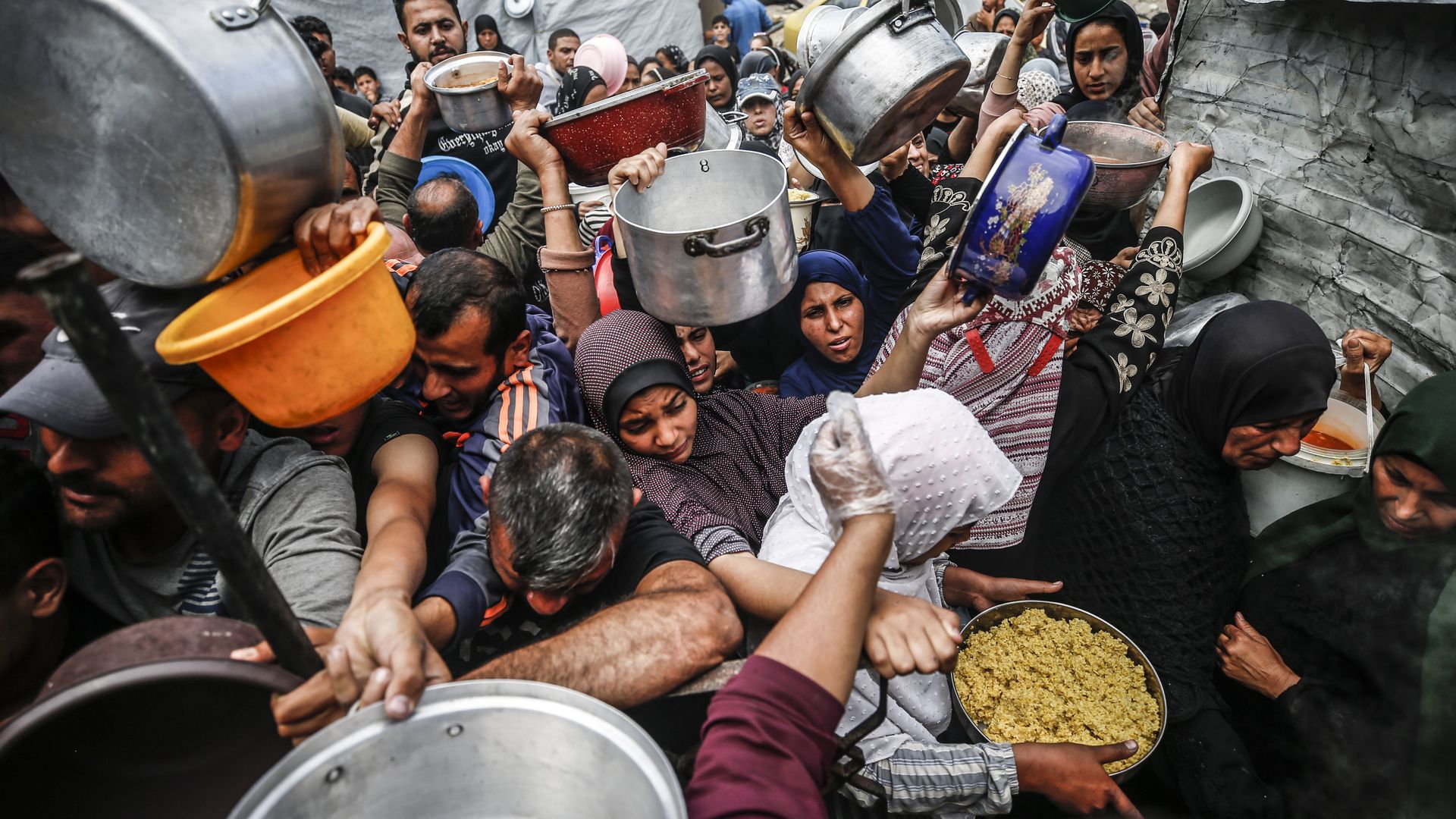
The U.S., Israel and representatives of a new international foundation are close to an agreement on how to resume the delivery of humanitarian aid to Palestinians in Gaza without it being controlled byHamas, two Israeli officials and one U.S. source familiar with the plan said.
Why it matters: After the Gaza ceasefire deal collapsed two months ago, Israel halted all humanitarian aid delivery of food, water and medicine into the enclave, exacerbating the humanitarian crisis.
The Trump administration has dismissed a half-century-old school desegregation case in Louisiana in a sign that it may aggressively end other school racial desegregation cases long targeted by white conservatives.
Why it matters: The move by the U.S. Justice Department this week follows the Trump administration's reinterpretation of Civil Rights-era laws to focus on "anti-white racism," rather than discrimination against people of color.
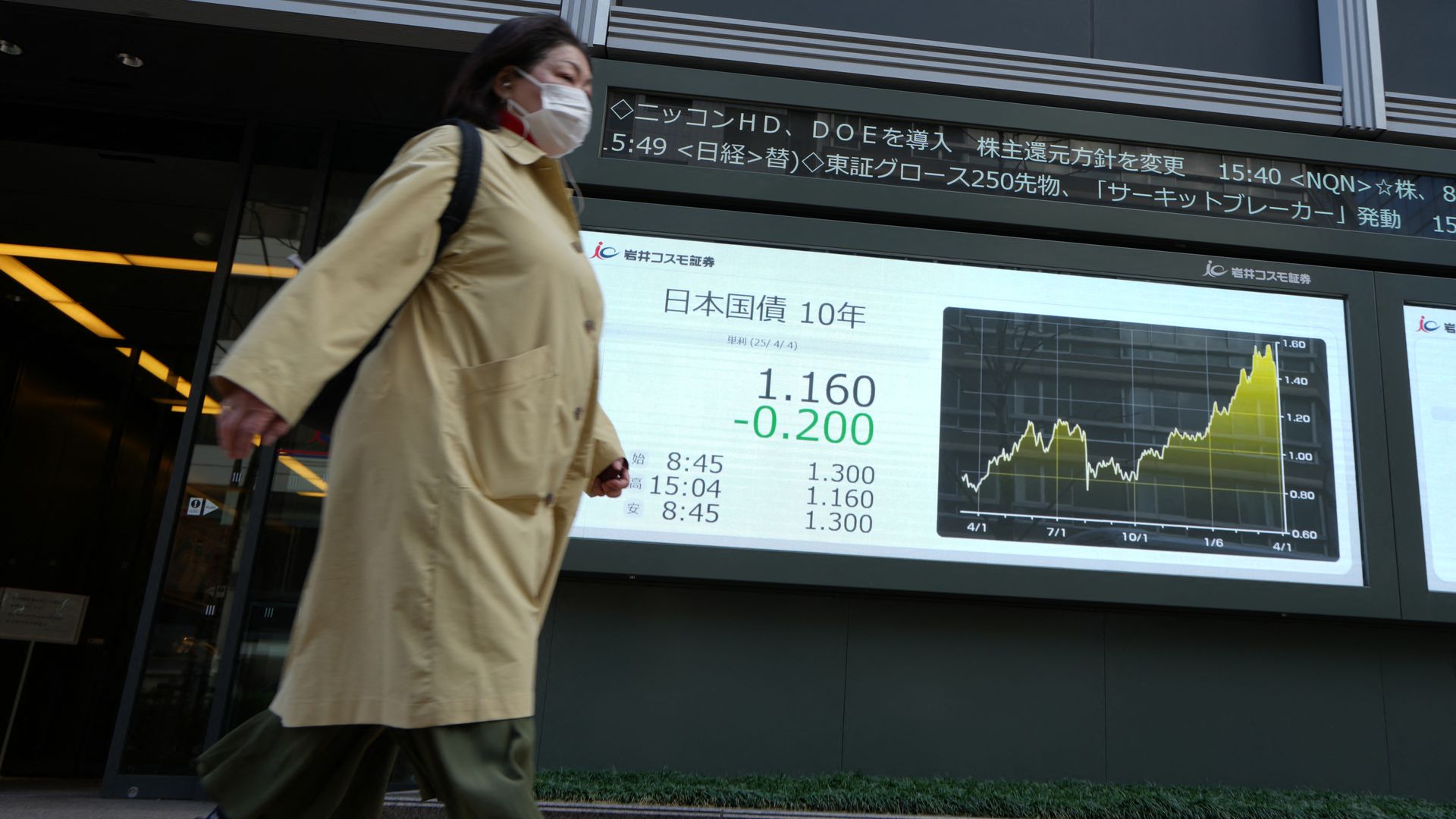
Everyone now knows that the bond market has a unique sway on President Trump's policymaking — and a subtle, but important, threat from the Japanese government could move his stance on trade with a crucial ally.
Why it matters: Japan is the largest foreign holder of U.S. Treasuries, and even the vaguest hint that it could dump those holdings is powerful leverage with the administration. Following through on the threat could cause interest rates to spike.
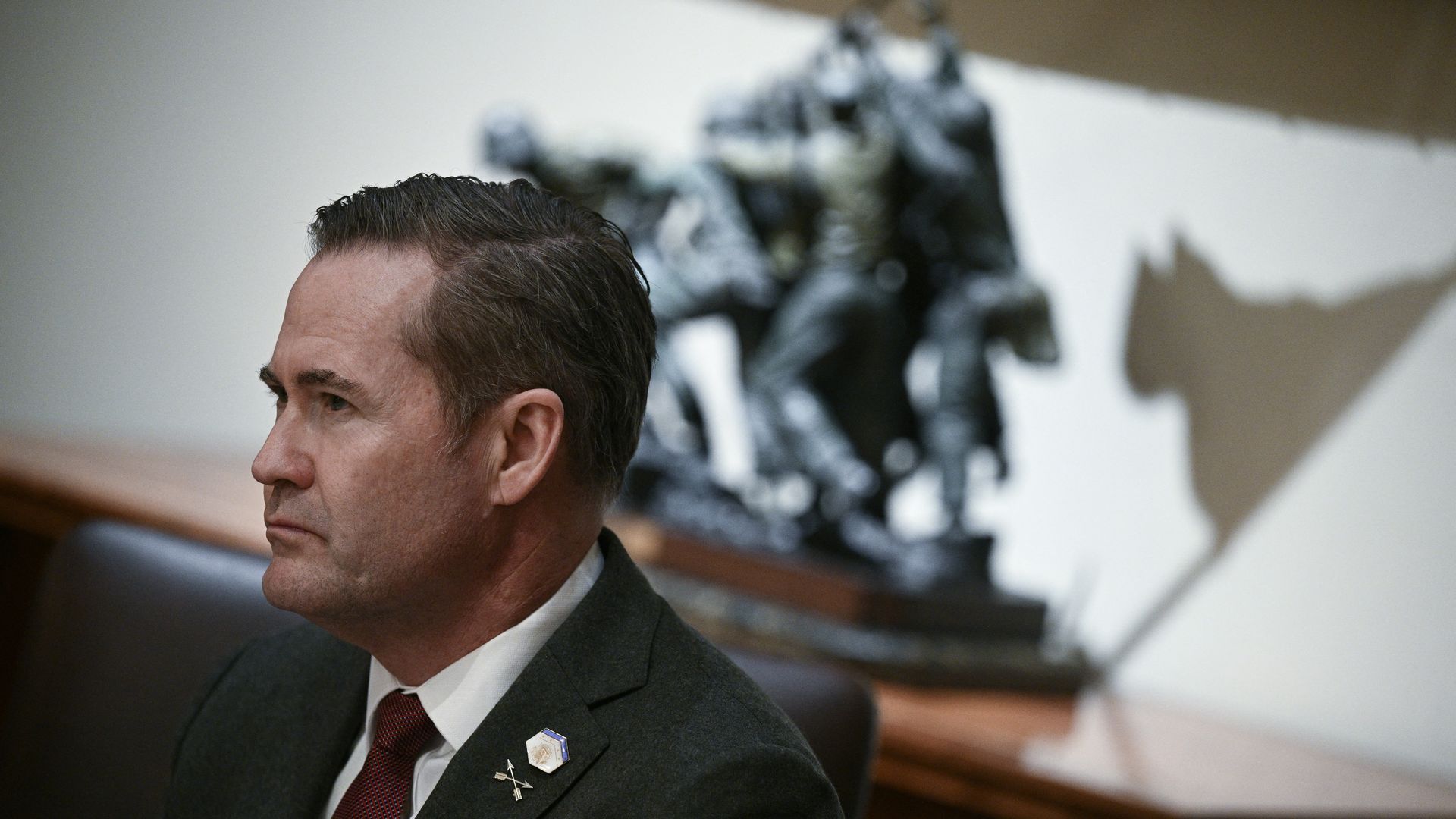
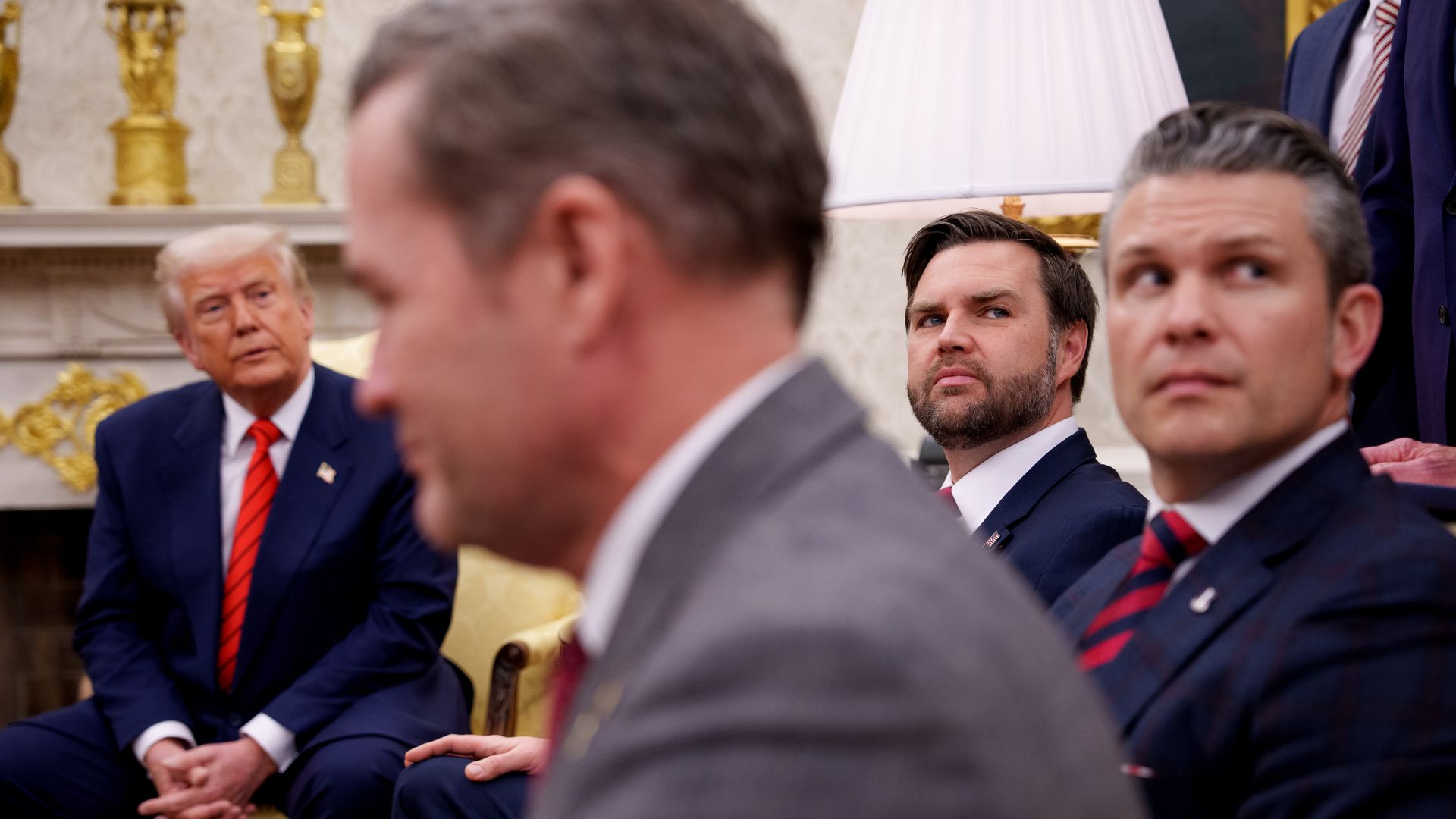
President Trump confirmed he was removing Mike Waltz as national security adviser on Thursday but added the surprise announcement that he would be nominating him for the vacant UN ambassador post.
Mike Waltz has been a dead man walking in the White House for the past month, and the outgoing national security adviser started to act like it, Trump administration sources tell Axios.
Why it matters: "Signalgate" badly damaged Waltz, but it wasn't his only problem. He got on the wrong side of everyone from conspiracy theorist Laura Loomer to White House chief of staff Susie Wiles.
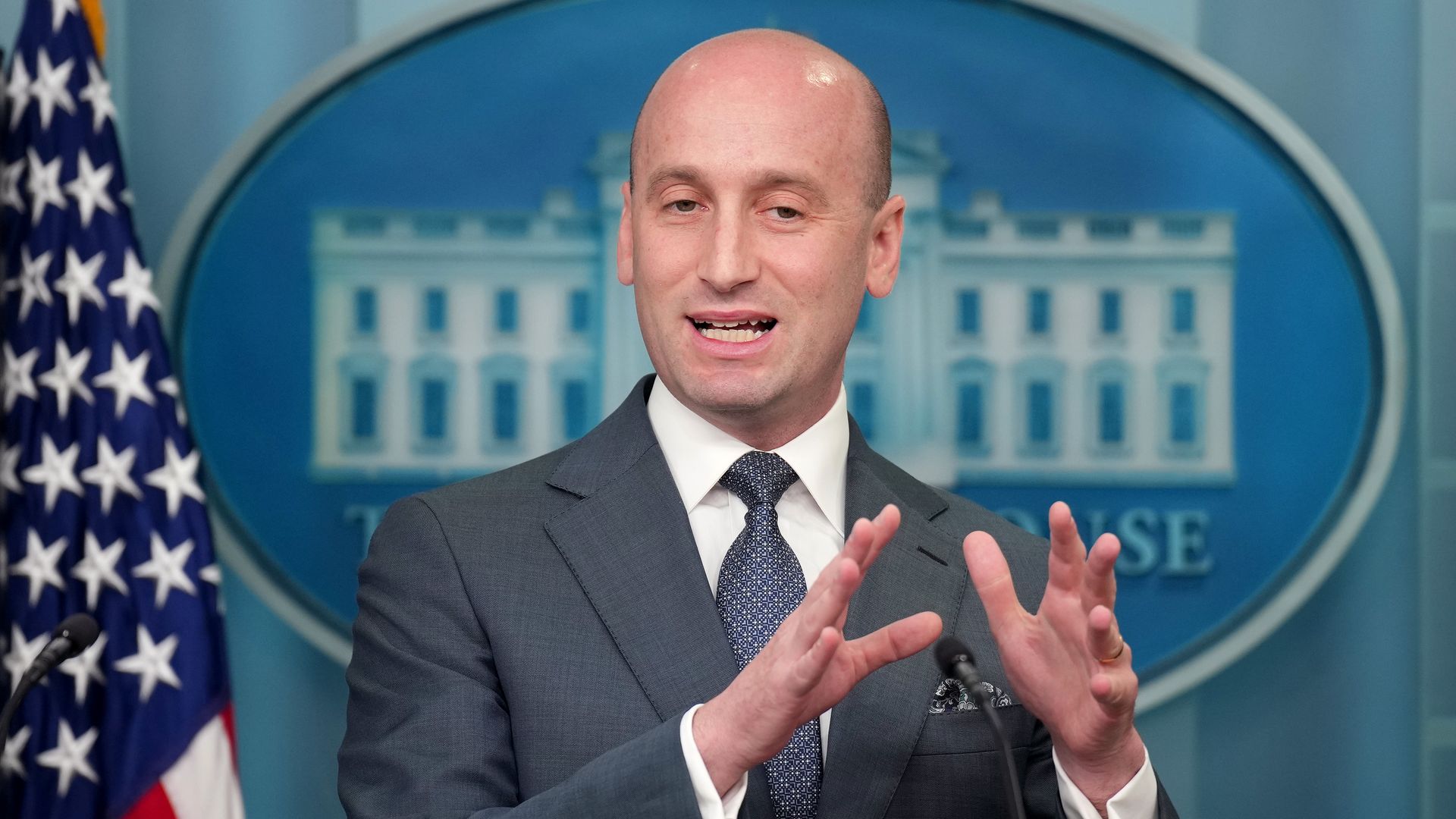
The doll debate continues: After President Trump acknowledged that toy shortages were a possible tariff side effect, Deputy Chief of Staff Stephen Miller argued that "almost every American consumer" agrees they'd pay more for an American-made doll.
The big picture: Miller on Thursday emphasized the administration's persistent argument that tariffs would force manufacturers toproduce more goods in the U.S. — but domestic retailers fear the trade war with China will leave prices higher and shelves empty.
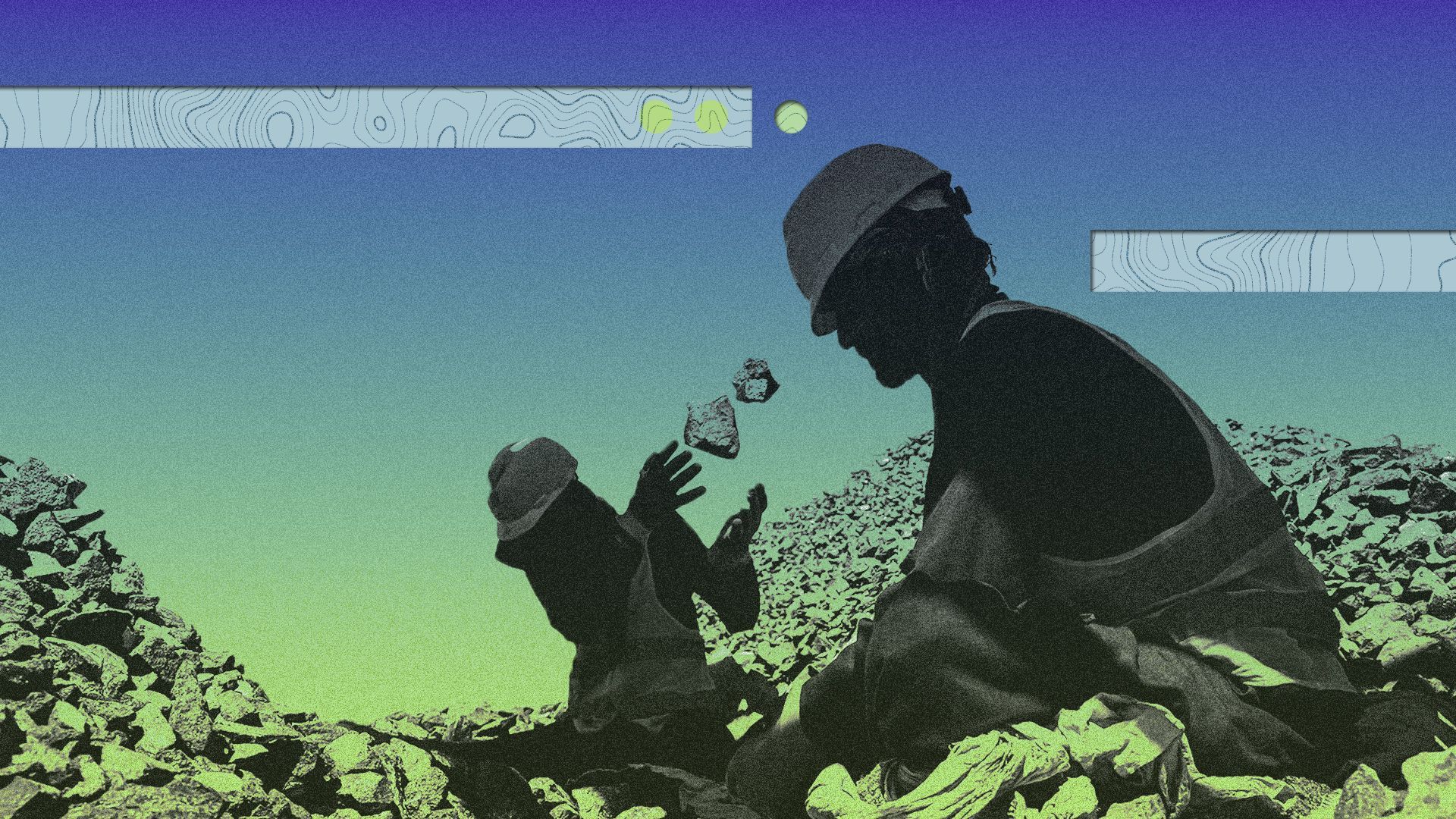
The long-awaited deal creating a United States-Ukraine Reconstruction Investment Fund faces huge questions, in part due to war-related damage to Ukraine's infrastructure.
Why it matters: The 50-50 fund gives the U.S. preferential access to Ukraine's critical minerals, oil and gas.
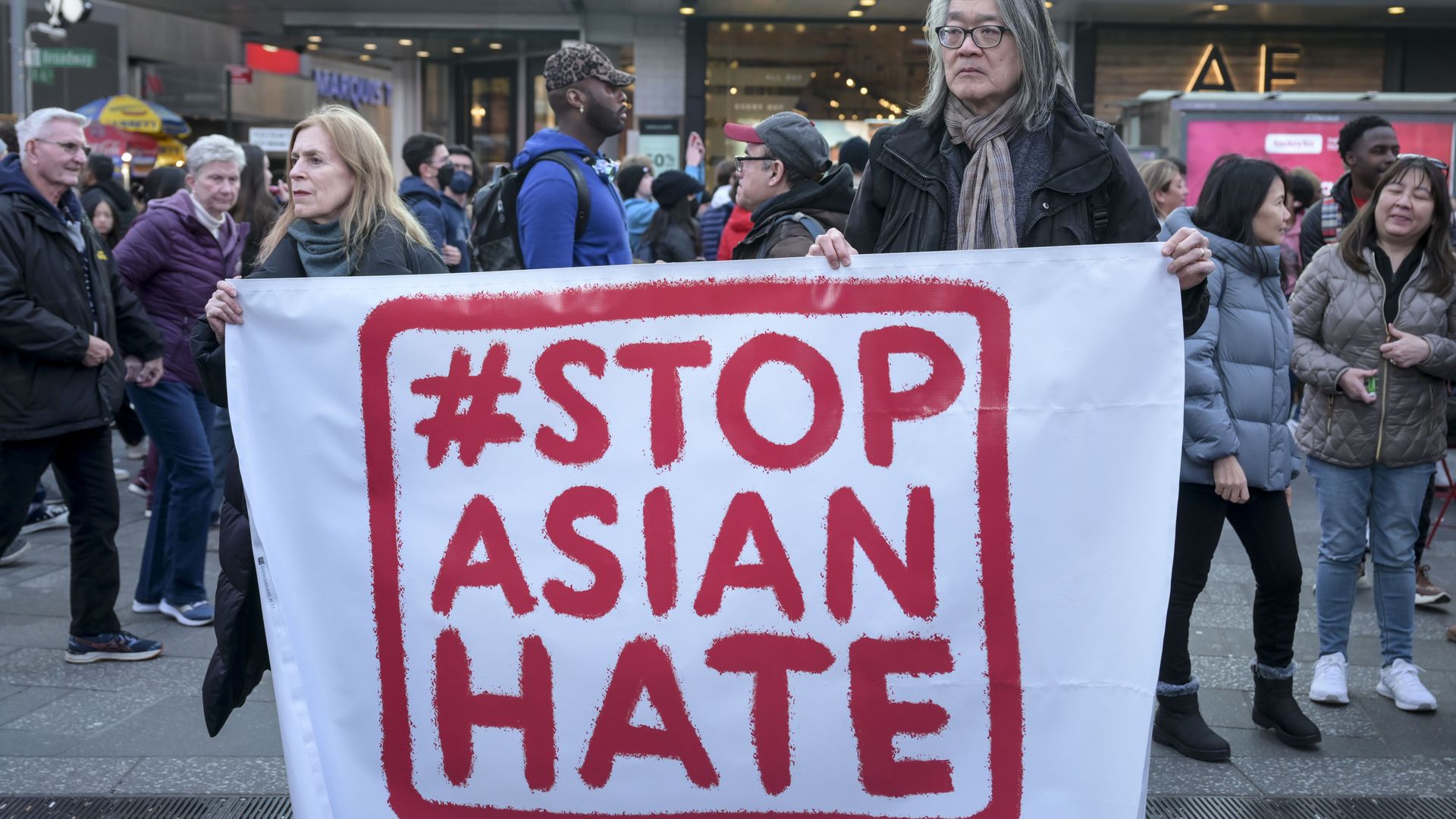
More than one in four Americans believe Chinese Americans are a threat to U.S. society, and 40% believe Asian Americans are more loyal to their countries of origin than to the U.S., a new survey found.
Why it matters: Five years after the pandemic, when the U.S. saw a surge in anti-Asian hate crimes, Asian Americans are still battling harmful stereotypes and deep-seated misperceptions.
The successor to Pope Francis will take over a Catholic Church with more than 1.4 billion members around the world. But his impact is likely to reach far beyond the church.
Why it matters: Popes today don't just oversee church doctrine and administration — they're global diplomats and influencers who can foster peace agreements, accelerate fights against diseases and impact population growth.
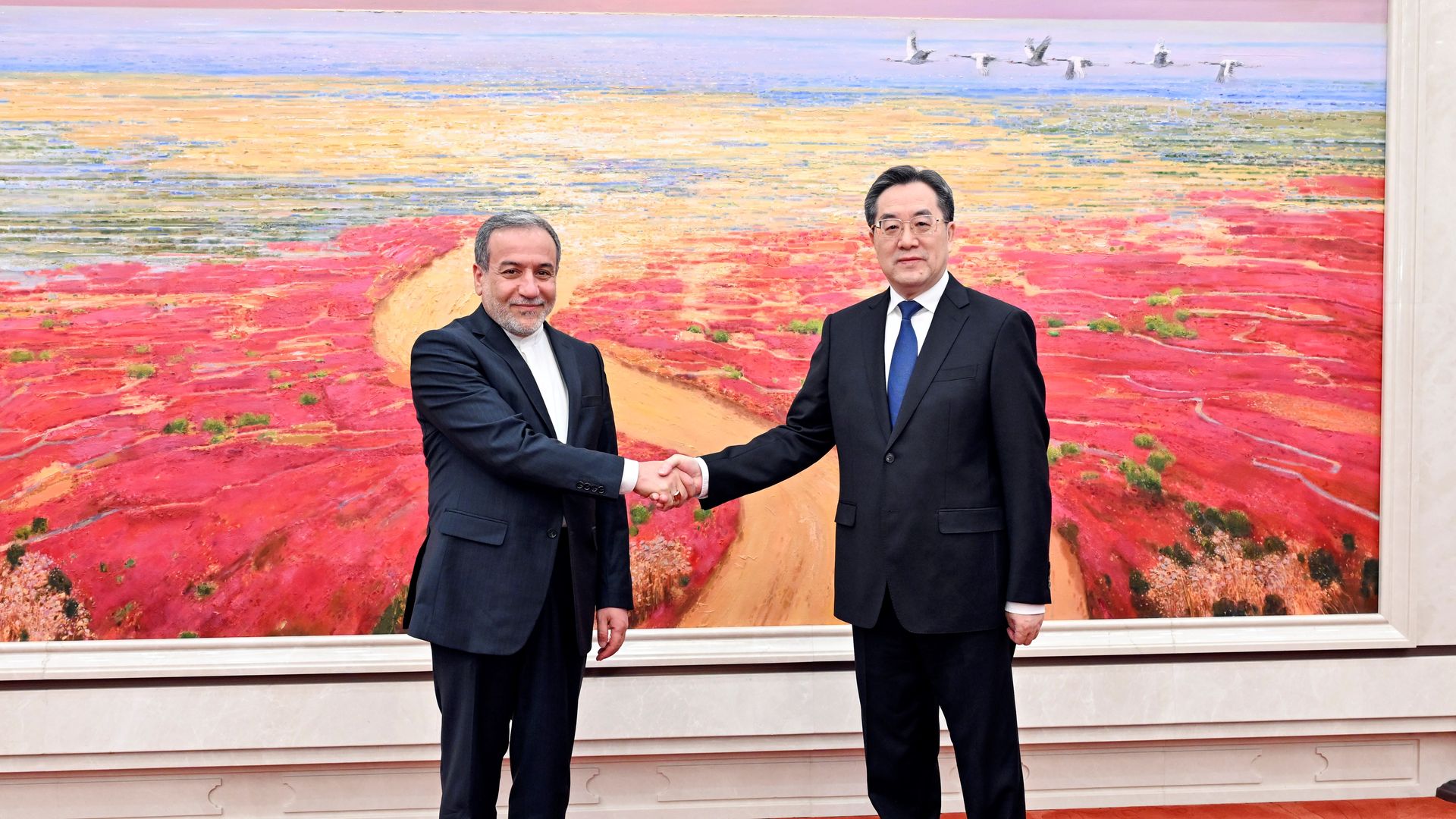
President Trump is putting China's economy through a trillion-dollar stress test, and he may not like the result.
Why it matters: Treasury Secretary Scott Bessent insists China is far more reliant on the U.S. than vice-versa, and thus has no choice but to blink first.